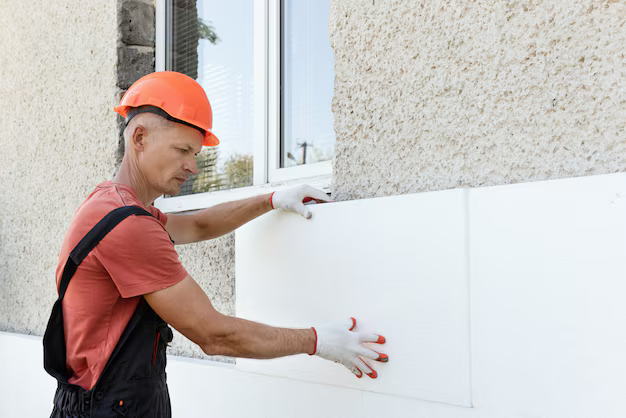

thermocol sheet price in pakistan

Tag: thermal insulation services in multan

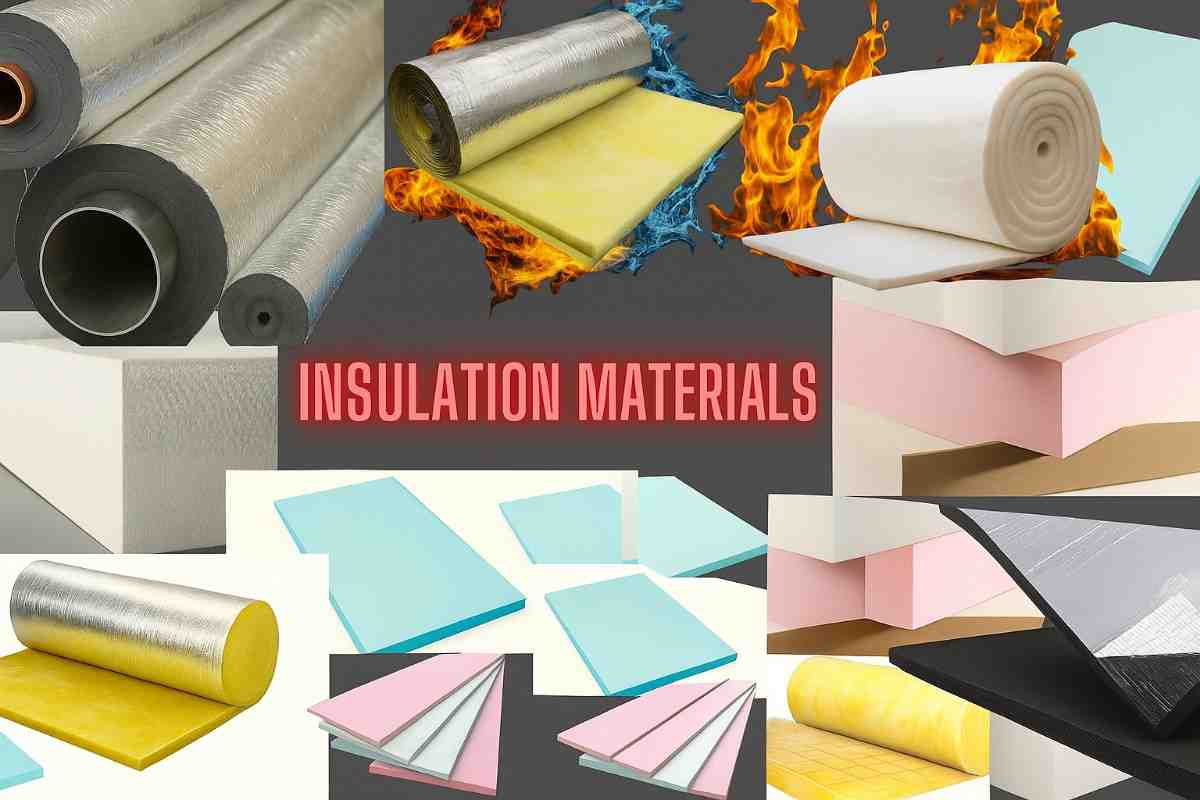
  • Types of Thermal Insulation in Pakistan | Best Insulation Materials Guide

    Types of Thermal Insulation in Pakistan | Best Insulation Materials Guide

    With extreme weather conditions and rising electricity costs, insulation has become a necessity in Pakistan rather than a luxury. Understanding the Types of Thermal Insulation in Pakistan helps homeowners, builders, and businesses make better decisions for energy efficiency and comfort.

    Whether you’re constructing a new building or upgrading an existing one, selecting the right insulation material can significantly reduce heat transfer and energy consumption.

    Why Thermal Insulation is Important
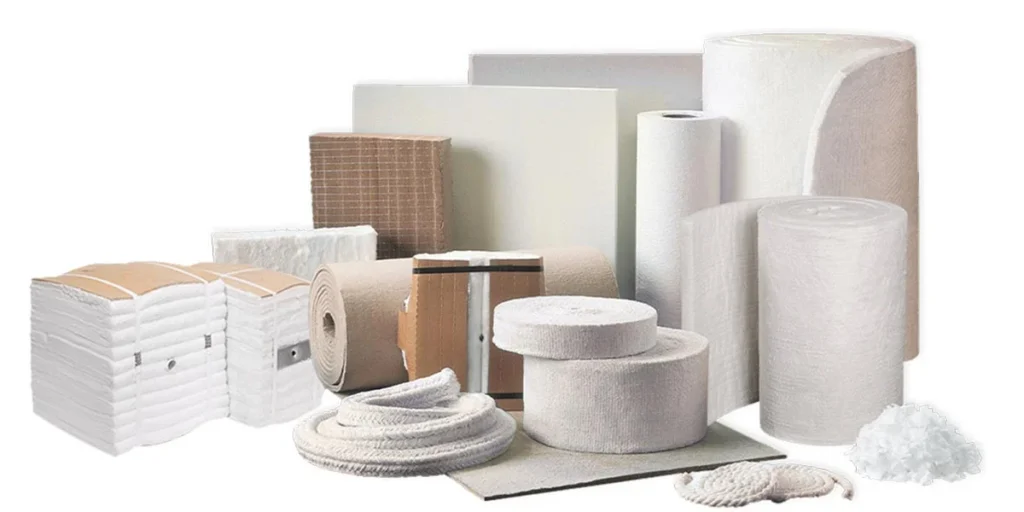
    Thermal insulation plays a vital role in:

    • Maintaining indoor temperature
    • Reducing electricity bills
    • Improving energy efficiency
    • Enhancing building durability
    • Providing comfort in all seasons

    These benefits make insulation one of the top Types of Thermal Insulation in Pakistan solutions for modern construction.

    Main Types of Thermal Insulation in Pakistan

    1. Expanded Polystyrene (EPS – Thermopore)
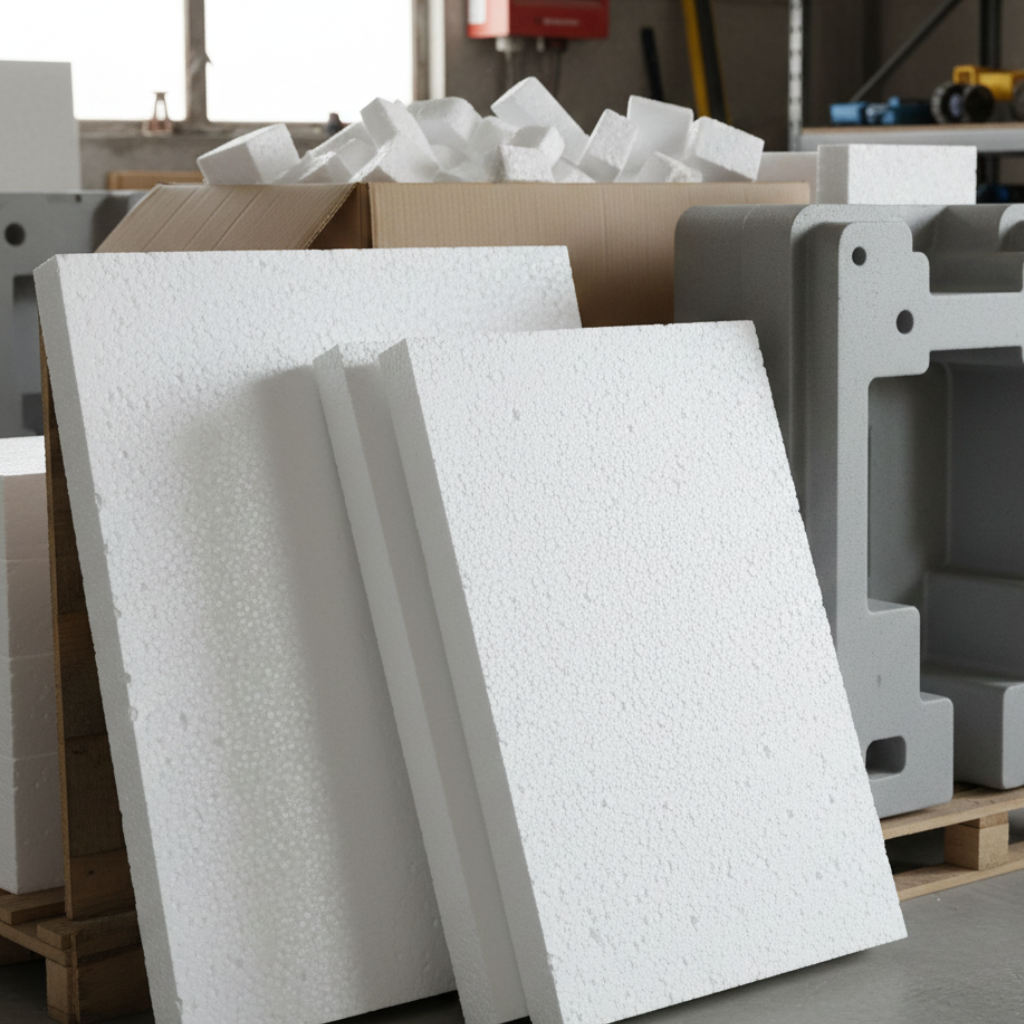
    EPS Foam

    EPS is one of the most commonly used insulation materials in Pakistan.

    Features:

    • Lightweight and affordable
    • Good thermal resistance
    • Easy to install

    It is widely used in roofs and walls, making it one of the best Types of Thermal Insulation in Pakistan for budget-friendly projects.

    2. Extruded Polystyrene (XPS)
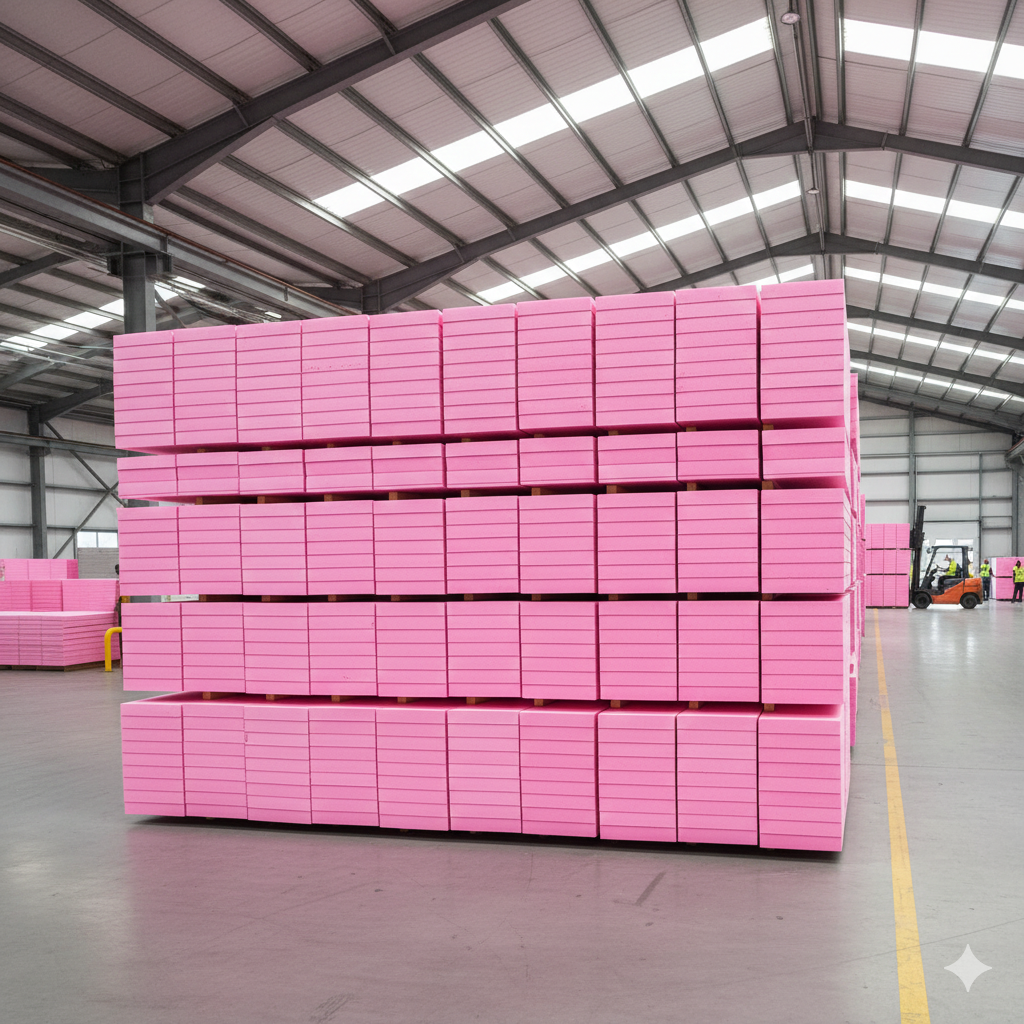
    Jumbolon Board Manufacturer in Pakistan

    XPS offers higher strength and moisture resistance compared to EPS.

    Features:

    • Durable and water-resistant
    • Suitable for heavy-load areas
    • Long-lasting performance

    3. Polyurethane Foam (PU Foam)
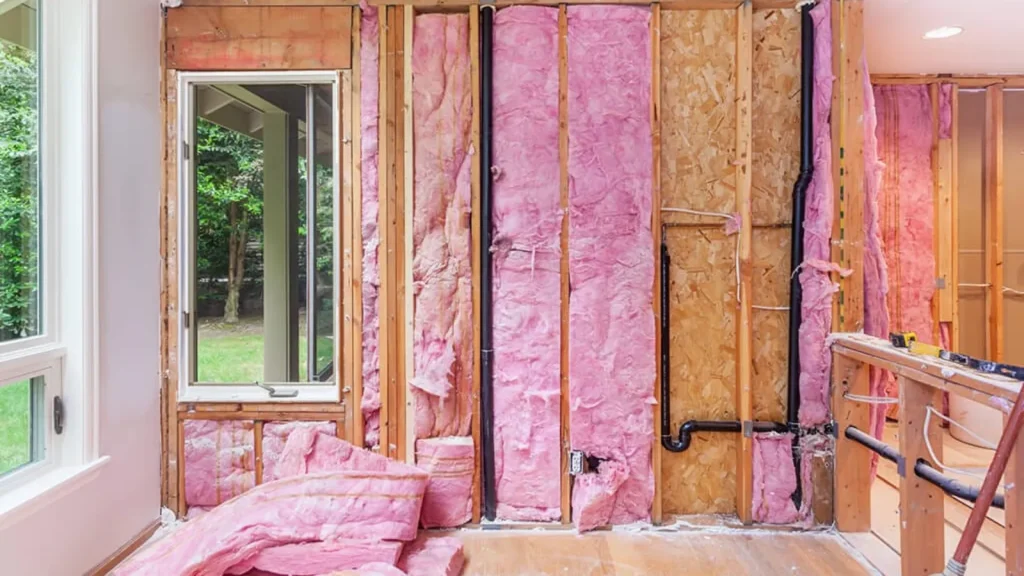
    home insulation

    PU foam provides excellent insulation performance.

    Features:

    • High thermal efficiency
    • Air-tight sealing
    • Ideal for roofs and cold storage

    4. Mineral Wool (Rock Wool)

    Soundproofing Material glasswool vs rockwool

    Rock wool is widely used in industrial and commercial applications.

    Features:

    • Fire-resistant
    • Soundproofing properties
    • Durable under high temperatures

    5. Fiberglass Insulation
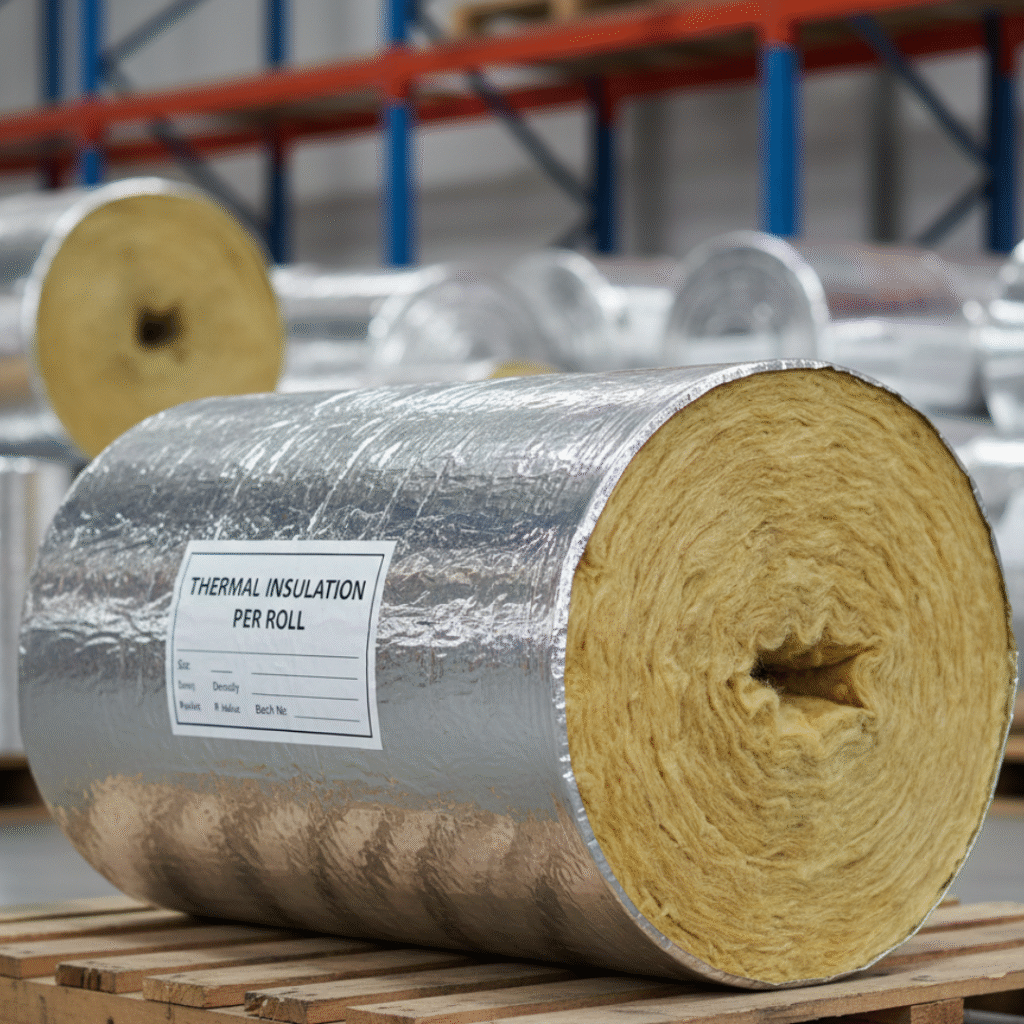
    Glasswool Roll Price in Pakistan

    A cost-effective and commonly used insulation material.

    Features:

    • Easy installation
    • Affordable
    • Suitable for ceilings and walls

    Types of Thermal Insulation Price

    The Types of Thermal Insulation price in Pakistan depends on material type, thickness, and application.

    Estimated Price Table

    Material TypePrice Range (PKR per sq. ft)
    EPS (Thermopore)40 – 120
    XPS180 – 350
    PU Foam250 – 500
    Rock Wool200 – 400
    Fiberglass80 – 150

    The overall Types of Thermal Insulation price may vary depending on supplier and city.

    City-Wise Thermal Insulation

    Types of Thermal Insulation in Lahore

    Lahore’s construction industry widely uses different insulation materials for residential and commercial buildings.

    Types of Thermal Insulation in Islamabad

    Modern housing projects prefer advanced insulation systems for energy efficiency.

    Types of Thermal Insulation in Faisalabad

    Industrial applications drive demand for durable insulation materials in Faisalabad.

    Types of Thermal Insulation in Multan

    Extreme heat increases the need for effective insulation in residential and commercial spaces.

    Types of Thermal Insulation in Karachi

    Humidity and coastal conditions require moisture-resistant insulation solutions.

    Manufacturers and Wholesalers

    Manufacturers

    Local companies act as Types of Thermal Insulation manufacturer in pakistan, producing a wide range of insulation materials for different applications.

    Wholesalers

    Bulk suppliers serve as Types of Thermal Insulation For Roofs wholeseller and top Types of Thermal Insulation wholeseller, offering competitive pricing for large projects.

    Working with trusted suppliers ensures quality and long-term performance.

    Cheap vs High-Quality Thermal Insulation

    While cheap Thermal Insulation in pakistan options are available, they may compromise durability and efficiency.

    Low-quality insulation may:

    • Degrade quickly
    • Offer poor thermal resistance
    • Increase long-term costs

    Investing in high-quality materials ensures better results and long-term savings.

    How to Choose the Right Insulation Material

    Consider these factors:

    • Climate conditions
    • Application (roof, wall, industrial use)
    • Budget
    • Moisture resistance
    • Fire safety requirements

    Selecting the right material helps achieve the best Types of Thermal Insulation for your project.

    Applications of Thermal Insulation

    • Residential homes
    • Commercial buildings
    • Industrial facilities
    • Cold storage units
    • HVAC systems

    Conclusion

    Understanding the Types of Thermal Insulation is essential for making informed construction decisions. From EPS and XPS to PU foam and rock wool, each material offers unique benefits depending on your needs.

    Whether you are sourcing from a Types of Thermal Insulation manufacturer in pakistan or working with a top Types of Thermal Insulation wholeseller, choosing the right insulation can significantly improve comfort, reduce energy costs, and increase building efficiency.

    FAQ’S

    The main types include EPS (Thermopore), XPS, polyurethane foam (PU), fiberglass, and rock wool. Each material has different properties depending on usage and budget.

    Types of Thermal Insulation price in Pakistan generally ranges from PKR 40 to PKR 500 per sq. ft depending on the material type, thickness, and quality.

    PU foam and XPS are considered the best for roofs due to their high thermal resistance, while EPS (Thermopore) is a cost-effective alternative.

    You can find thermal insulation services in major cities like Lahore, Islamabad, Karachi, Faisalabad, and Multan through local contractors, manufacturers, and wholesalers.

  • Thermal Insulation: Complete Guide for Homes, Buildings, and Industrial Spaces

    Thermal Insulation: Complete Guide for Homes, Buildings, and Industrial Spaces

    Thermal insulation plays a vital role in modern construction by improving indoor comfort, reducing energy consumption, and protecting structures from extreme temperatures in Pakistan. Whether it is used in homes, offices, factories, or warehouses, the right insulation system can significantly enhance building performance and long-term cost efficiency.

    This guide explains thermal insulation in detail, its applications, materials, and why it is essential for residential, commercial, and industrial environments.

    Importance of Thermal Insulation in Modern Construction

    Thermal insulation is no longer optional in modern construction. It is a key component of energy-efficient design and sustainable building practices.

    Key Benefits:

    • Improved indoor temperature control
    • Lower electricity and fuel consumption
    • Reduced operational costs
    • Enhanced building durability
    • Better acoustic performance

    Thermal insulation also helps buildings comply with modern energy efficiency standards and environmental regulations.

    Thermal Insulation For Houses

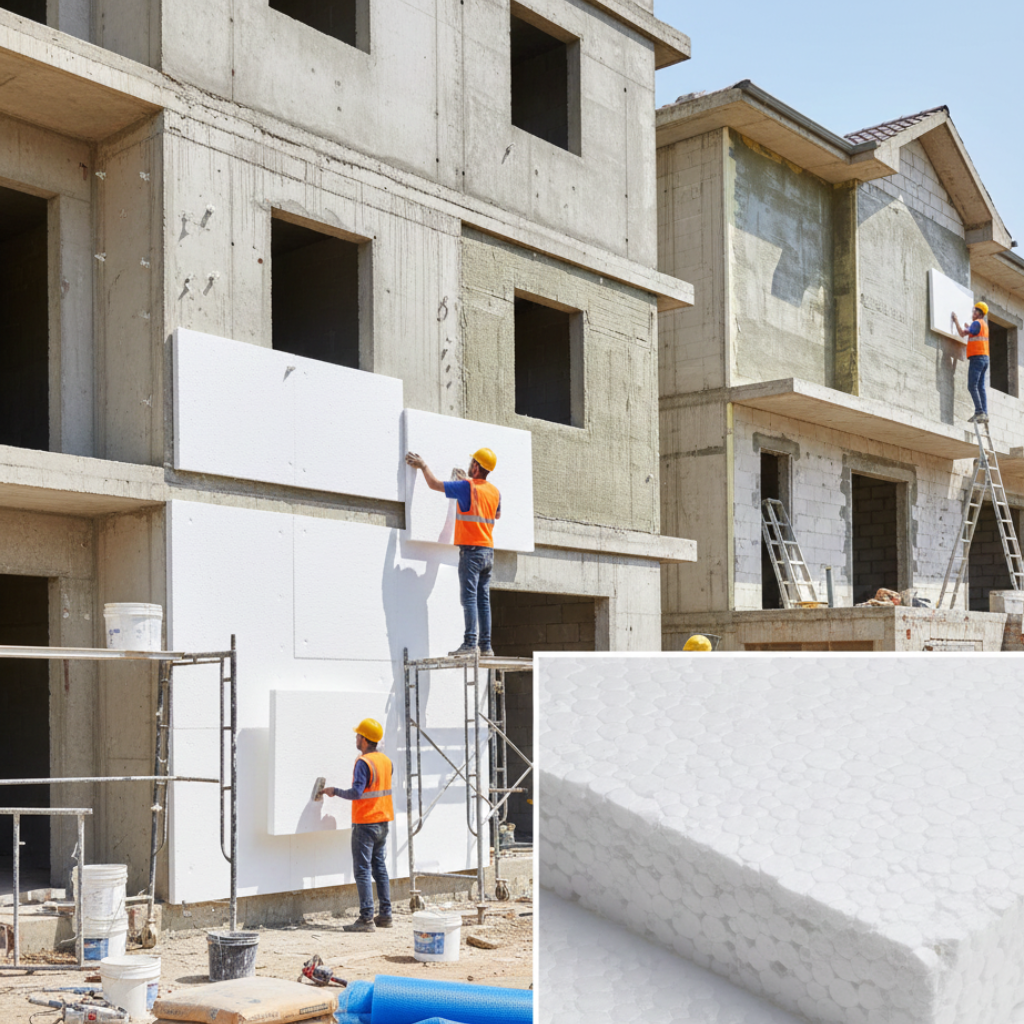
    Thermopore Sheet Installation

    It improves comfort by maintaining consistent indoor temperatures throughout the year. Insulated homes experience less heat penetration in summer and reduced heat loss in winter.

    Common residential insulation areas include:

    • Roofs and ceilings
    • External and internal walls
    • Floors and basements

    Using the correct insulation material in houses helps homeowners reduce energy bills while improving living conditions.

    Thermal Insulation For Buildings in Pakistan

    Thermal insulation in buildings is widely used in residential apartments, commercial plazas, and mixed-use developments. Large structures require insulation systems that perform consistently across wide surface areas.

    Insulation in buildings helps:

    • Maintain uniform temperature across floors
    • Protect structural elements from thermal stress
    • Reduce HVAC system load

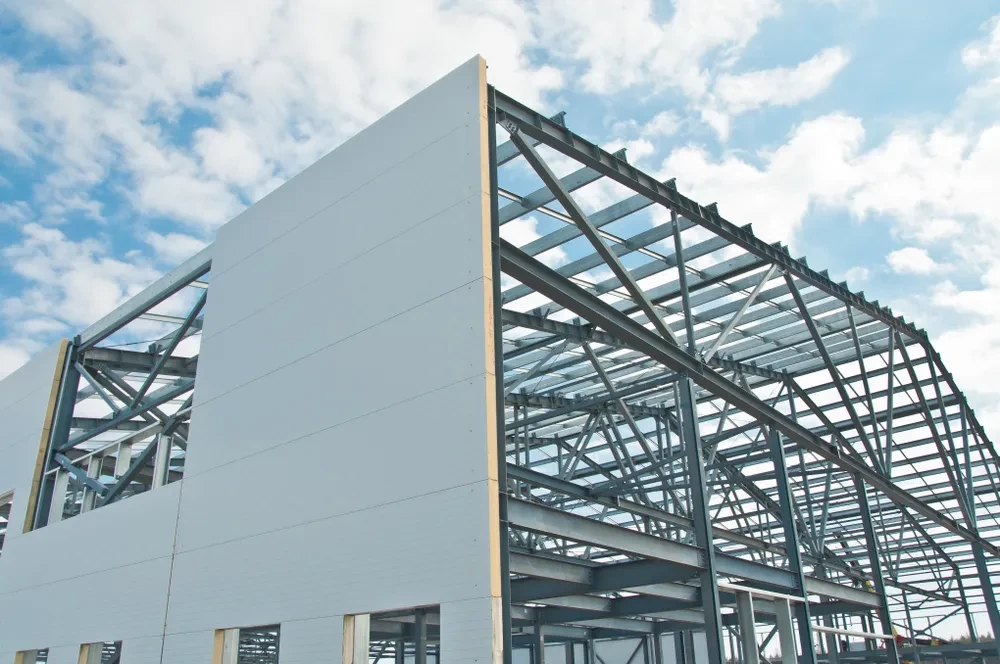
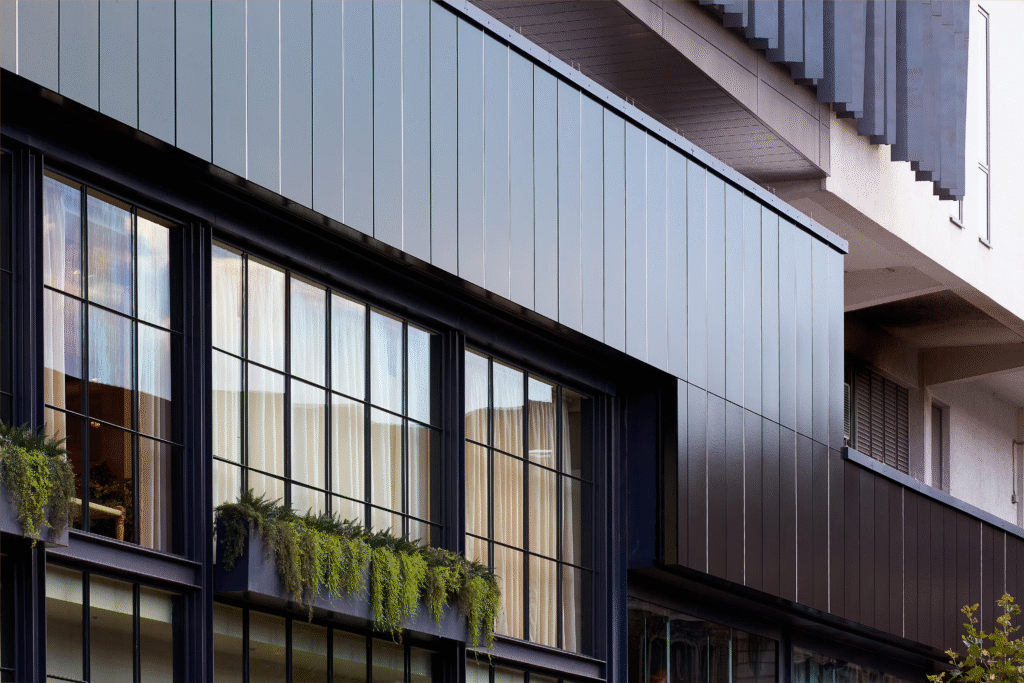
    Thermal insulation sheets and foam-based solutions are commonly applied in walls, roofs, and façades of multi-story buildings.

    Thermal Insulation For Offices

    sandwich panels installation

    It contributes directly to employee comfort and productivity. Stable indoor temperatures reduce fatigue and improve work efficiency.

    Office insulation solutions are designed to:

    • Minimize heat gain through glass and walls
    • Reduce noise from external environments
    • Maintain consistent cooling across workspaces

    Well-insulated offices also experience lower long-term maintenance and energy costs.

    Thermal Insulation For Factories

    Thermal insulation in factories is essential for controlling heat generated by machinery and industrial processes. Insulation helps maintain safe working conditions and protects sensitive equipment.

    Factory insulation is commonly used for:

    • Roofs and metal sheds
    • Machinery enclosures
    • Production halls

    Industrial-grade insulation materials are selected based on temperature resistance, durability, and fire safety.

    Thermal Insulation For Warehouses

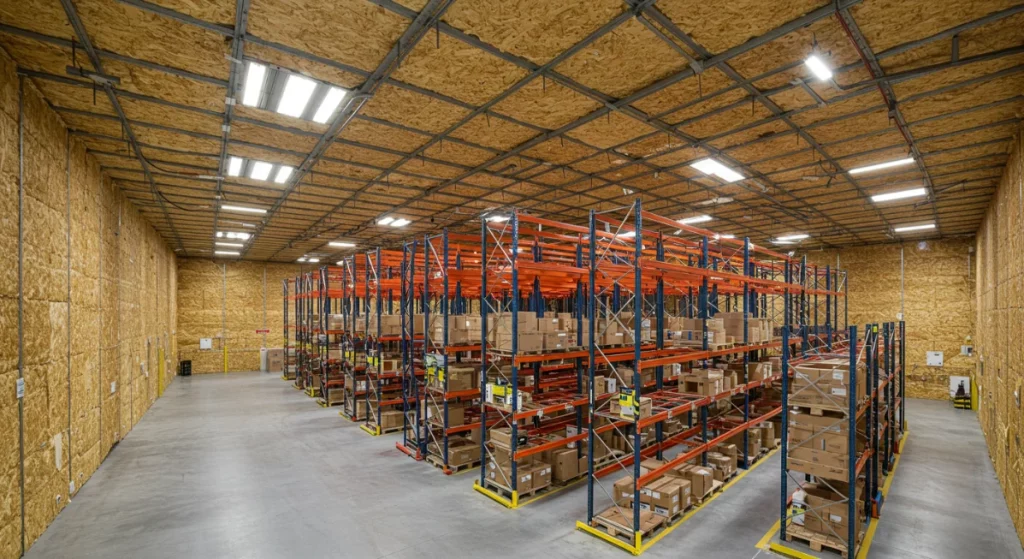
    Thermal insulation in warehouses is critical for temperature control, especially where goods are stored for long durations. Insulation protects products from heat damage and moisture-related issues.

    Warehouses benefit from insulation by:

    • Reducing temperature fluctuations
    • Improving storage safety
    • Lowering cooling and ventilation costs

    Thermal insulation foam and sheets are widely used for warehouse roofs and walls due to their lightweight and efficient performance.

    Thermal Insulation Foam Explained

    It is a popular solution due to its high insulation efficiency and ease of installation. Foam insulation expands to fill gaps, reducing air leakage and thermal bridging.

    Common foam applications include:

    • Roof insulation
    • Wall cavity filling
    • Cold storage facilities

    Foam-based insulation provides excellent thermal resistance while keeping overall structure weight low.

    Thermal Insulation Materials List

    Choosing the right material is crucial for effective insulation. Below is a commonly used thermal insulation materials list in construction:

    • Expanded Polystyrene (EPS)
    • Extruded Polystyrene (XPS)
    • Polyurethane Foam (PU)
    • Glass Wool
    • Rock Wool
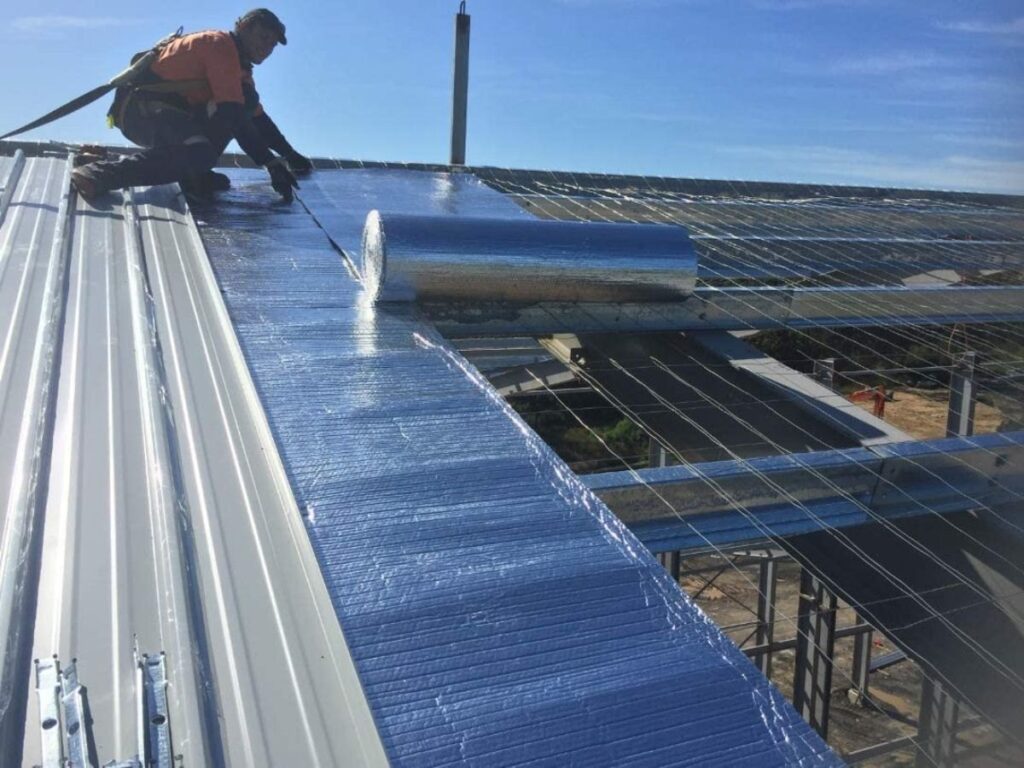
    • Reflective insulation sheets

    Each material varies in thermal resistance, density, cost, and suitability depending on the project type.

    How to Choose the Right Thermal Insulation Solution

    Selecting the correct insulation depends on:

    • Building type (residential, commercial, industrial)
    • Climate conditions
    • Budget constraints
    • Installation location

    A professional assessment ensures optimal insulation performance and long-term savings.

    Long-Term Value of Thermal Insulation

    Investing in thermal insulation is a long-term decision that delivers continuous returns through reduced energy costs and enhanced property value. Proper insulation also supports environmentally responsible construction practices by lowering carbon emissions.

    Conclusion

    Thermal insulation is a critical element in modern construction, offering comfort, efficiency, and protection across homes, buildings, offices, factories, and warehouses in Pakistan. With various insulation sheets, foam systems, and material options available, selecting the right solution ensures better performance and lasting benefits.

    A well-planned insulation system is not just a construction feature—it is a smart investment for the future.

    FAQ’S

    Thermal insulation is used to reduce heat transfer between indoor and outdoor environments. It helps maintain comfortable indoor temperatures, reduces electricity consumption, and protects buildings from extreme weather conditions.

    Roofs, external walls, ceilings, and industrial sheds benefit the most from thermal insulation. Proper insulation in these areas improves energy efficiency in houses, offices, factories, and warehouses.

    Common thermal insulation materials include EPS and XPS sheets, polyurethane foam, glass wool, rock wool, and reflective insulation sheets. The right choice depends on building type, budget, and insulation requirements.

    Yes, thermal insulation is highly suitable for factories, offices, warehouses, and commercial buildings. It helps control indoor temperatures, protects equipment, and lowers long-term operational costs.