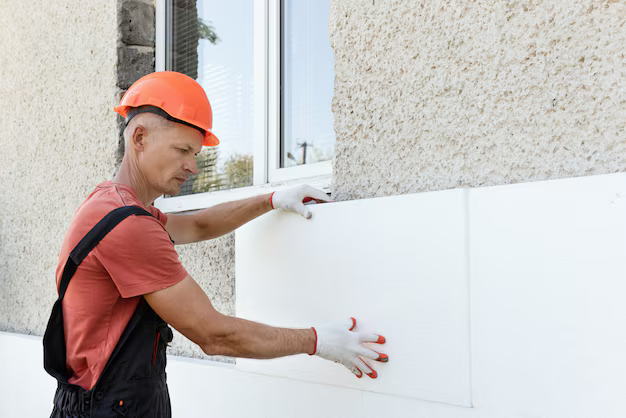

thermocol sheet price in pakistan

Tag: thermal insulation services Pakistan

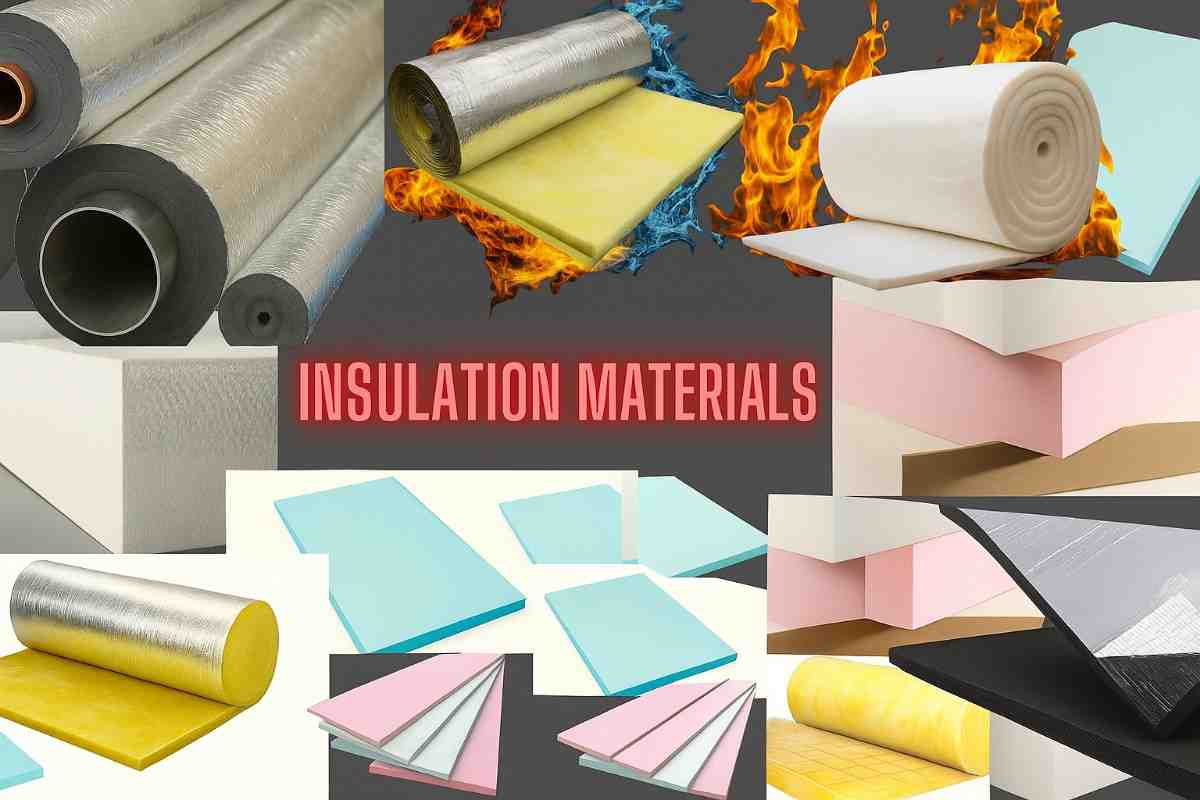
  • Types of Thermal Insulation in Pakistan | Best Insulation Materials Guide

    Types of Thermal Insulation in Pakistan | Best Insulation Materials Guide

    With extreme weather conditions and rising electricity costs, insulation has become a necessity in Pakistan rather than a luxury. Understanding the Types of Thermal Insulation in Pakistan helps homeowners, builders, and businesses make better decisions for energy efficiency and comfort.

    Whether you’re constructing a new building or upgrading an existing one, selecting the right insulation material can significantly reduce heat transfer and energy consumption.

    Why Thermal Insulation is Important
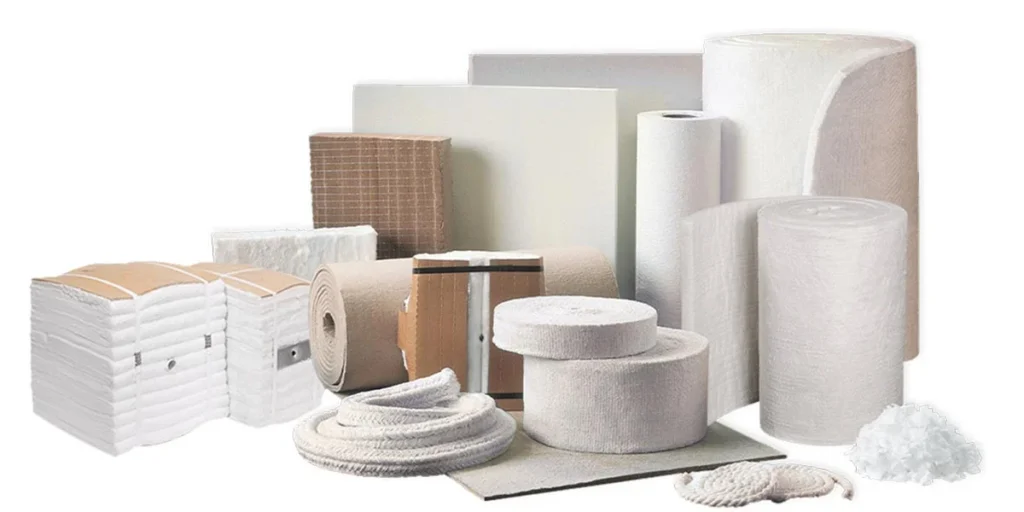
    Thermal insulation plays a vital role in:

    • Maintaining indoor temperature
    • Reducing electricity bills
    • Improving energy efficiency
    • Enhancing building durability
    • Providing comfort in all seasons

    These benefits make insulation one of the top Types of Thermal Insulation in Pakistan solutions for modern construction.

    Main Types of Thermal Insulation in Pakistan

    1. Expanded Polystyrene (EPS – Thermopore)
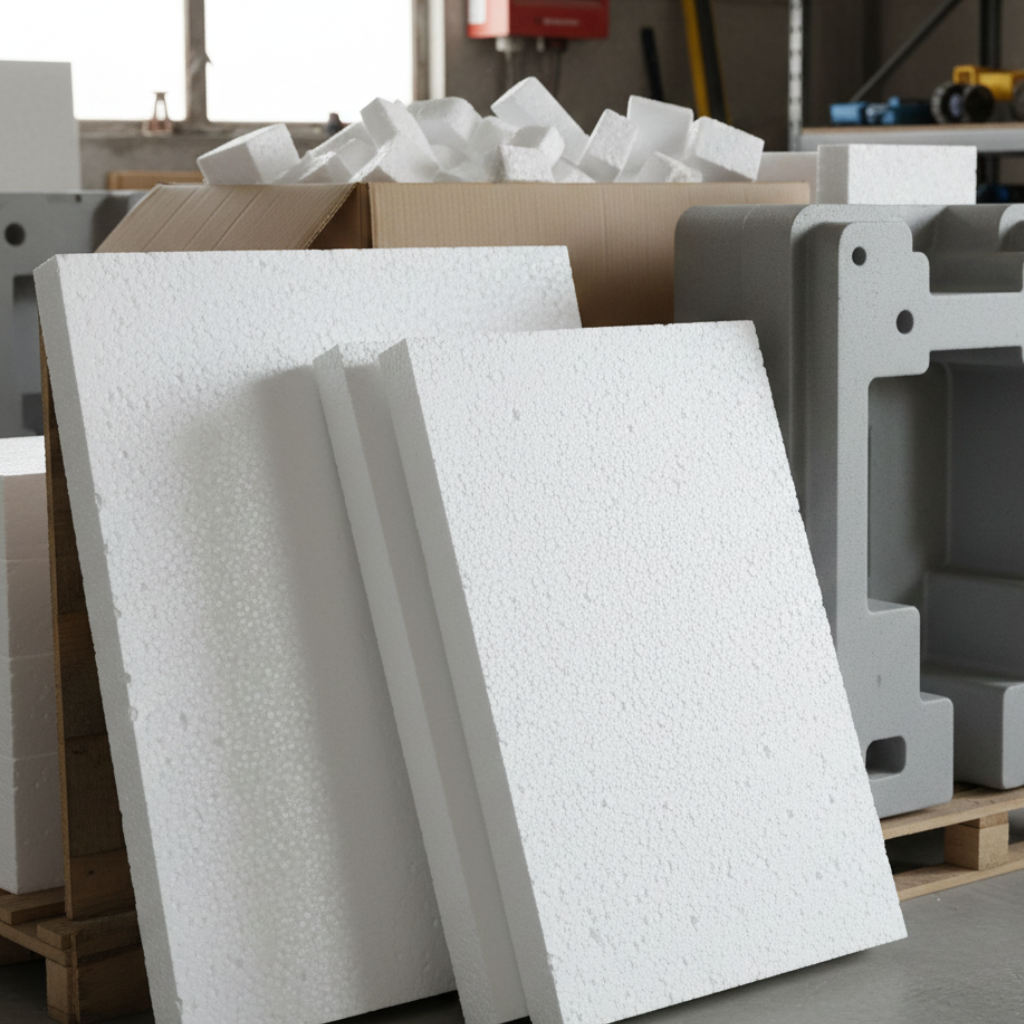
    EPS Foam

    EPS is one of the most commonly used insulation materials in Pakistan.

    Features:

    • Lightweight and affordable
    • Good thermal resistance
    • Easy to install

    It is widely used in roofs and walls, making it one of the best Types of Thermal Insulation in Pakistan for budget-friendly projects.

    2. Extruded Polystyrene (XPS)
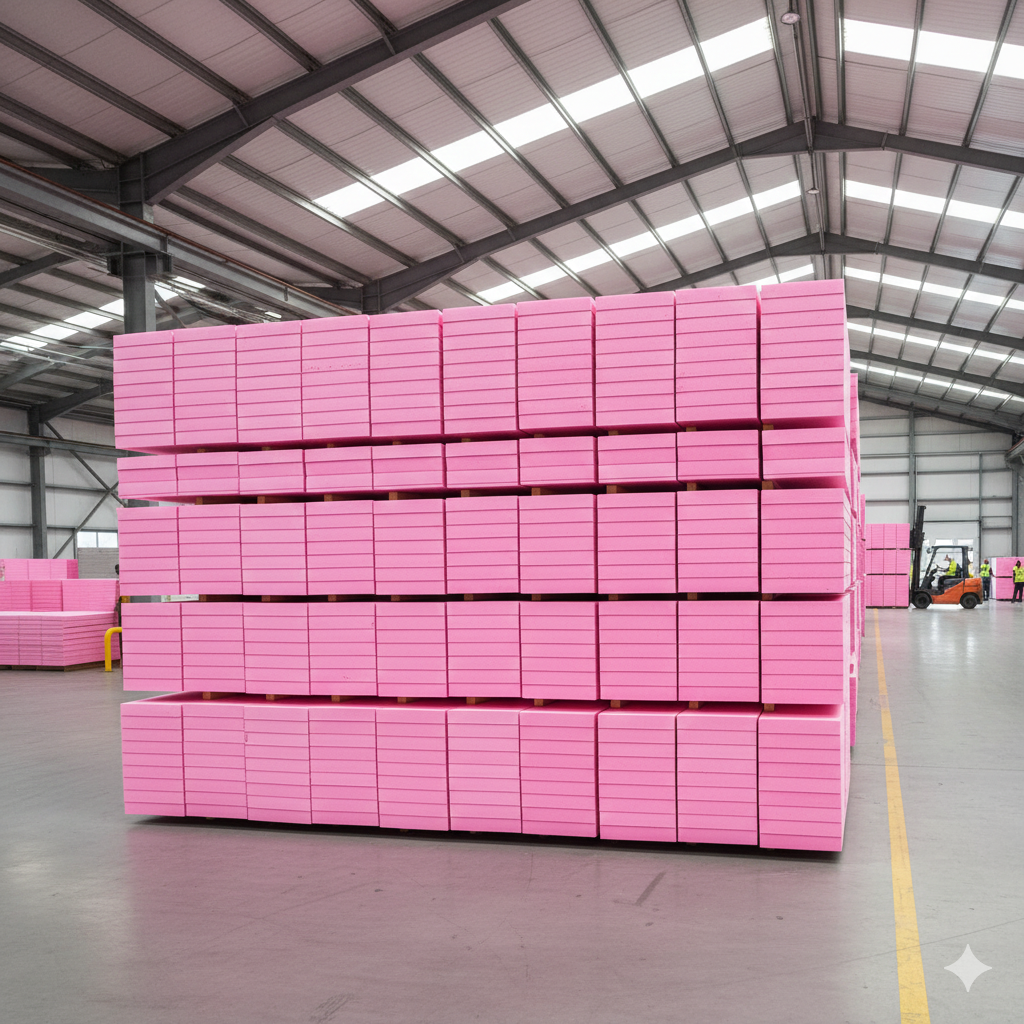
    Jumbolon Board Manufacturer in Pakistan

    XPS offers higher strength and moisture resistance compared to EPS.

    Features:

    • Durable and water-resistant
    • Suitable for heavy-load areas
    • Long-lasting performance

    3. Polyurethane Foam (PU Foam)
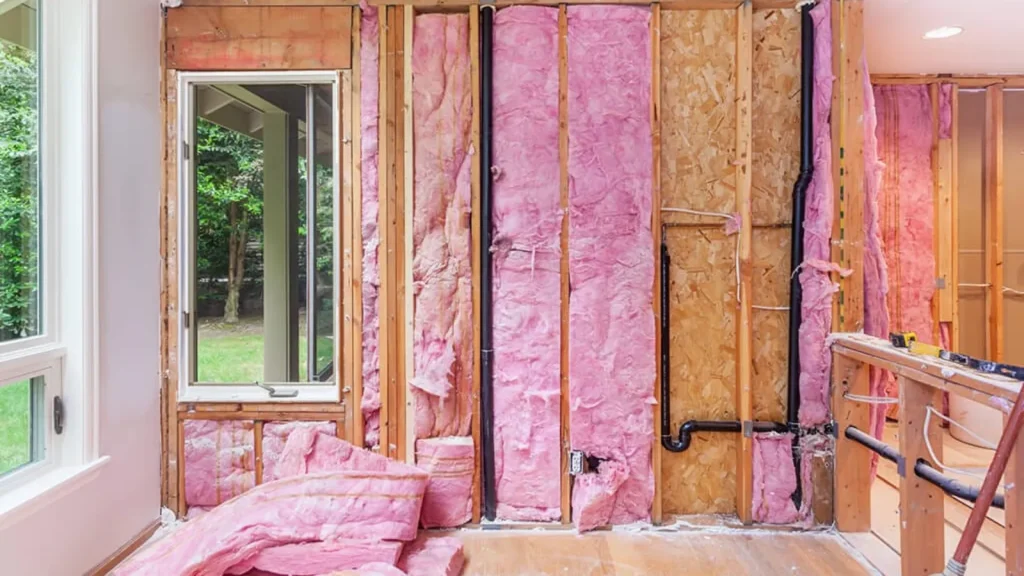
    home insulation

    PU foam provides excellent insulation performance.

    Features:

    • High thermal efficiency
    • Air-tight sealing
    • Ideal for roofs and cold storage

    4. Mineral Wool (Rock Wool)

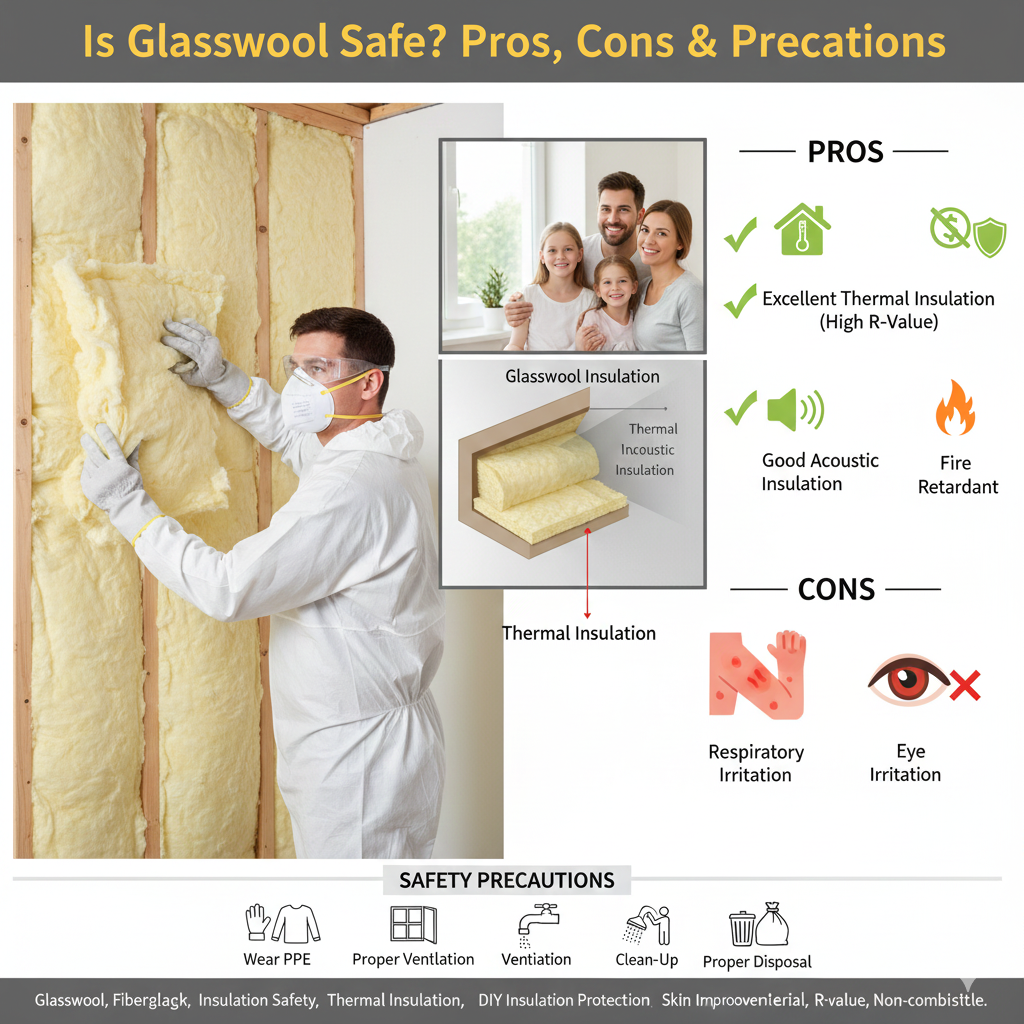
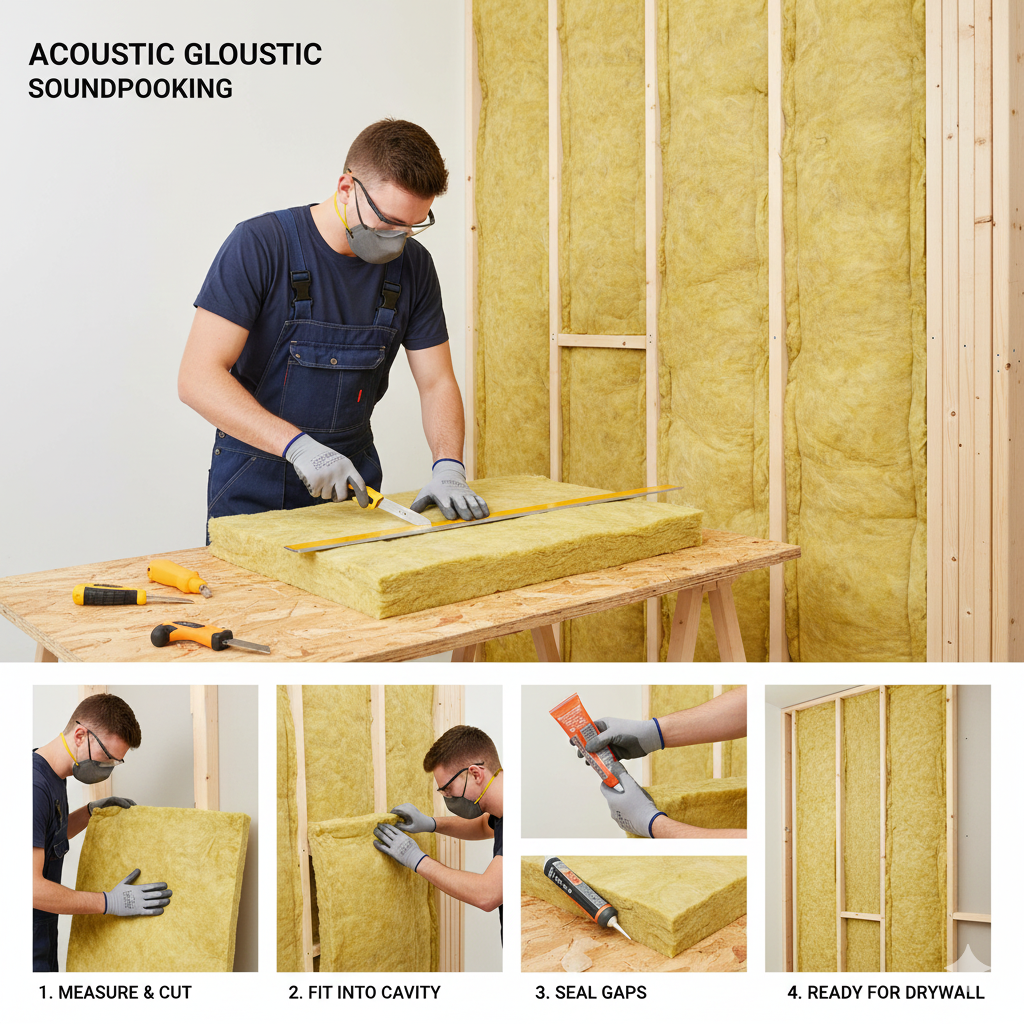
    Soundproofing Material glasswool vs rockwool

    Rock wool is widely used in industrial and commercial applications.

    Features:

    • Fire-resistant
    • Soundproofing properties
    • Durable under high temperatures

    5. Fiberglass Insulation
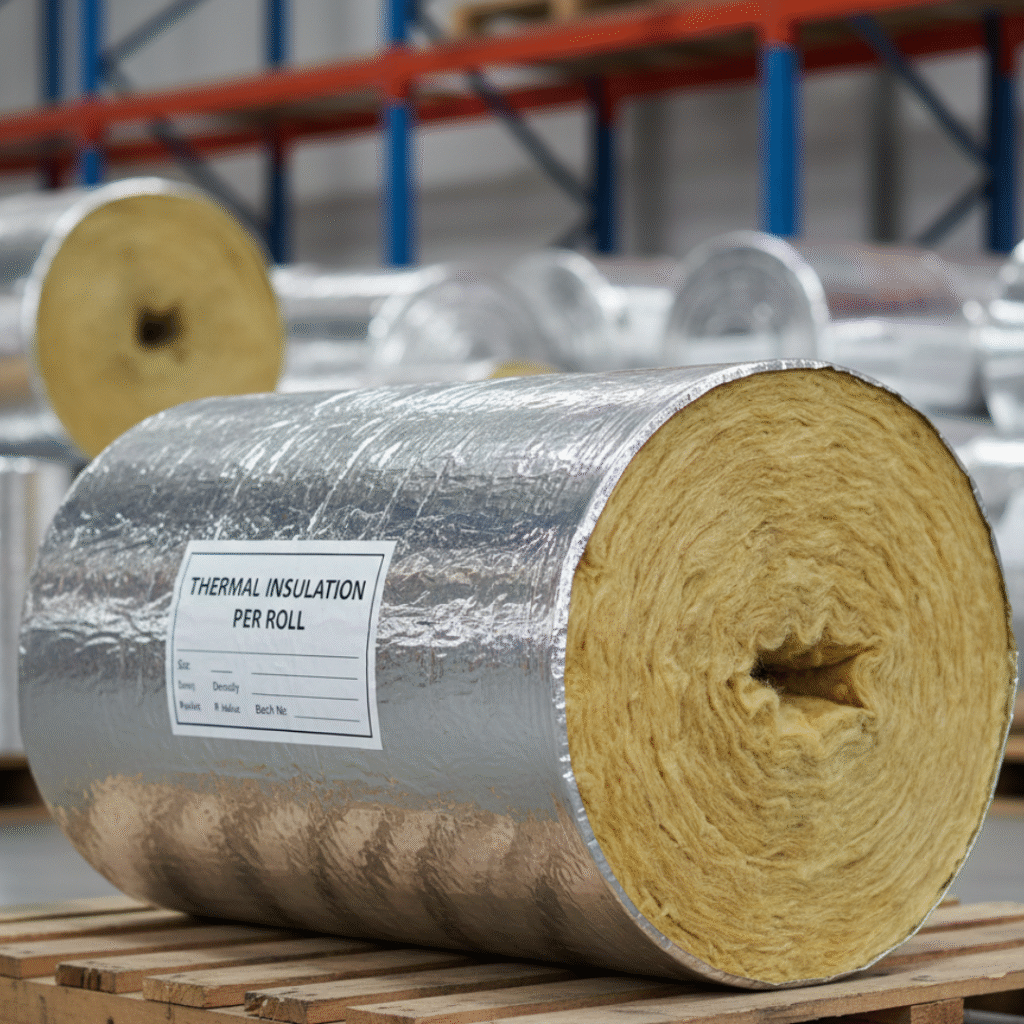
    Glasswool Roll Price in Pakistan

    A cost-effective and commonly used insulation material.

    Features:

    • Easy installation
    • Affordable
    • Suitable for ceilings and walls

    Types of Thermal Insulation Price

    The Types of Thermal Insulation price in Pakistan depends on material type, thickness, and application.

    Estimated Price Table

    Material TypePrice Range (PKR per sq. ft)
    EPS (Thermopore)40 – 120
    XPS180 – 350
    PU Foam250 – 500
    Rock Wool200 – 400
    Fiberglass80 – 150

    The overall Types of Thermal Insulation price may vary depending on supplier and city.

    City-Wise Thermal Insulation

    Types of Thermal Insulation in Lahore

    Lahore’s construction industry widely uses different insulation materials for residential and commercial buildings.

    Types of Thermal Insulation in Islamabad

    Modern housing projects prefer advanced insulation systems for energy efficiency.

    Types of Thermal Insulation in Faisalabad

    Industrial applications drive demand for durable insulation materials in Faisalabad.

    Types of Thermal Insulation in Multan

    Extreme heat increases the need for effective insulation in residential and commercial spaces.

    Types of Thermal Insulation in Karachi

    Humidity and coastal conditions require moisture-resistant insulation solutions.

    Manufacturers and Wholesalers

    Manufacturers

    Local companies act as Types of Thermal Insulation manufacturer in pakistan, producing a wide range of insulation materials for different applications.

    Wholesalers

    Bulk suppliers serve as Types of Thermal Insulation For Roofs wholeseller and top Types of Thermal Insulation wholeseller, offering competitive pricing for large projects.

    Working with trusted suppliers ensures quality and long-term performance.

    Cheap vs High-Quality Thermal Insulation

    While cheap Thermal Insulation in pakistan options are available, they may compromise durability and efficiency.

    Low-quality insulation may:

    • Degrade quickly
    • Offer poor thermal resistance
    • Increase long-term costs

    Investing in high-quality materials ensures better results and long-term savings.

    How to Choose the Right Insulation Material

    Consider these factors:

    • Climate conditions
    • Application (roof, wall, industrial use)
    • Budget
    • Moisture resistance
    • Fire safety requirements

    Selecting the right material helps achieve the best Types of Thermal Insulation for your project.

    Applications of Thermal Insulation

    • Residential homes
    • Commercial buildings
    • Industrial facilities
    • Cold storage units
    • HVAC systems

    Conclusion

    Understanding the Types of Thermal Insulation is essential for making informed construction decisions. From EPS and XPS to PU foam and rock wool, each material offers unique benefits depending on your needs.

    Whether you are sourcing from a Types of Thermal Insulation manufacturer in pakistan or working with a top Types of Thermal Insulation wholeseller, choosing the right insulation can significantly improve comfort, reduce energy costs, and increase building efficiency.

    FAQ’S

    The main types include EPS (Thermopore), XPS, polyurethane foam (PU), fiberglass, and rock wool. Each material has different properties depending on usage and budget.

    Types of Thermal Insulation price in Pakistan generally ranges from PKR 40 to PKR 500 per sq. ft depending on the material type, thickness, and quality.

    PU foam and XPS are considered the best for roofs due to their high thermal resistance, while EPS (Thermopore) is a cost-effective alternative.

    You can find thermal insulation services in major cities like Lahore, Islamabad, Karachi, Faisalabad, and Multan through local contractors, manufacturers, and wholesalers.
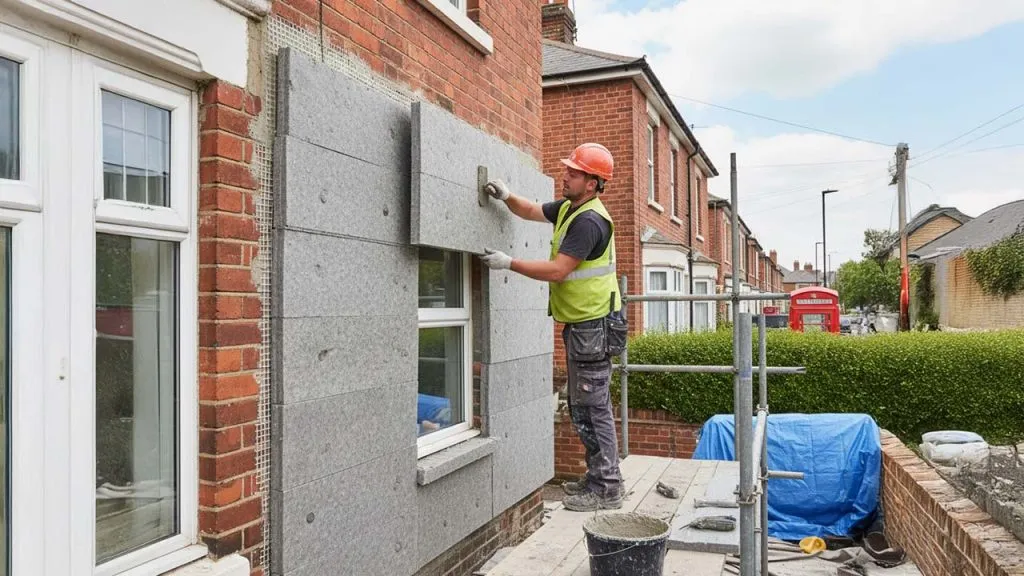
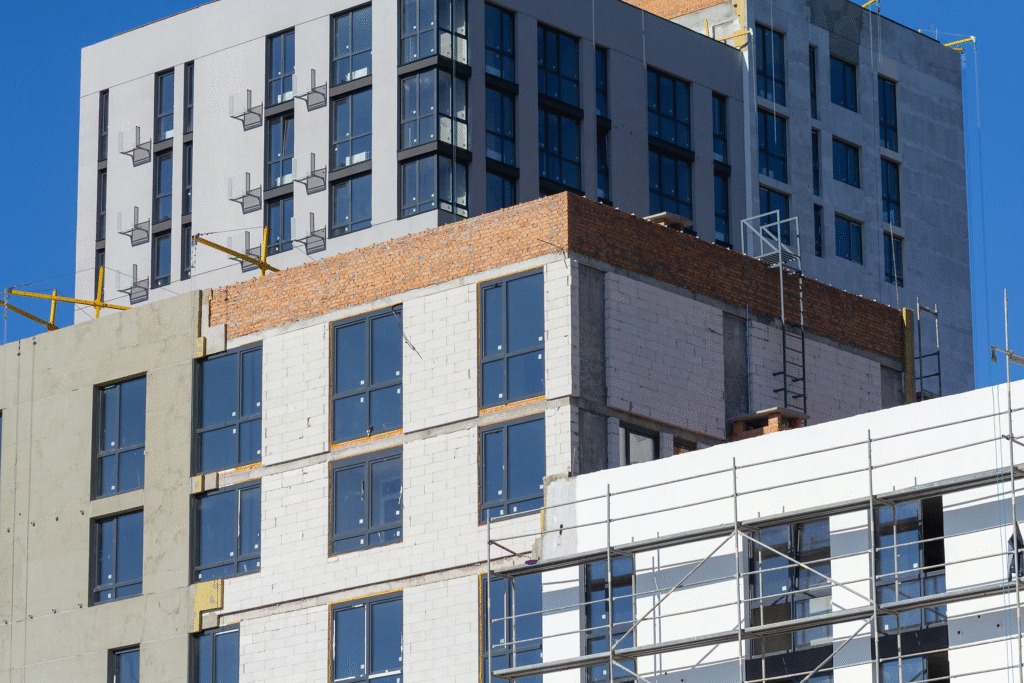
  • Thermal Insulation

    Thermal Insulation

    Thermal insulation is a critical component in modern construction in Pakistan. With rising energy costs and extreme weather conditions, using the right thermal insulation in Pakistan can help reduce energy bills, improve comfort, and protect your building structure.

    Whether you are building a residential home, commercial space, or industrial facility, choosing the right insulation material is essential for long-term efficiency.

    What is Thermal Insulation?

    external wall insulation price in pakistan

    Thermal insulation refers to materials and systems that reduce heat transfer between the inside and outside of a building. It helps maintain indoor temperature by keeping spaces warm during winter and cool in summer.

    Applications of thermal insulation include:

    • Roofs and ceilings
    • Walls and floors
    • HVAC systems
    • Industrial pipelines and storage

    Proper thermal insulation ensures better energy efficiency and reduces electricity consumption.

    Types of Thermal Insulation Materials in Pakistan

    1. Fiberglass Insulation

    • Cost-effective and widely used
    • Suitable for ceilings and walls
    • Lightweight and easy to install

    2. Polyurethane (PU) Foam

    home insulation
    • High thermal efficiency
    • Ideal for roofs and cold storage
    • Long-lasting performance

    3. Expanded Polystyrene (EPS) & Extruded Polystyrene (XPS)

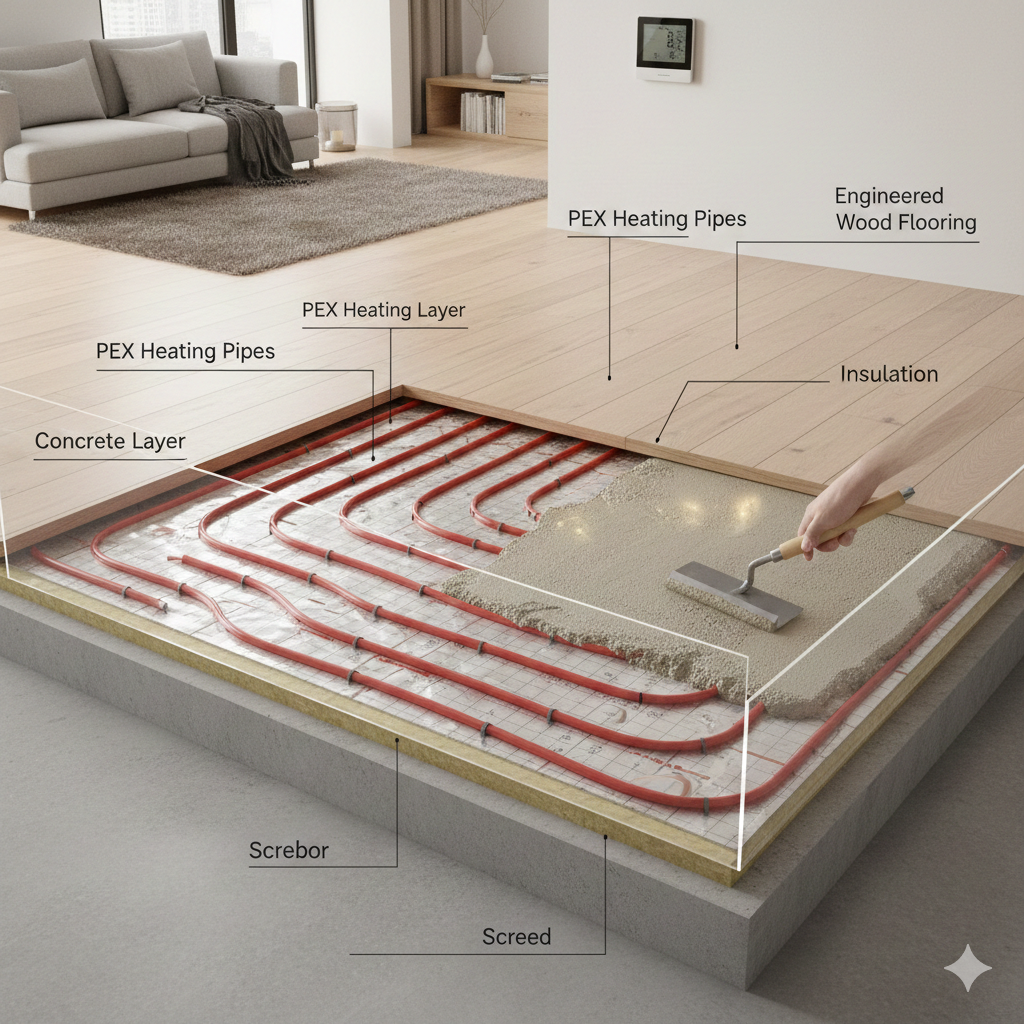
    Underfloor hEating System
    • Moisture-resistant
    • Good for walls and floors
    • Durable and stable under pressure

    4. Mineral Wool / Rock Wool

    Soundproofing Material glasswool vs rockwool
    • Fire-resistant
    • Used in industrial and commercial projects
    • Also provides sound insulation

    Choosing the best thermal insulation in Pakistan depends on your climate, budget, and building requirements.

    Benefits of Thermal Insulation

    • Reduces electricity bills
    • Improves indoor comfort
    • Protects building structure from temperature fluctuations
    • Minimizes environmental impact
    • Increases HVAC efficiency

    Investing in high-quality insulation ensures long-term savings and durability.

    Thermal Insulation Price in Pakistan

    The thermal insulation price in Pakistan varies based on material, thickness, and quality. Typical prices are:

    Material TypeApproximate Price (PKR per sq. ft)
    Fiberglass Insulation80 – 150
    EPS Insulation100 – 200
    XPS Insulation180 – 350
    PU Foam250 – 500
    Rock Wool200 – 400

    The overall thermal insulation in Pakistan price may vary depending on location and supplier.

    Thermal Insulation Services by City

    Thermal Insulation in Lahore

    Lahore has a rapidly growing construction market, offering a variety of thermal insulation in Lahore solutions for residential and commercial buildings.

    Thermal Insulation in Islamabad

    With modern residential and office projects, thermal insulation in Islamabad focuses on energy-efficient solutions and high-performance materials.

    Thermal Insulation in Faisalabad

    As an industrial hub, Faisalabad relies heavily on thermal insulation in Faisalabad for factories, cold storage, and commercial warehouses.

    Thermal Insulation in Multan

    Hot summers in Multan make thermal insulation in Multan essential for reducing cooling costs in homes and businesses.

    Thermal Insulation in Karachi

    Karachi’s humid climate requires moisture-resistant insulation. Many suppliers offer thermal insulation in Karachi suitable for both residential and industrial applications.

    Thermal Insulation Manufacturers and Wholesalers

    Manufacturers

    Local companies operate as thermal insulation manufacturer in Pakistan, producing EPS, PU foam, fiberglass, and XPS materials for domestic and export markets.

    Wholesalers

    For bulk purchases, businesses often work with thermal insulation wholeseller in Pakistan or top thermal insulation wholeseller in Pakistan, which helps reduce costs for large projects.

    Choosing the top thermal insulation in Pakistan ensures quality materials, reliable supply, and competitive pricing.

    Cheap Thermal Insulation in Pakistan – Is It Worth It?

    While cheap thermal insulation in Pakistan may save initial costs, it often comes at the expense of durability and efficiency. For long-term benefits, investing in high-quality materials is recommended.

    Applications of Thermal Insulation

    • Residential homes
    • Commercial buildings
    • Cold storage and warehouses
    • Industrial facilities
    • HVAC and piping systems

    Proper insulation reduces energy consumption and improves indoor comfort across all applications.

    How to Choose the Right Thermal Insulation

    Consider these factors before choosing:

    • Climate conditions (hot, cold, or humid)
    • Budget constraints
    • Building type (residential, commercial, industrial)
    • Fire resistance and safety requirements
    • Moisture resistance

    Selecting the best thermal insulation in Pakistan ensures maximum energy efficiency and long-term savings.

    Conclusion

    Thermal insulation is a vital investment for homes, offices, and industrial buildings in Pakistan. From thermal insulation in Lahore to thermal insulation in Karachi, and across Faisalabad and Multan, high-quality insulation reduces electricity bills, improves comfort, and protects your building.

    Whether you source from a thermal insulation manufacturer in Pakistan or a trusted thermal insulation wholeseller in Pakistan, choosing the right solution is essential for efficiency and durability.

    FAQ’S

    The best thermal insulation in Pakistan depends on your application. PU foam, XPS, and mineral wool are ideal for industrial and commercial buildings, while EPS and fiberglass are cost-effective for residential projects.

    Thermal insulation price in Pakistan ranges from PKR 80 to PKR 500 per sq. ft, depending on the material type, thickness, and supplier.

    You can find thermal insulation in Lahore, Islamabad, Karachi, Faisalabad, and Multan through local contractors, manufacturers, and wholesale suppliers.

    Cheap thermal insulation can reduce upfront costs, but it may have lower efficiency and shorter lifespan. For long-term savings and durability, it’s better to invest in high-quality insulation materials.

  • Fibreglass Insulation Price in Pakistan

    Fibreglass Insulation Price in Pakistan

    Fibreglass insulation has become one of the most commonly used thermal insulation solutions in Pakistan due to its balance of performance, affordability, and availability. Whether used in residential houses, commercial buildings, or industrial sheds, fibreglass insulation plays a key role in controlling indoor temperature and reducing energy costs.

    This guide explains fibreglass insulation price in Pakistan, how it compares with other insulation materials, city-wise trends, and factors that influence overall cost.

    What Is Fibreglass Insulation?

    glasswool with aluminium foil

    Fibreglass insulation is made from fine strands of glass fibers arranged into batts, rolls, or boards. These fibers trap air, slowing down heat transfer and improving thermal efficiency.

    In Pakistan, fibreglass insulation is often referred to interchangeably with glass wool insulation and is widely used for roofs, walls, and ceilings.

    Why Fibreglass Insulation Is Popular in Pakistan

    Fibreglass insulation is widely adopted because it offers:

    • Good thermal resistance at a reasonable cost
    • Easy availability in major cities
    • Lightweight structure
    • Compatibility with residential and commercial buildings

    Due to these advantages, fibreglass insulation remains competitive within the broader thermal insulation price in Pakistan market.

    Fibreglass Insulation Price in Pakistan – Key Factors

    The overall cost of fibreglass insulation depends on several variables:

    • Material density and thickness
    • Installation method
    • Area coverage
    • Project type (roof, wall, ceiling)
    • City-wise labor and supply chain differences

    For projects involving metal structures, steel fibreglass insulation price in Pakistan is often calculated separately because of additional fixing and support requirements.

    Glass Wool Insulation Price in Pakistan

    glasswool insulation in pakistan

    Fibreglass insulation is commonly sold as glass wool. The glass wool insulation price in Pakistan varies based on roll thickness, facing material, and brand quality.

    Glass wool is frequently chosen for roof insulation in houses, factories, and warehouses because it provides effective heat resistance without adding excessive structural load.

    City-Wise Pricing Trends

    Glass Wool Price in Lahore

    The glass wool price in Lahore is generally competitive due to strong supplier availability and high market demand. Lahore-based projects often benefit from better pricing options and quicker material sourcing.

    Glass Wool Price in Rawalpindi

    The glass wool price in Rawalpindi may vary slightly depending on project size and seasonal demand. Pricing is influenced by transportation and local labor costs.

    Glass Wool Insulation in Lahore

    Demand for glass wool insulation in Lahore remains high for residential, commercial, and industrial buildings. It is widely used for both new construction and renovation projects.

    Fibreglass vs Rockwool – Price Perspective

    glasswool vs rockwool

    When comparing insulation options, many buyers evaluate fibreglass against mineral wool. The rockwool insulation price in Pakistan is generally higher than fibreglass due to superior fire resistance and density.

    Fibreglass remains the preferred choice when budget control is a priority, while rockwool is selected for specialized applications requiring higher fire performance.

    Fibreglass Insulation for Roof Applications

    fibreglass insulation for roofs

    Roof insulation is one of the most common uses of fibreglass material. Fibreglass is widely chosen when evaluating roof insulation price in Pakistan, as it offers good performance without significantly increasing construction costs.

    It is suitable for:

    • Residential roofs
    • Industrial sheds
    • Warehouses
    • Commercial buildings

    Where Fibreglass Insulation Is Commonly Used

    Fibreglass insulation is applied in:

    • Houses and apartments
    • Office buildings
    • Factories and warehouses
    • Schools and hospitals
    • Metal and steel structures

    Its versatility allows it to fit a wide range of construction requirements.

    Long-Term Cost Benefits

    While upfront pricing matters, fibreglass insulation provides long-term value by:

    • Reducing cooling energy consumption
    • Improving indoor comfort
    • Extending HVAC system lifespan
    • Lowering overall operational costs

    Over time, these benefits often outweigh the initial investment.

    Choosing the Right Fibreglass Insulation

    When selecting fibreglass insulation, consider:

    • Thickness suitable for local climate
    • Proper vapor barriers
    • Installation quality
    • Intended application (roof, wall, ceiling)

    Correct selection and professional installation are key to achieving expected performance.

    Final Thoughts

    Understanding fibreglass insulation price in Pakistan helps property owners and builders make informed decisions. While prices vary by city, thickness, and application, fibreglass insulation remains one of the most cost-effective thermal insulation solutions available in Pakistan.

    With proper planning, it offers reliable performance, affordability, and long-term energy savings.

    FAQ’S

    Fibreglass insulation price in Pakistan varies depending on thickness, density, and application area. Roof and industrial applications usually cost more due to additional fixing and labor requirements.

    Yes, glass wool insulation is widely used for roof insulation in Pakistan. It helps reduce heat gain, improves indoor comfort, and is suitable for both residential and industrial roofs.

    Fibreglass insulation is generally more affordable than rockwool insulation. Rockwool offers better fire resistance, but fibreglass is often chosen where budget and thermal performance are the main priorities.

    Yes, fibreglass insulation helps lower indoor temperatures by limiting heat transfer, which reduces the load on air conditioning systems and leads to lower electricity bills over time.

  • Thermocol Sheet Installation in Construction

    Thermocol Sheet Installation in Construction

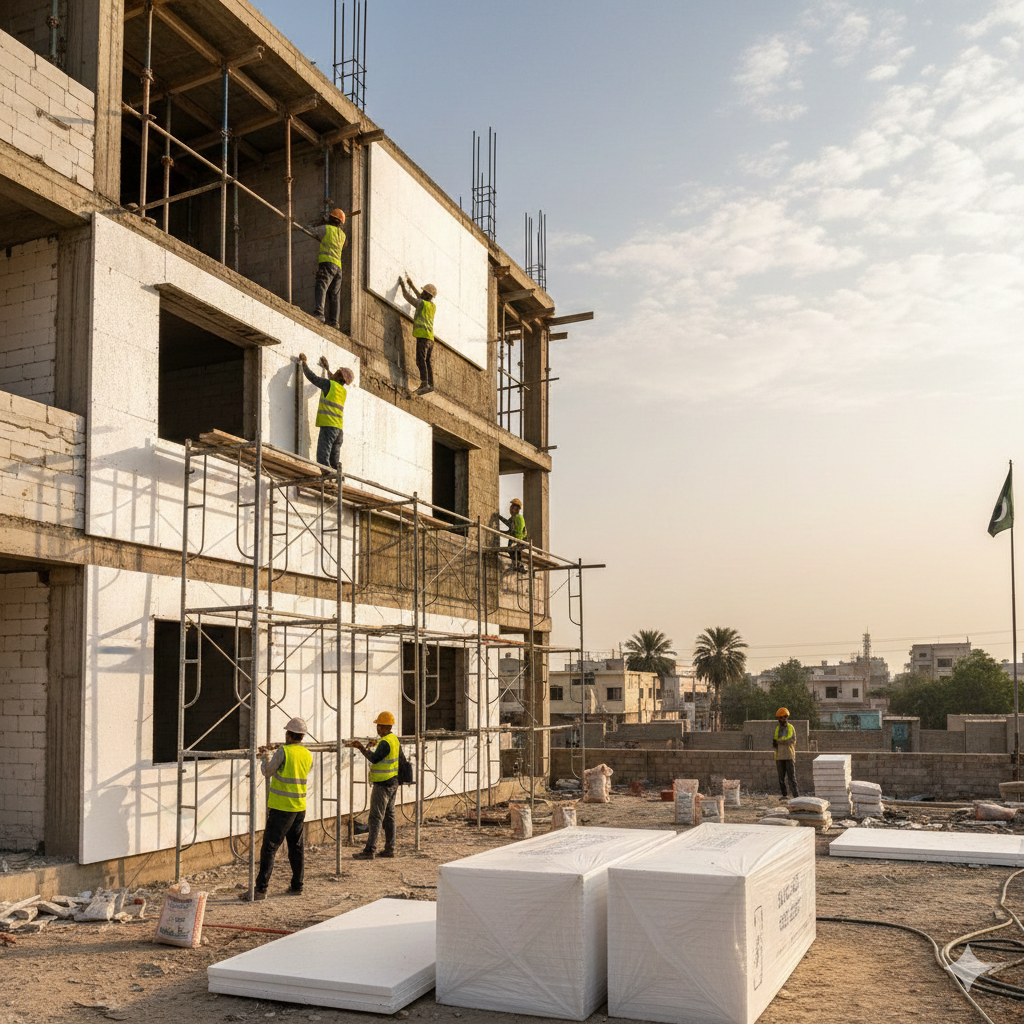
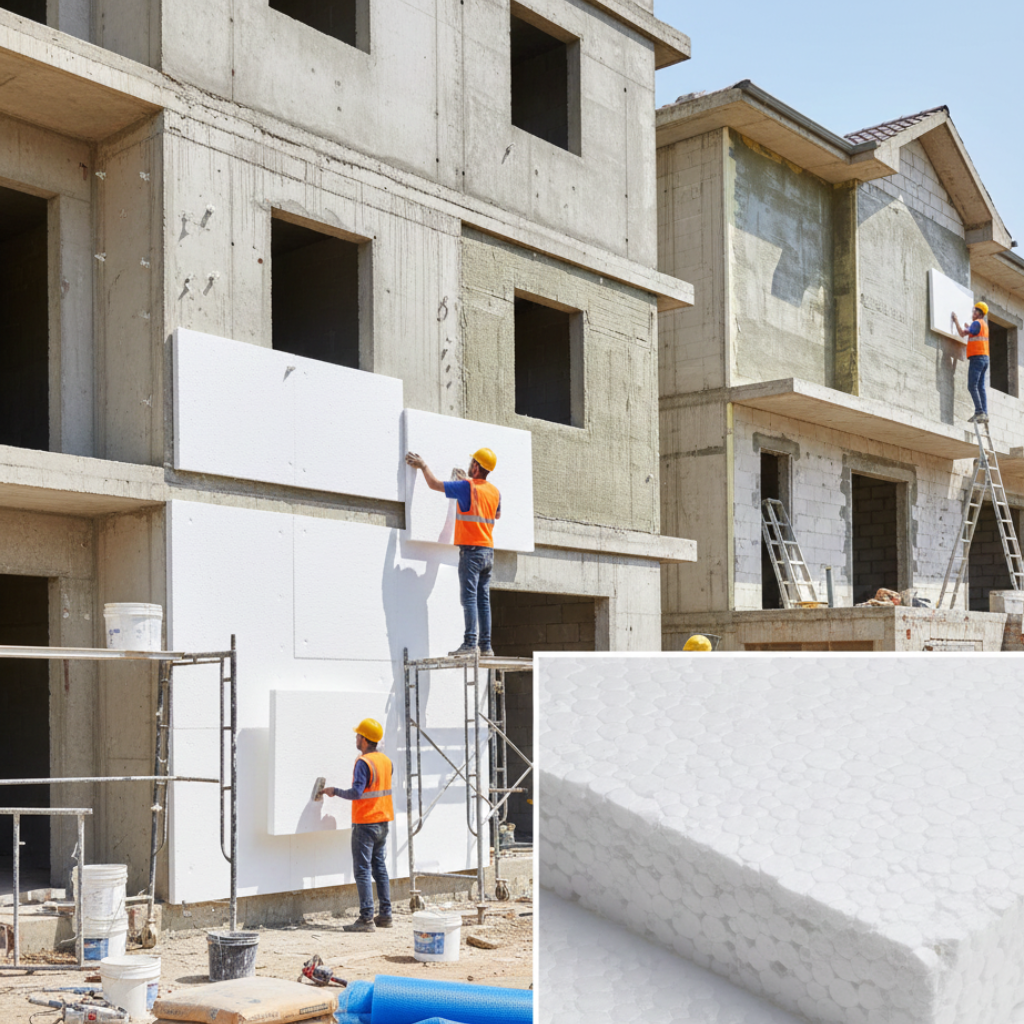
    Thermocol sheets have become a popular choice in modern construction due to their affordability, lightweight structure, and thermal insulation properties. From residential houses to commercial buildings, thermocol sheet installation in construction is widely used to reduce heat transfer and improve indoor comfort.

    This blog provides a complete guide to thermocol usage, pricing, installation methods, and practical considerations specific to Pakistan’s construction industry.

    What Is a Thermocol Sheet?

    EPS Thermal Insulation

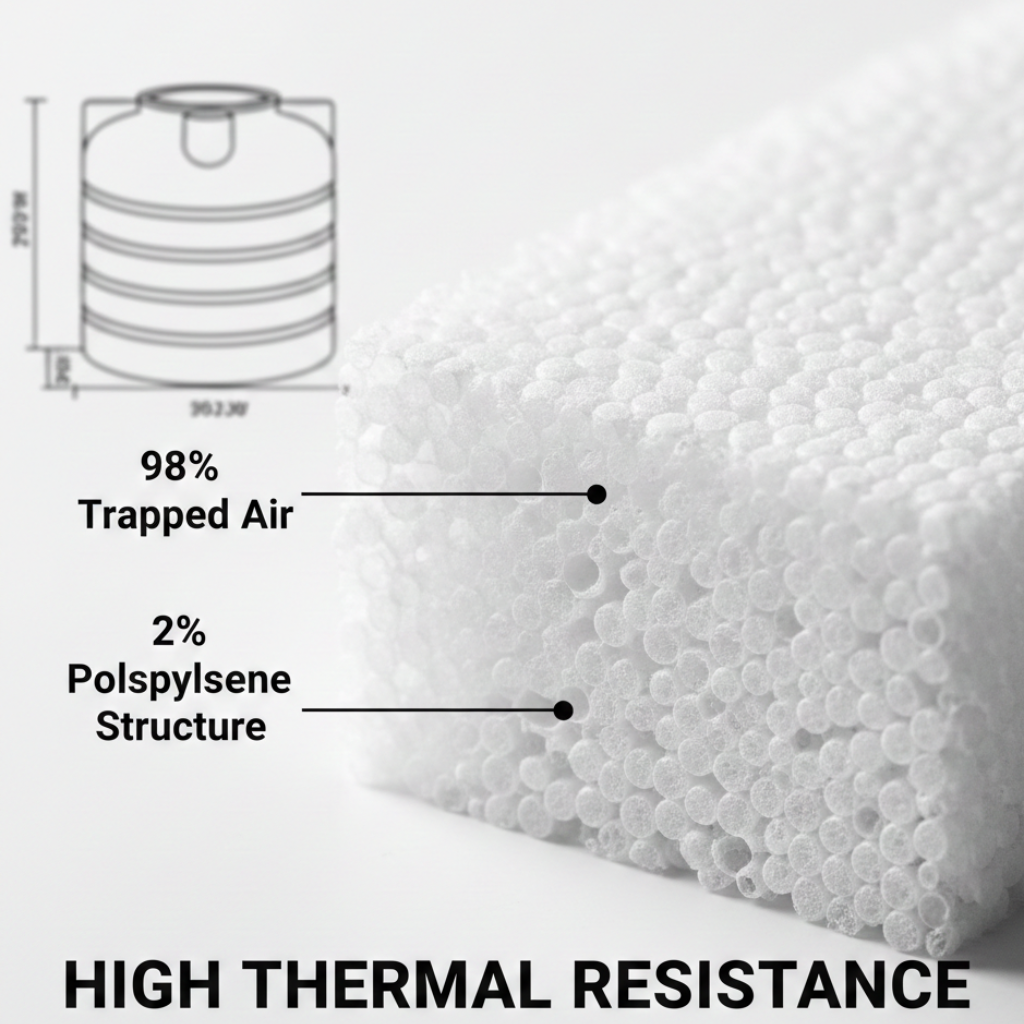
    Thermocol is a type of expanded polystyrene (EPS) insulation material commonly used for thermal insulation. It is lightweight, easy to cut, and simple to install, making it suitable for a wide range of construction applications.

    In local markets, thermocol is often referred to interchangeably with thermopore, which leads many buyers to ask about thermopore or thermocol differences.

    Thermopore or Thermocol – Are They the Same?

    Thermopore and thermocol are both EPS-based materials, but the difference usually lies in brand naming and density. In most construction projects, the terms are used interchangeably, although quality and insulation performance may vary by manufacturer.

    Understanding this distinction helps buyers choose the right material for insulation needs.

    Thermocol Sheet Installation in Construction in Pakistan

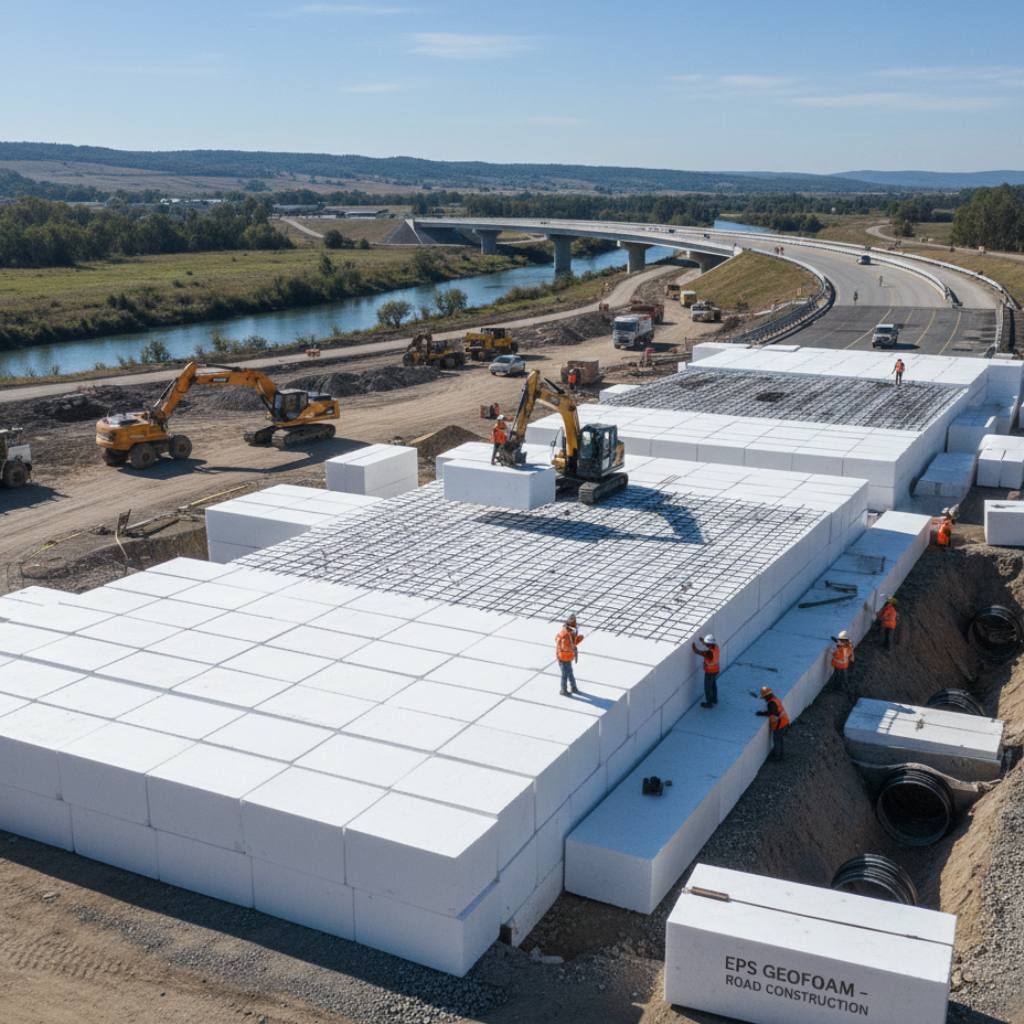
    EPS Geofoam For Road Construction

    Thermocol sheet installation in construction in Pakistan is commonly done for:

    • Roof slab insulation
    • Wall insulation
    • False ceilings
    • Warehouse and shed roofing

    The installation process is straightforward and does not require heavy machinery, which keeps labor costs low.

    Thermocol Sheet Installation in Construction Cost

    ApplicationInstallation Cost (PKR / sq.ft)
    Roof insulation40 – 70
    Wall insulation35 – 60
    Ceiling insulation30 – 55

    Step-by-Step Thermocol Sheet Installation Process

    1. Surface Preparation
      The surface must be clean, dry, and free from dust or loose material.
    2. Sheet Cutting and Placement
      Thermocol sheets are cut according to required dimensions and placed evenly.
    3. Fixing Method
      Sheets are fixed using adhesive, mechanical fasteners, or cement mortar depending on application.
    4. Protective Layer
      A plaster, screed, or waterproof layer is applied to protect the thermocol sheets.

    This method ensures proper insulation performance and durability.

    Thermocol Sheet Installation in Construction Cost

    Thermopore Sheet Installation

    The thermocol sheet installation in construction cost depends on factors such as:

    • Sheet thickness
    • Area covered
    • Fixing method
    • Labor rates

    Overall, thermocol remains one of the most cost-effective insulation options available in Pakistan.

    Thermal Insulation Sheet Price in Pakistan

    When compared to other materials, the thermal insulation sheet price in Pakistan for thermocol is relatively low. This makes it suitable for budget-conscious projects where basic thermal control is required without high investment.

    Thermocol Sheet Price in Pakistan

    The thermocol sheet price in Pakistan varies based on density and thickness. Thicker sheets offer better insulation but come at a slightly higher price. However, even premium thermocol sheets remain affordable compared to advanced insulation systems.

    Thermocol Sheet Price & Installation Cost Table

    Prices are market estimates and may vary by density, thickness, and location.

    🔹 Thermocol Sheet Price in Pakistan

    ThicknessUse CasePrice Range (PKR / sq.ft)
    1 inch (25mm)Wall insulation65 – 90
    1.5 inch (38mm)Roof & wall90 – 120
    2 inch (50mm)Roof insulation120 – 160

    Thermocol Sheet Price in Lahore

    Due to higher demand and better availability, the thermocol sheet price in Lahore is often competitive. Local suppliers offer a wide range of sizes and thickness options for residential and commercial use.

    City-Wise Prices

    CityPrice Trend
    LahoreMost competitive pricing
    KarachiSlightly higher due to moisture protection
    IslamabadPremium rates for finishing quality

    Thermocol Sheet in Lahore – Common Applications

    The use of thermocol sheet in Lahore is common in:

    • Residential roof insulation
    • Commercial building walls
    • Temporary site offices
    • Industrial sheds

    Its easy availability makes it a preferred insulation choice in the city.

    Thermocol Sheet Installation Construction in Karachi

    Because of Karachi’s hot and humid climate, thermocol sheet installation construction in Karachi is mainly focused on roof insulation to reduce heat gain. Moisture protection layers are usually added to enhance performance in coastal conditions.

    Advantages of Thermocol Sheet Installation

    • Lightweight and easy to handle
    • Cost-effective insulation solution
    • Reduces indoor temperature
    • Low installation time
    • Widely available across Pakistan

    These advantages explain why thermocol remains popular in construction projects.

    Limitations of Thermocol Sheets

    • Lower fire resistance compared to mineral wool
    • Requires protective finishing
    • Not suitable for heavy load-bearing applications

    Understanding these limitations helps avoid misuse.

    Where Thermocol Works Best

    Thermocol sheets are ideal for:

    • Residential roofs
    • Partition walls
    • Warehouses
    • Temporary structures

    For high-performance insulation, alternative materials may be considered.

    Final Thoughts

    Thermocol sheet installation in construction offers a practical balance between cost and performance. For builders looking for affordable thermal insulation in Pakistan, thermocol remains a reliable choice when installed correctly and protected with suitable finishing layers.

    Whether for Lahore, Karachi, or other cities, thermocol continues to play an important role in modern construction practices.

    FAQ’S

    Yes, thermocol sheets are widely used for roof insulation in Pakistan because they reduce heat transfer and are lightweight and affordable. Proper waterproofing is recommended for better performance.

    Thermopore and thermocol are both EPS-based insulation materials. The main difference usually lies in brand quality, density, and manufacturing standards rather than material composition.

    When installed correctly and covered with a protective layer, thermocol insulation can last 15–20 years in residential and commercial construction.

    Thermocol is safe for houses when used with proper finishing and fire-safety considerations. It should not be left exposed in living areas.

  • Best Budget Insulation Materials

    Best Budget Insulation Materials

    With rising electricity bills and extreme weather conditions, insulation has become a necessity rather than a luxury. However, many homeowners and builders hesitate due to cost concerns. This is where understanding the best budget insulation materials becomes essential—materials that balance affordability, performance, and durability.

    This guide explains the most economical insulation options available today, focusing on usage in homes, walls, and roofs across Pakistan.

    Why Budget Insulation Matters in Pakistan

    eps xps glasswool for homes

    Pakistan experiences long summers, heat waves, and increasing energy costs. Without insulation, buildings absorb excessive heat, leading to higher cooling expenses. Investing in thermal insulation in Pakistan helps reduce indoor temperature fluctuations while lowering long-term energy bills.

    Budget insulation is not about choosing the cheapest material—it is about choosing the most cost-efficient option over time.

    Understanding Insulation Materials in Pakistan

    The construction market offers several insulation materials in Pakistan, including EPS, XPS, glass wool, mineral wool, foam sheets, and composite panels. Each material differs in cost, insulation performance, and application.

    Budget-friendly insulation materials are those that:

    • Offer acceptable thermal resistance
    • Are easily available locally
    • Require minimal maintenance

    Best Budget Insulation Materials in Pakistan (Overview)

    When comparing options, EPS-based materials, insulation sheets, and lightweight composite solutions are often categorized as best budget insulation materials in Pakistan due to their affordability and wide availability.

    They are commonly used in:

    • Residential houses
    • Warehouses
    • Shops and extensions

    These materials help achieve thermal comfort without high upfront investment.

    Best Budget Insulation Materials for House Construction

    For residential buildings, insulation must be cost-effective, safe, and easy to install. The best budget insulation materials for house projects typically include:

    • Insulation sheets for roofs
    • Lightweight wall insulation systems
    • Basic thermal barriers for ceilings

    These solutions improve indoor comfort and reduce dependency on air conditioners.

    Wall Insulation in Pakistan – Budget-Friendly Options

    sandwich panels installation

    Wall insulation in Pakistan plays a major role in blocking external heat. Budget wall insulation materials are preferred because they:

    • Reduce heat transfer through exterior walls
    • Improve indoor temperature stability
    • Are compatible with new and existing buildings

    Lightweight insulation boards and sheet-based systems are commonly selected for cost control.

    Roof Insulation Price in Pakistan – What to Expect

    Roofs receive the most direct sunlight, making insulation essential. The roof insulation price in Pakistan depends on material type, thickness, and coverage area.

    Budget roof insulation solutions are designed to:

    • Reflect or resist heat
    • Lower indoor temperature
    • Reduce cooling costs

    Choosing the right roof insulation material can significantly improve energy efficiency.

    Thermal Insulation Sheet Price in Pakistan vs Performance

    EPS Geofoam For Road Construction

    When evaluating thermal insulation sheet price in Pakistan, buyers should consider performance rather than just per-unit cost. Insulation sheets are popular because they:

    • Are easy to install
    • Require less labor
    • Offer consistent insulation

    Their affordability makes them suitable for both residential and commercial use.

    Best Budget Insulation Materials in Karachi

    Due to high humidity and coastal heat, Karachi requires insulation that performs reliably in harsh conditions. Best budget insulation materials in Karachi are those that:

    • Resist moisture
    • Handle high temperatures
    • Remain stable over time

    Sheet-based insulation and EPS solutions are commonly used for roofs and walls in the city.

    Thermal Insulation in Pakistan: Long-Term Savings

    Although insulation requires an initial investment, thermal insulation in Pakistan offers long-term financial benefits by:

    • Reducing electricity consumption
    • Lowering cooling system load
    • Increasing building lifespan

    Budget insulation materials deliver these benefits without placing heavy strain on construction budgets.

    Common Mistakes When Choosing Budget Insulation

    Many buyers make avoidable errors such as:

    • Choosing materials only by price
    • Ignoring thickness requirements
    • Overlooking climate conditions

    Understanding available insulation materials in Pakistan helps avoid these mistakes and ensures better results.

    How to Choose the Right Budget Insulation Material

    Before selecting insulation, consider:

    • Building type (house, warehouse, shop)
    • Wall or roof application
    • Local climate
    • Long-term energy savings

    A balanced approach always outperforms the cheapest option.

    Final Thoughts

    Choosing the best budget insulation materials is about maximizing value, not minimizing cost. With the right selection, homeowners and builders can achieve effective insulation, lower energy bills, and improved comfort without exceeding their budget.

    From wall insulation to roof insulation, Pakistan’s market offers affordable solutions that meet both performance and cost expectations.

    FAQ’S

    The best budget insulation materials in Pakistan include EPS sheets, glass wool, and lightweight insulation boards. These materials offer good thermal performance at a lower cost and are widely used in residential and commercial buildings.

    For homes, EPS insulation and glass wool are considered the best budget insulation materials for house construction, especially for roofs and walls where heat gain is highest.

    Roof insulation cost varies by material and thickness, but many budget-friendly options are available. Investing in insulation often reduces long-term electricity expenses.

    Due to heat and humidity, EPS sheets and moisture-resistant insulation boards are among the best budget insulation materials in Karachi.

    Insulation slows heat transfer, keeping indoor temperatures stable. This reduces the need for air conditioning and lowers monthly energy bills.

    Yes, wall insulation plays an important role in thermal comfort. Proper wall insulation helps maintain indoor temperatures and improves overall building efficiency.

    When installed correctly, budget insulation materials can last 15–25 years with minimal maintenance, depending on environmental conditions.

    Yes, affordable insulation materials can deliver effective thermal resistance when selected according to climate, application area, and thickness.

  • Thermopore vs XPS vs Jumbolon

    Thermopore vs XPS vs Jumbolon

    Choosing the right insulation material is one of the most important decisions in construction, especially in regions with extreme temperatures. In Pakistan, Thermopore, XPS, and Jumbolon are among the most commonly used insulation materials. This blog presents a detailed comparison of Thermopore vs XPS vs Jumbolon, helping homeowners, contractors, and builders understand which option suits their needs best.

    Why Comparing Insulation Materials Matters

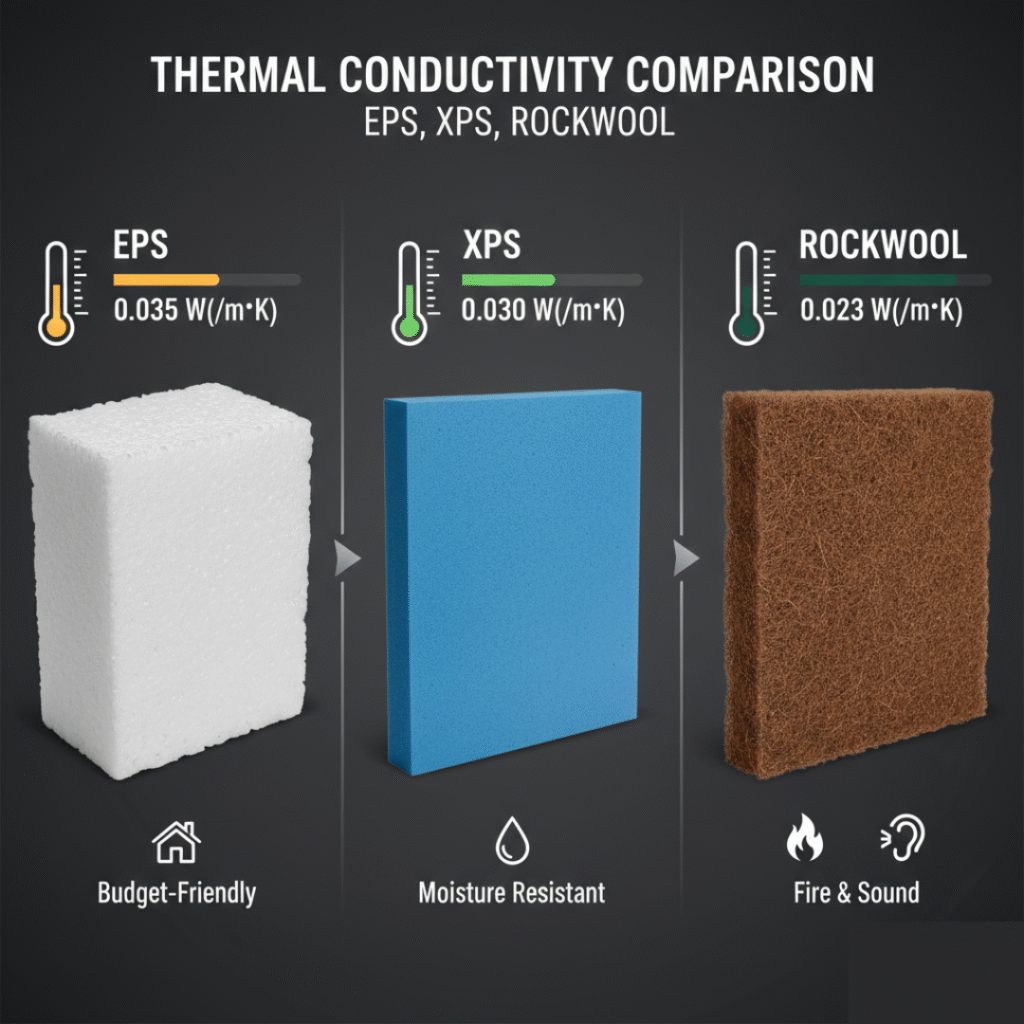
    Thermal Conductivity EPS XPS Rockwool

    Different insulation materials perform differently depending on heat resistance, moisture exposure, durability, and cost. Many people ask thermopore vs xps vs jumbolon which is better, but the answer depends on application, budget, and performance expectations.

    A clear comparison helps avoid long-term energy loss and unnecessary maintenance costs.

    What Is Thermopore Insulation?

    EPS Geofoam For Road Construction

    Thermopore is a lightweight insulation material made from expanded polystyrene. It is commonly used for basic thermal insulation in walls and ceilings.

    Key Features of Thermopore

    • Lightweight and easy to install
    • Provides basic thermal insulation
    • Commonly available in sheet form

    Thermopore sheet insulation is often chosen for low-budget projects where moderate insulation performance is acceptable.

    What Is XPS Insulation?

    jumbolon Insulation for Metal Sheds

    XPS (Extruded Polystyrene) is a high-density insulation board designed for superior thermal resistance and moisture control. It is widely used in roofs, foundations, and floors.

    Why XPS Is Considered Premium

    • Higher compressive strength
    • Excellent moisture resistance
    • Long service life

    In most professional applications, XPS outperforms Thermopore and flexible foams.

    What Is Jumbolon Insulation?

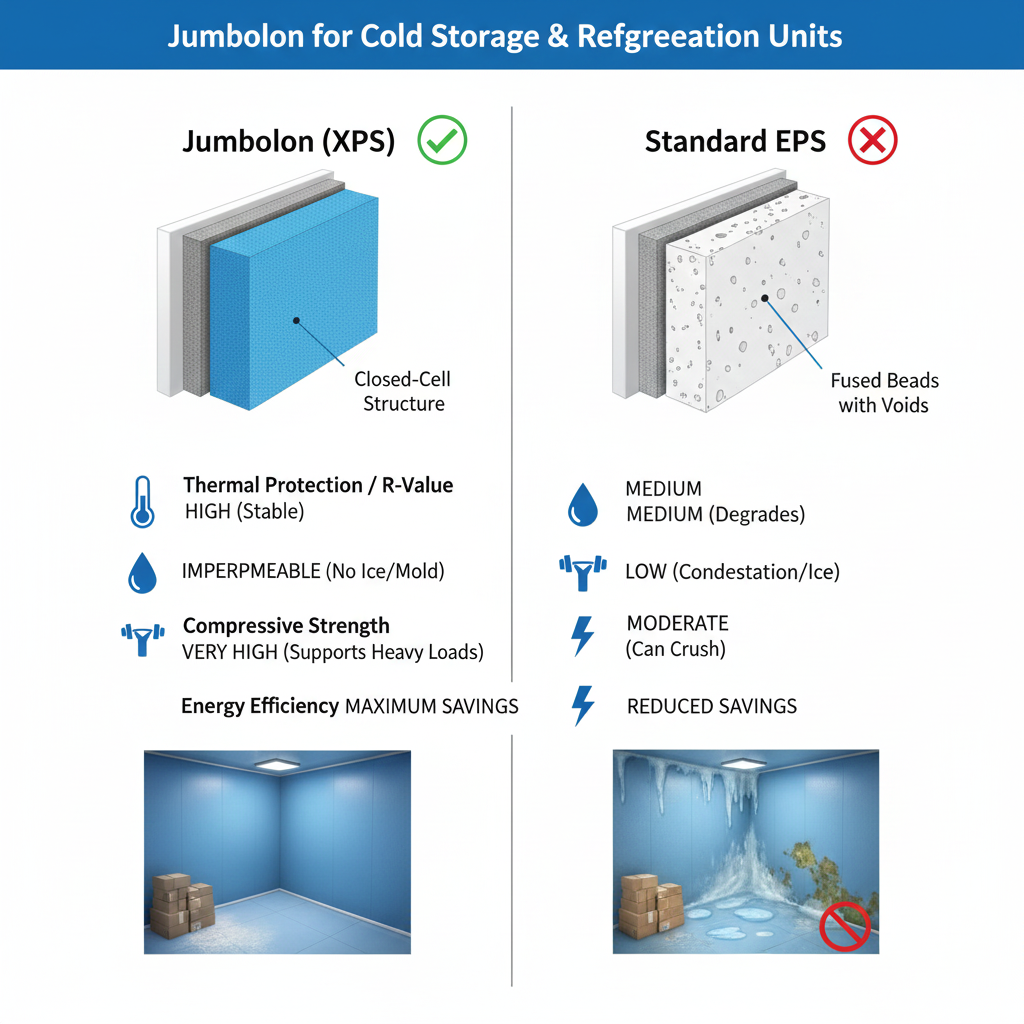
    Jumbolon For Cold Storage Insulation

    Jumbolon is a closed-cell polyethylene foam insulation commonly used for thermal and acoustic purposes. It is flexible, lightweight, and easy to apply in residential and commercial buildings.

    The comparison of jumbolon vs thermopore often comes down to flexibility and ease of installation versus rigidity.

    Performance Comparison: Thermopore vs XPS vs Jumbolon

    Thermal Insulation Performance

    • XPS offers the highest thermal resistance
    • Jumbolon provides moderate insulation with flexibility
    • Thermopore delivers basic thermal protection

    This performance gap is why many ask thermopore vs xps vs jumbolon which is better for long-term use.

    Moisture Resistance

    • XPS resists water absorption extremely well
    • Jumbolon performs well in humid environments
    • Thermopore may absorb moisture over time

    Durability and Strength

    • XPS is structurally strong and load-bearing
    • Jumbolon is flexible but not load-bearing
    • Thermopore is fragile and prone to breakage

    Price Comparison in Pakistan

    Jumbolon Price in Pakistan

    The jumbolon price in pakistan varies depending on thickness, density, and brand. It is generally considered affordable and suitable for residential insulation projects.

    Jumbolon Sheet Price in Pakistan

    The jumbolon sheet price in pakistan depends on sheet thickness and roll size. Thicker sheets naturally cost more but offer better insulation.

    12mm Jumbolon Sheet Price in Pakistan

    The 12mm jumbolon sheet price in pakistan is commonly searched because this thickness is widely used for roof and ceiling insulation due to its balance between cost and performance.

    Thermopore Price

    Thermopore price is usually lower than both XPS and Jumbolon, making it a budget-friendly option for short-term or low-demand insulation needs.

    Overall Jumbolon Price Comparison

    When evaluating overall jumbolon price, it sits between Thermopore and XPS, offering a good balance of flexibility, insulation, and affordability.

    Best Use Cases for Each Material

    When to Use Thermopore

    • Low-budget construction
    • Temporary insulation needs
    • Non-load-bearing areas

    Use of XPS

    • Roof insulation
    • Foundations and floors
    • Long-term energy-efficient buildings

    When to Use Jumbolon

    • Residential roofs and ceilings
    • Acoustic insulation
    • Areas requiring flexible insulation

    Final Verdict: Which One Should You Choose?

    There is no single answer to thermopore vs xps vs jumbolon which is better. The right choice depends on your specific needs:

    • Choose XPS for maximum durability and thermal performance
    • Choose Jumbolon for flexible, cost-effective insulation
    • Choose Thermopore for basic, low-cost applications

    Understanding the difference between jumbolon vs thermopore and comparing them with XPS ensures you invest in the right insulation solution.

    Conclusion

    Comparing Thermopore vs XPS vs Jumbolon helps builders and homeowners make informed insulation decisions. While XPS delivers premium performance, Jumbolon offers flexibility and affordability, and Thermopore remains a basic insulation choice for budget projects.

    Selecting the right material today can lead to better comfort, lower energy bills, and long-term savings.

    FAQ’S

    The better option depends on usage. XPS offers the best thermal performance and durability, Jumbolon provides flexible and cost-effective insulation, while Thermopore is suitable for basic and low-budget applications.

    Jumbolon is flexible and moisture-resistant, while Thermopore is rigid and more fragile. Jumbolon is better for roofs and ceilings, whereas Thermopore is mainly used for basic wall insulation.

    Yes, XPS is generally better than Thermopore for roofs because it has higher compressive strength, better moisture resistance, and longer service life.

    Jumbolon price in Pakistan depends on thickness, density, sheet size, and brand. Thicker sheets usually provide better insulation and cost more.

    The jumbolon sheet price in Pakistan varies by thickness and quality. Standard sheets are more affordable, while thicker insulation sheets cost slightly higher.

    The 12mm jumbolon sheet price in Pakistan is popular because this thickness offers a good balance between insulation performance and affordability for residential roofs.

    Thermopore can be used for short-term or low-load applications. For long-term durability and higher insulation performance, XPS or Jumbolon is generally recommended.

    XPS performs best in moisture-prone areas due to its closed-cell structure, while Jumbolon also performs well. Thermopore may absorb moisture over time.

  • Jumbolon vs Glasswool – Which Gives More Heat Reduction?

    Jumbolon vs Glasswool – Which Gives More Heat Reduction?

    n Pakistan’s hot climate, effective insulation is key to maintaining cool and energy-efficient homes and commercial spaces. Two popular insulation options are Jumbolon sheets and Glasswool insulation. Understanding their thermal performance, pricing, and applications can help you choose the right material for maximum heat reduction.

    This guide compares Jumbolon vs Glasswool in terms of heat reduction, cost, durability, and installation, with insights specific to Pakistan’s market.

    What Is Jumbolon Insulation?

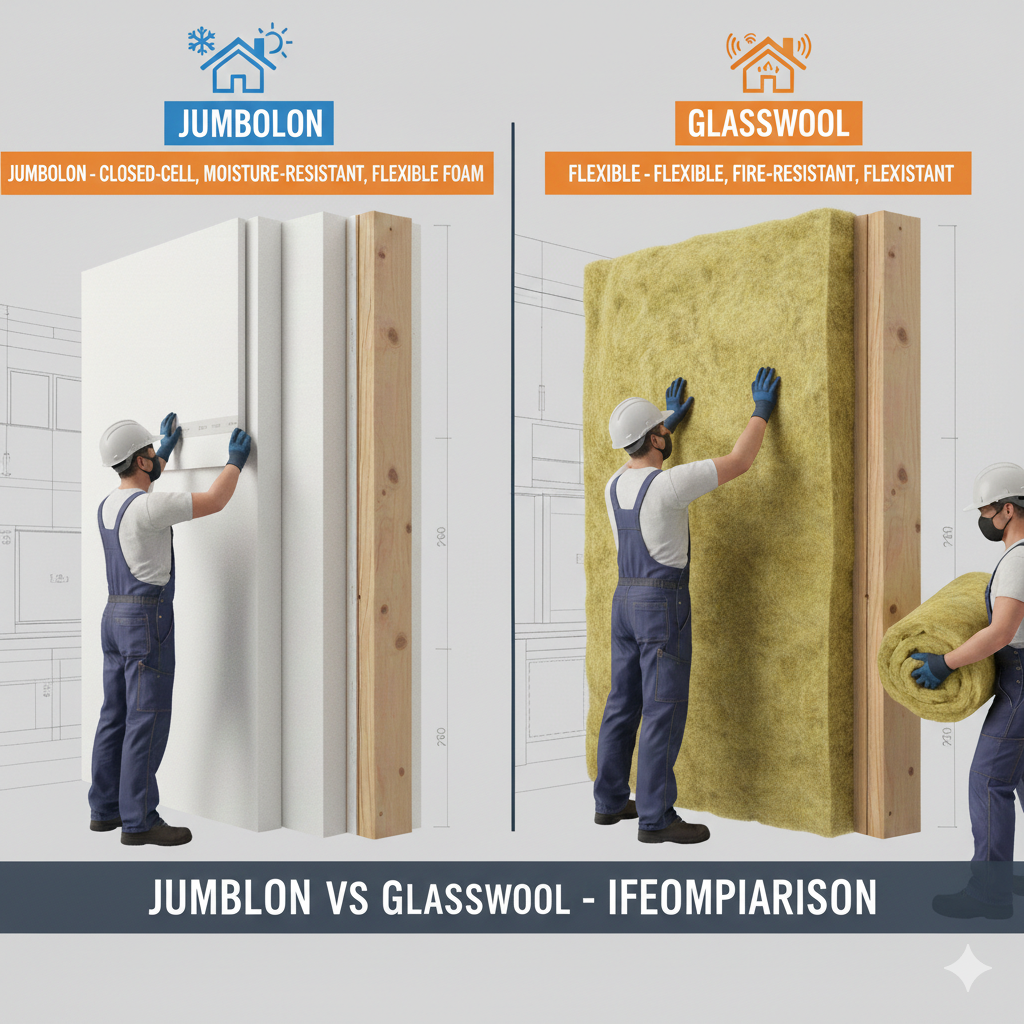
    home insulation

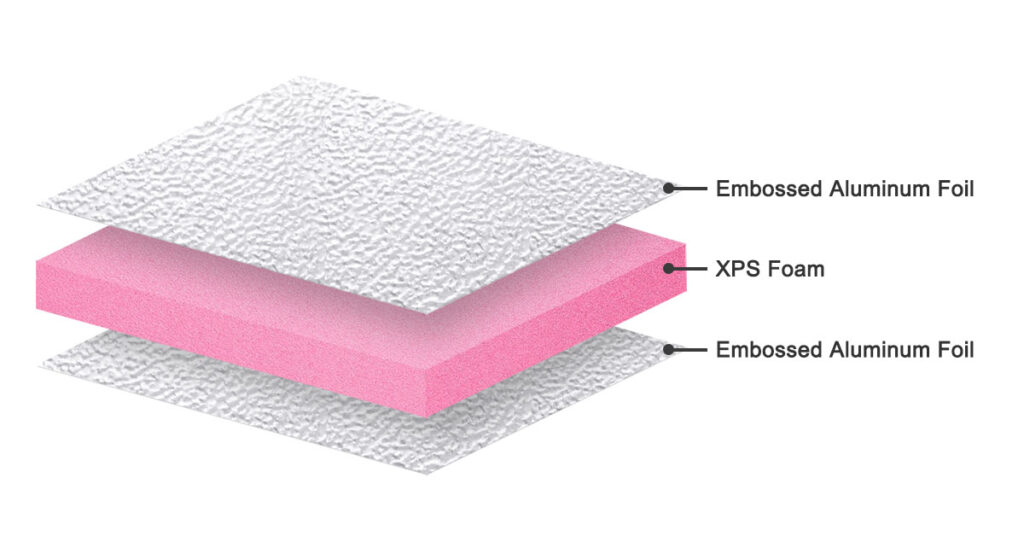
    Jumbolon sheets are closed-cell polyethylene foam sheets, often laminated with reflective aluminum foil. They act as a thermal barrier, preventing heat from penetrating walls, roofs, and ceilings.

    Key features:

    • Lightweight and easy to install
    • Excellent thermal insulation due to air-trapped bubbles
    • Flexible and resistant to moisture
    • Available in various thicknesses and sizes

    Popular specifications in Pakistan:

    • Jumbolon sheet size: Typically 1m x 2m per sheet
    • 12mm Jumbolon sheet price in Pakistan: Competitive, varies by supplier
    • Diamond Jumbolon sheet price: Premium variant with enhanced thermal resistance

    What Is Glasswool Insulation?

    Glasswool Sheet For Soundproofing

    Glasswool insulation is made from spun glass fibers, forming a fibrous blanket that traps air. It is widely used in ceilings, walls, and ducts to reduce heat transfer.

    Key features:

    • High thermal efficiency
    • Fire-resistant
    • Sound-absorbing properties
    • Lightweight and easy to handle

    Glasswool is available in rolls and blankets, and its performance depends on thickness and density.

    Jumbolon vs Glasswool – Heat Reduction Comparison

    FeatureJumbolonGlasswool
    Thermal ResistanceHigh due to reflective foil and closed-cell structureModerate to High depending on density
    Moisture ResistanceExcellent, closed-cell prevents water absorptionCan absorb moisture if foil-faced layer is not used
    InstallationEasy, cuts and fits walls, roofs, and ceilingsRequires careful handling and protective gear
    Noise ReductionMinimalGood, absorbs sound effectively
    LifespanLong-lasting, resistant to saggingLong-lasting but may settle over time
    Heat Reduction EfficiencyUp to 80% for roofs and ceilingsUp to 60–70% depending on thickness

    Conclusion: Jumbolon provides slightly better heat reduction than Glasswool for direct roof and wall applications, especially in high-temperature regions.

    Pricing Insights in Pakistan

    Jumbolon sheet price in Pakistan varies depending on thickness, size, and supplier:

    • Jumbolon roll: Available in bulk for large projects
    • Jumbolon sheet price in Karachi: Slightly higher due to demand and shipping costs
    • 12mm Jumbolon sheet price in Pakistan: Around average market rate
    • Diamond Jumbolon sheet price: Premium option for higher thermal resistance

    Glasswool prices are generally lower, but may require additional vapor barriers to prevent moisture issues.

    Jumbolon vs Thermopore

    Jumbolon is often compared to thermopore insulation:

    • Jumbolon vs Thermopore: Both are foam-based, but Jumbolon with foil offers superior heat reflection, making it more effective for roofs and ceilings in Pakistan’s climate.

    Applications of Jumbolon and Glasswool

    Jumbolon:

    • Roof insulation in homes and offices
    • Ceiling insulation in warehouses and factories
    • Wall insulation with foil facing

    Glasswool:

    • HVAC duct insulation
    • Soundproofing walls and ceilings
    • Residential and commercial roof insulation

    Conclusion

    Choosing between Jumbolon and Glasswool depends on your insulation priorities. For maximum heat reduction in hot climates, Jumbolon sheets—especially foil-faced variants—offer better performance and moisture resistance. Glasswool remains a versatile option for thermal and acoustic insulation, particularly in areas with moderate temperatures.

    By considering Jumbolon sheet price in Pakistan, sheet size, thickness, and specific application areas, you can achieve effective insulation while optimizing cost and energy savings.

    FAQ’S

    Jumbolon provides superior heat reduction for roofs and ceilings due to its closed-cell structure and reflective foil, while Glasswool performs well in moderate temperatures and offers soundproofing benefits.

    Yes, foil-faced Jumbolon sheets reflect heat effectively, making them more suitable for hot climates like Pakistan, whereas Glasswool is better for walls, ducts, and acoustic insulation.

    The price varies depending on thickness and type, with 12mm sheets being more affordable and diamond Jumbolon sheets slightly higher for enhanced thermal performance.

    Yes, if not properly foil-faced or installed with a vapor barrier, Glasswool can absorb moisture, reducing its thermal efficiency.

    Yes, Jumbolon sheets are lightweight, flexible, and easy to cut, making installation faster and cleaner than Glasswool, which requires careful handling and protective equipment.

  • Aluminium Foil vs Reflective Paint – What’s Better?

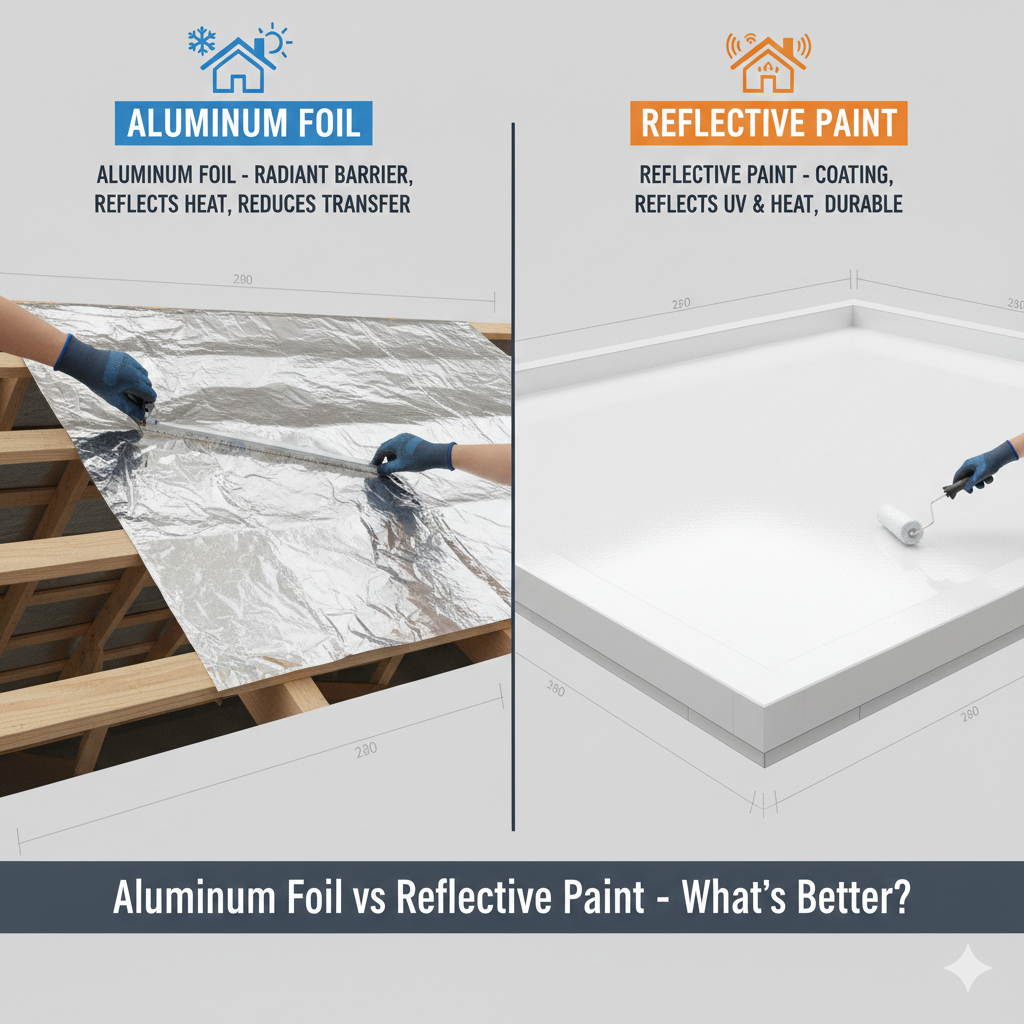
    Aluminium Foil vs Reflective Paint – What’s Better?

    Heat control has become a major concern for homes, warehouses, and commercial buildings, especially in regions with long summers and high solar exposure. Two commonly used solutions for heat management are aluminium foil insulation and reflective paint. While both aim to reduce heat gain, their working principles, effectiveness, and durability differ significantly.

    This guide provides a clear comparison of aluminium foil vs reflective paint, helping you choose the right option based on performance, application, and long-term value.

    Understanding Heat Reflection in Buildings

    Before comparing materials, it is important to understand how heat enters a structure. Solar radiation transfers heat through roofs and walls mainly by radiation and conduction. Materials that reflect radiant heat can significantly reduce indoor temperature rise and improve thermal comfort.

    Both aluminium foil and reflective coatings are designed to limit heat absorption, but they achieve this in different ways.

    What Is Aluminium Foil Insulation?

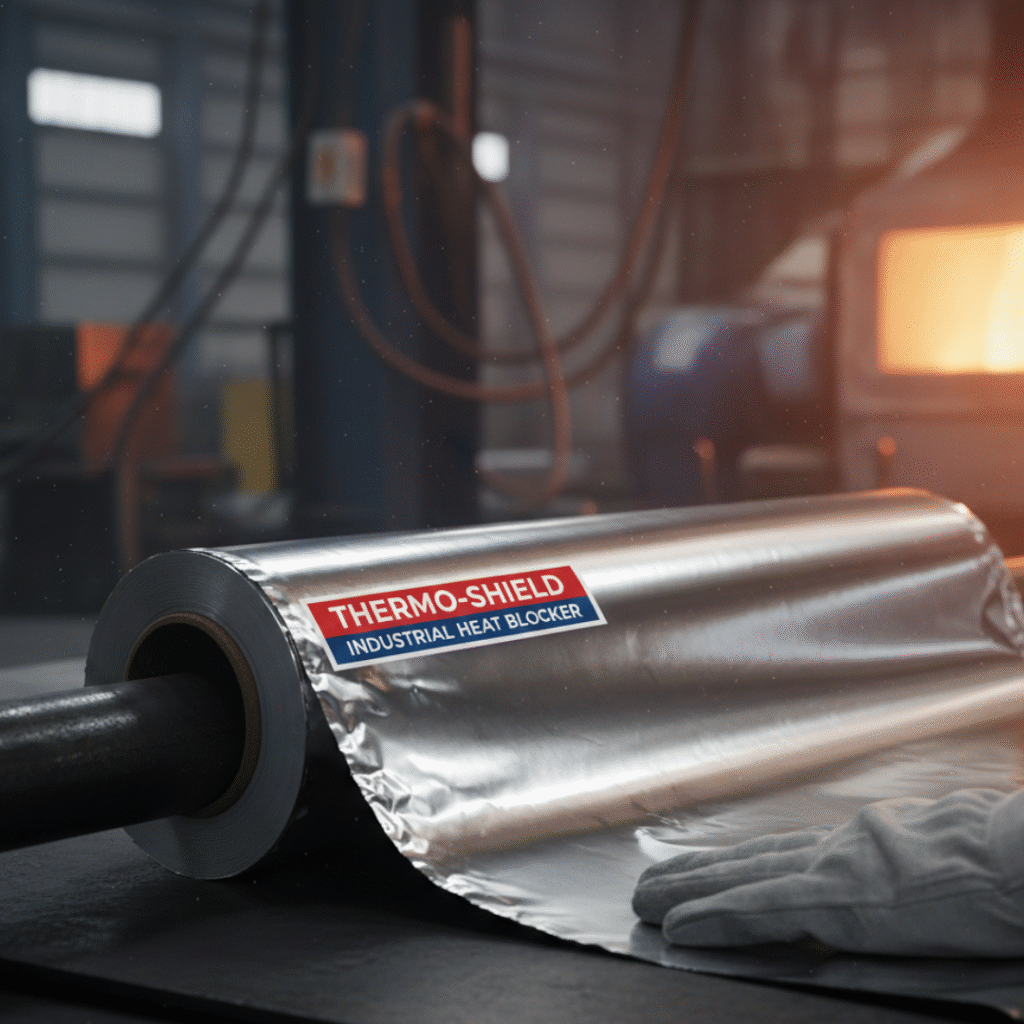
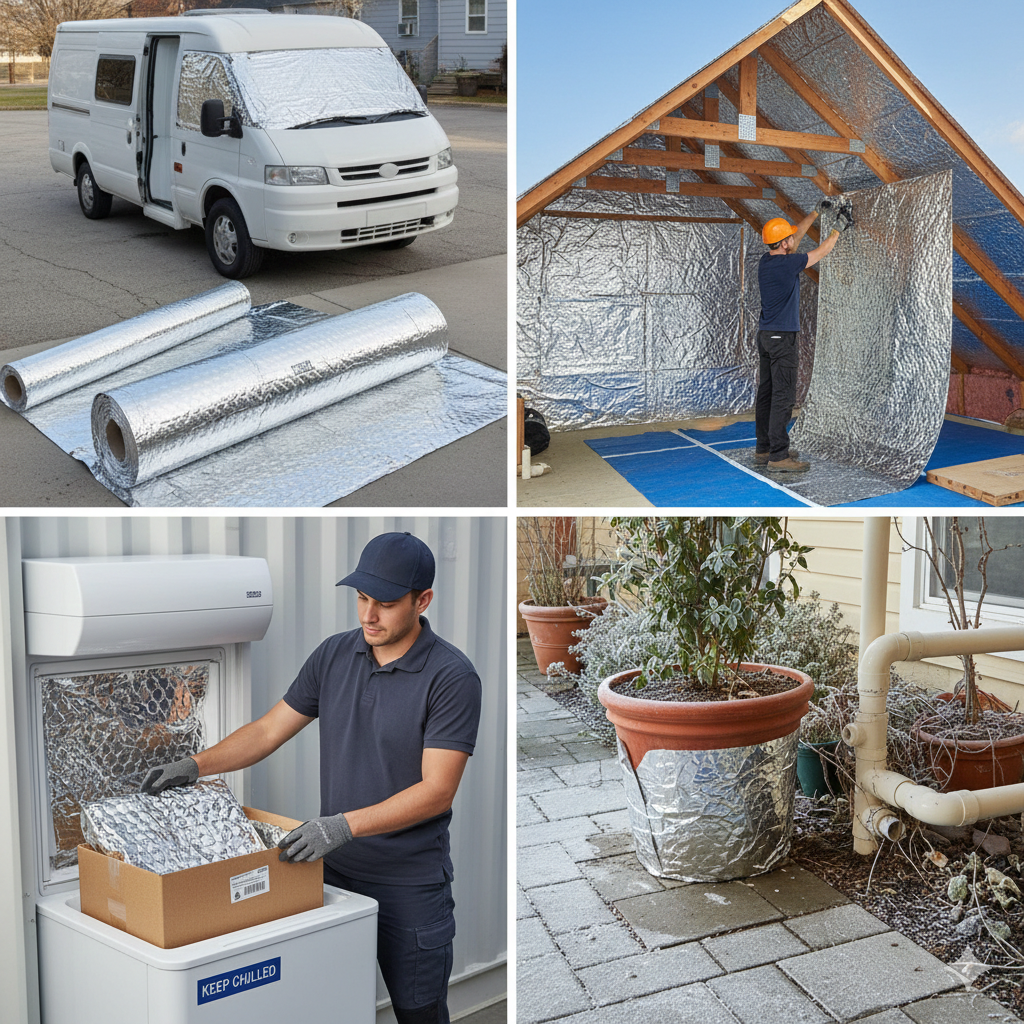
    Aluminium Foil Sheet for Thermal Insulation

    Aluminium foil insulation is a thin, metallic sheet designed to reflect radiant heat rather than absorb it. Due to its high reflectivity, it is widely used in roofs, walls, attics, and industrial applications.

    Aluminium foil for reflecting light and heat works by bouncing radiant energy back toward its source, reducing heat transfer into living spaces. When installed correctly with an air gap, it can block a significant portion of radiant heat.

    What Is Reflective Paint?

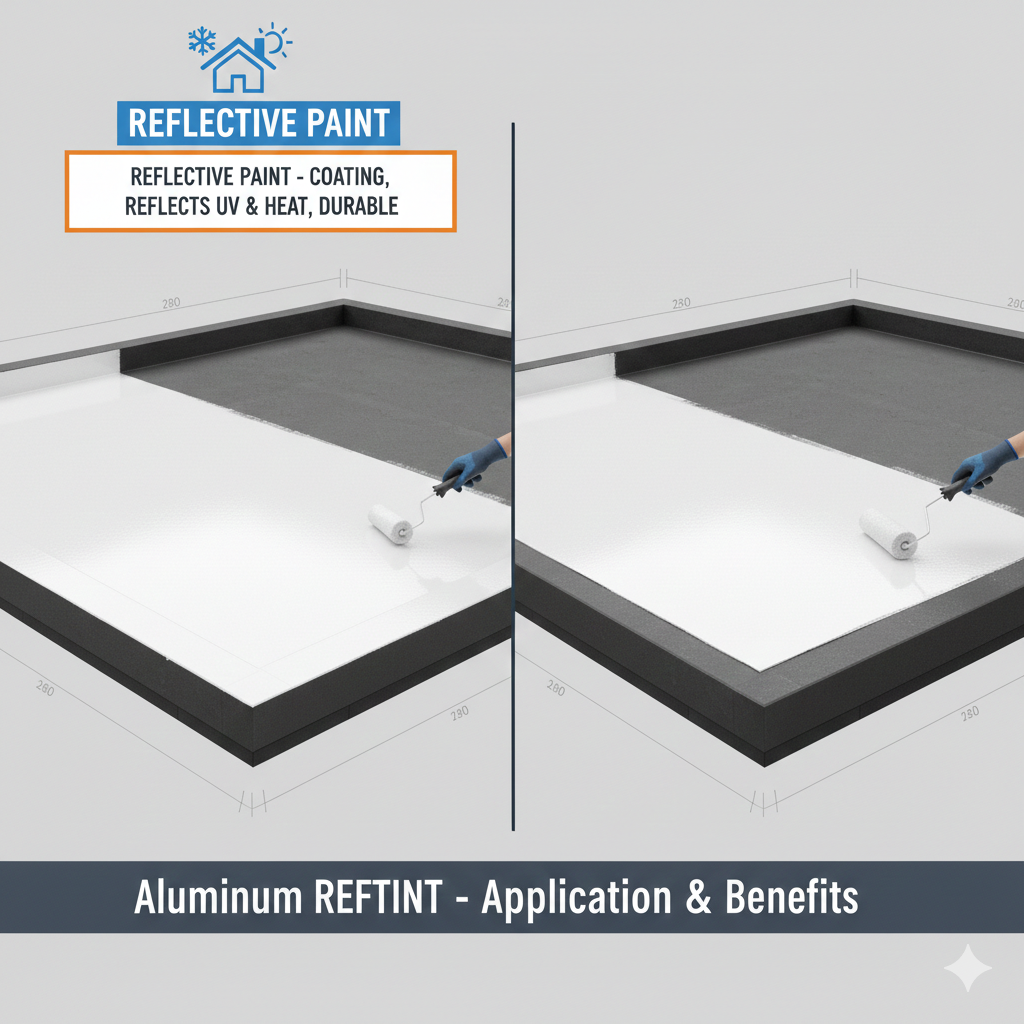
    Reflective Paint

    Reflective paint is a liquid coating applied directly to roofs or walls. It contains reflective pigments that reduce surface temperature by reflecting sunlight. While it can lower heat absorption to some extent, its effectiveness depends heavily on surface preparation, coating thickness, and long-term exposure to weather.

    Reflective paint mainly reduces surface heat but offers limited resistance to radiant heat transfer compared to foil-based systems.

    Aluminium Foil vs Reflective Paint: Core Differences

    1. Heat Reflection Performance

    When comparing aluminium foil vs reflective paint, foil provides a higher level of radiant heat reflection. Aluminium surfaces naturally reflect a large percentage of thermal radiation, whereas reflective paints lose efficiency over time due to dust, fading, and surface wear.

    2. Durability & Lifespan

    Aluminium foil insulation remains stable for years when protected from mechanical damage. Reflective paint, on the other hand, requires periodic reapplication as its reflective properties degrade with weather exposure.

    3. Installation Method

    Aluminium foil sheets are mechanically fixed under roofing materials or inside wall systems. Reflective paint is brush- or spray-applied, which may seem simpler but often requires multiple coats for effectiveness.

    4. Long-Term Cost Efficiency

    Although reflective paint may appear cheaper initially, aluminium foil for heat proofing generally delivers better long-term value due to minimal maintenance and consistent performance.

    Aluminium Foil for Heat Proofing Applications

    Aluminium foil is commonly used in:

    • Roof insulation systems
    • Attic heat barriers
    • Wall insulation layers
    • Industrial sheds and warehouses

    Its ability to reflect radiant heat makes it especially effective in hot climates where roofs receive direct sunlight for extended periods.

    How to Make Aluminium Foil More Reflective

    The reflective performance of foil depends on proper installation and surface condition. How to make aluminium foil more reflective includes:

    • Keeping the foil surface clean and dust-free
    • Installing it with an air gap for radiant heat reflection
    • Avoiding contact with rough surfaces that dull the finish

    When these factors are considered, aluminium foil maintains high reflectivity for years.

    Reflective Paint: Where It Works Best

    Reflective paint can be suitable for:

    • Temporary heat reduction solutions
    • Surfaces where insulation layers cannot be installed
    • Low-budget or short-term projects

    However, its effectiveness reduces over time due to weathering and dirt accumulation.

    Performance Comparison Table

    FeatureAluminium FoilReflective Paint
    Radiant Heat ReflectionVery HighModerate
    DurabilityLong-termRequires reapplication
    MaintenanceMinimalRegular maintenance
    InstallationSheet-basedSurface coating
    Heat Proofing EfficiencyExcellentLimited

    Which Option Is Better for Long-Term Use?

    For long-term heat control, aluminium foil insulation offers superior performance. The aluminium foil vs reflective paint comparison clearly shows that foil-based systems provide better radiant heat blocking, longer lifespan, and stable results when installed correctly.

    Reflective paint may serve as a temporary solution, but it cannot match the thermal consistency of aluminium foil systems.

    Conclusion

    Both aluminium foil and reflective paint aim to reduce heat gain, but they are not equal in performance. Aluminium foil delivers higher radiant heat reflection, better durability, and stronger heat proofing results. Reflective paint can help reduce surface temperature but lacks long-term efficiency.

    For buildings exposed to intense heat, aluminium foil insulation remains the more reliable and effective solution.

    FAQ’S

    Aluminium foil provides a higher reflective efficiency for radiant heat, while reflective paint can reduce heat absorption on surfaces. For maximum heat proofing, aluminium foil is generally more effective.

    Aluminium foil reflects up to 95% of radiant light due to its shiny surface, making it useful for both heat management and lighting efficiency in homes or commercial spaces.

    Yes, cleaning the surface, ensuring it’s flat, and using multiple layers can improve aluminium foil reflectivity, enhancing its ability for heat proofing and light reflection.

    Reflective paint can reduce heat absorption but doesn’t reflect as efficiently as aluminium foil. It is best for aesthetic surfaces or moderate heat reduction, whereas foil is better for intensive insulation needs.

    Yes, using reflective paint over aluminium foil can provide added protection and durability, combining the heat-reflective properties of foil with the surface protection of paint.

    Aluminium foil for heat proofing is available at local hardware stores, insulation suppliers, and online marketplaces. Search for “aluminium foil for heat proofing near me” for options in your city.

  • Bubble Aluminium Foil Insulation Guide

    Bubble Aluminium Foil Insulation Guide

    Rising temperatures and increasing energy costs have made thermal insulation an essential part of modern construction. Among lightweight and cost-effective solutions, Bubble Aluminium Foil Insulation has gained strong popularity for roofs, walls, and windows. This guide explains how it works, where it performs best, and how to evaluate quality and pricing before making a purchase.

    What Is Bubble Aluminium Foil Insulation?

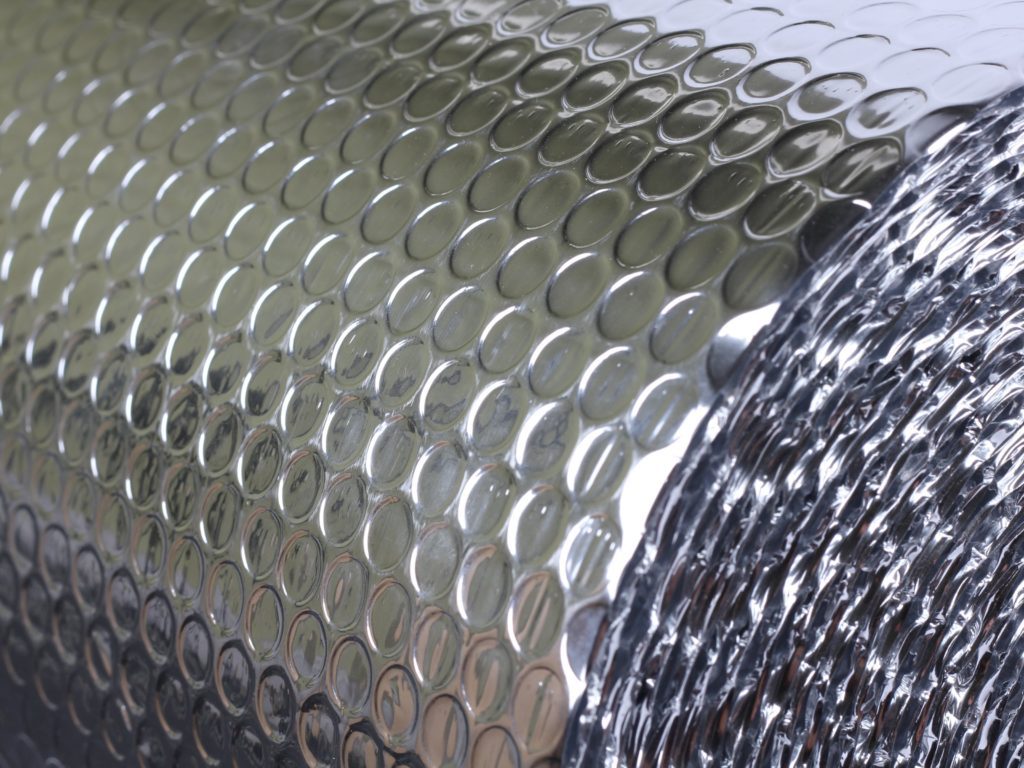
    bubble aluminium foil insulation in pakistan

    Bubble aluminium foil insulation is a How Bubble Aluminium Foil Insulation Works

    The performance of bubble foil insulation is based on two mechanisms:

    • Radiant heat reflection through aluminium foil surfaces
    • Air entrapment inside bubbles that reduces conductive heat flow

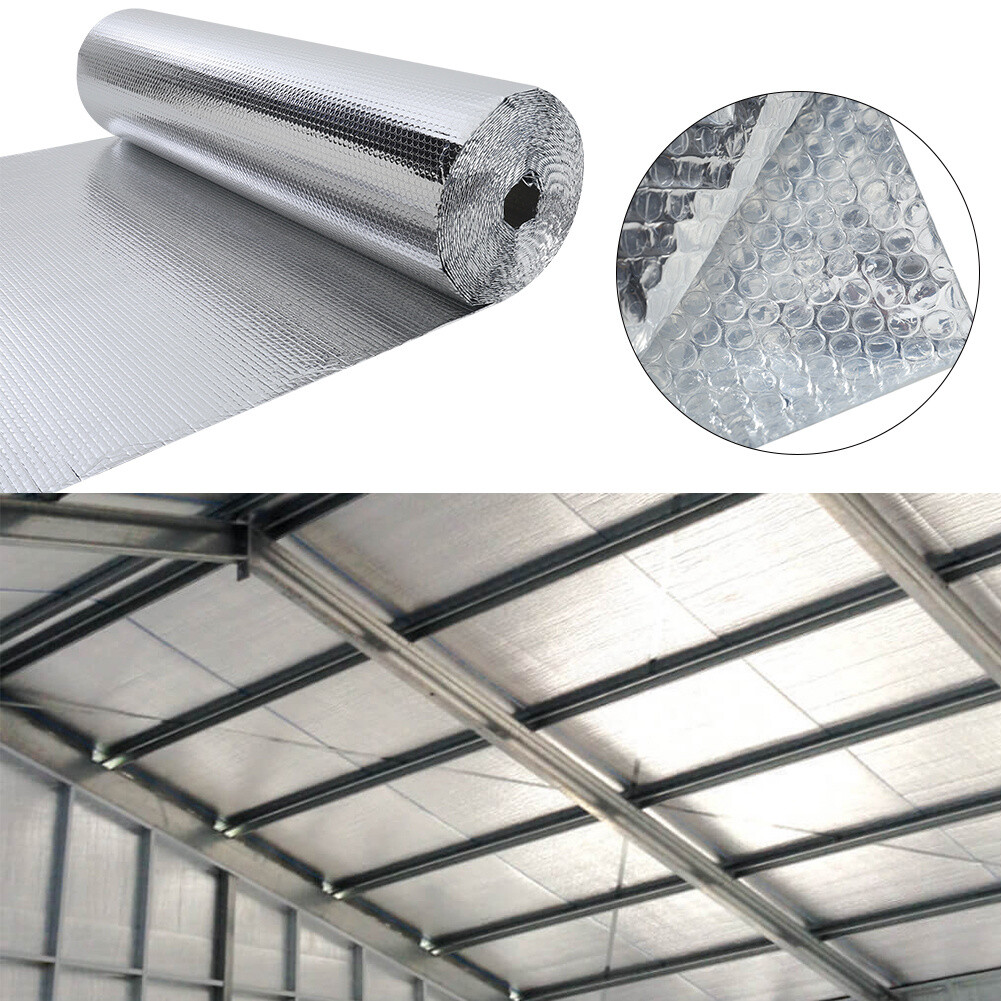
    This dual-action approach helps control indoor temperatures during extreme weather, especially in hot climates.multi-layer insulation material made by combining air-filled bubble layers with reflective aluminium foil surfaces. The trapped air bubbles slow down heat transfer, while the foil reflects radiant heat away from the building.

    This structure allows thermal insulation to work efficiently without adding heavy load to roofs or walls, making it suitable for residential, commercial, and industrial use.

    Key Benefits of Bubble Aluminium Foil Insulation

    1. Effective Thermal Control

    Bubble foil significantly reduces heat gain in summer and heat loss in cooler months, improving indoor comfort throughout the year.

    2. Lightweight & Easy Installation

    Unlike rigid insulation boards, bubble insulation is flexible and easy to cut, fold, and install on roofs, walls, and ceilings.

    3. Moisture & Condensation Resistance

    Aluminium foil surfaces act as a moisture barrier, reducing condensation risks in humid environments.

    4. Space-Saving Insulation Solution

    Because of its thin profile, bubble foil is ideal where space limitations make thick insulation impractical.

    Best Bubble Aluminium Foil Insulation Applications

    Roof Heat Protection

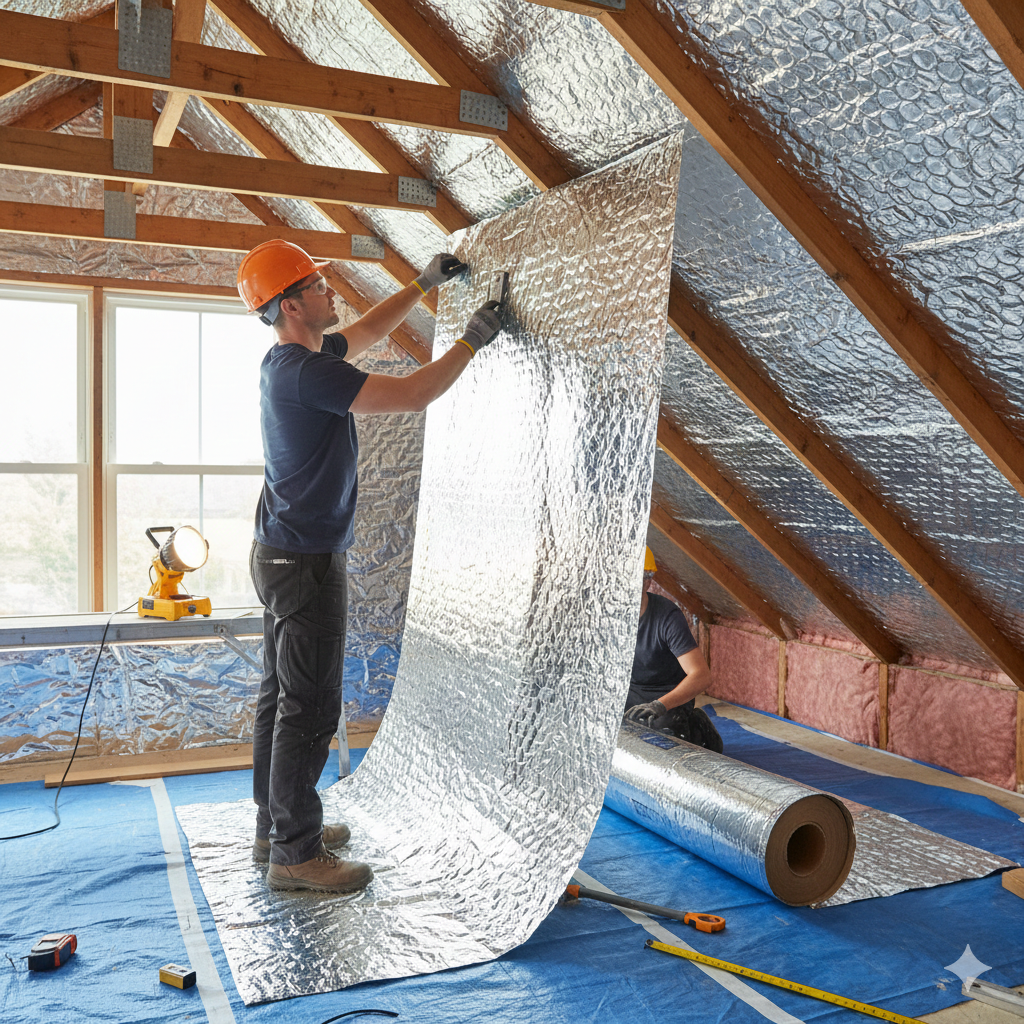
    Bubble foil is commonly installed under metal and concrete roofs to block radiant heat before it enters living spaces.

    Walls & Ceilings

    It works well as a supplementary insulation layer behind wall cladding or ceiling panels.

    Bubble Wrap Insulation for Windows

    Bubble wrap insulation for windows is an effective way to reduce heat transfer through glass surfaces, especially in sun-exposed areas.

    Warehouses & Industrial Sheds

    Large roof areas benefit from reflective insulation that reduces internal heat buildup.

    Bubble Aluminium Foil Insulation Comparison Table

    Insulation TypeThickness ProfileHeat Control MethodCommon Usage
    Bubble Aluminium Foil InsulationVery ThinRadiant heat reflection + air gapRoofs, walls, windows
    Glasswool InsulationMediumAir trapping (conductive resistance)Roofs, ceilings
    Rockwool InsulationThickHigh-density thermal resistanceWalls, fire-rated areas
    EPS SheetsMediumConductive heat reductionWalls, roofs
    XPS BoardsMedium to ThickHigh thermal resistanceFloors, roofs

    Note: Bubble foil performs best when installed with proper air spacing and sealed joints.

    How to Choose the Best Bubble Aluminium Foil Insulation

    When selecting the best Bubble Aluminium Foil Insulation, consider:

    • Number of bubble layers
    • Quality and thickness of aluminium foil
    • Tear resistance and flexibility
    • Installation environment (roof, wall, window, or ducting)

    Higher-quality foil and consistent bubble structure generally provide better thermal performance.

    Bubble Aluminium Foil Insulation vs Traditional Insulation

    Compared to bulky insulation materials, bubble foil offers:

    • Faster installation
    • Lower structural load
    • High radiant heat reflection
    • Minimal thickness requirements

    However, it is often used alongside other materials for maximum insulation efficiency.

    Reflective Bubble Aluminium Foil Insulation Price Factors

    The Reflective Bubble Aluminium Foil Insulation price depends on several factors:

    • Single or double bubble layers
    • Foil thickness and reflectivity
    • Roll width and length
    • Project quantity

    For buyers comparing thermal insulation price, bubble foil often sits between basic reflective sheets and high-density insulation boards.

    In local markets, thermal insulation price Pakistan varies by supplier, city, and specification, making it important to compare material quality rather than price alone.

    Installation Tips for Better Performance

    To maximize insulation efficiency:

    • Install foil with an air gap where possible
    • Seal joints properly using reflective tape
    • Avoid compressing the bubble layer
    • Ensure foil faces the heat source

    Correct installation plays a major role in achieving long-term results.

    Environmental & Energy Efficiency Benefits

    Bubble aluminium foil insulation contributes to energy efficiency by reducing cooling demand, which helps lower electricity consumption and carbon footprint over time. Its durability also minimizes replacement frequency.

    Conclusion

    Bubble aluminium foil insulation is a practical, lightweight, and efficient solution for managing indoor temperatures. Its reflective properties, ease of installation, and versatility make it suitable for roofs, walls, and windows. When selected and installed correctly, it provides long-term comfort while supporting energy efficiency goals.

    FAQ’S

    Bubble Aluminium Foil Insulation is used to reduce radiant heat transfer in roofs, walls, and windows. It helps maintain indoor comfort by reflecting heat away from the building envelope.

    Yes, bubble foil works as thermal insulation by combining air-filled bubbles with reflective aluminium foil. This structure limits heat movement and improves overall thermal resistance when installed correctly

    Bubble wrap insulation for windows is commonly used to reduce heat gain through glass, especially in areas exposed to direct sunlight. It is lightweight and easy to install.

    Bubble foil is thinner and lighter than conventional insulation materials. While it reflects radiant heat efficiently, it is often combined with other insulation types for higher performance.

    Thermal insulation price in Pakistan depends on material type, foil quality, number of layers, roll size, and installation requirements.

  • Best Insulation for Metal Buildings in Pakistan

    Metal buildings are widely used across Pakistan for warehouses, factories, workshops, cold storage units, and commercial sheds. While metal structures are strong and cost-effective, they have one major drawback: extreme heat gain in summer and rapid heat loss in winter. This makes choosing the best insulation for metal buildings in Pakistan essential for comfort, energy efficiency, and long-term durability.

    Furthermore, this blog explains the most suitable insulation options, pricing factors, and how to choose the right solution for metal buildings in Pakistan’s climate.

    Why Metal Buildings Need Proper Insulation

    Metal sheets conduct heat very quickly. Without insulation, metal buildings can become unbearably hot during summer and uncomfortably cold in winter.

    Common issues without insulation include:

    • High indoor temperatures
    • Increased cooling costs
    • Condensation and moisture problems
    • Reduced productivity in industrial spaces

    Proper thermal insulation in Pakistan helps regulate indoor temperature and protects both structure and occupants.

    Understanding Insulation Materials Used in Pakistan

    There are several types of insulation material Pakistan markets offer, but not all are suitable for metal buildings. The ideal insulation should be lightweight, flexible, and resistant to moisture and heat transfer.

    Among various options, foam-based thermal insulation sheets are commonly used for metal structures due to ease of installation and performance.

    Jumbolon Foam – A Popular Choice for Metal Buildings

    Jumbolon foam is one of the most widely used insulation materials for metal buildings in Pakistan.

    Why Jumbolon Foam Works Well

    • Excellent thermal resistance
    • Lightweight and flexible
    • Easy installation under metal sheets
    • Reduces heat transfer effectively

    Due to these advantages, jumbolon foam is frequently selected for industrial sheds and warehouses.

    12mm Jumbolon Sheet – Ideal Thickness for Metal Structures

    The 12mm jumbolon sheet price in Pakistan is often searched because this thickness offers a practical balance between insulation performance and cost.

    A 12mm sheet is suitable for:

    • Factory roofs
    • Warehouse ceilings
    • Commercial metal sheds

    It significantly reduces heat transfer without adding excessive weight to the structure.

    Thermal Insulation Sheets for Metal Buildings

    Another effective option is using a thermal insulation sheet specifically designed for metal surfaces. These sheets are installed beneath roofing panels or on walls to limit heat flow.

    The thermal insulation sheet price in Pakistan varies depending on:

    • Material density
    • Thickness
    • Application area
    • Installation method

    However, these sheets are often combined with foam insulation for enhanced performance.

    Comparing Insulation Costs in Pakistan

    When planning insulation for metal buildings, pricing plays a major role.

    Key Cost Factors

    • Size of the building
    • Type of insulation material
    • Thickness and density
    • Labor and installation

    For example:

    • Jumbolon sheet price in Pakistan depends on thickness and quality
    • Jumbolon foam price in Pakistan may vary for industrial-grade material
    • Overall thermal insulation in Pakistan costs are influenced by market demand and project scale

    Best Insulation for Metal Buildings in Pakistan – What to Choose?

    The best insulation solution depends on building usage and budget.

    Warehouses & Factories

    • Jumbolon foam insulation
    • Thermal insulation sheets

    Commercial Metal Sheds

    • Combination of foam insulation and reflective layers

    Temperature-Sensitive Areas

    • Thicker insulation layers for better heat control

    However, selecting the right insulation reduces operational costs and improves indoor working conditions.

    Benefits of Insulating Metal Buildings

    • Lower indoor temperatures in summer
    • Reduced cooling and energy costs
    • Protection against condensation
    • Improved durability of metal structures
    • Better working environment

    These benefits make insulation a long-term investment rather than an expense.

    Final Thoughts

    Choosing the best insulation for metal buildings in Pakistan is essential for managing extreme temperatures and improving energy efficiency. Materials like jumbolon foam and thermal insulation sheets provide reliable performance when installed correctly.

    Moreover, by understanding insulation options, pricing factors, and building requirements, property owners can make informed decisions that deliver lasting results.

    FAQ’S

    The best insulation for metal buildings in Pakistan includes jumbolon foam and thermal insulation sheets. These materials effectively reduce heat transfer, control indoor temperature, and are easy to install under metal roofs and walls.

    A 12mm jumbolon sheet is commonly used for metal sheds, warehouses, and factories. It provides a good balance between thermal performance and cost, making it suitable for large metal structures.

    Thermal insulation in Pakistan helps metal buildings stay cooler in summer and warmer in winter. It reduces energy consumption, prevents condensation, and improves indoor comfort for workers and stored goods.

    Insulation cost depends on the type of insulation material, building size, thickness of sheets, and installation method. Prices such as jumbolon foam price in Pakistan and thermal insulation sheet price in Pakistan vary accordingly.