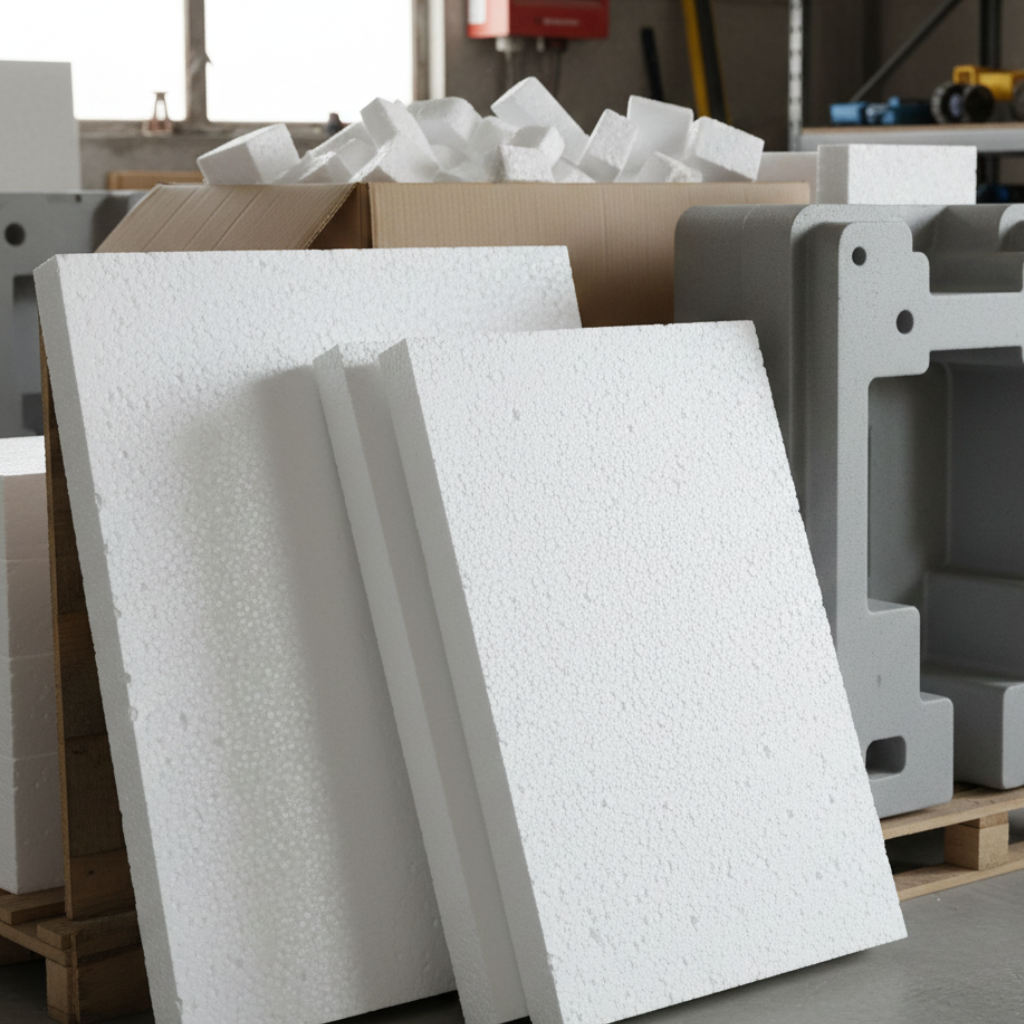


thermocol sheet price in pakistan

Tag: thermal insulation services Rawalpindi

  • Rawalpindi Insulation Market Prices

    Rawalpindi Insulation Market Prices

    As construction activity grows across Rawalpindi, demand for thermal and acoustic insulation materials has increased rapidly. From residential homes to commercial and industrial buildings, buyers are actively comparing insulation types and prices before making decisions. This guide explores Rawalpindi insulation market prices, material trends, and factors that influence costs—helping buyers make informed choices.

    Overview of Insulation Demand in Rawalpindi

    Rawalpindi experiences extreme summer heat and cooler winters, making insulation a practical necessity rather than a luxury. Builders and homeowners now prioritize materials that reduce energy consumption, improve indoor comfort, and enhance fire safety.

    Among the most commonly traded insulation products in the local market are glass wool, rockwool, and mineral wool, each offering different performance levels and price points.

    Glass Wool Market Pricing Trends
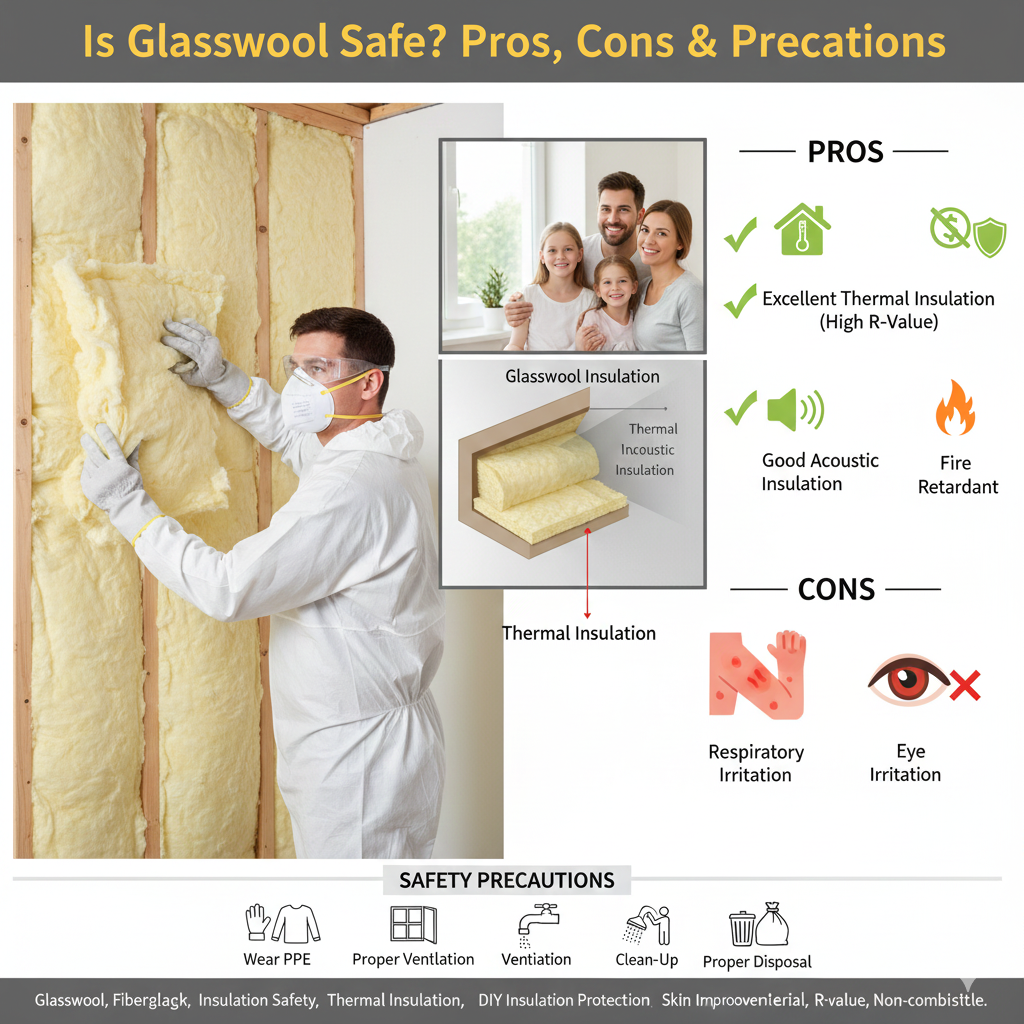
    glasswool insulation in pakistan

    Glass wool remains one of the most widely used insulation materials due to its affordability and ease of installation. The glass wool price in Rawalpindi depends on density, thickness, and facing type (plain or foil-faced).

    While Rawalpindi has its own pricing structure, many suppliers also benchmark rates against major cities. As a result, glass wool price in Lahore often influences wholesale trends, especially for bulk purchases. Contractors sourcing glass wool insulation in Lahore sometimes supply Rawalpindi projects when availability fluctuates.

    Across Pakistan, the glass wool price in Pakistan varies based on imported raw materials, energy costs, and demand cycles.

    Rockwool Insulation Prices in the Local Market
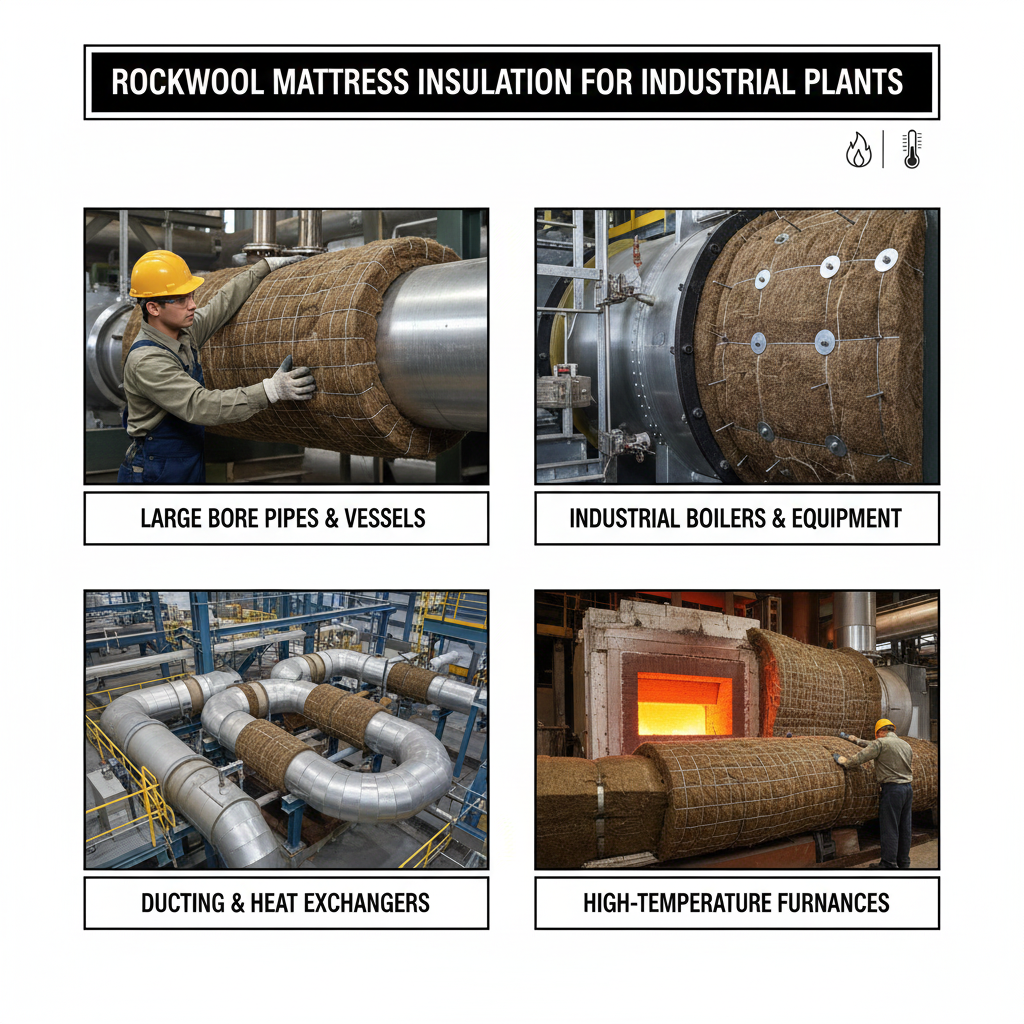
    Rockwool is increasingly preferred for applications requiring fire resistance and higher acoustic performance. In Rawalpindi, demand for this material has grown in commercial buildings and industrial facilities.

    The rockwool insulation price in Pakistan is generally higher than glass wool due to its superior fire rating and density. Buyers comparing suppliers often evaluate the rock wool insulation price based on slab thickness and compressive strength.

    Local distributors offering rockwool insulation Pakistan products usually maintain stock for large-scale construction projects, where durability and fire safety are critical.

    Rawalpindi Insulation Price Comparison Table

    Insulation MaterialTypical Density (kg/m³)Common UseRelative Price Level
    Glass Wool12 – 24Roofs, ceilings, ductsLow
    Mineral Wool30 – 60Walls, partitionsMedium
    Rockwool40 – 120Fire-rated walls, industrial useHigh
    Glass Wool (Foil Faced)16 – 32Thermal + radiant controlMedium
    High-Density Rockwool80 – 120Acoustic & fire insulationHigh

    Note: Prices vary by supplier, thickness, and market demand.

    Mineral Wool Pricing and Applications
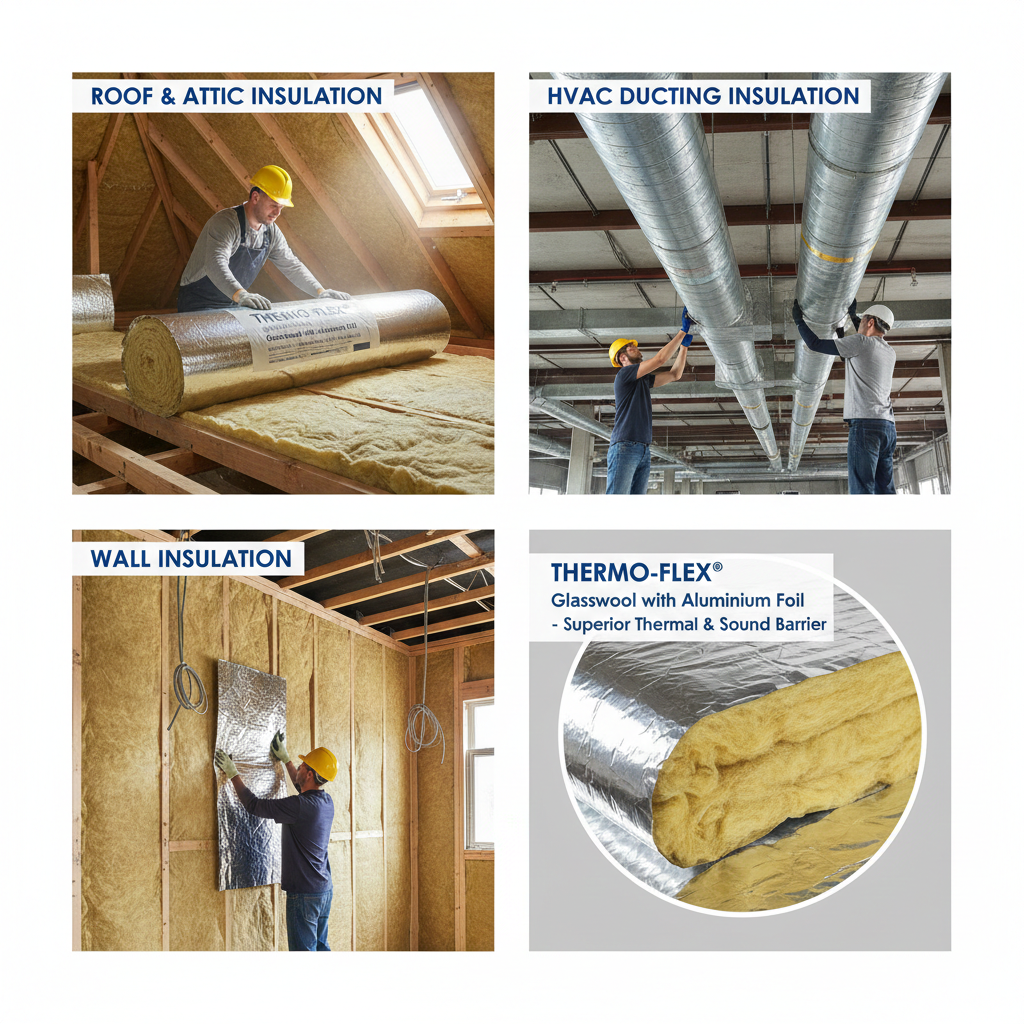
    glasswool with aluminium foil industrial applications

    Mineral wool, which includes both glass wool and rockwool variants, is also traded separately in the Rawalpindi market. The mineral wool price in Pakistan depends on whether the product is intended for thermal insulation, soundproofing, or fire-rated systems.

    Mineral wool is commonly used in:

    • Partition walls
    • Industrial sheds
    • HVAC duct insulation
    • Fire-rated ceiling systems

    Its versatility keeps demand stable throughout the year.

    Factors Affecting Insulation Prices in Rawalpindi

    Several elements influence insulation pricing in the Rawalpindi market:

    1. Material Density & Thickness
      Higher density products provide better insulation but cost more.
    2. Imported vs Local Supply
      Imported insulation products tend to raise overall pricing trends.
    3. Seasonal Demand
      Prices often rise before peak summer due to increased demand.
    4. Transportation Costs
      Rates from Lahore or Karachi impact local pricing structures.
    5. Bulk Purchase Volume
      Wholesale buyers usually secure better pricing.

    Choosing the Right Insulation Material

    Selecting insulation should not be based on price alone. Buyers must consider application type, building design, and long-term energy savings. Glass wool works well for budget-focused residential projects, while rockwool is better suited for fire-sensitive areas. Mineral wool offers a balance between thermal and acoustic performance.

    Understanding local price trends allows buyers to plan procurement efficiently without compromising quality.

    Rawalpindi Insulation Market Outlook

    With growing awareness around energy efficiency, the Rawalpindi insulation market is expected to expand steadily. Demand for higher-performance insulation materials will continue to influence pricing, while competition among suppliers may stabilize costs over time.

    Staying updated on market trends helps contractors, builders, and homeowners secure the best value.

    FAQ’S

    The glass wool price in Rawalpindi depends on density, thickness, and facing type. Prices generally follow the national trend of the glass wool price in Pakistan, with slight variation based on local availability.

    Yes, glass wool is usually more economical. Rockwool insulation price in Pakistan is higher due to its superior fire resistance, durability, and sound insulation properties.

    Many distributors source insulation materials from Lahore. As a result, fluctuations in glass wool price in Lahore often impact Rawalpindi’s insulation market.

    Mineral wool price in Pakistan varies depending on whether it is glass-based or stone-based. Rockwool generally costs more due to higher density and fire performance.

    Yes, rockwool insulation Pakistan products are suitable for residential use, especially where fire safety and sound insulation are priorities.

    Rockwool offers long-term value through durability and fire resistance, while glass wool is ideal for cost-effective thermal insulation in standard applications.
  • Thermal Conductivity Comparison: EPS, XPS, Rockwool

    Thermal Conductivity Comparison: EPS, XPS, Rockwool

    When selecting insulation for buildings, one technical factor plays a decisive role in performance: thermal conductivity. Understanding how different materials perform helps engineers, architects, and homeowners choose the most efficient insulation system. This guide presents a clear thermal conductivity comparison EPS XPS Rockwool, explaining how each material works and where it performs best.

    Understanding Thermal Conductivity in Insulation

    Thermopore Sheet Installation

    Thermal conductivity measures how easily heat flows through a material. Lower thermal conductivity means better insulation performance. Materials with low conductivity slow down heat transfer, keeping interiors cooler in summer and warmer in winter.

    This property directly affects:

    • Energy efficiency
    • Cooling and heating costs
    • Indoor comfort

    Overview of Common Insulation Materials

    The most widely used insulation materials in construction include:

    • EPS (Expanded Polystyrene)
    • XPS (Extruded Polystyrene)
    • Rockwool (Mineral Wool)

    Each material differs in structure, density, and heat resistance.

    EPS Foam – Structure and Thermal Performance

    EPS Foam

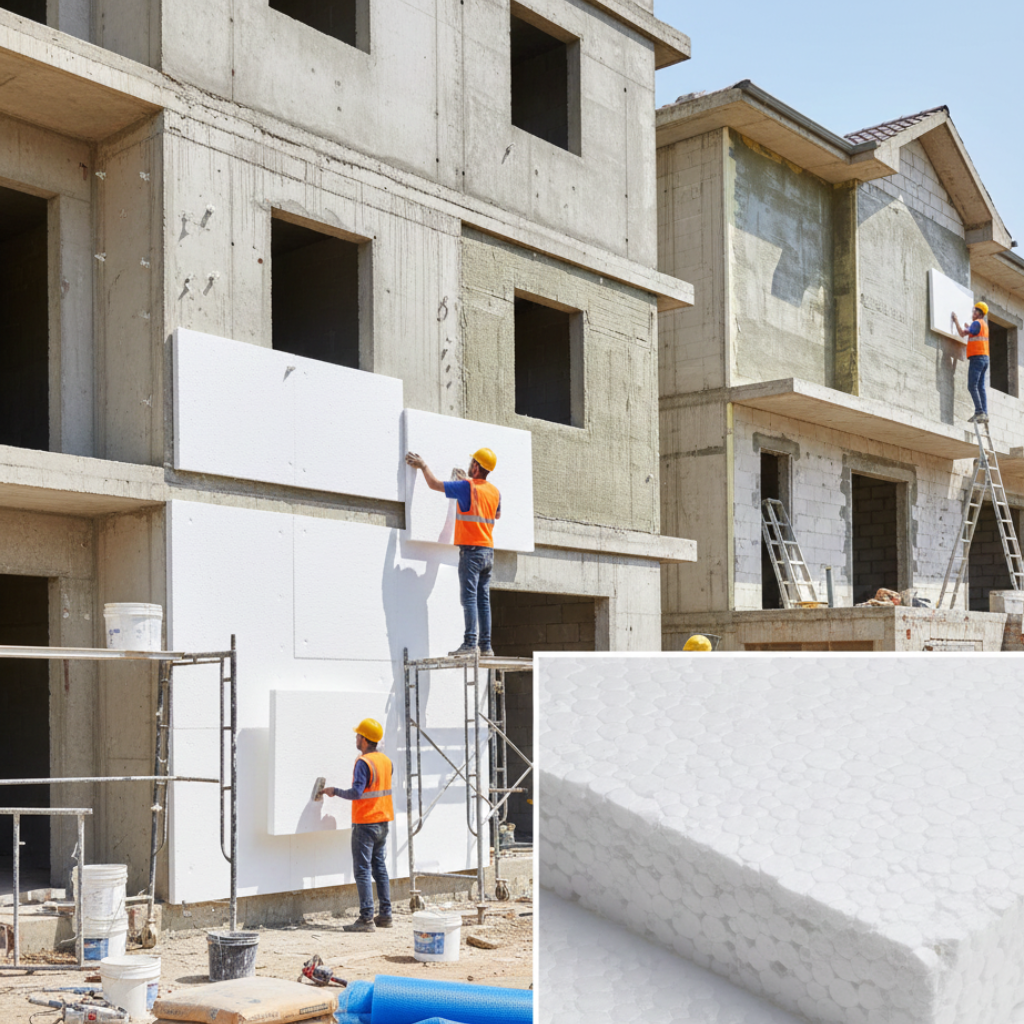
    EPS foam is manufactured by expanding polystyrene beads and fusing them together. The trapped air inside the beads provides insulation.

    Key Characteristics of EPS Foam

    • Lightweight
    • Cost-effective
    • Moderate thermal resistance
    • Higher water absorption than XPS

    EPS is commonly used in walls, roofs, and packaging. Interestingly, EPS foam surfboard cores also use similar material properties due to lightweight strength and buoyancy, though construction-grade EPS differs in density.

    XPS Foam – High-Performance Insulation

    Solar Room Insulation in Pakistan

    XPS foam is produced using an extrusion process, creating a closed-cell structure that improves strength and moisture resistance.

    Key Characteristics of XPS Foam

    • Lower thermal conductivity than EPS
    • High compressive strength
    • Excellent moisture resistance
    • Long service life

    Because of these properties, XPS is preferred in demanding environments such as foundations, roofs, and exposed insulation areas.

    Rockwool – Mineral-Based Thermal Control

    Soundproofing Material glasswool vs rockwool

    Rockwool is made from molten volcanic rock spun into fibers. Unlike foam-based insulation, rockwool is inorganic and fire-resistant.

    Key Characteristics of Rockwool

    • Stable thermal performance
    • Fire resistance
    • Sound absorption
    • Heavier than EPS and XPS

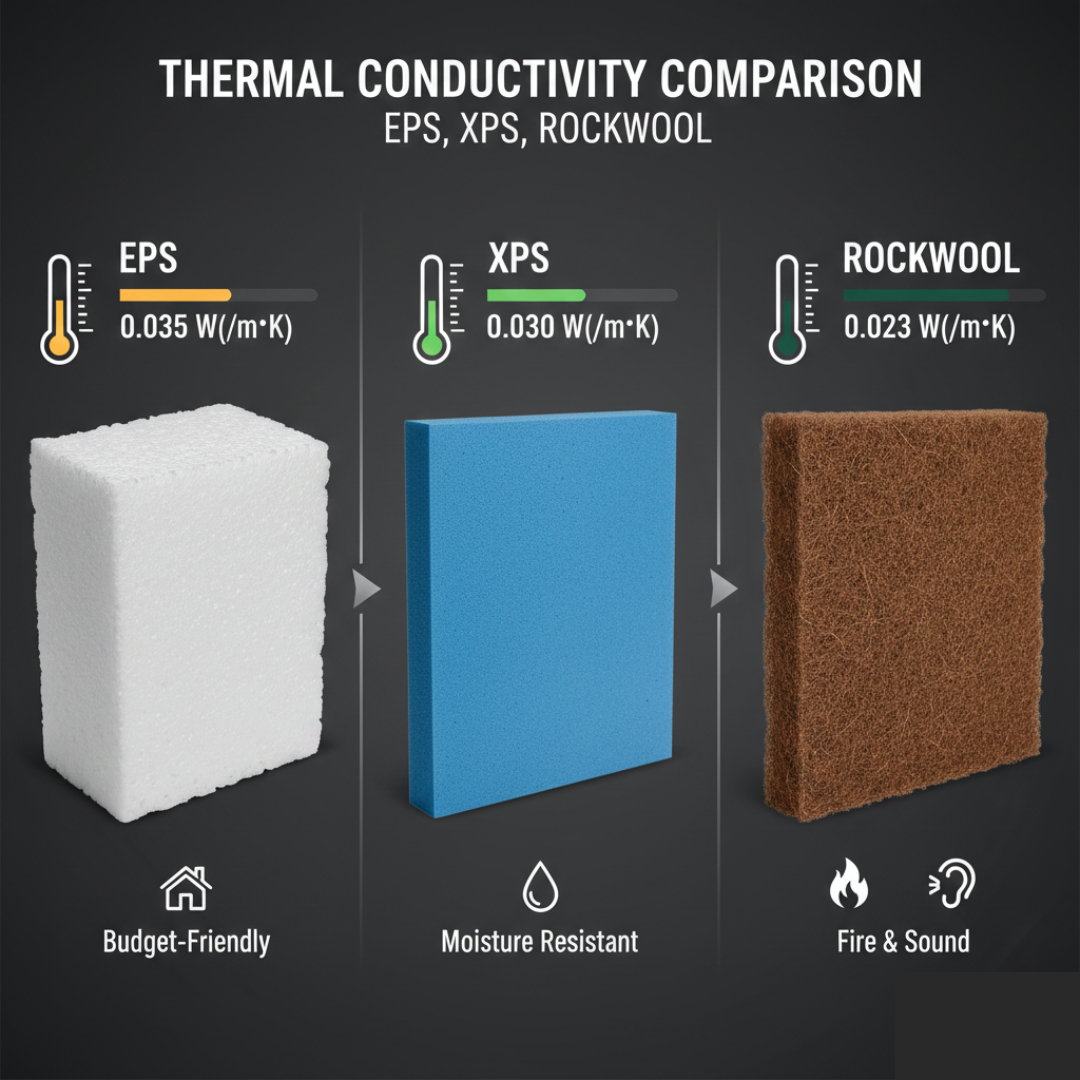
    While rockwool has slightly higher thermal conductivity compared to XPS, it offers additional benefits like acoustic insulation.

    Thermal Conductivity Comparison: EPS, XPS, Rockwool

    Below is a simplified comparison based on general performance ranges:

    MaterialThermal Conductivity (W/m·K)Moisture ResistanceStructural Strength
    EPSModerateMediumLow
    XPSLowHighHigh
    RockwoolModerateHighMedium

    This thermal conductivity comparison EPS XPS Rockwool shows why XPS is often selected where maximum thermal efficiency is required.

    EPS vs XPS R Value Explained

    R-value measures resistance to heat flow. Higher R-value means better insulation.

    When comparing EPS vs XPS R value:

    • XPS generally provides higher R-value per inch
    • EPS requires greater thickness to achieve similar performance

    This difference makes XPS vs EPS an important comparison in space-limited designs.

    How to Convert Thermal Conductivity to U Value

    Engineers often need to convert thermal conductivity to U value to evaluate overall building performance.

    • Thermal conductivity measures material performance
    • U-value measures heat loss through an entire building element

    Lower U-value indicates better insulation. Material thickness and layering directly affect the final U-value.

    Choosing the Right Material Based on Application

    EPS Foam Is Suitable

    • Budget-focused projects
    • Wall insulation
    • Lightweight applications

    XPS Foam Is Ideal

    • Roofs and foundations
    • High moisture areas
    • Space-constrained insulation

    Rockwool Is Preferred

    • Fire-sensitive environments
    • Acoustic insulation needs
    • Industrial and commercial buildings

    Final Thoughts

    Understanding insulation performance requires more than price comparison. A clear thermal conductivity comparison EPS XPS Rockwool highlights how each material behaves under real-world conditions. While EPS foam offers affordability, XPS foam delivers superior thermal resistance, and rockwool adds fire and sound control benefits.

    The right insulation choice depends on performance goals, environmental exposure, and building design.

    FAQ’S

    Among EPS, XPS, and rockwool, XPS foam generally has the lowest thermal conductivity. This means it offers better thermal resistance with less thickness compared to EPS foam and rockwool.

    To convert thermal conductivity to U value, divide the material’s thermal conductivity by its thickness and include all layers of the building element. A lower U value indicates better insulation performance.

    The main difference in XPS vs EPS lies in structure and performance. XPS has a closed-cell structure, higher compressive strength, better moisture resistance, and a higher R value than EPS.

    Yes, EPS foam is suitable for many building applications, especially walls and roofs where budget-friendly insulation is needed. However, for moisture-prone areas, XPS foam performs better.