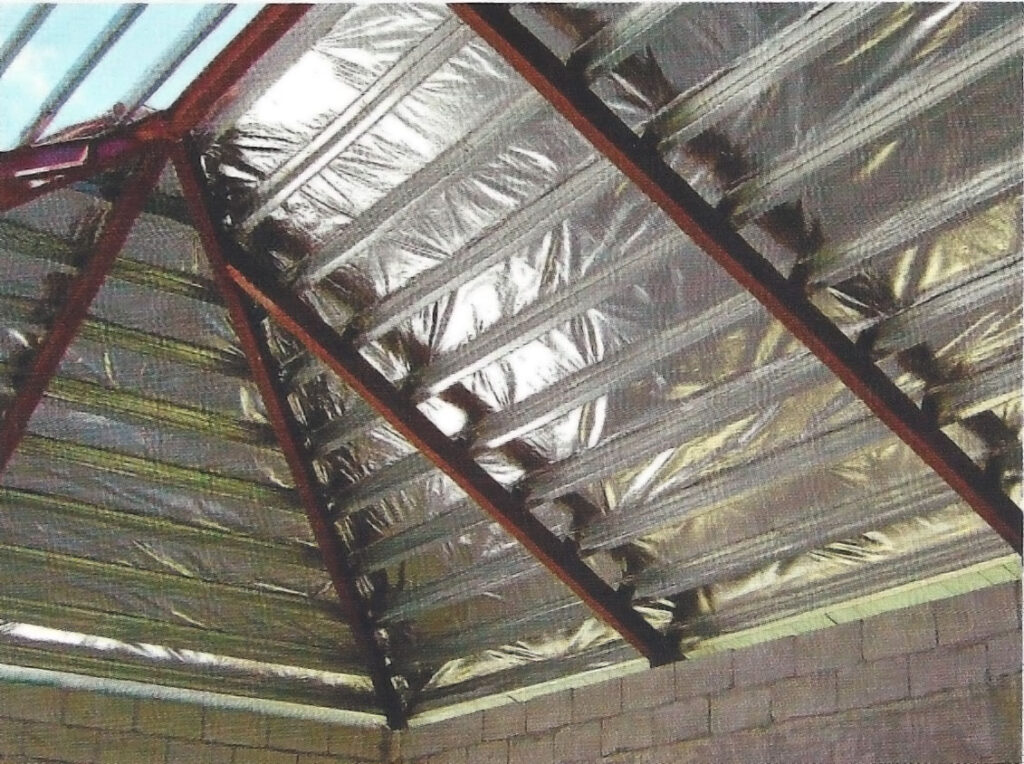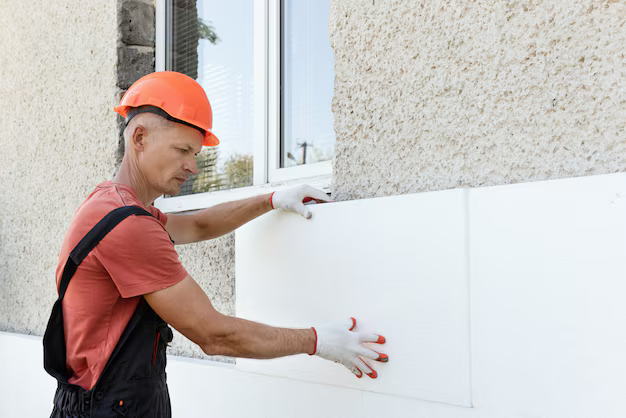

thermocol sheet price in pakistan

Tag: thermal insulation sheet for roof

  • Aluminium Foil Sheet for Attic Insulation

    Aluminium Foil Sheet for Attic Insulation

    Attic spaces are one of the biggest sources of heat gain in buildings, especially in hot climates. Without proper insulation, excessive heat transfers from the roof into living areas, increasing indoor temperatures and energy bills. This is where an Aluminium Foil Sheet for Attic Insulation plays a critical role in improving comfort and thermal performance.

    This guide explains how aluminium foil insulation works, where it is used, what to look for when choosing the right insulation sheet material, and how it contributes to long-term energy efficiency.

    What Is Aluminium Foil Sheet Insulation?
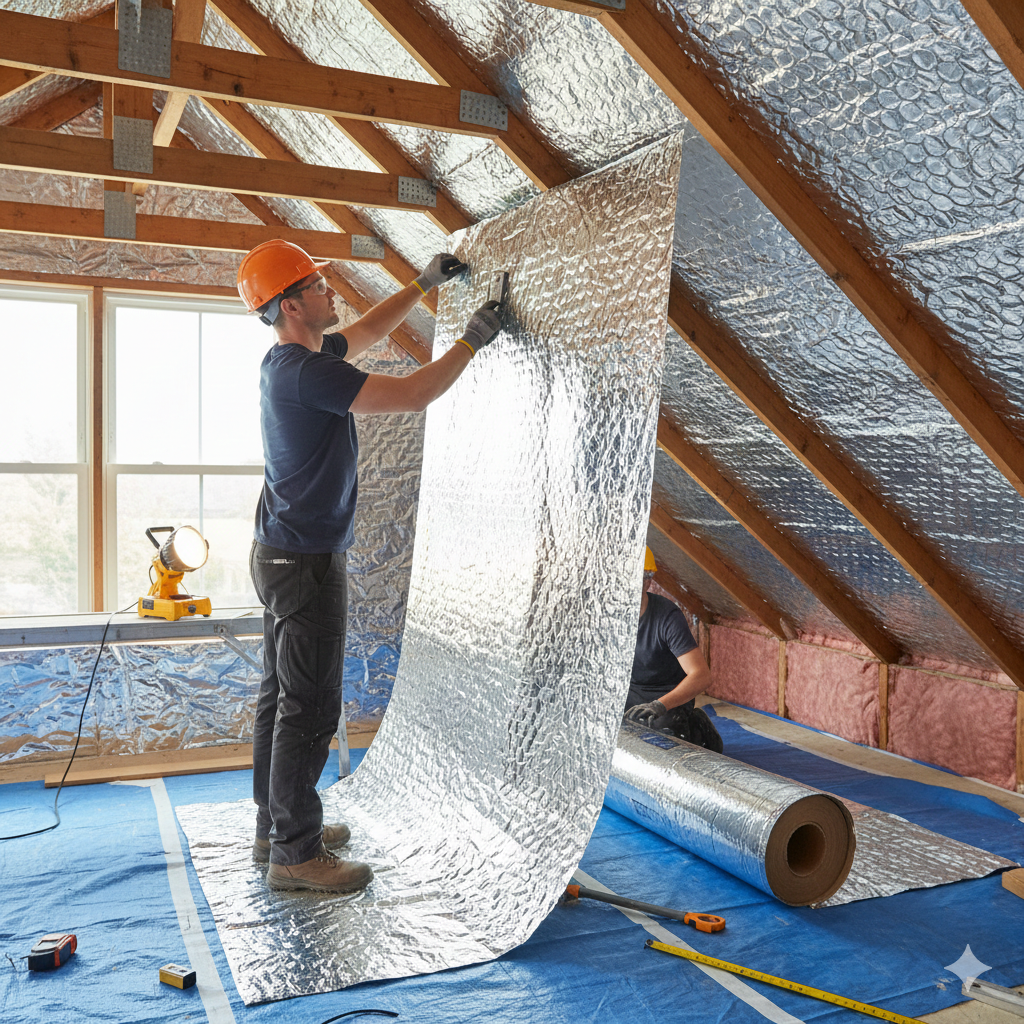
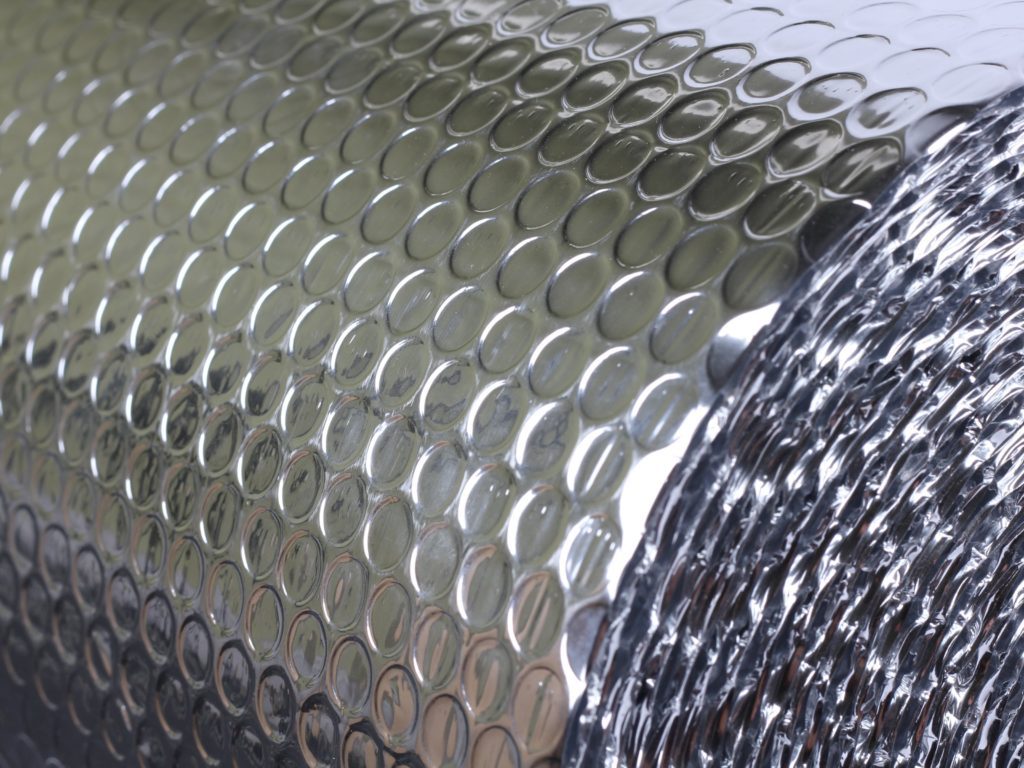
    Bubble Aluminium Foil Installation

    Aluminium Foil Sheet Insulation is a reflective insulation material designed to reduce radiant heat transfer. It works by reflecting heat away from the attic space instead of absorbing it, making it especially effective under roofs exposed to direct sunlight.

    Unlike bulky insulation materials, aluminium foil insulation sheets are lightweight, thin, and easy to install while still delivering strong thermal performance when installed correctly.

    How Aluminium Foil Sheet Works in Attic Insulation

    The primary function of an aluminium foil insulation sheet is to block radiant heat. When installed beneath the roof or above attic ceilings, the reflective surface:

    • Reflects heat away from interior spaces
    • Reduces attic temperature buildup
    • Supports overall thermal insulation performance
    • Works efficiently with air gaps

    This makes it an effective thermal insulation sheet for roof applications where space and weight are important considerations.

    Benefits of Aluminium Foil Sheet for Attic Insulation
    1. Effective Heat Reflection

    Aluminium foil reflects a significant portion of radiant heat, helping maintain lower attic and indoor temperatures.

    2. Lightweight & Space-Saving

    Compared to thick insulation materials, foil sheets take up minimal space while still contributing to thermal control.

    3. Moisture Resistance

    Foil surfaces resist moisture penetration, helping protect attic structures from humidity-related issues.

    4. Versatile Application

    Beyond attics, aluminium foil insulation can be used in walls, ceilings, and even specific interior spaces.

    Best Aluminium Foil Sheet for Attic Insulation – What to Look For

    Choosing the best Aluminium Foil Sheet for Attic Insulation depends on several factors:

    • Reflective surface quality
    • Thickness and layer configuration
    • Compatibility with other insulation materials
    • Installation environment

    Higher-quality foil with reinforced backing generally provides better durability and performance over time.

    Aluminium Foil Insulation – Material Comparison Table

    Insulation TypeHeat Control MethodThicknessMoisture ResistanceCommon Application
    Aluminium Foil SheetRadiant heat reflectionVery thinHighAttics, roofs
    Bubble Aluminium FoilRadiant + air gapThinHighRoofs, walls
    Aluminium Insulation BoardReflective + rigidMediumHighRoof decks
    EPS SheetsConductive resistanceThickMediumWalls, roofs
    GlasswoolConductive resistanceThickMediumCeilings, roofs

    Best performance is achieved when reflective foil insulation is combined with bulk insulation.

    Aluminium Foil Sheet Insulation vs Other Insulation Materials

    While bulk insulation focuses on slowing conductive heat flow, aluminium foil primarily targets radiant heat. For this reason, foil insulation is often used alongside other insulation sheet material to improve overall efficiency.

    In some applications, foil insulation is paired with an aluminium insulation board to provide both reflective and structural benefits in attic and roof systems.

    Common Applications Beyond Attic Insulation

    Although primarily used in attics, aluminium foil insulation sheets are also suitable for:

    • Roof insulation systems
    • Wall cavities
    • Garage ceilings
    • Aluminium foil sheet for kitchen heat protection near cooking areas

    Its versatility makes it a practical option for residential and light commercial use.

    Aluminium Foil Sheet for Attic Insulation Price Factors
    The Aluminium Foil Sheet for Attic Insulation price can vary depending on:

    • Sheet thickness and layers
    • Reinforcement material
    • Roll size or board format
    • Project scale and installation method

    Instead of choosing based on price alone, it is important to compare material specifications to ensure long-term performance.

    Installation Best Practices

    To get maximum benefit from an aluminium foil insulation sheet:

    • Maintain a proper air gap between foil and roof
    • Seal joints carefully to avoid heat leakage
    • Avoid tearing or compressing the reflective surface
    • Install with the reflective side facing the heat source

    Correct installation is essential for achieving effective attic insulation results.

    Is Aluminium Foil Insulation Enough on Its Own?

    While aluminium foil insulation is excellent for reflecting heat, it may not fully replace traditional insulation in all climates. For best results, it is often combined with other insulation materials to balance radiant and conductive heat control.

    This layered approach improves overall indoor comfort and energy efficiency.

    Conclusion

    An Aluminium Foil Sheet for Attic Insulation is a smart solution for reducing heat gain, improving comfort, and supporting energy-efficient building design. Its reflective properties, lightweight structure, and versatility make it a valuable component of modern insulation systems.

    When selected and installed correctly, aluminium foil insulation can significantly enhance attic performance and reduce long-term cooling costs.

    FAQ’S

    An aluminium foil sheet reflects radiant heat away from the attic space, reducing heat transfer from the roof into living areas and improving indoor comfort.

    Yes, aluminium foil insulation performs especially well in hot climates because it reflects heat rather than absorbing it, making it ideal for attic and roof applications.

    Aluminium foil insulation is often combined with bulk insulation materials to improve overall thermal performance by controlling both radiant and conductive heat.

    Pricing depends on thickness, number of layers, reinforcement type, roll or board size, and installation requirements.

    When installed correctly and protected from physical damage, aluminium foil insulation maintains its reflective properties for many years.
  • Reflective Aluminium Foil for Roof Heat Protection

    Reflective Aluminium Foil for Roof Heat Protection

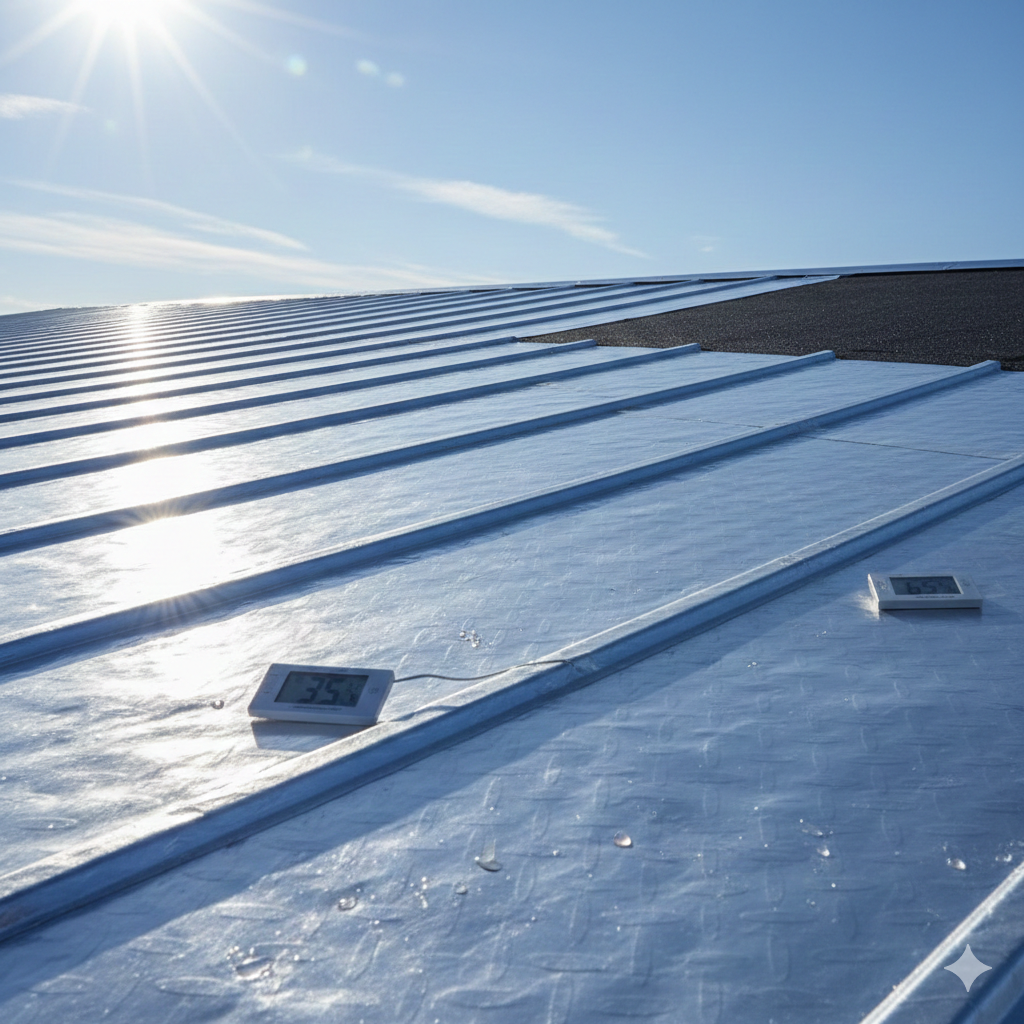
    In regions with extreme summer temperatures, roofs are one of the biggest sources of indoor heat gain. This is why Reflective Aluminium Foil for Roof Heat Protection has become one of the most effective and affordable insulation solutions for residential, commercial, and industrial buildings. By reflecting radiant heat instead of absorbing it, aluminium foil insulation significantly improves indoor comfort and reduces cooling costs.

    This guide explains how reflective foil works, where it is used, pricing considerations, and how to choose the best option for long-term roof heat protection.

    What Is Reflective Aluminium Foil for Roof Heat Protection?

    Aluminium Foil Sheet for Thermal Insulation

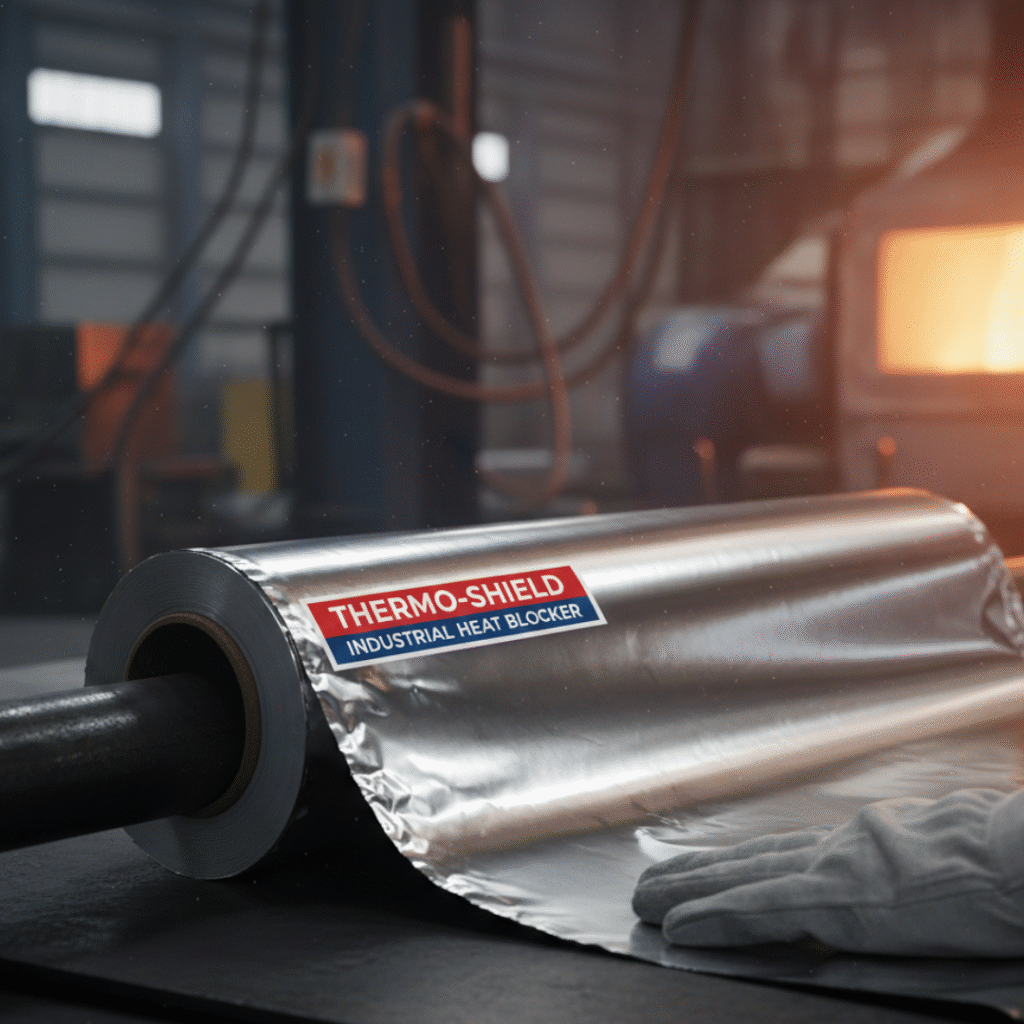
    Reflective aluminium foil is a thin, metallic insulation layer designed to reflect radiant heat away from the building structure. Unlike bulk insulation materials that slow heat transfer, reflective foil works by deflecting solar radiation before it enters the building.

    A thermal insulation sheet for roof made with aluminium foil is commonly installed under metal sheets, concrete slabs, or roofing tiles to reduce heat penetration during peak sunlight hours.

    How Reflective Aluminium Foil Reduces Roof Heat

    The effectiveness of aluminium foil thermal insulation material lies in its high reflectivity. It reflects up to a significant portion of radiant heat, preventing it from transferring into living or working spaces.

    Key working principles include:

    • Reflects radiant heat away from roof surfaces
    • Reduces surface temperature of roofing materials
    • Minimizes heat buildup inside rooms
    • Improves overall energy efficiency

    Because of this, foil insulation performs exceptionally well in hot climates.

    Benefits of Aluminium Foil Insulation for Roofs

    1. Superior Heat Reflection

    A heat reflective insulation sheet works best where direct sunlight is intense, making it ideal for rooftops exposed for long hours.

    2. Energy Savings

    By reducing indoor heat gain, air conditioners work less, leading to lower electricity consumption and long-term savings.

    3. Lightweight & Easy Installation

    An aluminium foil insulation sheet adds minimal load to roof structures and can be installed quickly in both new and existing buildings.

    4. Moisture & Vapor Resistance

    Aluminium foil also acts as a vapor barrier, protecting roofs from moisture-related damage.

    Roof Insulation Density & Performance Comparison Table

    Insulation TypeTypical ThicknessHeat Reflection / ResistanceBest Roof Application
    Aluminium Foil Insulation Sheet3–8 mmVery High (Radiant Reflection)Metal & concrete roofs
    Bubble Foil Insulation6–10 mmHighResidential roofs
    Glasswool Insulation25–50 mmMedium to HighFalse ceilings
    Rockwool Insulation40–75 mmHighFire-rated roofs
    XPS Boards25–50 mmHigh (Conductive)Flat concrete roofs

    Note: Reflective aluminium foil is most effective where radiant heat is the primary concern.

    Aluminium Foil Insulation Sheet Applications

    Aluminium Foil Sheet for Heat Proofing

    Reflective foil insulation is widely used in:

    • Residential house roofs
    • Commercial buildings and offices
    • Warehouses and factories
    • Metal sheds and container structures

    Its adaptability makes it suitable for concrete, metal, and tiled roofing systems.

    Best Reflective Aluminium Foil for Roof Heat Protection – What to Look For

    Choosing the best Reflective Aluminium Foil for Roof Heat Protection depends on multiple factors:

    • Foil thickness and quality
    • Single-sided or double-sided reflectivity
    • Reinforcement layers (bubble or foam-backed)
    • Installation environment (ventilated or non-ventilated roofs)

    Higher-quality foil ensures durability and consistent thermal performance over time.

    Aluminium Foil Insulation for Roof Price – What Affects Cost?

    The aluminium foil insulation for roof price varies based on:

    • Type of foil (plain, reinforced, bubble-backed)
    • Roll width and length
    • Heat reflectivity rating
    • Local market availability

    Similarly, Reflective Aluminium Foil for Roof Heat Protection price may differ depending on supplier location and project scale. Comparing specifications is more important than choosing the cheapest option.

    Reflective Aluminium Foil for Roof Heat Protection Near Me – Buying Tips

    When searching for Reflective Aluminium Foil for Roof Heat Protection near me, always ensure:

    • Product specifications are clearly defined
    • Foil meets insulation performance standards
    • Seller provides installation guidance
    • Warranty or quality assurance is available

    Local availability helps reduce logistics costs and ensures faster project completion

    Aluminium Foil vs Other Roof Insulation Materials

    Compared to bulk insulation materials, aluminium foil offers:

    • Faster heat reflection instead of heat absorption
    • Better performance under direct sunlight
    • Lower thickness requirement
    • Cost-effective roof heat control solution

    While bulk insulation controls conduction, foil excels in managing radiant heat.

    Installation Best Practices for Maximum Performance

    To get the best results from a thermal insulation sheet for roof, follow these practices:

    • Maintain an air gap between foil and roof surface
    • Seal joints properly to avoid heat leaks
    • Avoid tearing or puncturing the foil
    • Install reflective side facing the heat source

    Correct installation ensures consistent thermal performance.

    Conclusion

    Reflective aluminium foil is a practical and efficient solution for roof heat protection in hot climates. Its ability to reflect radiant heat, reduce indoor temperatures, and improve energy efficiency makes it an excellent choice for modern construction. By selecting the right product and ensuring proper installation, long-term comfort and cost savings can be achieved.

    FAQ’S

    Reflective aluminium foil reduces roof heat by reflecting radiant solar energy away from the roof surface, preventing heat from entering indoor spaces and lowering overall indoor temperature.

    Yes, aluminium foil insulation sheet performs exceptionally well in hot climates because it reflects radiant heat rather than absorbing it, making it ideal for intense sun exposure.

    A thermal insulation sheet for roof applications is suitable for both new construction and renovation projects, as it is lightweight and easy to install under existing roofing systems.

    High-quality aluminium foil thermal insulation material can last for many years if installed correctly and protected from mechanical damage and moisture exposure.

    Yes, by lowering indoor heat gain, heat reflective insulation sheet reduces reliance on air conditioning, which can significantly reduce electricity consumption.