
thermocol sheet price in pakistan

Tag: thermal insulation solutions Pakistan

  • Best Insulation Sheets in Karachi

    Best Insulation Sheets in Karachi

    Karachi’s climate is dominated by intense sunlight, high humidity, and long summers. Without proper insulation, indoor temperatures can rise dramatically, increasing electricity bills and reducing comfort. Choosing the best insulation sheets in Karachi is no longer optional—it’s a necessity for homes, warehouses, factories, and commercial buildings.

    This guide explains top insulation sheet options, pricing factors, applications, and how to select the right solution for Karachi’s extreme weather conditions.

    Why Insulation Sheets Are Essential in Karachi
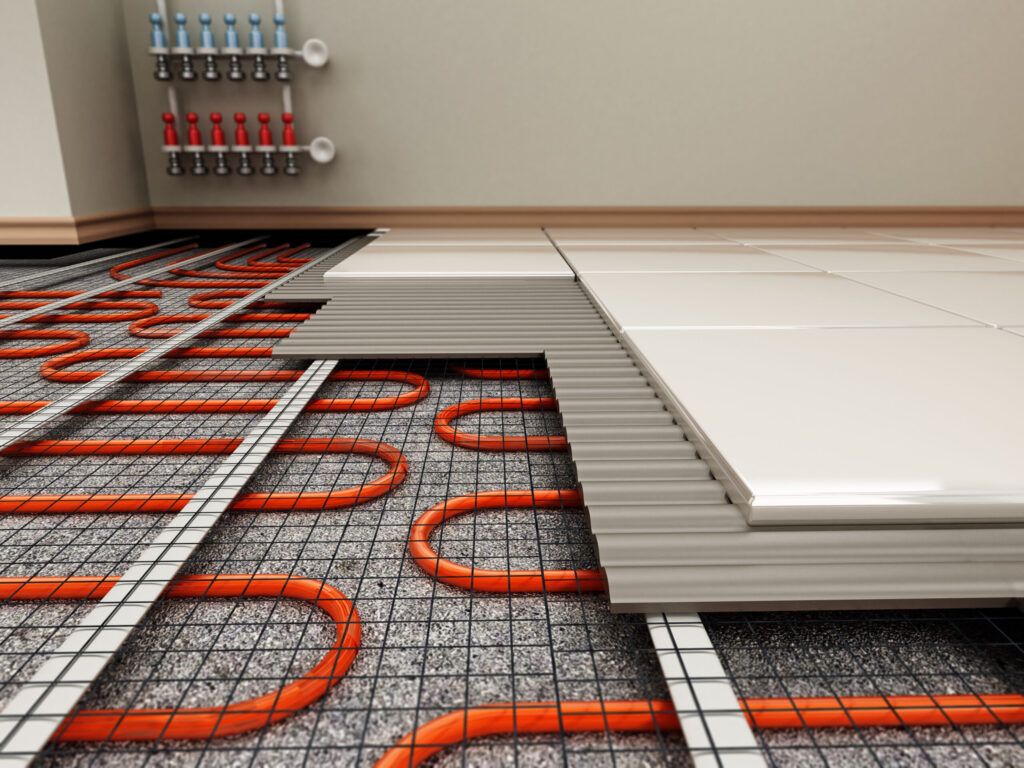
    heat insulation sheet in Pakistan
    Ground heating system structural detail. 3D illustration.

    Karachi experiences prolonged heat waves, especially from April to October. Roofs and walls absorb excessive heat, which transfers directly indoors.

    High-quality heat insulation sheet in Pakistan helps by:

    • Reducing roof surface temperature
    • Lowering indoor heat gain
    • Minimizing air-conditioning load
    • Improving year-round energy efficiency

    For both residential and industrial use, insulation sheets offer long-term cost savings and comfort.

    Types of Insulation Sheets Commonly Used in Karachi

    Several insulation materials are available in the local market, but performance varies depending on structure, thickness, and installation quality.

    1. Thermopore Insulation Sheets
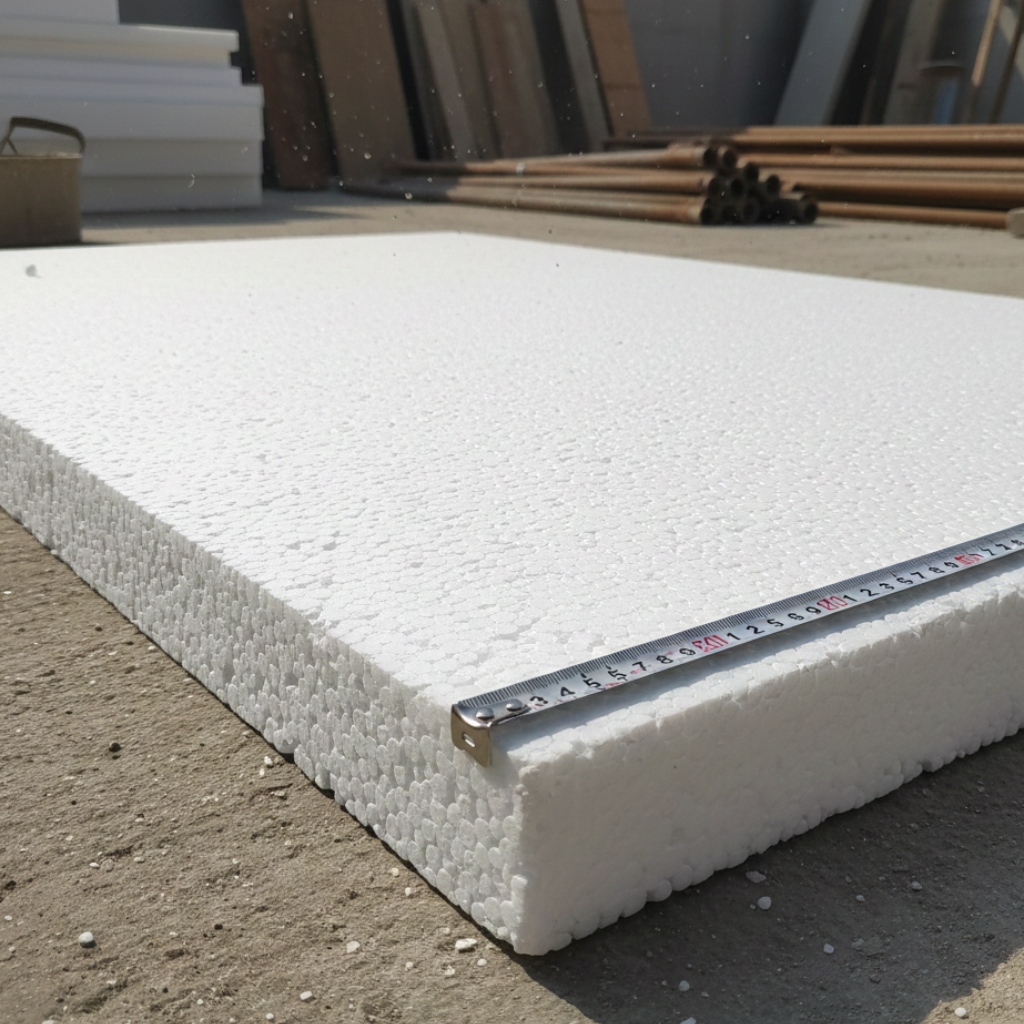
    Thermopore Sheet

    Thermopore is widely used due to affordability and availability.

    Key Features:

    • Lightweight and easy to install
    • Suitable for roofs, walls, and false ceilings
    • Commonly used in residential construction

    Many buyers search for a thermopore sheet supplier in Karachi because local availability reduces transportation cost and delivery time.

    2. Reflective Thermal Insulation Sheets
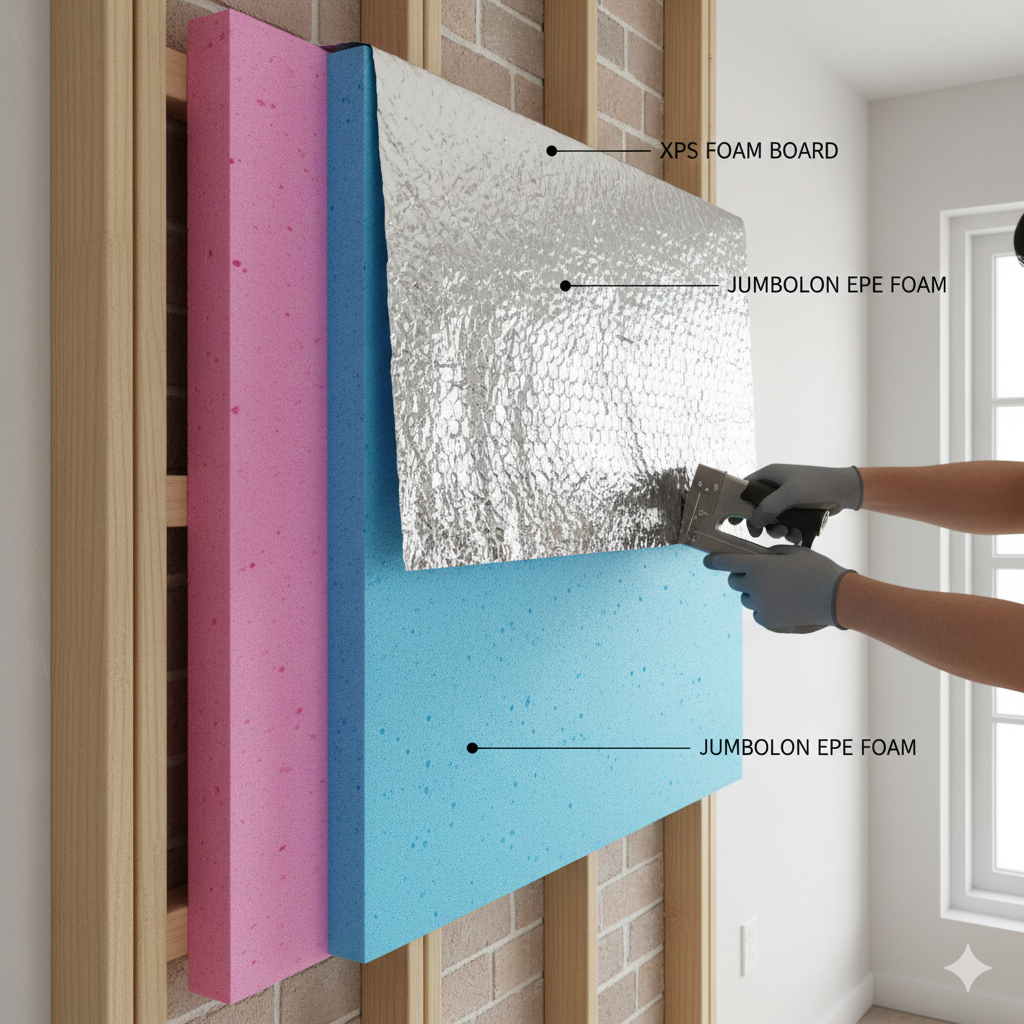
    Using aluminium foil with jumbolon

    These sheets combine insulation foam with aluminum foil to reflect radiant heat.

    Advantages:

    • Strong heat reflection
    • Ideal for rooftops exposed to direct sunlight
    • Performs better than plain foam in extreme heat

    They are often considered among the best insulation sheets in Karachi price-wise when energy savings are considered.

    3. Expanded Polystyrene (EPS) Sheets
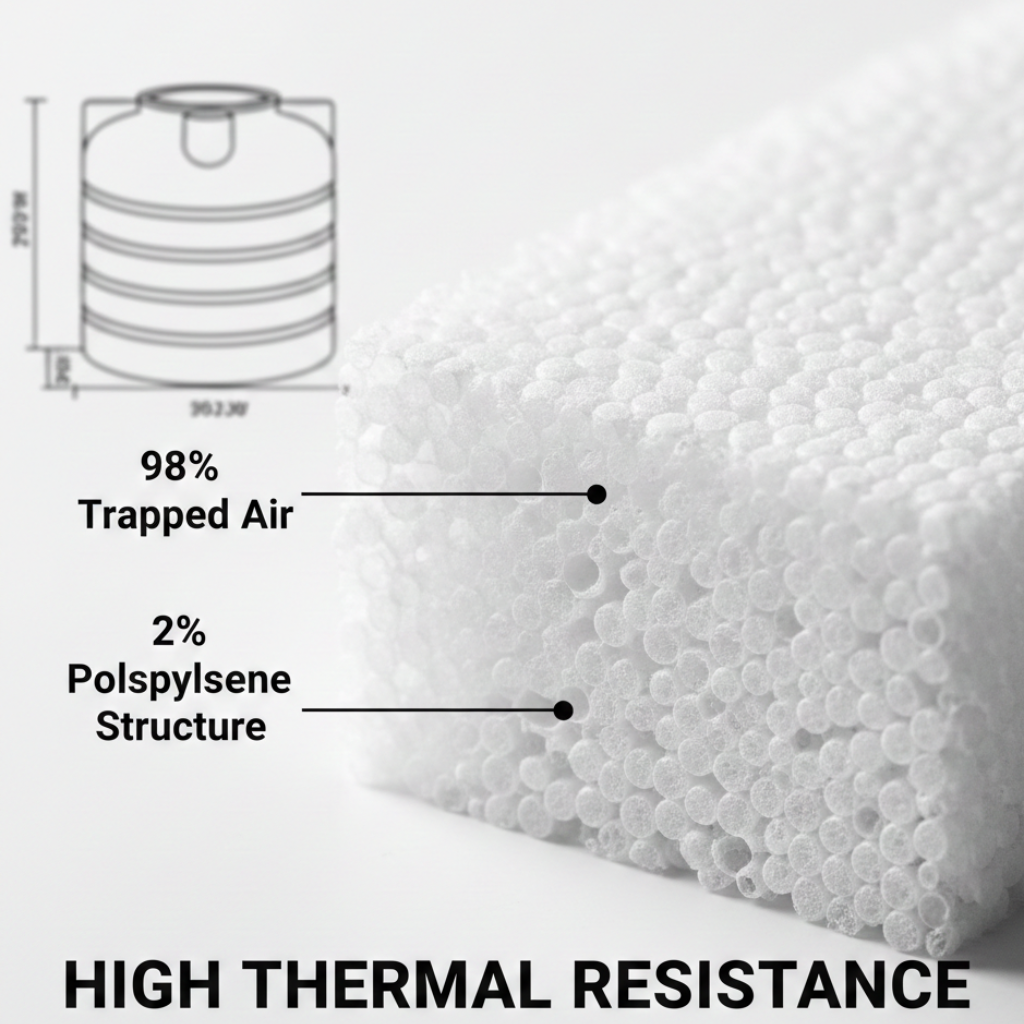
    EPS Thermal Insulation

    EPS sheets offer balanced thermal insulation and structural stability.

    Best used for:

    • Warehouses
    • Cold rooms
    • Commercial buildings

    EPS is commonly included when comparing thermal insulation sheet price in Pakistan due to its consistent performance.

    Thermopore Sheets in Karachi – Availability & Demand

    The demand for thermopore sheet in Karachi continues to grow due to urban expansion and rising energy costs.

    These sheets are commonly installed in:

    • Residential rooftops
    • Industrial sheds
    • Temporary structures

    People often search online for thermopore sheet near me, indicating strong local demand for quick sourcing and installation services.

    Heat Insulation Sheet Performance in Pakistan’s Climate

    insulation material supplier in pakistan

    A properly installed heat insulation sheet in Pakistan can reduce indoor temperature by several degrees. Performance depends on:

    • Sheet thickness
    • Roof exposure
    • Installation method
    • Combination with reflective layers

    For Karachi’s coastal climate, moisture resistance and durability are equally important.

    Pricing Overview – What Affects Insulation Sheet Cost?

    The best insulation sheets in Karachi price range depends on multiple factors:

    • Material type (thermopore, EPS, reflective)
    • Sheet thickness
    • Density and durability
    • Installation requirements
    • Market demand fluctuations

    Similarly, thermopore sheet price in Pakistan may vary city-to-city due to logistics and supplier margins.

    How to Choose the Best Insulation Sheet in Karachi

    When selecting insulation, consider the following:

    Climate Suitability

    Karachi requires insulation that resists both heat and humidity.

    Installation Area

    Roofs require higher thermal resistance compared to walls.

    Budget vs Long-Term Savings

    Low-cost insulation may increase cooling expenses over time.

    Supplier Reliability

    Working with a verified thermopore sheet supplier in Karachi ensures product quality and technical guidance.

    Residential vs Commercial Insulation Needs

    ApplicationRecommended Insulation
    HomesThermopore or reflective sheets
    ShopsEPS or foil insulation
    FactoriesHigh-density thermal sheets
    WarehousesEPS with reflective layers

    Each option balances cost, durability, and performance differently.

    Installation Tips for Maximum Heat Reduction

    • Always install insulation before waterproofing
    • Seal gaps to prevent air leakage
    • Use foil-faced sheets for rooftops
    • Avoid compressing insulation material

    Correct installation often matters more than material thickness alone.

    Final Verdict – Which Insulation Sheet Is Best for Karachi?

    There is no single solution for every building. However:

    • Thermopore remains the most accessible option
    • Reflective insulation delivers better heat reduction
    • EPS offers long-term durability

    Choosing the right product depends on roof design, usage, and budget.

    FAQ’S

    The best insulation sheets in Karachi include thermopore sheets, reflective insulation sheets, and EPS sheets. These materials are designed to reduce roof heat absorption and improve indoor comfort in Karachi’s hot and humid climate.

    Thermopore sheet price in Pakistan depends on thickness, density, and supplier location. Prices in Karachi may differ slightly due to transportation and local demand, so it’s recommended to consult a nearby supplier for updated rates.

    A reliable thermopore sheet supplier in Karachi can be found through building material markets, insulation dealers, and authorized distributors who provide proper thickness guidance and installation support.

    Yes, a quality heat insulation sheet in Pakistan can significantly reduce indoor temperature, especially when installed on rooftops. It helps lower electricity consumption by reducing the load on cooling systems.

    Thermal insulation sheet price in Pakistan varies based on material type, sheet thickness, durability, and whether the insulation includes reflective foil layers. EPS and reflective sheets generally cost more than basic thermopore.

    A thermopore sheet near me is suitable for long-term use when installed correctly and protected from moisture and direct exposure. Proper sealing and layering improve its lifespan and performance.
  • EPS vs Rockwool – Complete Technical Comparison

    EPS vs Rockwool – Complete Technical Comparison

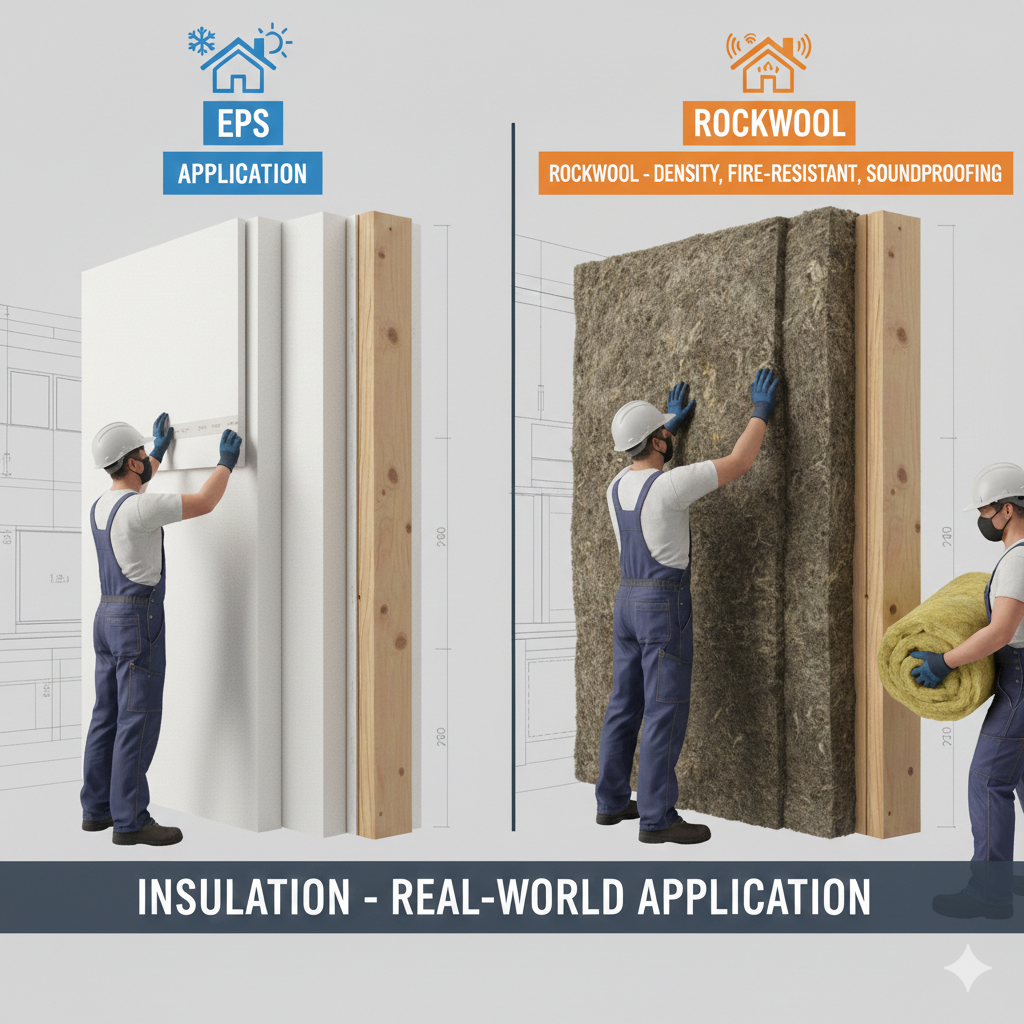
    Choosing the right insulation material is a critical decision for residential, commercial, and industrial buildings. Two of the most widely used materials are EPS insulation and rockwool insulation. While both serve the same primary purpose—reducing heat transfer—their composition, performance, and applications differ significantly.

    This EPS vs Rockwool – Complete Technical Comparison explains how each material works, where it performs best, and how to decide between them based on thermal, acoustic, moisture, and safety requirements.

    Understanding EPS Insulation

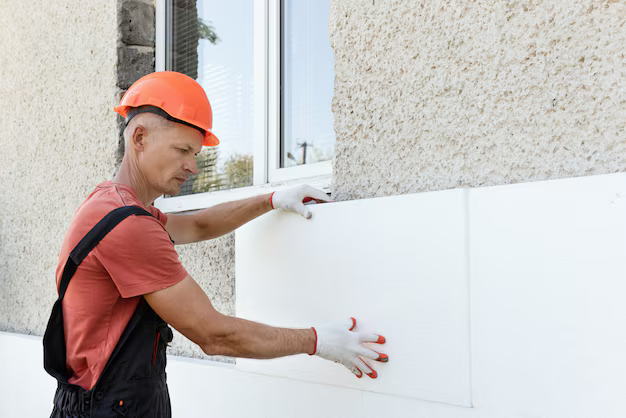
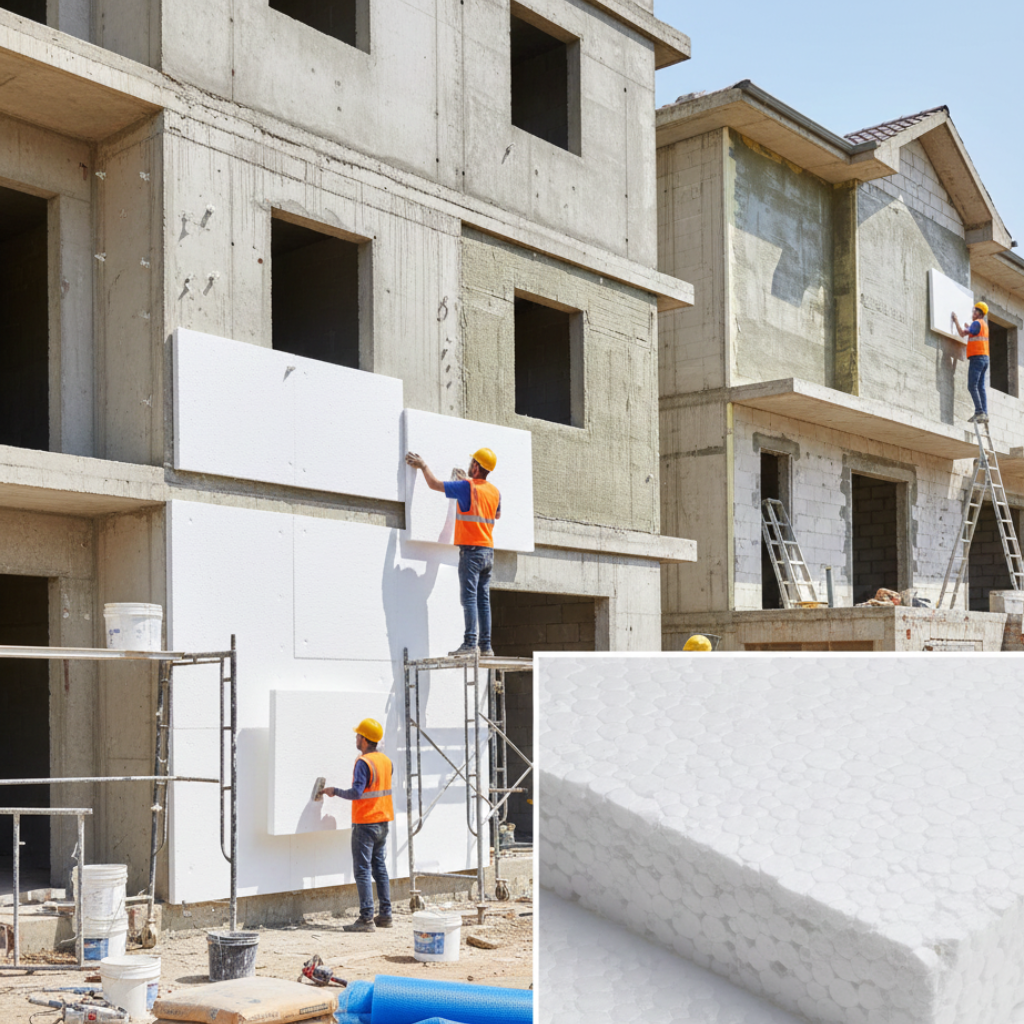
    Thermopore Sheet Installation

    EPS insulation (Expanded Polystyrene) is a rigid, lightweight insulation material made by expanding polystyrene beads using steam. The result is a closed-cell structure that traps air, which helps slow down heat transfer.

    EPS is widely used in walls, roofs, floors, and foundations due to its affordability and ease of installation.

    Key Characteristics of EPS

    • Lightweight and easy to handle
    • Consistent thermal performance
    • Resistant to moisture absorption
    • Cost-effective for large surface areas

    Understanding Rockwool Insulation

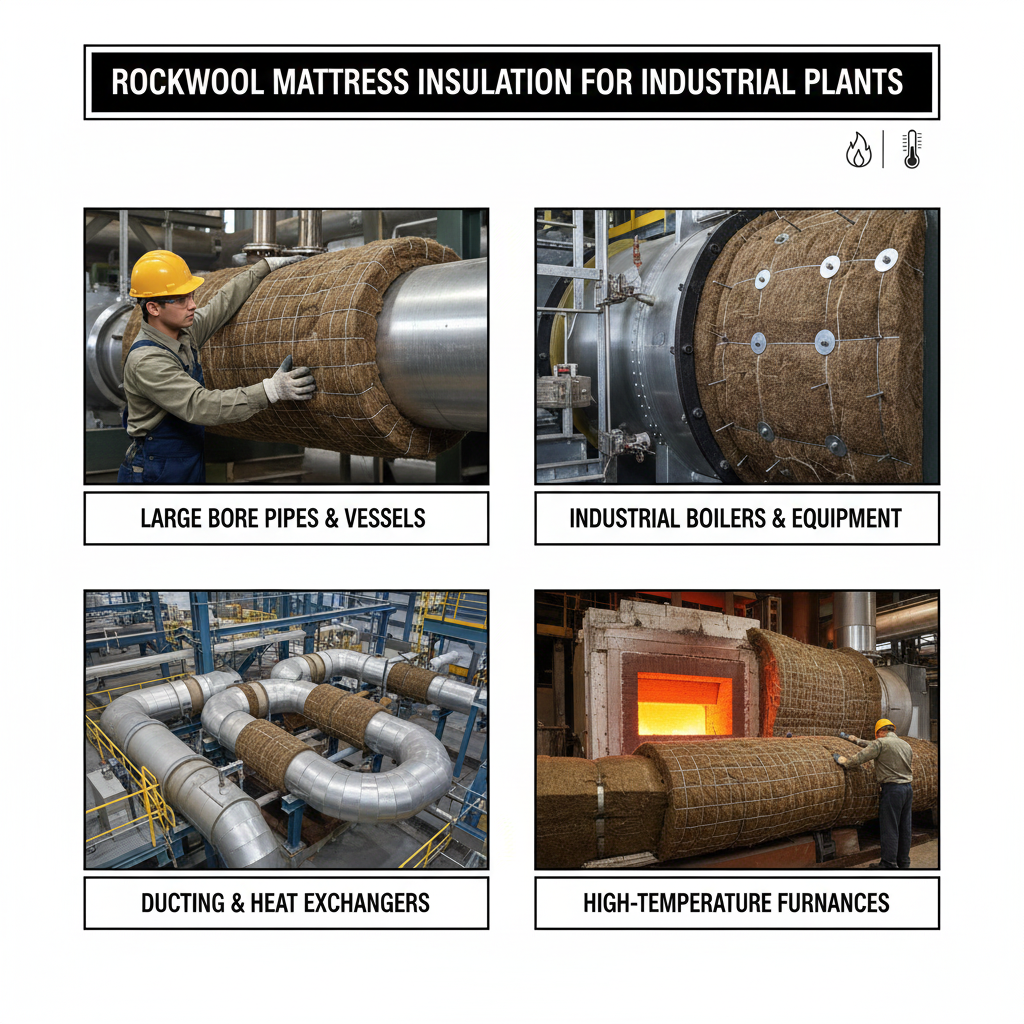
    Rockwool insulation is a mineral-based insulation material manufactured by melting volcanic rock and spinning it into dense fibers. This structure makes rockwool excellent for thermal resistance, sound absorption, and fire protection.

    Rockwool is commonly used in walls, roofs, industrial plants, and fire-rated structures.

    Key Characteristics of Rockwool

    • High density and durability
    • Excellent fire resistance
    • Superior sound absorption
    • Vapor-permeable structure

    EPS vs Rockwool – Material Composition Comparison

    One of the biggest differences in polystyrene vs rockwool insulation lies in how the materials are formed.

    EPS relies on trapped air inside rigid foam cells, while rockwool uses intertwined mineral fibers. This structural difference directly impacts performance in heat resistance, sound insulation, and fire behavior.

    Thermal Performance Comparison

    Both insulation types reduce heat transfer effectively, but in different ways.

    • EPS insulation provides stable thermal resistance due to its closed-cell design.
    • Rockwool insulation resists heat by slowing conduction through dense mineral fibers.

    In standard residential applications, both materials perform efficiently when installed correctly.

    EPS vs Rockwool – Technical Comparison Table

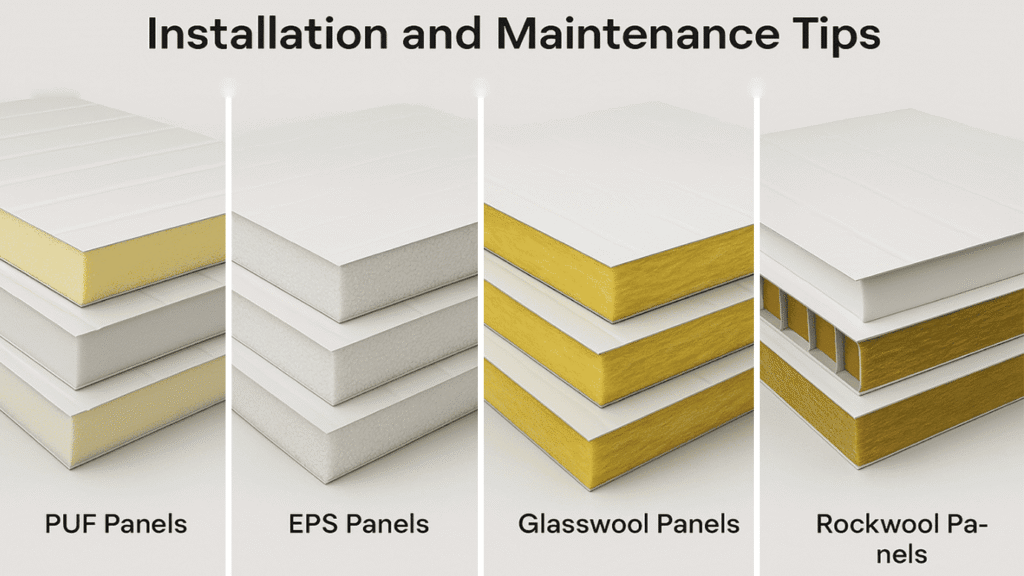
    FeatureEPS InsulationRockwool Insulation
    Material TypeExpanded PolystyreneMineral Wool
    Thermal PerformanceGoodVery Good
    Fire ResistanceLimited (needs protection)Excellent (non-combustible)
    Sound InsulationLow to MediumHigh
    Moisture ResistanceGoodModerate
    BreathabilityLowHigh
    Density Range10–30 kg/m³40–120 kg/m³
    WeightLightweightHeavier
    Installation EaseEasyModerate
    Common ApplicationsWalls, roofs, floorsFire-rated walls, partitions, ducts
    Cost LevelEconomicalHigher than EPS
    Suitability for Pakistan ClimateVery SuitableSuitable for premium projects

    EPS vs XPS – Where EPS Stands

    When discussing eps vs xps, EPS is generally more breathable and flexible in vapor movement, while XPS offers higher compressive strength. EPS remains popular for walls and roofs where breathability and cost-efficiency are priorities.

    Fire Resistance and Safety

    Fire performance is a major consideration in insulation selection.

    • Rockwool insulation is non-combustible and can withstand extremely high temperatures.
    • EPS is combustible but often treated with fire-retardant additives to slow flame spread.

    For fire-rated walls or industrial environments, rockwool is typically preferred.

    Sound Insulation Performance

    In polystyrene vs rockwool sound insulation, rockwool clearly outperforms EPS.

    • Rockwool absorbs airborne and impact sound due to its fibrous structure.
    • EPS primarily reflects sound rather than absorbing it.

    For noise-sensitive spaces such as apartments, offices, or studios, rockwool offers better acoustic comfort.

    Moisture Behavior & Breathability

    A common question is: is EPS insulation breathable?

    EPS allows limited vapor diffusion while resisting liquid water absorption. This makes it suitable for controlled indoor environments.

    Rockwool, on the other hand, is vapor-permeable and helps regulate moisture while remaining water-repellent. This characteristic makes it suitable for buildings that require breathability without trapping moisture.

    Installation & Handling Comparison

    • EPS insulation is easy to cut, lightweight, and quick to install, reducing labor time.
    • Rockwool is heavier and requires protective handling but offers greater structural stability in vertical applications.

    Environmental & Longevity Considerations

    Rockwool is manufactured from natural minerals and is dimensionally stable over time. EPS is long-lasting and recyclable but derived from petrochemical sources.

    Both materials have long service lives when installed properly.

    Where EPS Is the Better Choice

    EPS is ideal for:

    • Budget-sensitive projects
    • External wall insulation systems
    • Roof and floor insulation
    • Applications requiring lightweight materials

    Where Rockwool Is the Better Choice

    Soundproofing Material glasswool vs rockwool

    Rockwool is better suited for:

    • Fire-rated walls and ceilings
    • Soundproofing applications
    • High-temperature environments
    • Industrial and commercial buildings

    Final Verdict: EPS vs Rockwool

    There is no single “best” insulation—only the right one for your project.

    • Choose EPS insulation for affordability, ease of installation, and thermal efficiency.
    • Choose rockwool insulation when fire safety, sound insulation, and breathability are critical.

    Understanding the technical differences between these materials ensures better energy efficiency, comfort, and long-term performance.

    FAQ’S

    The main difference lies in composition and performance. EPS insulation is made from expanded polystyrene and focuses on thermal efficiency, while rockwool insulation is made from mineral fibers and offers superior fire resistance and sound absorption.

    For wall insulation in Pakistan, EPS is commonly used for residential projects due to affordability and thermal performance. Rockwool is preferred in commercial or industrial buildings where fire safety and acoustic insulation are critical.

    EPS insulation is not fully breathable. It has low vapor permeability, which helps block moisture but requires proper ventilation design to avoid condensation buildup inside walls.

    Yes. Rockwool performs significantly better in sound control. This is why polystyrene vs rockwool sound insulation comparisons often favor rockwool for apartments, offices, and studios.

    When comparing EPS vs XPS, XPS offers higher compressive strength and moisture resistance, while EPS is more cost-effective and widely used for wall and roof insulation.

    Rockwool is non-combustible and can withstand very high temperatures, making it safer in fire-rated applications. EPS must be protected with fire-resistant layers when used in building envelopes.