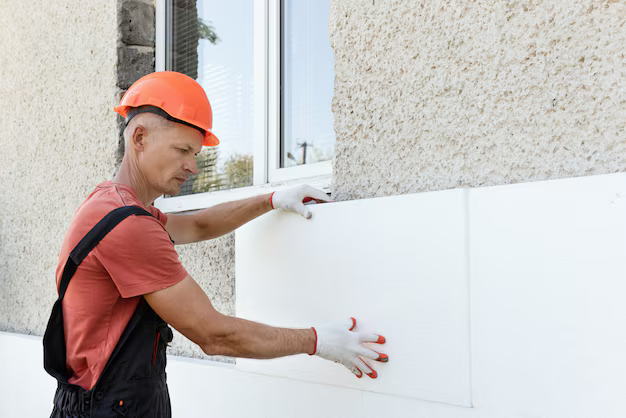

Thermocol sheets have become a popular choice in modern construction due to their affordability, lightweight structure, and thermal insulation properties. From residential houses to commercial buildings, thermocol sheet installation in construction is widely used to reduce heat transfer and improve indoor comfort.
This blog provides a complete guide to thermocol usage, pricing, installation methods, and practical considerations specific to Pakistan’s construction industry.
What Is a Thermocol Sheet?
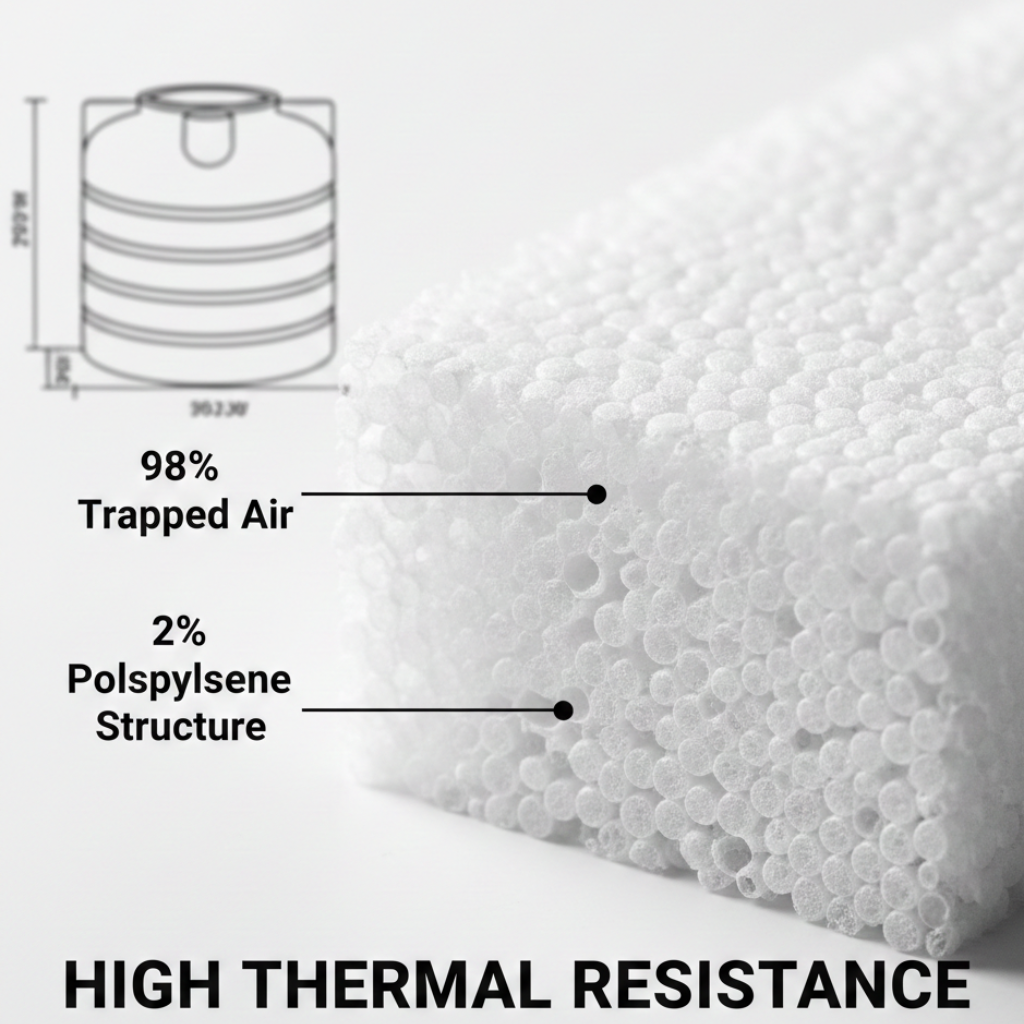
Thermocol is a type of expanded polystyrene (EPS) insulation material commonly used for thermal insulation. It is lightweight, easy to cut, and simple to install, making it suitable for a wide range of construction applications.
In local markets, thermocol is often referred to interchangeably with thermopore, which leads many buyers to ask about thermopore or thermocol differences.
Thermopore or Thermocol – Are They the Same?
Thermopore and thermocol are both EPS-based materials, but the difference usually lies in brand naming and density. In most construction projects, the terms are used interchangeably, although quality and insulation performance may vary by manufacturer.
Understanding this distinction helps buyers choose the right material for insulation needs.
Thermocol Sheet Installation in Construction in Pakistan
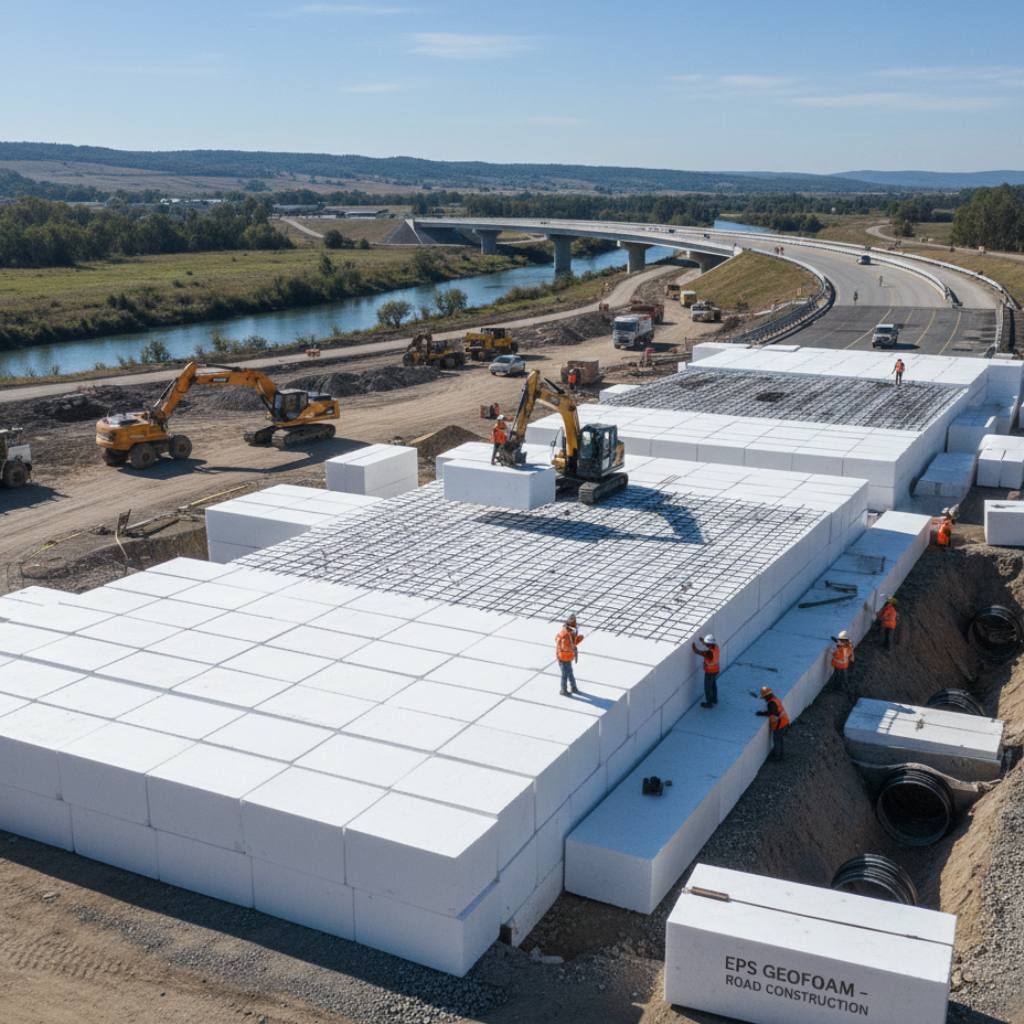
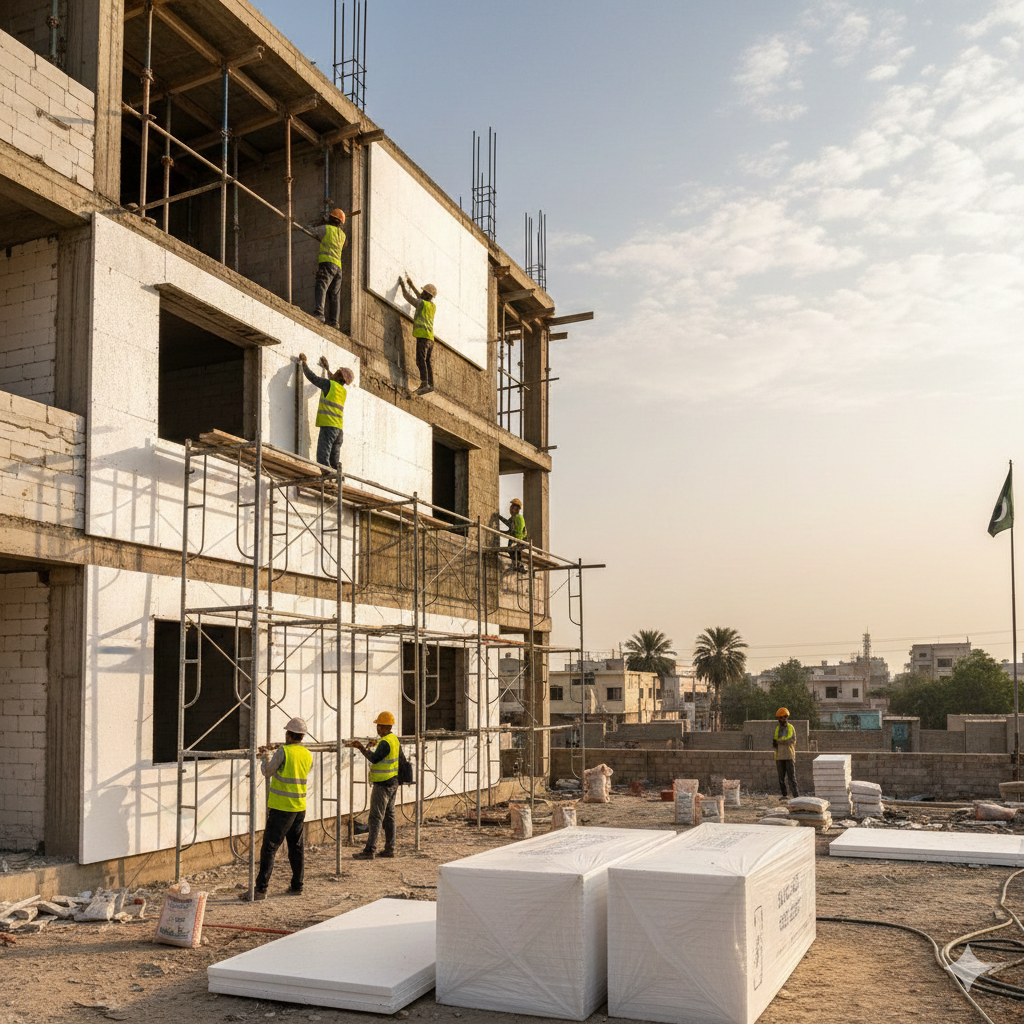
Thermocol sheet installation in construction in Pakistan is commonly done for:
- Roof slab insulation
- Wall insulation
- False ceilings
- Warehouse and shed roofing
The installation process is straightforward and does not require heavy machinery, which keeps labor costs low.
Thermocol Sheet Installation in Construction Cost
| Application | Installation Cost (PKR / sq.ft) |
|---|---|
| Roof insulation | 40 – 70 |
| Wall insulation | 35 – 60 |
| Ceiling insulation | 30 – 55 |
Step-by-Step Thermocol Sheet Installation Process
- Surface Preparation
The surface must be clean, dry, and free from dust or loose material. - Sheet Cutting and Placement
Thermocol sheets are cut according to required dimensions and placed evenly. - Fixing Method
Sheets are fixed using adhesive, mechanical fasteners, or cement mortar depending on application. - Protective Layer
A plaster, screed, or waterproof layer is applied to protect the thermocol sheets.
This method ensures proper insulation performance and durability.
Thermocol Sheet Installation in Construction Cost
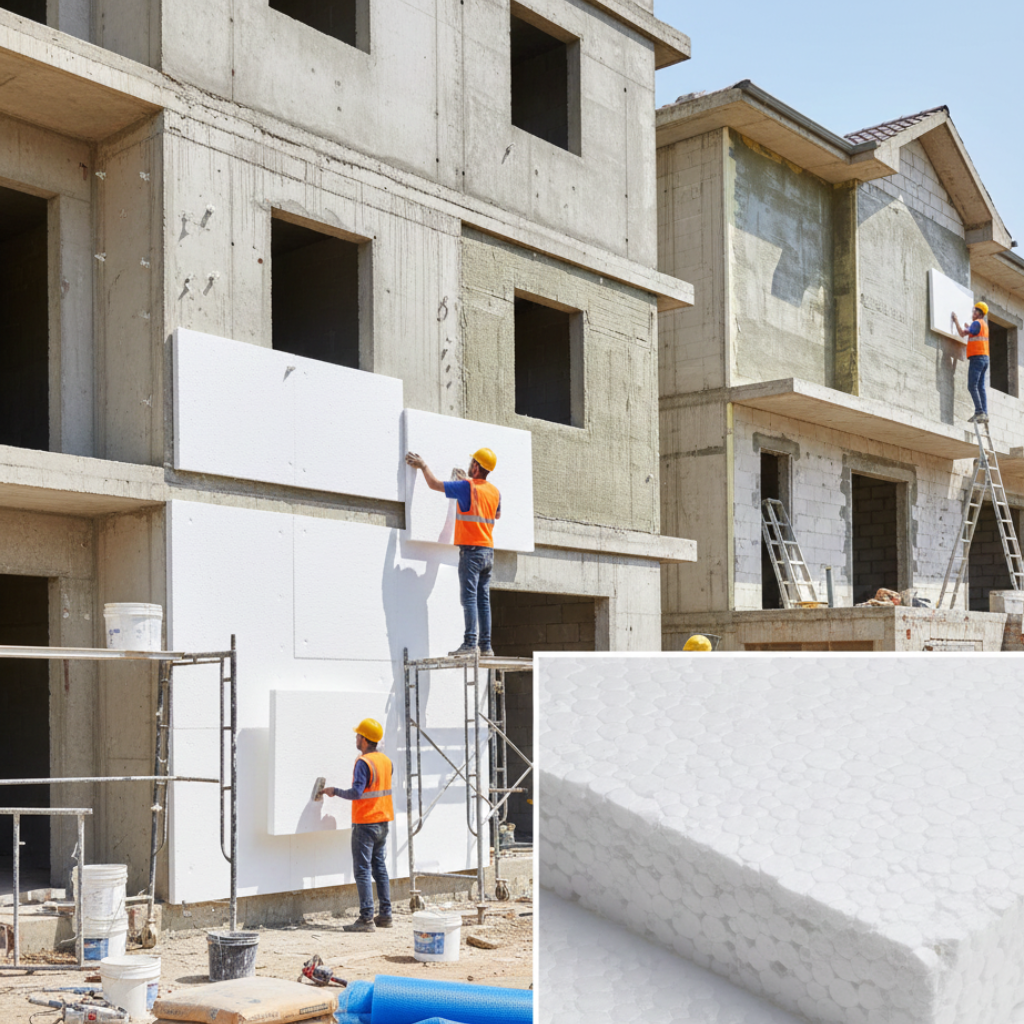
The thermocol sheet installation in construction cost depends on factors such as:
- Sheet thickness
- Area covered
- Fixing method
- Labor rates
Overall, thermocol remains one of the most cost-effective insulation options available in Pakistan.
Thermal Insulation Sheet Price in Pakistan
When compared to other materials, the thermal insulation sheet price in Pakistan for thermocol is relatively low. This makes it suitable for budget-conscious projects where basic thermal control is required without high investment.
Thermocol Sheet Price in Pakistan
The thermocol sheet price in Pakistan varies based on density and thickness. Thicker sheets offer better insulation but come at a slightly higher price. However, even premium thermocol sheets remain affordable compared to advanced insulation systems.
Thermocol Sheet Price & Installation Cost Table
Prices are market estimates and may vary by density, thickness, and location.
🔹 Thermocol Sheet Price in Pakistan
| Thickness | Use Case | Price Range (PKR / sq.ft) |
|---|---|---|
| 1 inch (25mm) | Wall insulation | 65 – 90 |
| 1.5 inch (38mm) | Roof & wall | 90 – 120 |
| 2 inch (50mm) | Roof insulation | 120 – 160 |
Thermocol Sheet Price in Lahore
Due to higher demand and better availability, the thermocol sheet price in Lahore is often competitive. Local suppliers offer a wide range of sizes and thickness options for residential and commercial use.
City-Wise Prices
| City | Price Trend |
|---|---|
| Lahore | Most competitive pricing |
| Karachi | Slightly higher due to moisture protection |
| Islamabad | Premium rates for finishing quality |
Thermocol Sheet in Lahore – Common Applications
The use of thermocol sheet in Lahore is common in:
- Residential roof insulation
- Commercial building walls
- Temporary site offices
- Industrial sheds
Its easy availability makes it a preferred insulation choice in the city.
Thermocol Sheet Installation Construction in Karachi
Because of Karachi’s hot and humid climate, thermocol sheet installation construction in Karachi is mainly focused on roof insulation to reduce heat gain. Moisture protection layers are usually added to enhance performance in coastal conditions.
Advantages of Thermocol Sheet Installation
- Lightweight and easy to handle
- Cost-effective insulation solution
- Reduces indoor temperature
- Low installation time
- Widely available across Pakistan
These advantages explain why thermocol remains popular in construction projects.
Limitations of Thermocol Sheets
- Lower fire resistance compared to mineral wool
- Requires protective finishing
- Not suitable for heavy load-bearing applications
Understanding these limitations helps avoid misuse.
Where Thermocol Works Best
Thermocol sheets are ideal for:
- Residential roofs
- Partition walls
- Warehouses
- Temporary structures
For high-performance insulation, alternative materials may be considered.
Final Thoughts
Thermocol sheet installation in construction offers a practical balance between cost and performance. For builders looking for affordable thermal insulation in Pakistan, thermocol remains a reliable choice when installed correctly and protected with suitable finishing layers.
Whether for Lahore, Karachi, or other cities, thermocol continues to play an important role in modern construction practices.
FAQ’S
Yes, thermocol sheets are widely used for roof insulation in Pakistan because they reduce heat transfer and are lightweight and affordable. Proper waterproofing is recommended for better performance.
Thermopore and thermocol are both EPS-based insulation materials. The main difference usually lies in brand quality, density, and manufacturing standards rather than material composition.
When installed correctly and covered with a protective layer, thermocol insulation can last 15–20 years in residential and commercial construction.
Thermocol is safe for houses when used with proper finishing and fire-safety considerations. It should not be left exposed in living areas.