
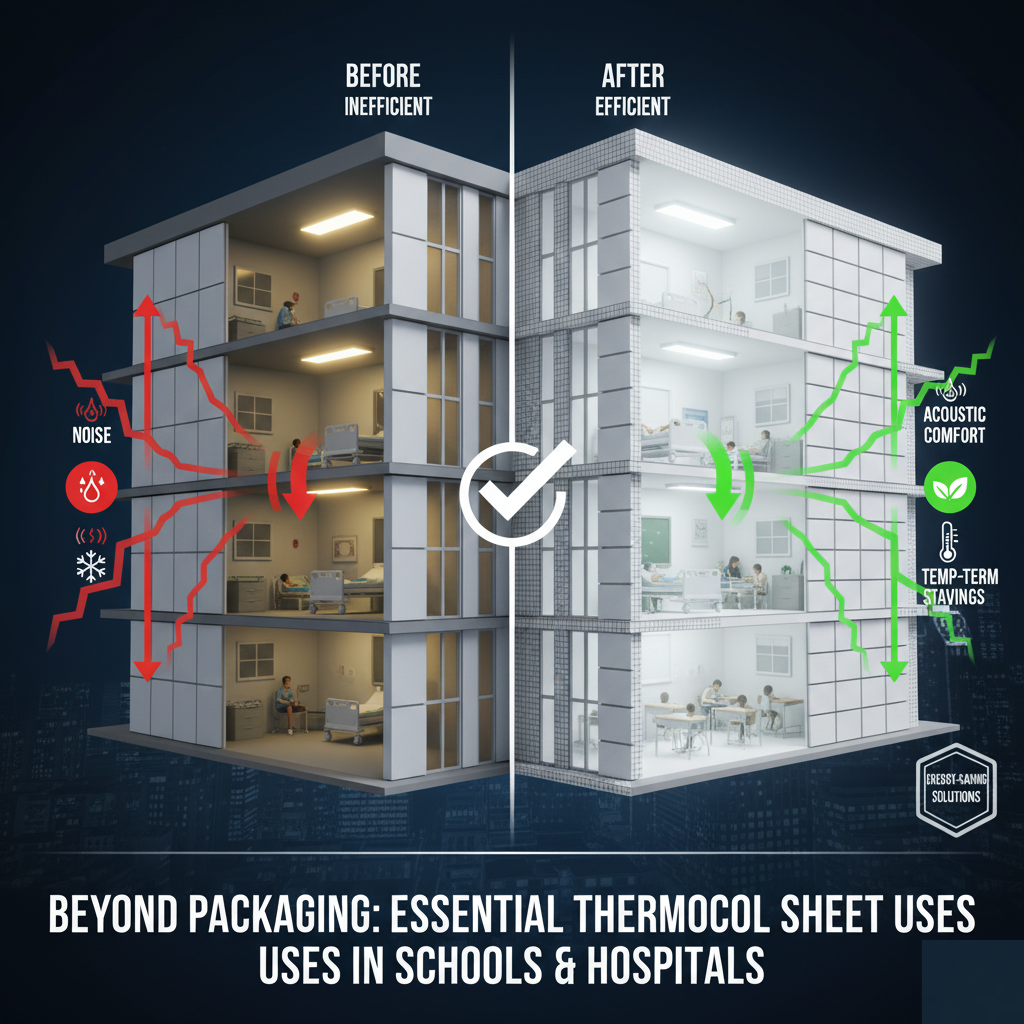
Understanding the Critical Needs of Institutional Buildings
Schools and hospitals are not ordinary structures; they are community pillars where human health, safety, and productivity are paramount. These institutions operate under unique and stringent demands:
- Hospitals require highly sterile environments, strict infection control, continuous temperature stability for patients and sensitive equipment, and a structure that supports complex services.
- Schools need quiet, comfortable learning spaces to foster a productive educational environment, along with materials that are durable, safe, and easily maintained to manage high traffic and rigorous cleaning protocols.
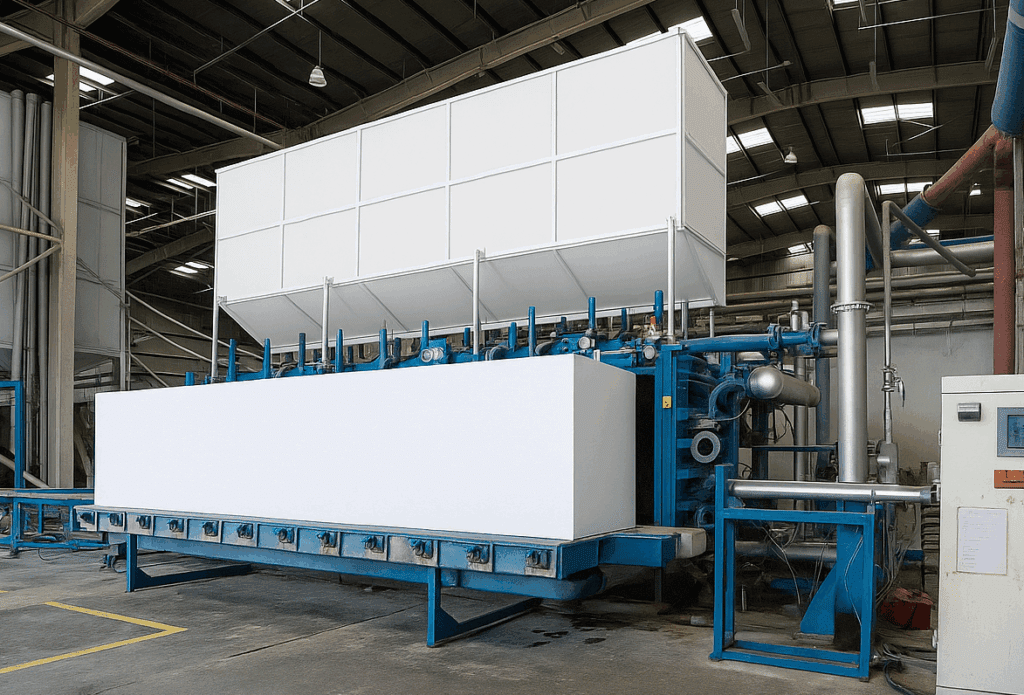
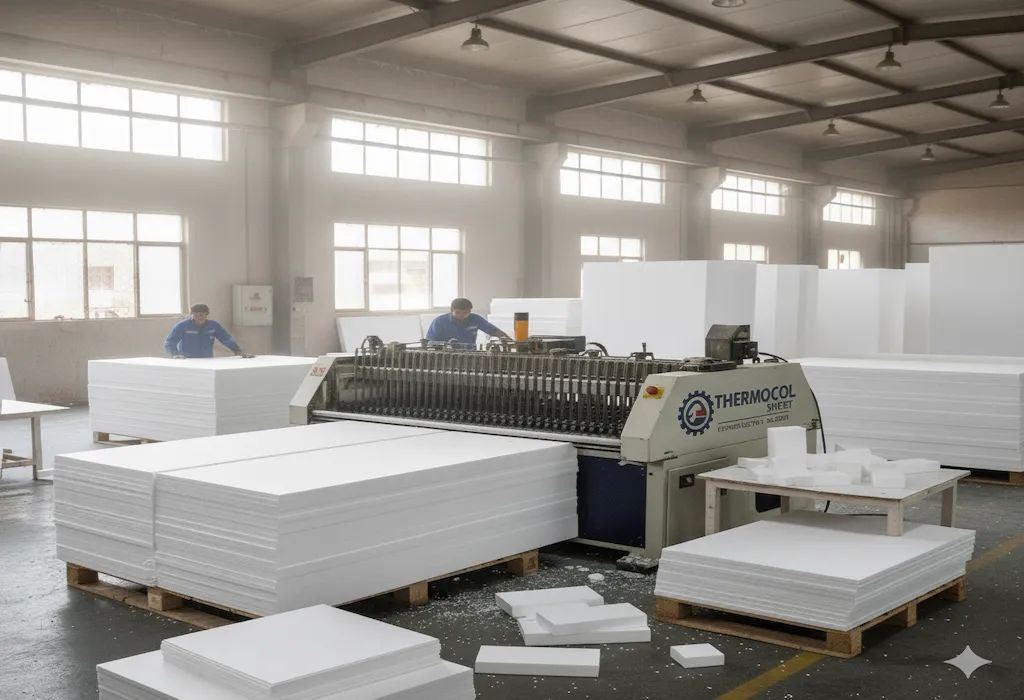
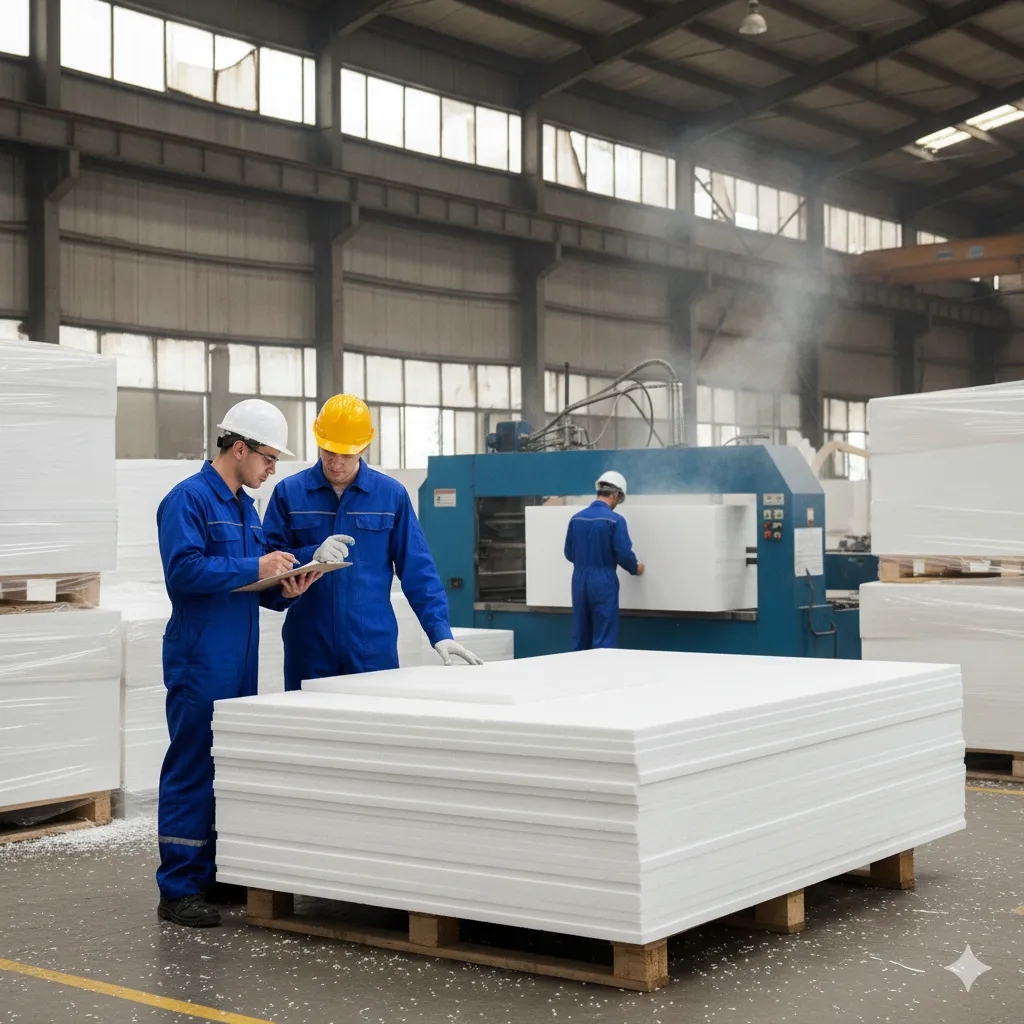
In both scenarios, the choice of building maintenance and construction materials is critical. Increasingly, Thermocol sheets, scientifically known as Expanded Polystyrene (EPS) foam boards, have emerged as a versatile and essential component, offering numerous advantages over traditional materials in addressing these specialized needs.

Temperature and Energy Control – The Role of Thermal Insulation Properties
The most recognized application of Thermocol sheets is in providing superior thermal insulation properties. In large institutional buildings, heating, ventilation, and air conditioning (HVAC) systems are major consumers of energy. Minimizing heat loss in winter and heat gain in summer is the fastest path to realizing significant operational savings.
Optimizing HVAC Efficiency in Hospitals
Hospitals, in particular, must maintain precise temperature zones, from operating theaters to patient recovery rooms. Ineffective insulation forces HVAC systems to run constantly, leading to inflated utility bills and increased risk of system failure.
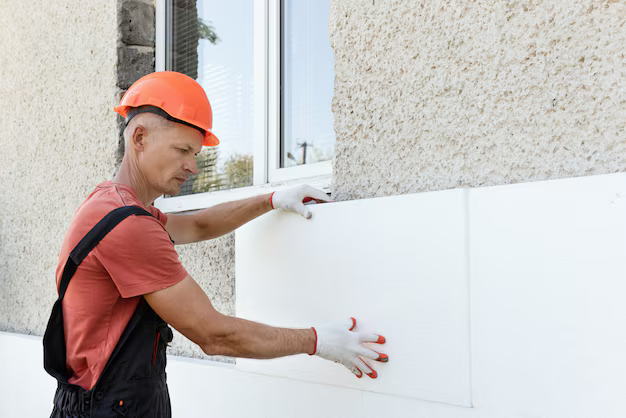
EPS foam boards are installed within walls, roofs, and flooring systems to create an effective thermal envelope. This crucial barrier stabilizes the internal temperature, allowing the HVAC system to operate efficiently. This material directly supports the institutional goal of achieving significant energy-saving solutions by reducing the building’s reliance on continuous climate control. This stability is critical for the storage of medicines and the operation of life-saving equipment, contributing to the overall integrity of the facility.
Creating a Comfortable Educational Environment

For schools, temperature regulation impacts student focus and attendance. A classroom that is too hot or too cold is a distraction. Thermocol sheets in the roof and ceiling of school buildings significantly reduce the external heat transfer. This passive cooling effect is especially important in regions with extreme climates, creating a more comfortable and conducive educational environment without excessively burdening the school’s budget. Their lightweight nature makes them ideal for retrofitting older school buildings without adding significant structural load.
Noise Reduction and Focus – The Benefit of Acoustic Insulation
In busy institutional settings, noise pollution is a serious concern. The clatter of hospital carts, intercom announcements, and machinery hum can hinder patient recovery, while noise from adjacent classrooms or outdoor traffic can impair student learning.
Enhancing Patient Recovery with Acoustic Insulation
Hospitals require quiet zones. Excessive noise is a known contributor to patient stress and poor sleep, directly affecting recovery times. Acoustic insulation is therefore vital for patient wards and consultation rooms.
While primarily known for its thermal resistance, high-density Expanded Polystyrene (EPS), especially when used in combination with other materials in partition walls, provides significant acoustic insulation benefits. It helps dampen sound vibrations and reduce reverberation, creating a quieter, more therapeutic environment essential for hygiene and safety protocols that rely on clear communication.
Supporting Learning with Sound Dampening
In a school, concentration is key. Noise transference between classrooms, gymnasiums, and hallways is a constant challenge. Using Thermocol sheets as an underlay in flooring or within false ceilings helps absorb impact noise and reduce airborne sound transmission. This investment in a quieter educational environment directly translates to better student comprehension and focus. The cost-effective material solution offers high-impact improvements in learning conditions without the prohibitive expense of specialized soundproofing systems.
Hygiene, Safety, and Construction Durability
Beyond environmental control, institutions prioritize durability, ease of maintenance, and compliance with health and fire safety standards.
Facilitating Infection Control and Hygiene
In hospitals, every material must be easy to clean and resistant to biological growth. EPS foam boards are non-fibrous and do not absorb water, making them inherently resistant to mold, mildew, and bacterial growth—a non-negotiable factor in infection control environments. When protected by a hard, sealed coating, the smooth, impermeable surfaces simplify the rigorous cleaning and sterilization procedures required for healthcare facilities, contributing greatly to overall hygiene and safety.
Fire-Retardant Grade and Structural Safety
Safety is paramount. Modern Expanded Polystyrene (EPS) materials are often available in a special fire-retardant grade (FR-grade), which is crucial for public buildings. While no material is completely fireproof, this treated EPS is designed to self-extinguish when the source of the fire is removed, significantly slowing the spread of flames and meeting specific regulatory requirements for institutional construction. Choosing this grade is a fundamental step in responsible building maintenance and code compliance.
Lightweight Construction for Rapid Deployment
The lightweight construction of Thermocol sheets and prefabricated panels offers immense logistical and structural advantages.
Schools: Faster construction times minimize disruption to the school calendar. The ease of handling the lightweight construction materials also lowers labor costs and simplifies on-site logistics.
Hospitals: Their light weight reduces the load on a building’s structure, which is important for multi-story hospitals. Furthermore, these prefabricated panels can be rapidly assembled, supporting quick renovations or the construction of temporary isolation wards—a necessity for modern healthcare logistics.
Maintenance, Cost, and Future-Proofing
The economic benefits of using EPS extend far beyond initial cost savings to encompass long-term building maintenance and operational budgets.
Cost-Effective Material for Large Scale Projects
Institutions operate on taxpayer or donor funds, making cost-effectiveness essential. Thermocol sheets are a remarkably cost-effective material compared to alternatives like rockwool or specialized rigid insulation foams, offering a high R-value per dollar spent. This affordability allows for comprehensive insulation coverage across vast areas—roofs, exterior walls, and floors—which maximizes the overall thermal insulation properties of the entire structure. This initial saving, combined with the continuous energy-saving solutions provided by the insulation, guarantees a substantial return on investment (ROI).
Durability and Longevity
High-quality, dense EPS foam boards are extremely durable. Unlike softer materials, they resist compression and degradation when properly installed and protected. Their resilience to moisture means they do not rot or support vermin, drastically reducing future building maintenance issues related to structural damage or mold remediation. This longevity ensures that the performance of the thermal insulation properties remains consistent over the decades-long lifespan of the school or hospital.
Versatility with Prefabricated Panels
The use of prefabricated panels—sandwich panels that incorporate Thermocol sheets—is growing in institutional building. These factory-made units ensure consistency, speed up installation, and are especially useful for constructing extensions or specialized rooms. They support the seamless integration of services while maintaining high hygiene and safety standards.
Conclusion: A Smart Investment in Institutional Infrastructure
The utilization of Thermocol sheets—or Expanded Polystyrene (EPS) foam boards—in schools and hospitals is a strategic choice that addresses the multifaceted challenges of institutional infrastructure. From providing essential acoustic insulation to creating an environment suitable for rigorous infection control, and from delivering powerful energy-saving solutions via excellent thermal insulation properties to facilitating rapid, lightweight construction using prefabricated panels, EPS is a superior and cost-effective material.
By adopting this versatile and durable material, institutions can ensure a higher standard of hygiene and safety, provide a more comfortable educational environment for students, and significantly reduce operational costs through reduced building maintenance and superior efficiency. It is an investment that pays dividends in both the balance sheet and the well-being of the community.
FAQ’S
Yes. In institutional and commercial construction, it is crucial to use a specific fire-retardant grade (FR-grade) of Expanded Polystyrene (EPS) foam boards. While standard EPS is flammable, the FR-grade is treated with flame retardants during manufacturing. This allows the material to meet stringent building codes by self-extinguishing when the ignition source is removed. This safety feature, combined with its excellent thermal insulation properties, makes the fire-retardant grade a safe and approved, cost-effective material for use in schools and hospitals, contributing significantly to overall hygiene and safety protocols.
Thermocol sheets aid infection control primarily because of their physical properties. They are non-fibrous, closed-cell materials, meaning they do not absorb moisture or support biological growth like mold, mildew, or bacteria, unlike some traditional insulation types. When used in composite structures like prefabricated panels with sealed, smooth outer skins, they create surfaces that are easy to clean, sterilize, and maintain, which is vital for meeting the high hygiene and safety standards required in healthcare environments.
The major benefit beyond temperature control is acoustic insulation. Schools require quiet spaces for effective teaching and concentration. When integrated into walls, ceilings, and flooring, EPS foam boards help dampen sound transmission and reduce ambient noise levels. This allows teachers to maintain a better learning atmosphere and ensures that students are not distracted by noise from adjacent classrooms or exterior traffic, creating a more focused and productive educational environment. This dual function of thermal and acoustic buffering is a key element of effective building maintenance.
Yes, when properly manufactured as prefabricated panels (often known as sandwich panels), the core Thermocol sheets (EPS foam boards) are sandwiched between durable outer layers, typically steel, cement board, or high-density plastic. This structure utilizes the light weight of the EPS for easy, lightweight construction while relying on the outer skins for structural integrity and resistance to wear and tear. This makes the panels highly durable, resistant to impact, and easy to clean, proving them suitable for the heavy demands and frequent building maintenance of institutional settings.