Keep your home energy-efficient with our premium Thermocol Products in Pakistan such as Thermocol InsulationSheets. Reliable Heat Insulation Solutions, tailored for Pakistan’s climate.
Choosing the right insulation material is one of the most important decisions in construction, especially in regions with extreme temperatures. In Pakistan, Thermopore, XPS, and Jumbolon are among the most commonly used insulation materials. This blog presents a detailed comparison of Thermopore vs XPS vs Jumbolon, helping homeowners, contractors, and builders understand which option suits their needs best.
Why Comparing Insulation Materials Matters
Different insulation materials perform differently depending on heat resistance, moisture exposure, durability, and cost. Many people ask thermopore vs xps vs jumbolon which is better, but the answer depends on application, budget, and performance expectations.
A clear comparison helps avoid long-term energy loss and unnecessary maintenance costs.
What Is Thermopore Insulation?
Thermopore is a lightweight insulation material made from expanded polystyrene. It is commonly used for basic thermal insulation in walls and ceilings.
Key Features of Thermopore
Lightweight and easy to install
Provides basic thermal insulation
Commonly available in sheet form
Thermopore sheet insulation is often chosen for low-budget projects where moderate insulation performance is acceptable.
What Is XPS Insulation?
XPS (Extruded Polystyrene) is a high-density insulation board designed for superior thermal resistance and moisture control. It is widely used in roofs, foundations, and floors.
Why XPS Is Considered Premium
Higher compressive strength
Excellent moisture resistance
Long service life
In most professional applications, XPS outperforms Thermopore and flexible foams.
What Is Jumbolon Insulation?
Jumbolon is a closed-cell polyethylene foam insulation commonly used for thermal and acoustic purposes. It is flexible, lightweight, and easy to apply in residential and commercial buildings.
The comparison of jumbolon vs thermopore often comes down to flexibility and ease of installation versus rigidity.
Performance Comparison: Thermopore vs XPS vs Jumbolon
Thermal Insulation Performance
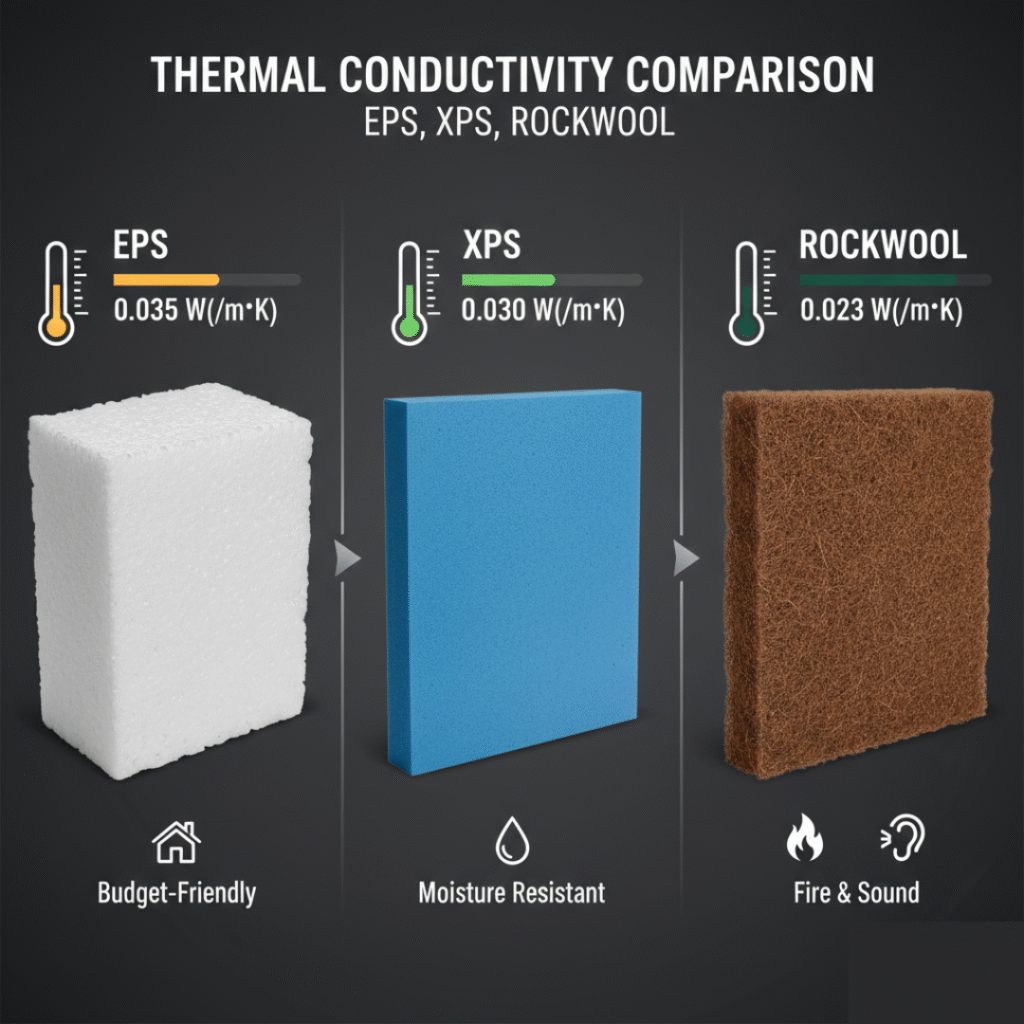
XPS offers the highest thermal resistance
Jumbolon provides moderate insulation with flexibility
Thermopore delivers basic thermal protection
This performance gap is why many ask thermopore vs xps vs jumbolon which is better for long-term use.
Moisture Resistance
XPS resists water absorption extremely well
Jumbolon performs well in humid environments
Thermopore may absorb moisture over time
Durability and Strength
XPS is structurally strong and load-bearing
Jumbolon is flexible but not load-bearing
Thermopore is fragile and prone to breakage
Price Comparison in Pakistan
Jumbolon Price in Pakistan
The jumbolon price in pakistan varies depending on thickness, density, and brand. It is generally considered affordable and suitable for residential insulation projects.
Jumbolon Sheet Price in Pakistan
The jumbolon sheet price in pakistan depends on sheet thickness and roll size. Thicker sheets naturally cost more but offer better insulation.
12mm Jumbolon Sheet Price in Pakistan
The 12mm jumbolon sheet price in pakistan is commonly searched because this thickness is widely used for roof and ceiling insulation due to its balance between cost and performance.
Thermopore Price
Thermopore price is usually lower than both XPS and Jumbolon, making it a budget-friendly option for short-term or low-demand insulation needs.
Overall Jumbolon Price Comparison
When evaluating overall jumbolon price, it sits between Thermopore and XPS, offering a good balance of flexibility, insulation, and affordability.
Best Use Cases for Each Material
When to Use Thermopore
Low-budget construction
Temporary insulation needs
Non-load-bearing areas
Use of XPS
Roof insulation
Foundations and floors
Long-term energy-efficient buildings
When to Use Jumbolon
Residential roofs and ceilings
Acoustic insulation
Areas requiring flexible insulation
Final Verdict: Which One Should You Choose?
There is no single answer to thermopore vs xps vs jumbolon which is better. The right choice depends on your specific needs:
Choose XPS for maximum durability and thermal performance
Choose Jumbolon for flexible, cost-effective insulation
Choose Thermopore for basic, low-cost applications
Understanding the difference between jumbolon vs thermopore and comparing them with XPS ensures you invest in the right insulation solution.
Conclusion
Comparing Thermopore vs XPS vs Jumbolon helps builders and homeowners make informed insulation decisions. While XPS delivers premium performance, Jumbolon offers flexibility and affordability, and Thermopore remains a basic insulation choice for budget projects.
Selecting the right material today can lead to better comfort, lower energy bills, and long-term savings.
FAQ’S
The better option depends on usage. XPS offers the best thermal performance and durability, Jumbolon provides flexible and cost-effective insulation, while Thermopore is suitable for basic and low-budget applications.
Jumbolon is flexible and moisture-resistant, while Thermopore is rigid and more fragile. Jumbolon is better for roofs and ceilings, whereas Thermopore is mainly used for basic wall insulation.
Yes, XPS is generally better than Thermopore for roofs because it has higher compressive strength, better moisture resistance, and longer service life.
Jumbolon price in Pakistan depends on thickness, density, sheet size, and brand. Thicker sheets usually provide better insulation and cost more.
The jumbolon sheet price in Pakistan varies by thickness and quality. Standard sheets are more affordable, while thicker insulation sheets cost slightly higher.
The 12mm jumbolon sheet price in Pakistan is popular because this thickness offers a good balance between insulation performance and affordability for residential roofs.
Thermopore can be used for short-term or low-load applications. For long-term durability and higher insulation performance, XPS or Jumbolon is generally recommended.
XPS performs best in moisture-prone areas due to its closed-cell structure, while Jumbolon also performs well. Thermopore may absorb moisture over time.
Thermopore Sheet has become one of the most important insulation materials for residential, commercial, and industrial applications in Pakistan. Known for its lightweight structure, excellent heat resistance, and long-term durability, Thermopore offers an affordable way to control indoor temperature and reduce energy consumption. With rising electricity costs and extreme seasonal weather, Thermopore insulation sheets are now widely used in construction, packaging, cold storage, and roofing projects.
In this comprehensive guide, we explore everything about Thermopore sheets — from manufacturing and density options to applications, benefits, pricing trends, and choosing the right insulation material for your project.
Introduction to Thermopore Sheet
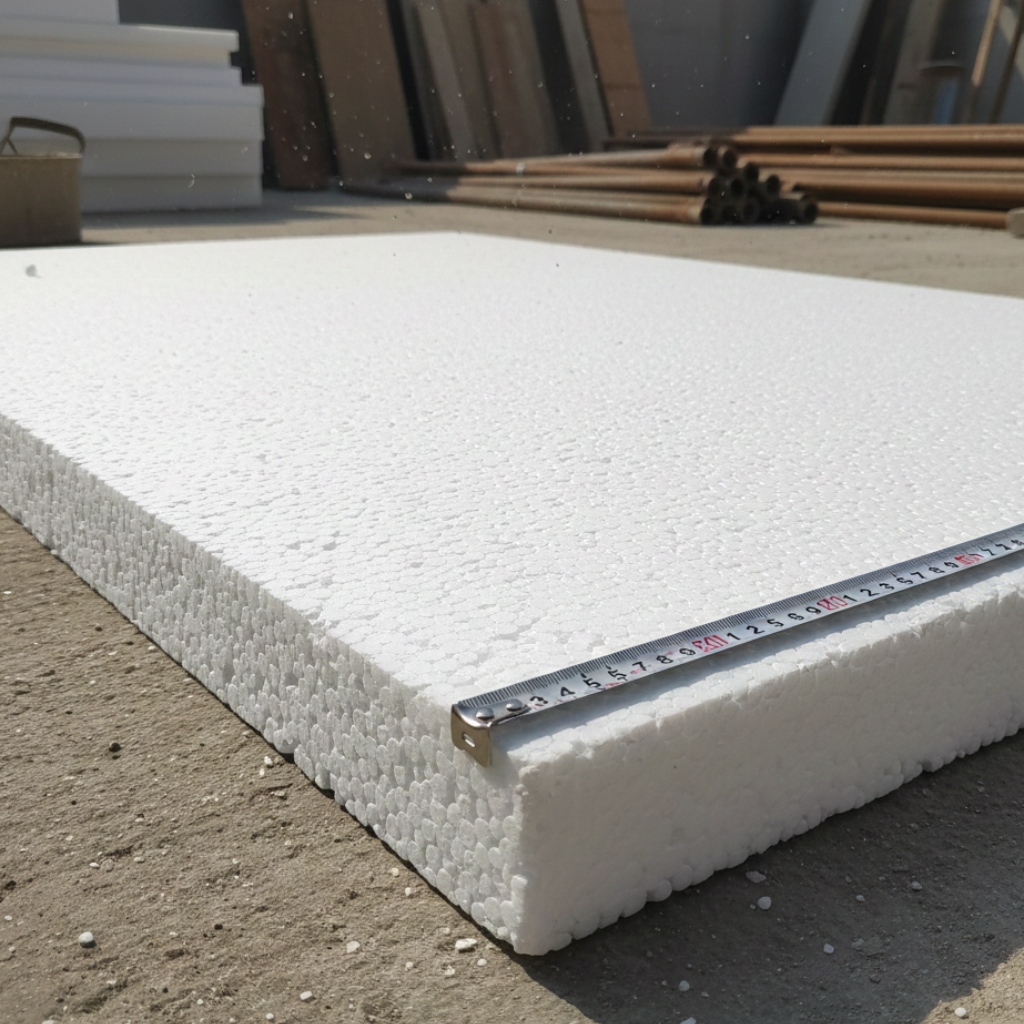
A Thermopore sheet is a high-quality expanded polystyrene (EPS) insulation material designed for temperature control and structural protection. In Pakistan, Thermopore is widely preferred due to its durability, moisture resistance, and cost-effective performance. Whether it’s roof insulation, wall insulation, or industrial packaging, Thermopore sheets deliver long-term thermal efficiency without increasing construction costs.
Thermocol Sheet Pakistan is widely known for producing reliable and affordable insulation materials used in residential, commercial, and industrial construction. Among the most popular options is the EPS insulation sheet, which offers excellent thermal resistance and long-term durability. Builders across the country often choose this material because it performs exceptionally well in both hot and cold climates. Another commonly used product is the polystyrene sheet Pakistan, valued for its lightweight structure and versatility in various building applications. Whether used for walls, roofs, or industrial projects, a high-quality thermal insulation board helps improve energy efficiency, reduce electricity consumption, and maintain comfortable indoor temperatures throughout the year.
Thermopore Sheet Manufacturing Process
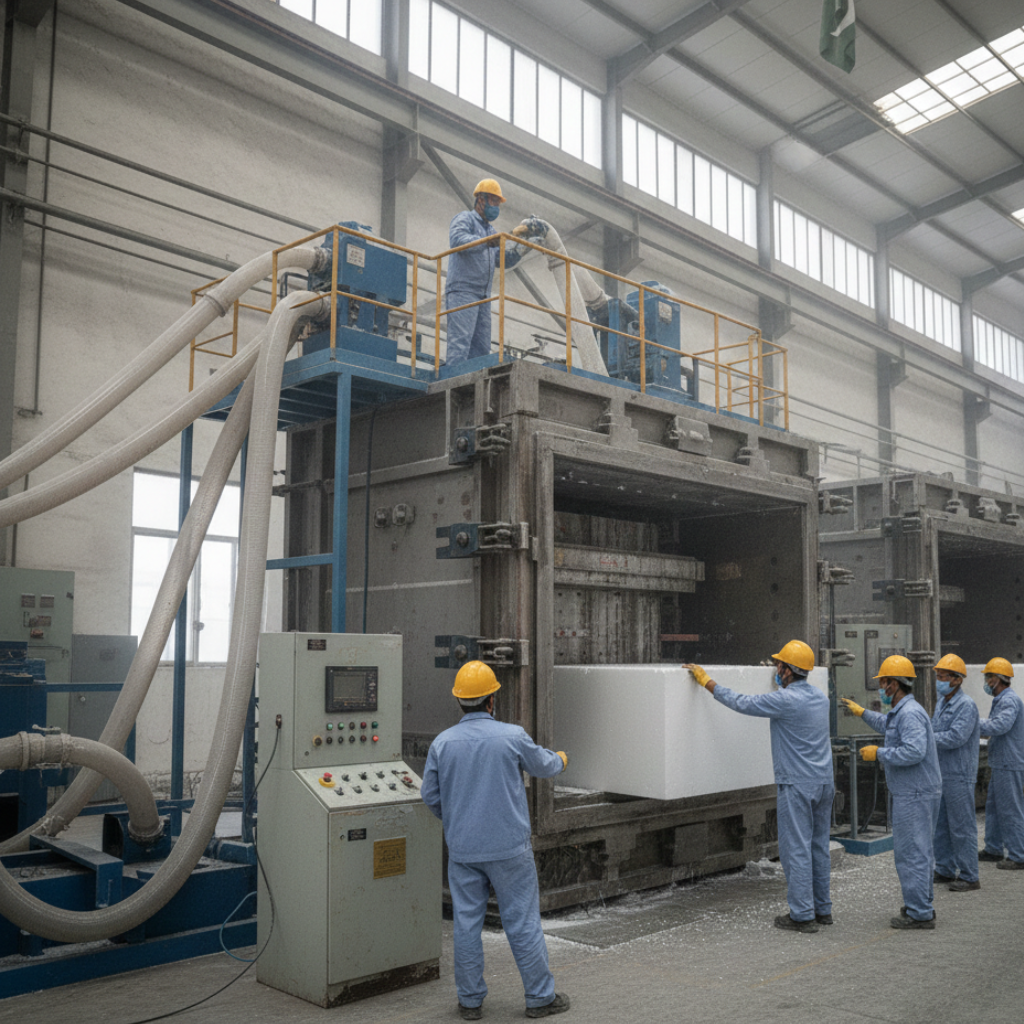
Thermopore sheets are manufactured through an EPS bead expansion process. The beads are steamed, molded, and fused together to form solid insulation boards. Each sheet is crafted with precise density, thickness, and size specifications to meet industry standards. High-density Thermopore sheets are produced for heavy-duty applications such as cold storage, roofing, and acoustic insulation.
Manufacturers in Pakistan follow rigorous quality controls to maintain consistency, structural strength, and thermal resistance. Modern construction relies heavily on advanced EPS technology, which allows manufacturers to create lightweight, durable, and energy-efficient insulation solutions. Through precise expanded polystyrene production, small polystyrene beads are expanded, molded, and fused into strong insulation panels suitable for a wide range of applications. One of the most popular products is the insulation foam sheet, known for its thermal resistance and moisture protection, making it ideal for both residential and commercial use. For projects that require greater strength and stability, builders often choose high-density insulation material, which provides enhanced compressive strength and long-term performance in roofing, flooring, cold storage, and industrial environments.
Types of Thermopore Sheets
Thermopore sheets come in various types depending on their density, thickness, and intended purpose:
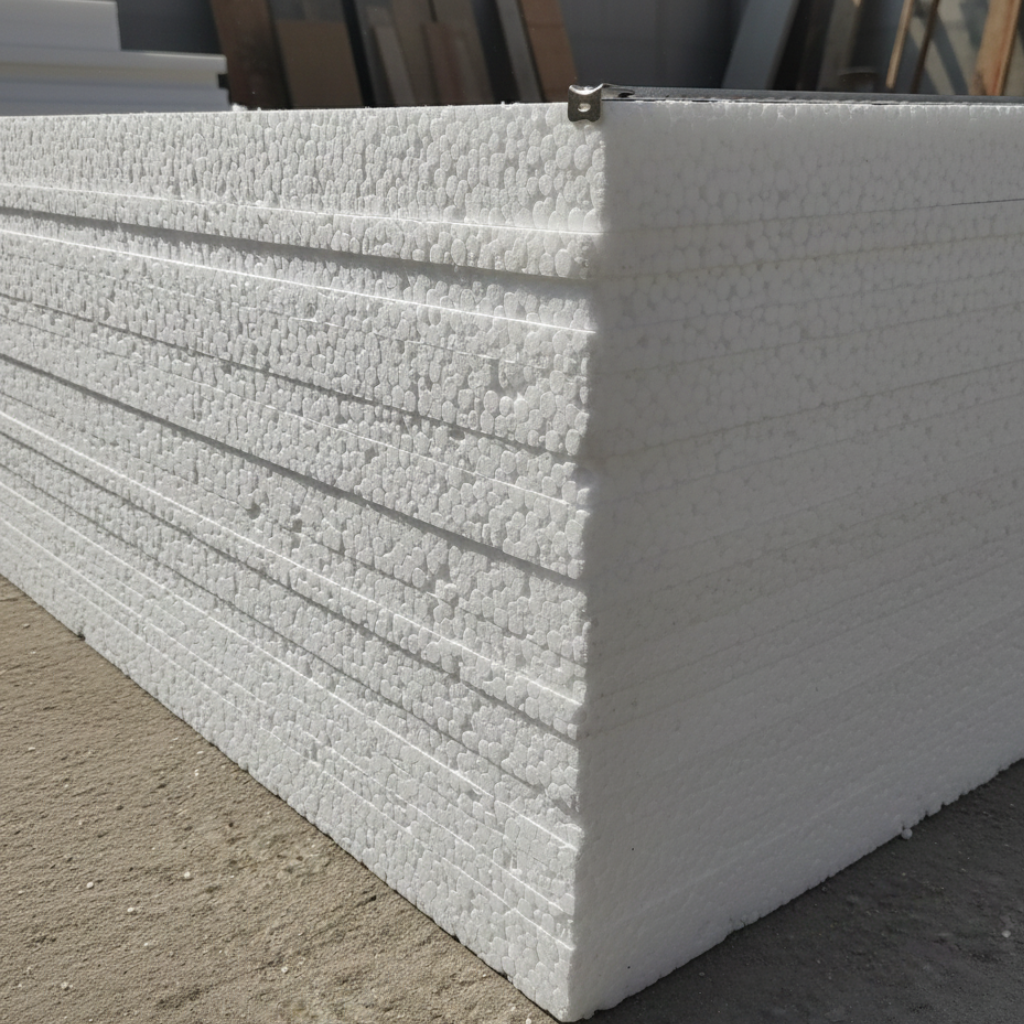
a. Standard Thermopore Sheet
Ideal for general-purpose insulation such as walls and lightweight packaging.
b. High-Density Thermopore Sheet
Suitable for roofing, flooring, industrial insulation, and applications requiring greater compressive strength.
c. Thermopore Insulation Boards
Used in commercial buildings, HVAC insulation, cold rooms, and heat-resistant structures.
d. Roof & Wall Insulation Sheets
Specifically designed to reduce heat transfer and improve energy efficiency in homes and offices.
Builders today rely on a variety of EPS board types to achieve efficient temperature control and long-lasting performance in modern construction projects. These boards are widely recognized for their ability to act as thermal resistance sheets, helping reduce heat transfer and maintain comfortable indoor environments throughout the year. For residential and commercial structures, roof insulation boards are especially popular, as they provide strong thermal protection against intense sunlight and fluctuating outdoor temperatures. Similarly, insulation wall panels play a key role in improving energy efficiency, enhancing soundproofing, and creating more stable indoor climates, making them essential components in contemporary building design.
Key Benefits of Thermopore Sheets
Thermopore insulation offers numerous advantages, making it a popular choice across Pakistan:
✔ Lightweight & Easy to Handle
The sheets are extremely light, making transportation and installation simple.
✔ Superior Thermal Insulation
They effectively block heat transfer, keeping indoor spaces cooler in summers and warmer in winters.
✔ Moisture & Weather Resistant
Thermopore does not absorb water, making it perfect for roofs and humid environments.
✔ Cost-Effective Insulation Material
Compared to other insulation materials, Thermopore offers better performance at a lower price.
✔ Energy Efficient & Eco-Friendly
Reduces load on air conditioning systems, lowering electricity bills.
Modern construction increasingly prioritizes energy-efficient insulation materials that help reduce electricity consumption and maintain comfortable indoor temperatures. Among these solutions, the thermal protection sheet stands out for its ability to block heat transfer and enhance overall building performance. In regions with high temperatures, homeowners and builders often rely on heat-proofing insulation to reduce AC load and improve long-term energy savings. For environmentally conscious projects, choosing an eco-friendly EPS sheet is an excellent option, as it offers strong insulation, lightweight durability, and sustainable performance without harming the environment.
Applications of Thermopore Sheets in Pakistan
Thermopore sheets have versatile uses across various industries:
a. Residential & Commercial Insulation
Homes, offices, and buildings use Thermopore for walls, ceilings, and floors.
b. Roof Insulation
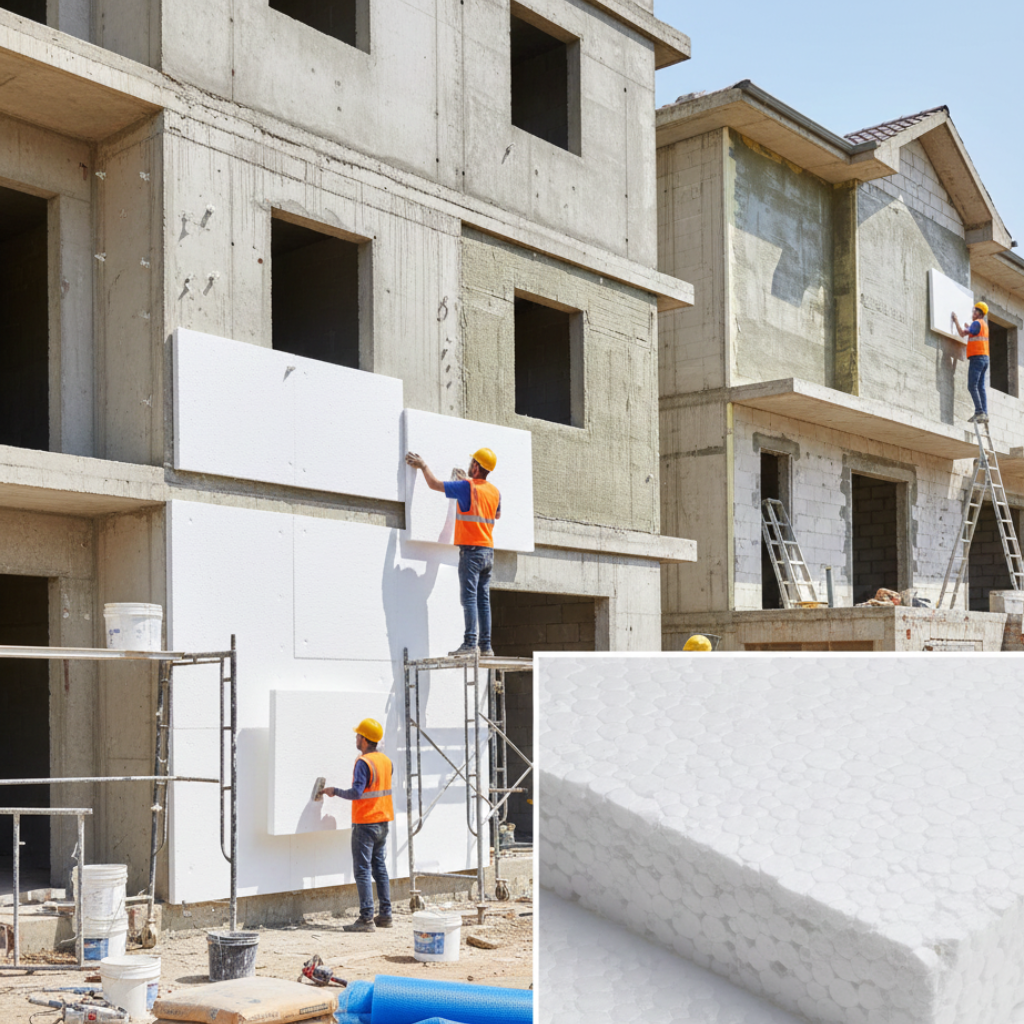
Prevents heat from entering through concrete roofs — essential in Pakistan’s hot climate.
c. Wall Insulation Panels
Enhances soundproofing and temperature stability.
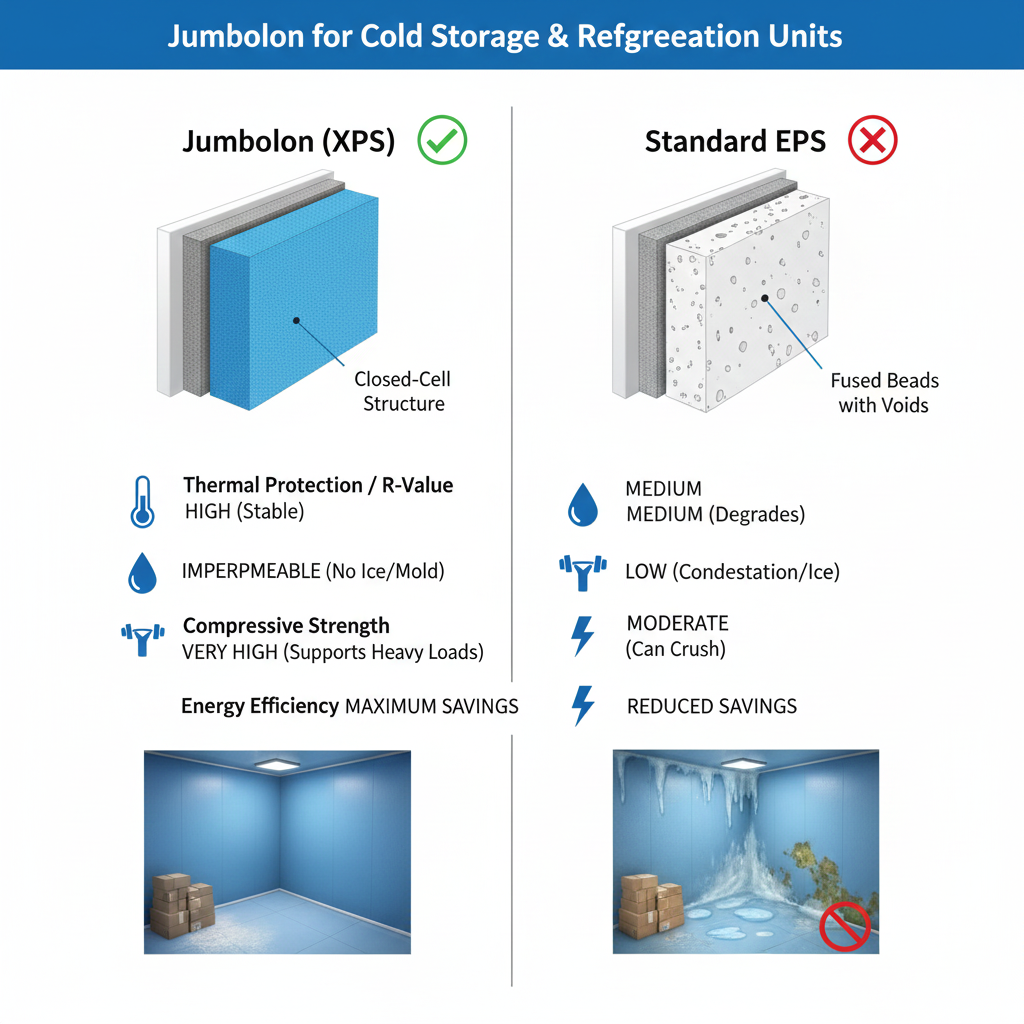
d. Cold Storage & Packaging
High-density EPS sheets are used to store frozen goods, fruits, and pharmaceuticals.
e. Industrial Construction
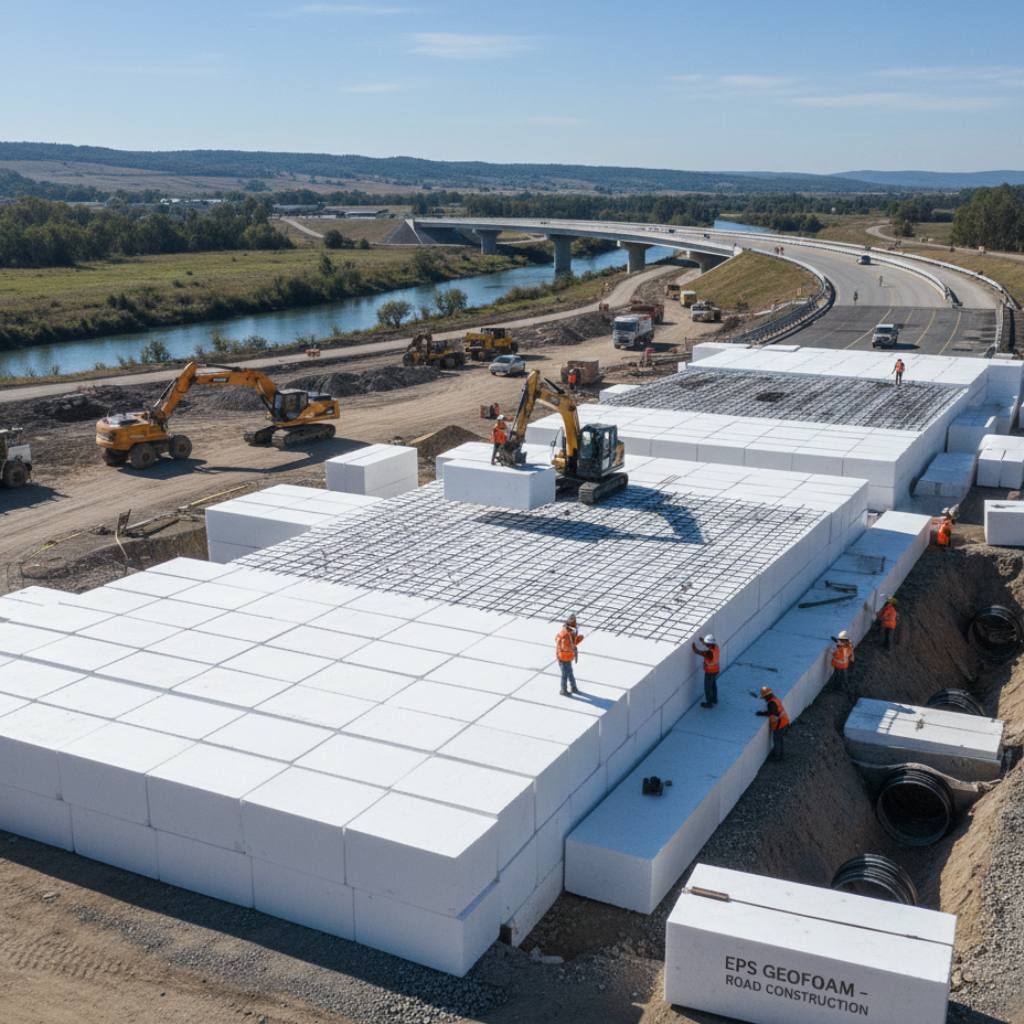
Ideal for sheds, factories, and pre-fabricated structures.
f. HVAC & Duct Insulation
Provides long-term resistance against condensation and temperature loss.
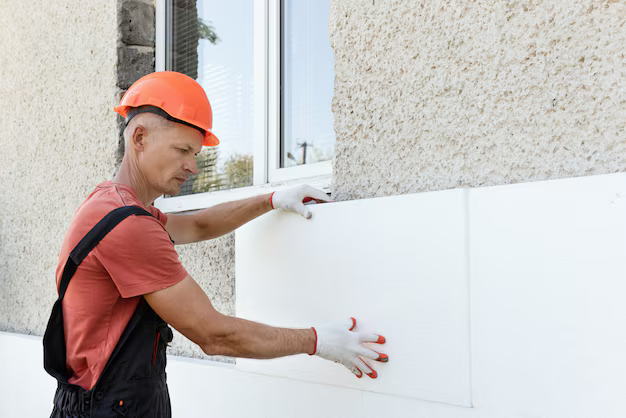
In Pakistan’s construction and industrial sectors, roof insulation sheets play a crucial role in reducing heat transfer and maintaining cooler indoor temperatures during extreme summers. For interior thermal stability, builders often install wall insulation panels, which help improve energy efficiency and overall comfort in residential and commercial buildings. Industries that require controlled temperature environments rely heavily on cold room insulation, ensuring consistent cooling for food storage, pharmaceuticals, and perishable products. For factories, warehouses, and metal structures, shed insulation sheets provide effective protection against heat, moisture, and environmental fluctuations. Meanwhile, manufacturers and exporters frequently use packaging EPS sheets because of their lightweight durability, shock absorption, and ability to protect fragile items during transportation.
Thermopore Sheet Price in Pakistan (2025 Updated Guide)
Thermopore sheet price in Pakistan varies based on density, thickness, and brand. The most influential factors include:
Sheet density (low, medium, high density EPS)
Sheet thickness (1-inch to 5-inch)
Sheet size (2×4, 4×8 feet)
Insulation quality
Wholesale vs retail purchases
Average Price Range (2025):
Low-density EPS sheet: PKR 180 – PKR 250
Medium-density Thermopore: PKR 260 – PKR 480
High-density insulation sheet: PKR 500 – PKR 900+
Bulk purchases offer discounted factory rates for contractors and industrial buyers.
The Thermopore sheet price in Pakistan varies depending on density, thickness, and sheet size, making it important for buyers to compare rates before purchasing. Many construction projects consider the insulation sheet price when planning budgets, as high-quality EPS sheets provide long-term energy savings and durability. For those sourcing materials in large quantities, the EPS sheet price Pakistan can be more economical when purchased in bulk. Leading suppliers offer wholesale Thermopore sheets at factory rates, making it easier for contractors and businesses to complete large-scale insulation projects. Additionally, bulk EPS sheets are available for industrial applications, cold storage, and commercial building insulation, ensuring cost-effective solutions without compromising on quality.
How to Choose the Right Thermopore Sheet
Selecting the right Thermopore sheet requires considering:
✔ Density
Higher density = stronger sheet + better insulation. Recommended for roofs and cold rooms.
✔ Thickness
1”–2” for walls
2”–3” for roofs
3”–4” for cold storage
✔ Application Requirement
Lightweight sheets for packaging, high-density sheets for structural insulation.
Choosing the right insulation requires understanding an insulation density guide, which helps determine the appropriate material for different applications such as roofs, walls, and floors. Builders and homeowners can select from a variety of EPS thickness options depending on the level of thermal resistance needed, whether for standard residential use or heavy-duty industrial projects. Following practical construction insulation tips ensures proper installation, maximizes energy efficiency, and extends the lifespan of the insulation materials, making it a smart investment for both new builds and renovation projects.
Thermopore Sheet vs Other Insulation Materials
Thermocol vs Jumbolon
Thermopore is EPS-based
Jumbolon is EPE-based
Thermopore offers higher rigidity and stability for construction
Thermopore vs Foam Sheets
Better temperature control
More durable than standard foam insulation
EPS vs XPS Boards
EPS is cost-effective and breathable
XPS offers higher moisture resistance but is more expensive
When choosing insulation materials, it is important to understand the differences between EPS vs XPS insulation. EPS sheets are lightweight, cost-effective, and breathable, making them ideal for most residential and commercial applications, while XPS boards offer higher moisture resistance and compressive strength but at a higher price. For projects that require flexibility and shock absorption, a Jumbolon comparison can help determine whether EPE-based Jumbolon or EPS sheets are more suitable. Additionally, builders often consider foam sheet alternatives as lightweight insulation options, especially for packaging, temporary structures, or areas where easy handling and quick installation are required.
Best Thermopore Sheet Manufacturers & Suppliers in Pakistan
A good manufacturer should provide:
High-density and standard EPS options
Factory rates and wholesale pricing
Custom sizes and thickness
Nationwide delivery
Installation guidance
Many suppliers offer roof insulation solutions, wall insulation panels, and bulk EPS sheet orders for contractors and builders.
When sourcing high-quality Thermopore sheets, it is essential to work with a reliable Thermopore supplier Pakistan who can provide consistent material quality and timely delivery. Reputable EPS manufacturers in Pakistan ensure that every sheet meets industry standards for density, thermal resistance, and durability. For large-scale construction or industrial projects, an experienced insulation sheet distributor can supply various sizes and thicknesses to meet specific requirements. Additionally, bulk insulation suppliers offer competitive pricing for large orders, making it easier for contractors, builders, and commercial buyers to complete their projects efficiently without compromising on quality.
Conclusion
Thermopore sheets remain one of the most reliable and affordable insulation solutions in Pakistan. Their versatility, energy efficiency, and long-term durability make them ideal for roofing, walls, cold storage, packaging, and large-scale construction. Whether you’re a contractor, homeowner, or industrial buyer, Thermopore insulation offers unmatched performance at an excellent price point.
FAQ’S
Density ranges from 12 kg/m³ to 30 kg/m³ depending on application.
Yes, it significantly reduces heat absorption and maintains indoor temperature.
Prices typically vary from PKR 180 to PKR 900+ depending on thickness and density.
With proper installation, Thermopore sheets can last over 20 years.