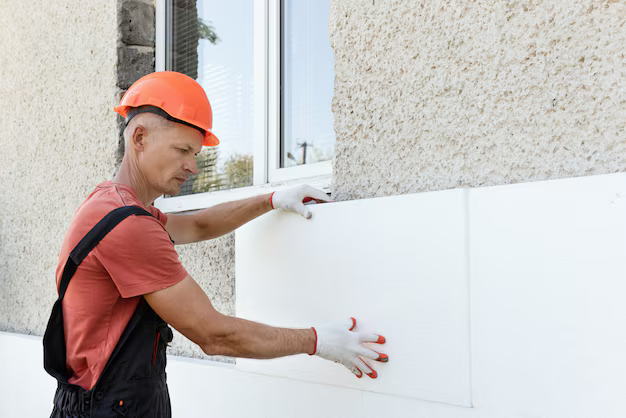

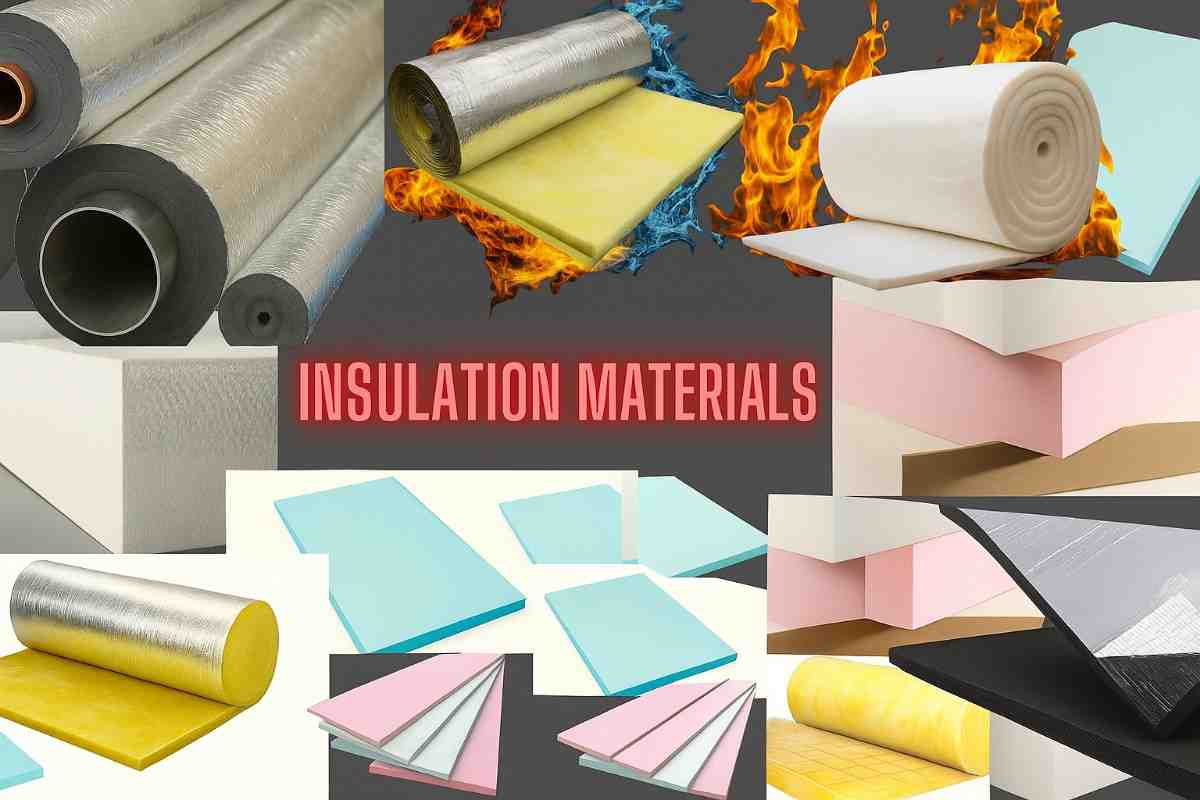
With extreme weather conditions and rising electricity costs, insulation has become a necessity in Pakistan rather than a luxury. Understanding the Types of Thermal Insulation in Pakistan helps homeowners, builders, and businesses make better decisions for energy efficiency and comfort.
Whether you’re constructing a new building or upgrading an existing one, selecting the right insulation material can significantly reduce heat transfer and energy consumption.
Why Thermal Insulation is Important
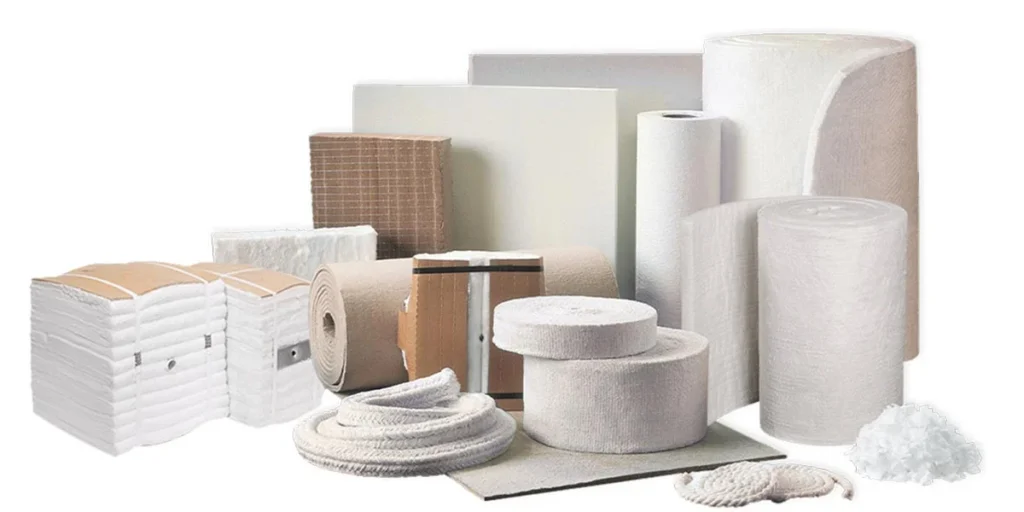
Thermal insulation plays a vital role in:
- Maintaining indoor temperature
- Reducing electricity bills
- Improving energy efficiency
- Enhancing building durability
- Providing comfort in all seasons
These benefits make insulation one of the top Types of Thermal Insulation in Pakistan solutions for modern construction.
Main Types of Thermal Insulation in Pakistan
1. Expanded Polystyrene (EPS – Thermopore)
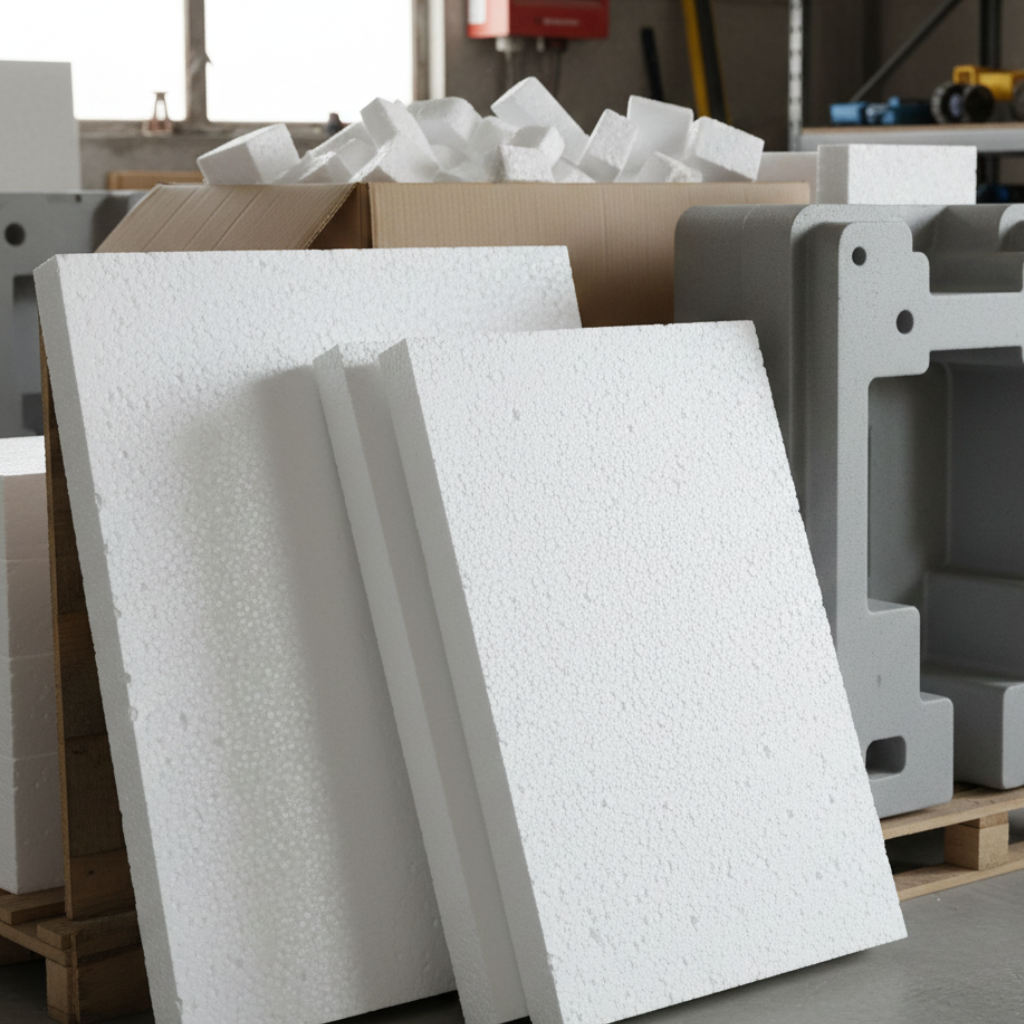
EPS is one of the most commonly used insulation materials in Pakistan.
Features:
- Lightweight and affordable
- Good thermal resistance
- Easy to install
It is widely used in roofs and walls, making it one of the best Types of Thermal Insulation in Pakistan for budget-friendly projects.
2. Extruded Polystyrene (XPS)
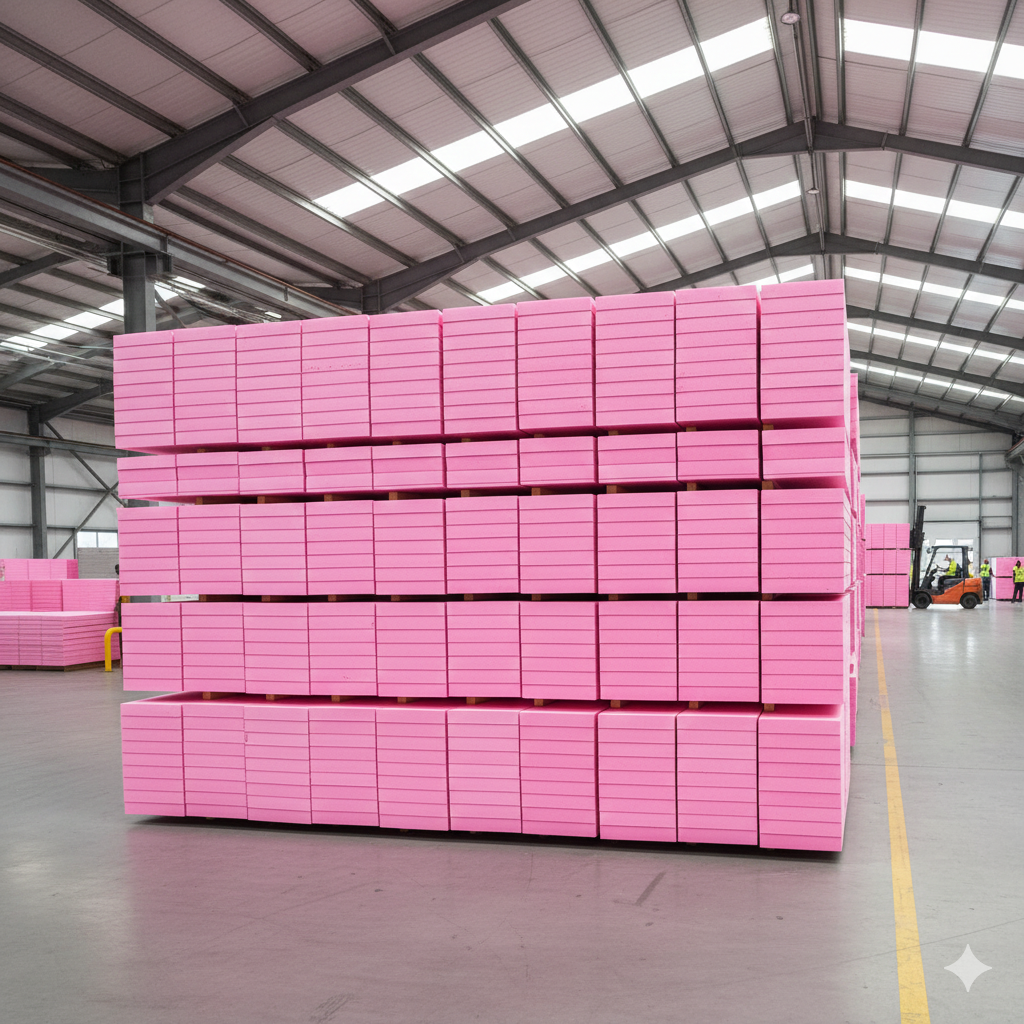
XPS offers higher strength and moisture resistance compared to EPS.
Features:
- Durable and water-resistant
- Suitable for heavy-load areas
- Long-lasting performance
3. Polyurethane Foam (PU Foam)
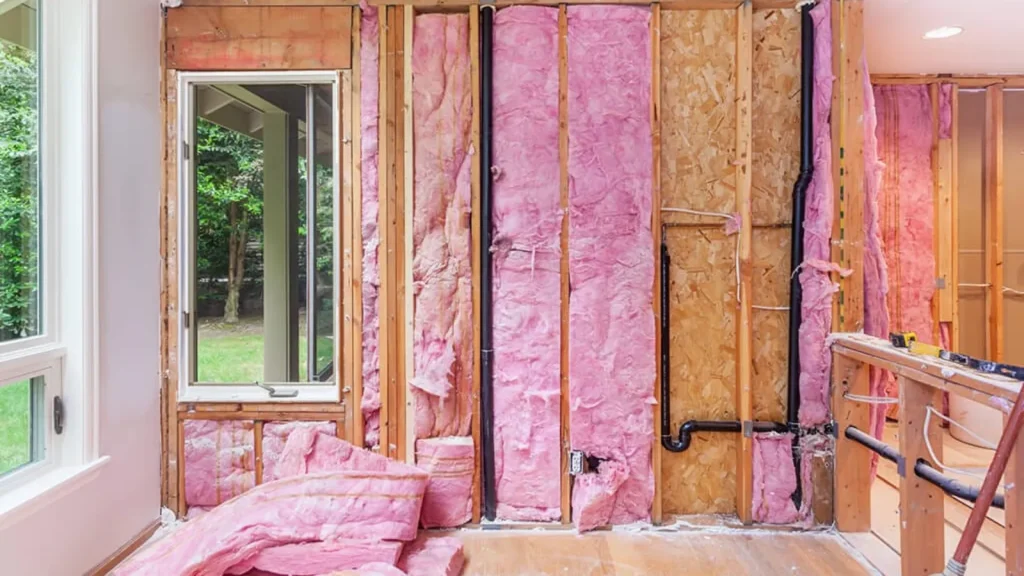
PU foam provides excellent insulation performance.
Features:
- High thermal efficiency
- Air-tight sealing
- Ideal for roofs and cold storage
4. Mineral Wool (Rock Wool)

Rock wool is widely used in industrial and commercial applications.
Features:
- Fire-resistant
- Soundproofing properties
- Durable under high temperatures
5. Fiberglass Insulation
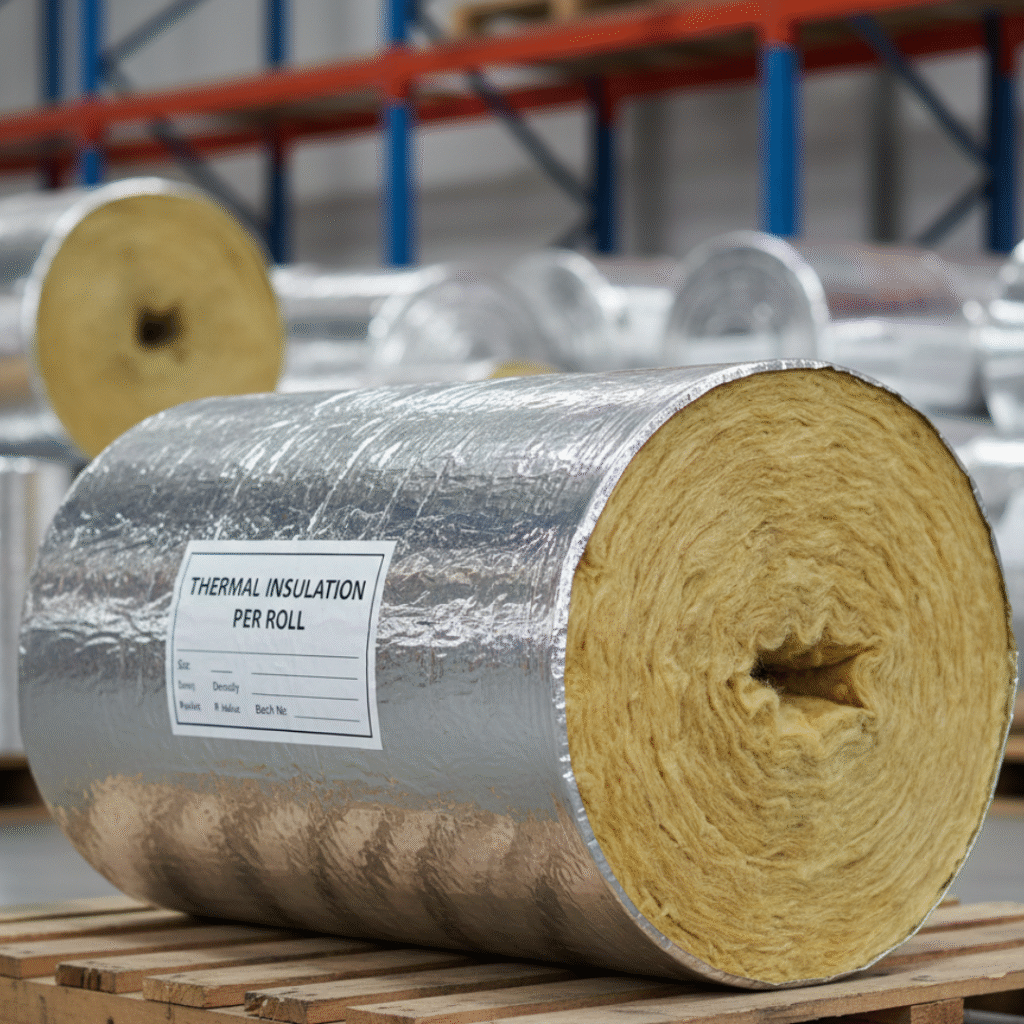
A cost-effective and commonly used insulation material.
Features:
- Easy installation
- Affordable
- Suitable for ceilings and walls
Types of Thermal Insulation Price
The Types of Thermal Insulation price in Pakistan depends on material type, thickness, and application.
Estimated Price Table
| Material Type | Price Range (PKR per sq. ft) |
|---|---|
| EPS (Thermopore) | 40 – 120 |
| XPS | 180 – 350 |
| PU Foam | 250 – 500 |
| Rock Wool | 200 – 400 |
| Fiberglass | 80 – 150 |
The overall Types of Thermal Insulation price may vary depending on supplier and city.
City-Wise Thermal Insulation
Types of Thermal Insulation in Lahore
Lahore’s construction industry widely uses different insulation materials for residential and commercial buildings.
Types of Thermal Insulation in Islamabad
Modern housing projects prefer advanced insulation systems for energy efficiency.
Types of Thermal Insulation in Faisalabad
Industrial applications drive demand for durable insulation materials in Faisalabad.
Types of Thermal Insulation in Multan
Extreme heat increases the need for effective insulation in residential and commercial spaces.
Types of Thermal Insulation in Karachi
Humidity and coastal conditions require moisture-resistant insulation solutions.
Manufacturers and Wholesalers
Manufacturers
Local companies act as Types of Thermal Insulation manufacturer in pakistan, producing a wide range of insulation materials for different applications.
Wholesalers
Bulk suppliers serve as Types of Thermal Insulation For Roofs wholeseller and top Types of Thermal Insulation wholeseller, offering competitive pricing for large projects.
Working with trusted suppliers ensures quality and long-term performance.
Cheap vs High-Quality Thermal Insulation
While cheap Thermal Insulation in pakistan options are available, they may compromise durability and efficiency.
Low-quality insulation may:
- Degrade quickly
- Offer poor thermal resistance
- Increase long-term costs
Investing in high-quality materials ensures better results and long-term savings.
How to Choose the Right Insulation Material
Consider these factors:
- Climate conditions
- Application (roof, wall, industrial use)
- Budget
- Moisture resistance
- Fire safety requirements
Selecting the right material helps achieve the best Types of Thermal Insulation for your project.
Applications of Thermal Insulation
- Residential homes
- Commercial buildings
- Industrial facilities
- Cold storage units
- HVAC systems
Conclusion
Understanding the Types of Thermal Insulation is essential for making informed construction decisions. From EPS and XPS to PU foam and rock wool, each material offers unique benefits depending on your needs.
Whether you are sourcing from a Types of Thermal Insulation manufacturer in pakistan or working with a top Types of Thermal Insulation wholeseller, choosing the right insulation can significantly improve comfort, reduce energy costs, and increase building efficiency.
FAQ’S
The main types include EPS (Thermopore), XPS, polyurethane foam (PU), fiberglass, and rock wool. Each material has different properties depending on usage and budget.
Types of Thermal Insulation price in Pakistan generally ranges from PKR 40 to PKR 500 per sq. ft depending on the material type, thickness, and quality.
PU foam and XPS are considered the best for roofs due to their high thermal resistance, while EPS (Thermopore) is a cost-effective alternative.
You can find thermal insulation services in major cities like Lahore, Islamabad, Karachi, Faisalabad, and Multan through local contractors, manufacturers, and wholesalers.