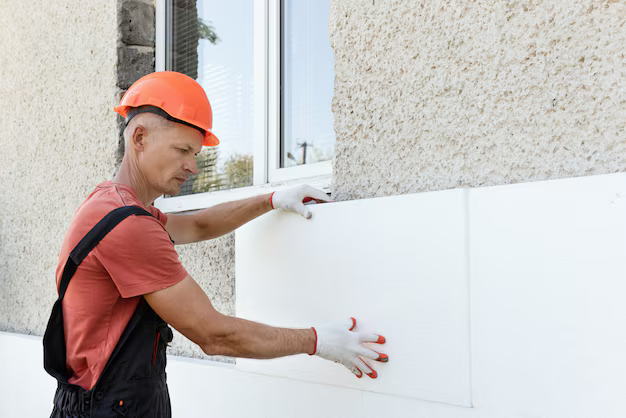


Insulation is one of the most important long-term investments in any building. While insulation materials are designed to last for decades, their performance does not remain the same forever. Understanding insulation lifespan helps homeowners, builders, and facility managers make informed decisions about maintenance, replacement, and cost planning.
This guide explains how long different insulation materials last, what affects their durability, and when replacement becomes necessary.
Understanding Insulation Lifespan
Insulation lifespan refers to how long insulation materials can perform effectively before losing thermal efficiency, structural integrity, or safety. While insulation does not “expire” like food, its ability to resist heat flow can decline due to moisture, compression, contamination, or poor installation.
Different materials age differently, which is why knowing their expected lifespan is critical.
How Long Does Insulation Last in Walls?
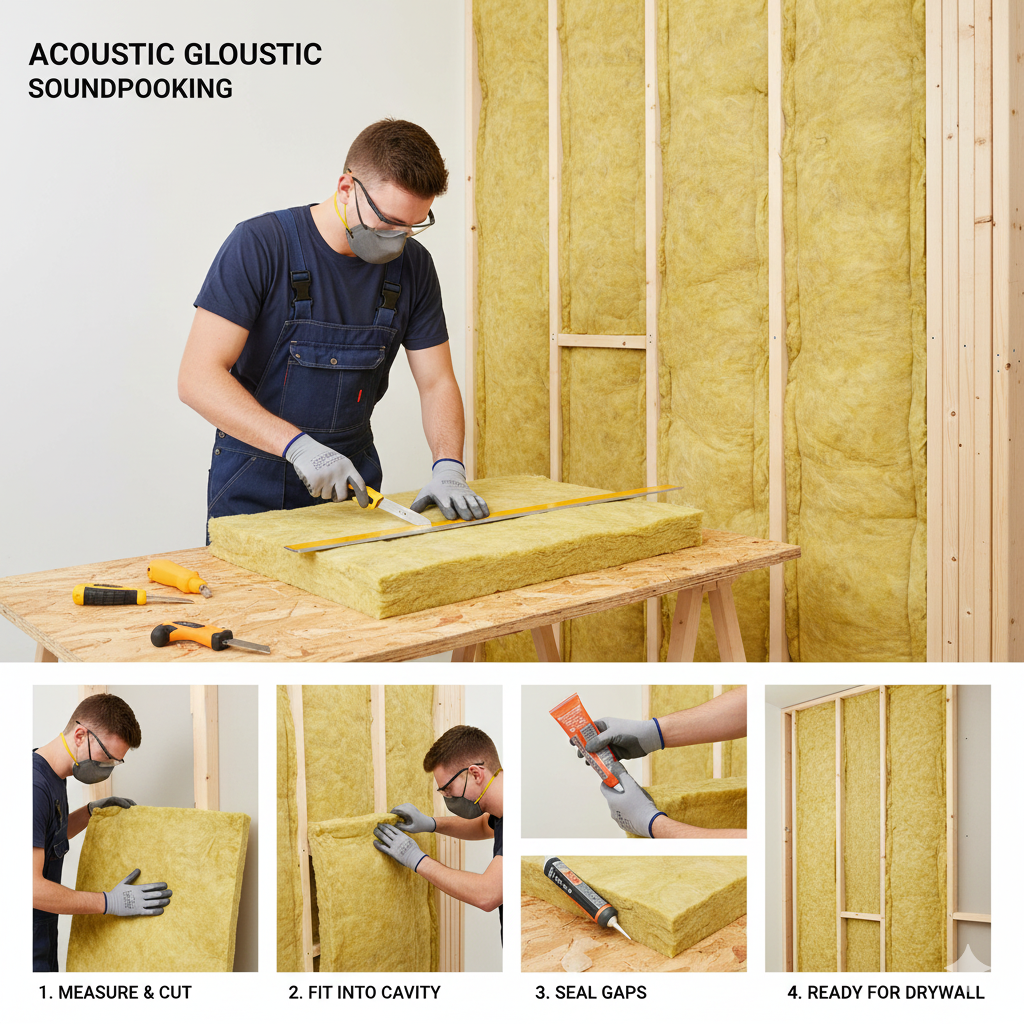
One of the most common homeowner questions is how long does insulation last in walls. In properly sealed wall cavities, insulation can last anywhere from 30 to 80 years, depending on material type and environmental conditions.
Wall insulation generally lasts longer than attic insulation because it is less exposed to:
- Moisture fluctuations
- Dust and debris
- Temperature extremes
However, water intrusion or pest damage can significantly shorten its lifespan.
Fiberglass Insulation Longevity Explained
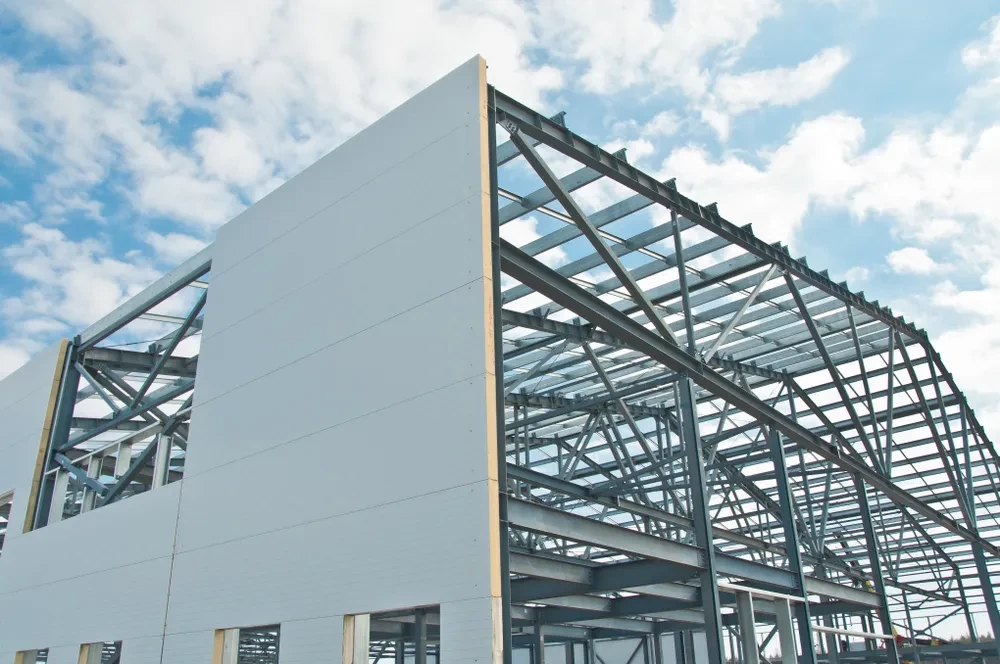
How Long Does Fibreglass Insulation Last in Attic?
Many homeowners ask how long does fibreglass insulation last in attic spaces. Fiberglass insulation typically lasts 20 to 30 years in attics because it is exposed to heat buildup, humidity, and air movement.
Over time, attic fiberglass insulation may:
- Compress and lose thickness
- Collect dust that reduces R-value
- Shift due to airflow
These factors reduce efficiency even if the insulation looks intact.
How Long Does Fibre Glass Insulations Last in Walls?
When installed inside walls, how long does fibre glass insulations last in walls becomes less of a concern. Fiberglass in walls can perform effectively for 40 to 60 years if it remains dry and undisturbed.
Proper vapor barriers and airtight construction significantly extend wall insulation life.
How Often Should Attic Insulation Should Replaced?
A common maintenance question is how often should attic insulation should replaced. In most cases, attic insulation should be inspected every 10 to 15 years and replaced when:
- R-value drops noticeably
- Moisture or mold is present
- Rodent or insect damage occurs
- Energy bills increase unexpectedly
Replacement frequency depends more on condition than age alone.
Average Insulation Replacement Cost
| Insulation Type | Typical Location | Approx. Cost Range (PKR / sq.ft) |
|---|---|---|
| Fiberglass Insulation | Attic | 180 – 300 |
| Fiberglass Insulation | Walls | 250 – 420 |
| Cellulose Insulation | Attic | 220 – 380 |
| Foam-Based Insulation | Walls / Roof | 450 – 750 |
Note: Costs vary by city, labor access, and insulation thickness.
Cellulose Insulation Durability
Cellulose insulation is made from recycled paper treated with fire-retardant chemicals. While eco-friendly, its lifespan is generally 20 to 30 years.
Cellulose insulation is more sensitive to:
- Moisture absorption
- Settling over time
- Pest activity
Regular inspections are essential to maintain performance.
When to Replace Insulation in Walls
Knowing when to replace insulation in walls helps prevent energy loss and indoor comfort issues. Replacement is recommended if you notice:
- Uneven indoor temperatures
- Persistent damp smells
- Visible mold or mildew
- Renovations that expose wall cavities
Replacing wall insulation during remodeling is often more cost-effective than waiting.
How Much Does It Cost to Replace the Insulation?
Homeowners frequently ask how much does it cost to replace the insulation. Costs vary based on material, area size, and accessibility.
Typical factors affecting cost include:
- Type of insulation (fiberglass, cellulose, foam)
- Wall or attic access
- Labor complexity
- Removal of old insulation
While replacement can be a significant investment, it often pays back through reduced energy bills and improved comfort.
Factors That Reduce Insulation Durability
Several factors can shorten insulation lifespan:
- Moisture leaks or condensation
- Poor installation
- Compression or settling
- Pest infestation
- Fire or smoke exposure
Addressing these issues early can delay the need for full replacement.
How to Extend Insulation Life
You can maximize insulation durability by:
- Fixing roof and plumbing leaks promptly
- Ensuring proper ventilation
- Sealing air gaps
- Conducting periodic inspections
Preventive care significantly improves long-term performance.
Final Thoughts
Insulation is not a “set and forget” building component. Understanding insulation sheet life expectancy and durability allows homeowners and building owners to plan maintenance, reduce energy waste, and maintain indoor comfort.
Regular inspections, moisture control, and timely replacement ensure insulation continues to perform efficiently for decades.
FAQ’S
In most homes, insulation installed in walls can last between 40 to 80 years if it remains dry and undisturbed. Its lifespan depends on material quality, installation method, and moisture control.
Fibreglass insulation in attics typically lasts 20 to 30 years because it is exposed to temperature changes, dust, and airflow that gradually reduce its effectiveness.
Attic insulation should be inspected every 10 to 15 years and replaced when signs of compression, moisture damage, or rising energy bills appear.
Insulation in walls should be replaced during renovations if it is damaged, moldy, wet, or outdated. Open walls provide the most cost-effective opportunity for replacement.
Cellulose insulation offers good thermal performance but usually has a shorter lifespan than fiberglass due to settling and moisture sensitivity.
The cost to replace insulation depends on material type, area size, and accessibility. Attic replacements are usually more affordable than wall insulation upgrades.