
thermocol sheet price in pakistan

Tag: wall insulation services in pakistan

  • Wall Insulation in Pakistan – Complete Guide for Homes & Buildings

    Wall Insulation in Pakistan – Complete Guide for Homes & Buildings

    Rising temperatures, increasing electricity bills, and growing awareness of energy efficiency have made wall insulation sheets an essential part of modern construction in Pakistan. Whether for new buildings or renovation projects, wall insulation plays a key role in maintaining indoor comfort and reducing heat transfer.

    This guide explains everything you need to know about wall insulation sheet Pakistan, including pricing, material options, types of wall insulation, and how to choose the best solution for your needs.

    What Is a Wall Insulation Sheet?
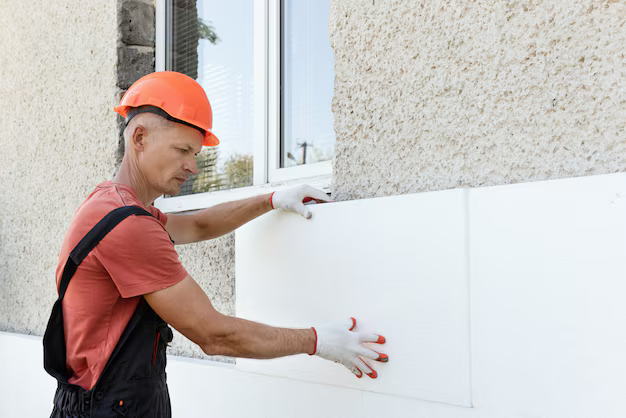
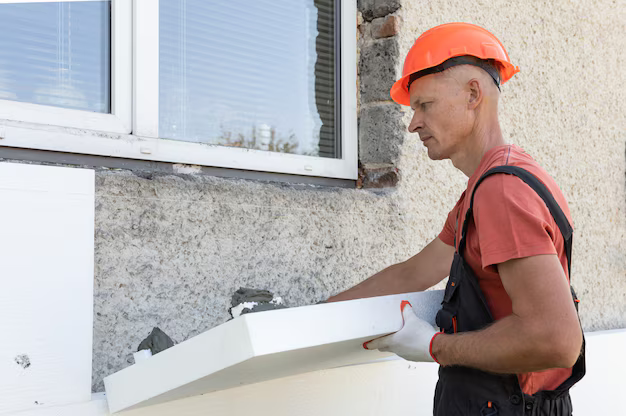
    A wall insulation sheet is a thermal barrier installed inside or on external walls to reduce heat movement between outdoor and indoor environments. In Pakistan’s hot climate, walls absorb significant heat during the day, which then transfers indoors.

    Proper wall insulation slows this heat flow and helps keep interiors cooler without relying heavily on air conditioning.

    Importance of Wall Insulation in Pakistan

    Wall insulation is becoming increasingly popular as part of thermal insulation in Pakistan due to several benefits:

    • Reduced indoor heat gain
    • Improved thermal comfort
    • Lower electricity consumption
    • Protection of interior finishes
    • Better building energy performance

    Unlike roof insulation, wall insulation works continuously throughout the day, especially on sun-exposed sides of buildings.

    Types of Wall Insulation in Pakistan

    Understanding the types of wall insulation in Pakistan helps in selecting the right solution based on budget, building type, and performance needs.

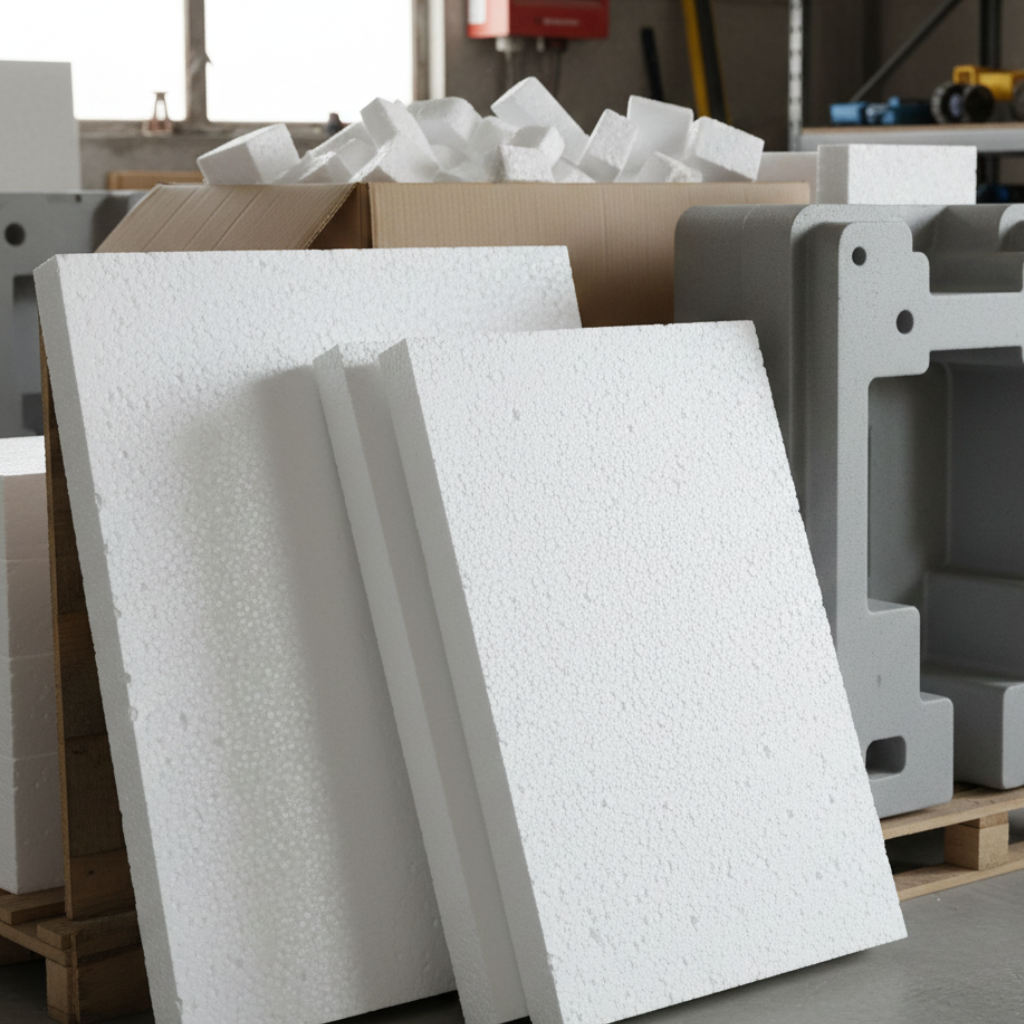
    1. EPS (Thermocol) Wall Insulation Sheets
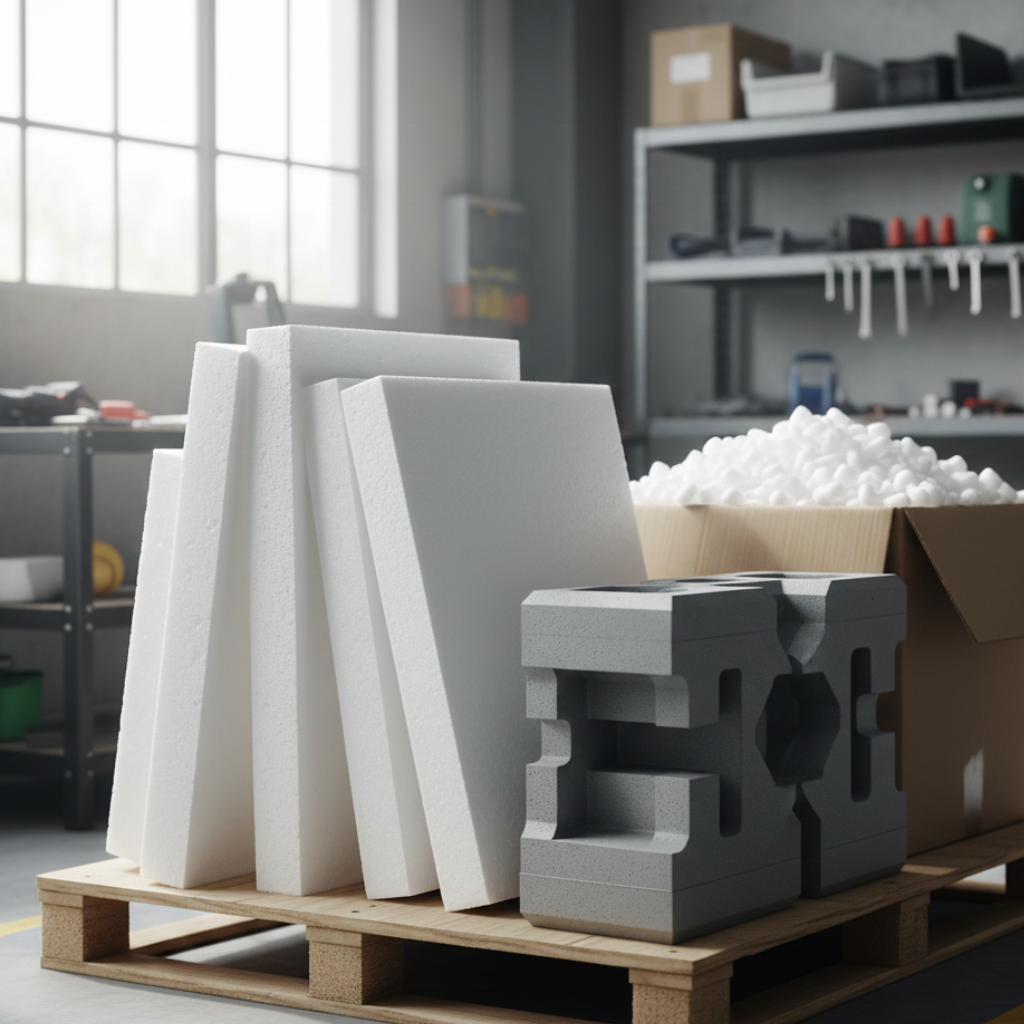
    EPS Foam

    EPS sheets are widely used due to affordability and availability. They are lightweight and easy to install, making them a popular choice for residential projects.

    2. XPS Insulation Sheets

    jumbolon Insulation for Metal Sheds

    XPS sheets offer higher density and better moisture resistance compared to EPS. They are commonly used in commercial and industrial buildings where durability is required.

    3. Foam-Based Wall Insulation
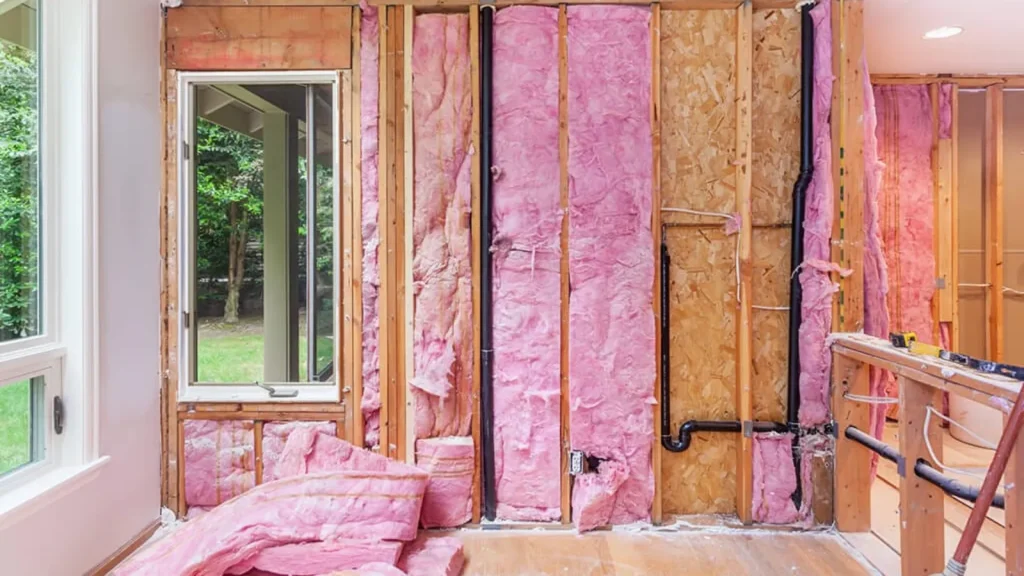
    home insulation

    Foam insulation sheets provide strong thermal resistance and seamless coverage. They are ideal for buildings that require higher insulation performance.

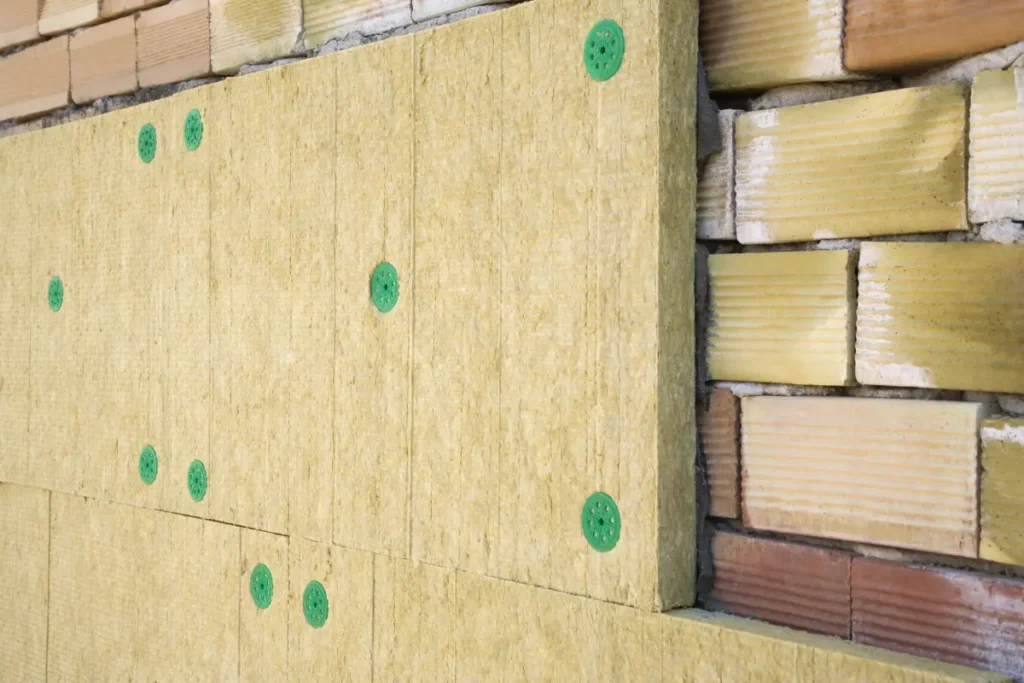
    4. Fibrous Insulation Materials
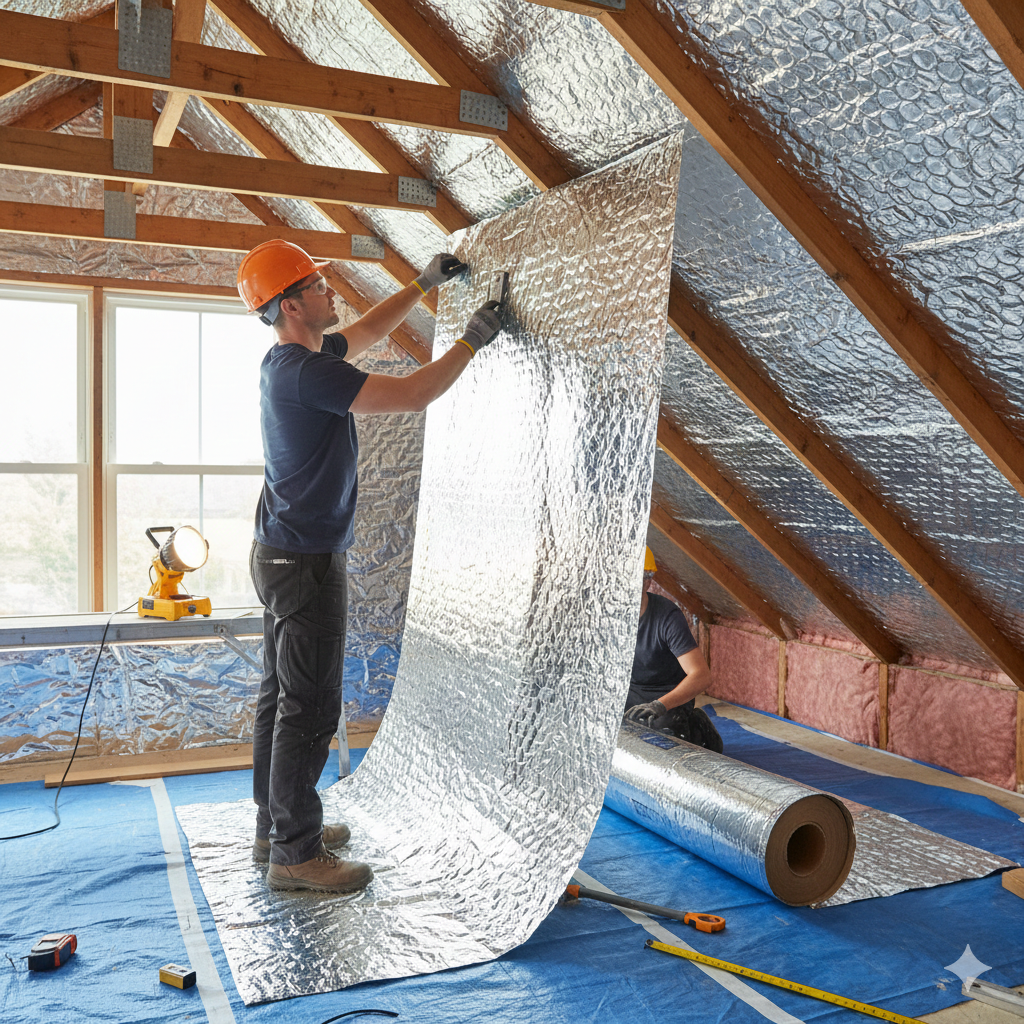
    Bubble Aluminium Foil Installation

    Glass wool and similar fibrous materials are sometimes used inside wall cavities to improve insulation and sound absorption.

    Wall Insulation Sheet Pakistan Price – What Affects Cost?

    The wall insulation sheet Pakistan price varies depending on several factors:

    • Material type (EPS, XPS, foam, fibrous)
    • Sheet thickness
    • Installation method
    • Project size
    • City-wise labor costs

    Buyers often compare overall costs using thermal insulation sheet price in Pakistan, which includes both material and installation expenses.

    Cheap Wall Insulation in Pakistan – Is It Worth It?

    Many property owners look for cheap wall insulation in Pakistan to reduce initial costs. Budget-friendly options like EPS sheets can offer acceptable performance when installed correctly.

    However, cheaper insulation may have:

    • Lower durability
    • Reduced thermal resistance
    • Shorter lifespan

    Choosing the lowest price should always be balanced with long-term energy savings and performance expectations.

    Best Wall Insulation in Pakistan – How to Choose

    The best wall insulation in Pakistan is not a single product but the one that suits your specific needs. When selecting insulation, consider:

    • Building orientation
    • Exposure to direct sunlight
    • Climate conditions
    • Budget and long-term cost savings

    Homes often benefit from EPS or foam insulation, while offices and commercial buildings may require higher-density solutions.

    Applications of Wall Insulation Sheets

    Wall insulation sheets are commonly used in:

    • Residential houses
    • Apartments and flats
    • Office buildings
    • Educational institutions
    • Hospitals and commercial facilities

    Their flexibility makes them suitable for both internal and external wall applications.

    Installation Considerations

    Proper installation is critical for insulation performance. Gaps, poor sealing, or incorrect thickness can reduce effectiveness. Professional installation ensures that insulation works as intended and delivers long-term benefits.

    Long-Term Benefits of Wall Insulation

    Installing wall insulation sheets offers long-term advantages such as:

    • Lower cooling costs
    • Improved indoor comfort
    • Reduced environmental impact
    • Increased property value

    Over time, insulation pays for itself through energy savings.

    Final Thoughts

    As energy costs rise and climate conditions become more extreme, wall insulation is no longer optional. Investing in the right wall insulation sheet Pakistan solution helps create comfortable, energy-efficient living and working spaces.

    By understanding material types, pricing factors, and performance differences, you can make an informed decision that delivers lasting value.

    FAQ’S

    The best wall insulation sheet depends on budget and building requirements. EPS (thermocol) sheets are widely used for houses due to affordability, while XPS and foam insulation sheets are preferred for commercial and industrial buildings.

    Wall insulation cost in Pakistan varies based on material type, thickness, and installation method. Prices can differ from city to city due to labor rates and material availability.

    Yes, wall insulation sheets can be installed in existing buildings without major structural changes. Internal wall insulation is commonly used for renovation projects.

    Yes, wall insulation significantly reduces heat transfer through external walls, helping maintain cooler indoor temperatures and reducing reliance on air conditioning.
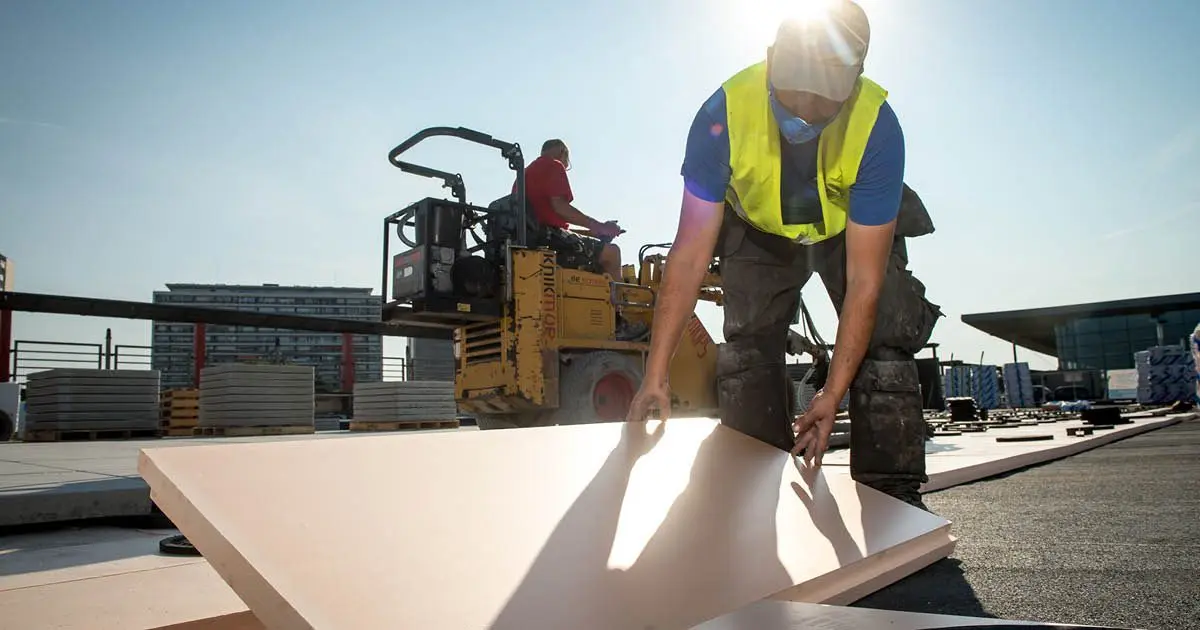
  • Thermal Insulation Price in Pakistan

    Thermal Insulation Price in Pakistan

    Thermal insulation has become a necessity rather than a luxury in Pakistan due to rising electricity tariffs, extreme summers, and increasing construction costs. Understanding the thermal insulation price in Pakistan helps homeowners, builders, and industries make smarter, long-term decisions for energy efficiency and comfort.

    This guide explains insulation prices, material types, city variations, and real cost factors—without exaggeration or keyword stuffing.

    Understanding Thermal Insulation in Pakistan

    thermal insulation in pakistan

    Thermal insulation in Pakistan is widely used in residential, commercial, and industrial buildings to reduce heat transfer. By limiting external heat entry in summer and heat loss in winter, insulation significantly lowers cooling and heating loads.

    From urban homes to large warehouses, insulation solutions are now tailored according to climate, structure, and budget.

    Factors Affecting Thermal Insulation Price in Pakistan

    Several elements influence insulation pricing nationwide:

    • Type of insulation material
    • Thickness and density
    • Installation method
    • Project size
    • City-based labor and transport costs

    Because of these variables, insulation prices are usually calculated per square foot or per square meter rather than as a fixed national rate.

    12mm Thermal Insulation Price in Pakistan

    EPS Foam

    The 12mm thermal insulation price in Pakistan is popular for residential ceilings, partition walls, and light commercial applications. This thickness provides basic thermal resistance while keeping material and installation costs manageable.

    It is often used in apartments, offices, and small shops where space limitations exist.

    Heat Insulation Sheet in Pakistan

    A heat insulation sheet in Pakistan is commonly used for roofs, boundary walls, and prefabricated structures. These sheets help reflect radiant heat and reduce indoor temperature fluctuations.

    Prices vary based on:

    • Sheet composition
    • Reflective layers
    • Fire resistance rating

    Heat insulation sheets are frequently chosen for cost-effective thermal upgrades.

    Karachi Thermal Insulation Price in Pakistan

    The Karachi thermal insulation price in Pakistan tends to differ slightly due to coastal humidity, transportation logistics, and higher labor demand. Buildings in Karachi often require insulation solutions resistant to moisture and corrosion, which can affect overall pricing.

    Roof insulation projects are especially common in the city due to prolonged heat exposure.

    Glasswool Insulation Price in Pakistan

    The glasswool insulation price in Pakistan depends on roll thickness, density, and application type. Glasswool is widely used for thermal and acoustic insulation in:

    • Commercial buildings
    • Industrial sheds
    • HVAC ducting

    Its lightweight nature and high thermal resistance make it a preferred solution for large-scale projects.

    Wall Insulation in Pakistan – Cost Considerations

    Soundproofing Material glasswool vs rockwool

    Wall insulation in Pakistan is increasingly adopted in modern construction. Properly insulated walls reduce indoor heat gain and improve air-conditioning efficiency.

    Wall insulation costs depend on:

    • Wall type (brick, concrete, panel)
    • Insulation method (internal or external)
    • Chosen insulation material

    This solution is particularly effective for west-facing and sun-exposed walls.

    Fibreglass Insulation Price in Pakistan

    glasswool and aluminium foil insulation

    The fibreglass insulation price in Pakistan varies based on thickness and installation complexity. Fibreglass insulation is valued for its durability, fire resistance, and thermal performance.

    It is commonly used in factories, offices, and multi-storey buildings where long-term insulation performance is required.

    Glass Wool Insulation in Lahore – Market Insight

    Glasswool for HVAC & Duct System

    Demand for glass wool insulation in Lahore has grown due to increasing commercial construction and energy-efficiency awareness. Lahore’s climate requires insulation that performs well in both hot summers and cool winters, making glass wool a practical choice.

    Prices in Lahore are influenced by supplier availability and project scale.

    Which Thermal Insulation Material Offers the Best Value?

    Choosing insulation should not depend on price alone. Long-term energy savings, durability, and maintenance costs must also be considered. In many cases, slightly higher upfront investment results in significant electricity savings over time.

    Professional assessment ensures the right balance between performance and budget.

    Final Thoughts on Thermal Insulation Pricing

    The thermal insulation price in Pakistan is not fixed and should always be evaluated based on material type, thickness, and project requirements. Whether you are insulating a home, office, or industrial facility, the right insulation strategy can reduce energy costs and improve comfort for years.

    Consulting experienced insulation professionals helps avoid over-spending and ensures optimal performance.

    FAQ’S

    Thermal insulation price in Pakistan mainly depends on the type of material used, sheet thickness, covered area, and installation method. Location and labor costs in different cities can also impact the final price.

    For houses, commonly used insulation materials in Pakistan include thermal insulation sheets, glass wool, and fibreglass insulation. The best option depends on roof type, wall structure, and budget.

    Yes, wall insulation in Pakistan helps reduce indoor heat gain, improves comfort, and lowers electricity bills over time. It is especially useful for west-facing walls and buildings exposed to direct sunlight.

    Proper thermal insulation reduces heat transfer, which lowers the load on air conditioners and heaters. This results in noticeable electricity savings, particularly during peak summer months.