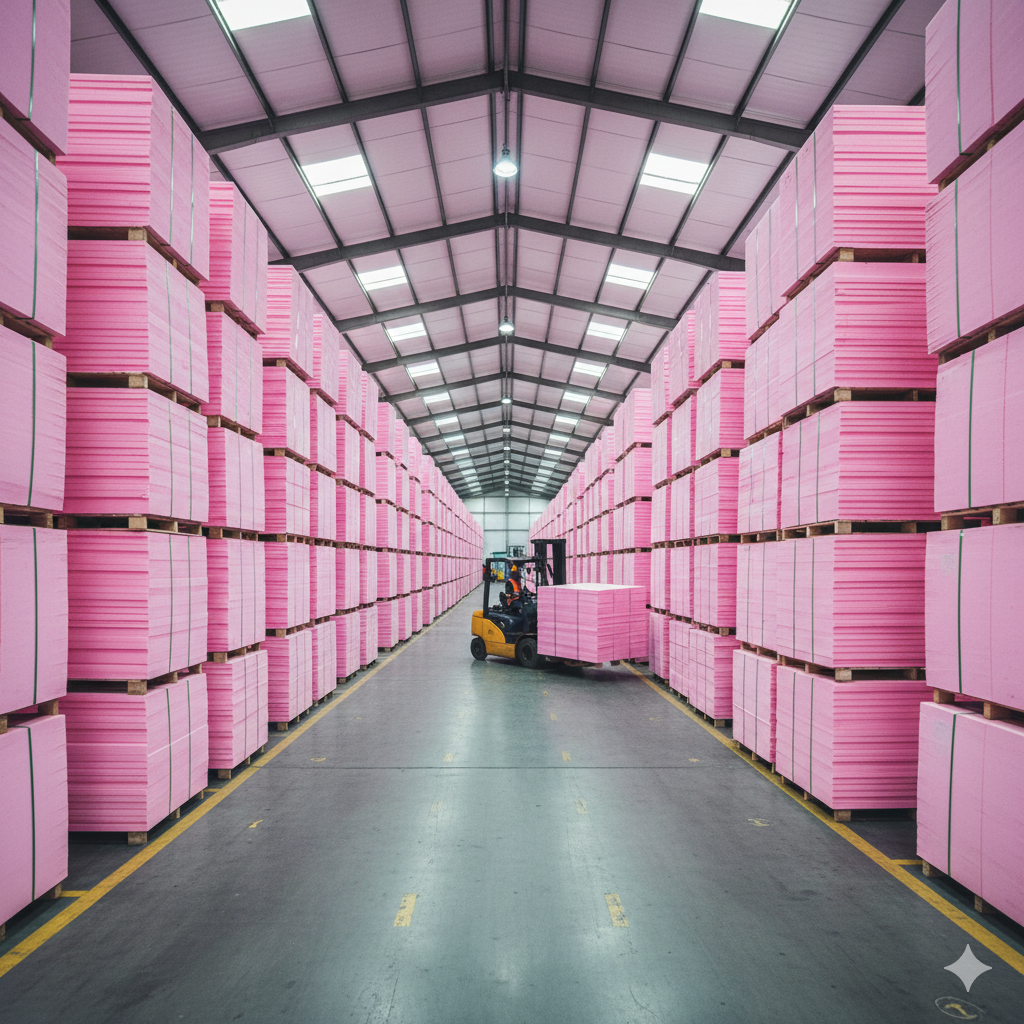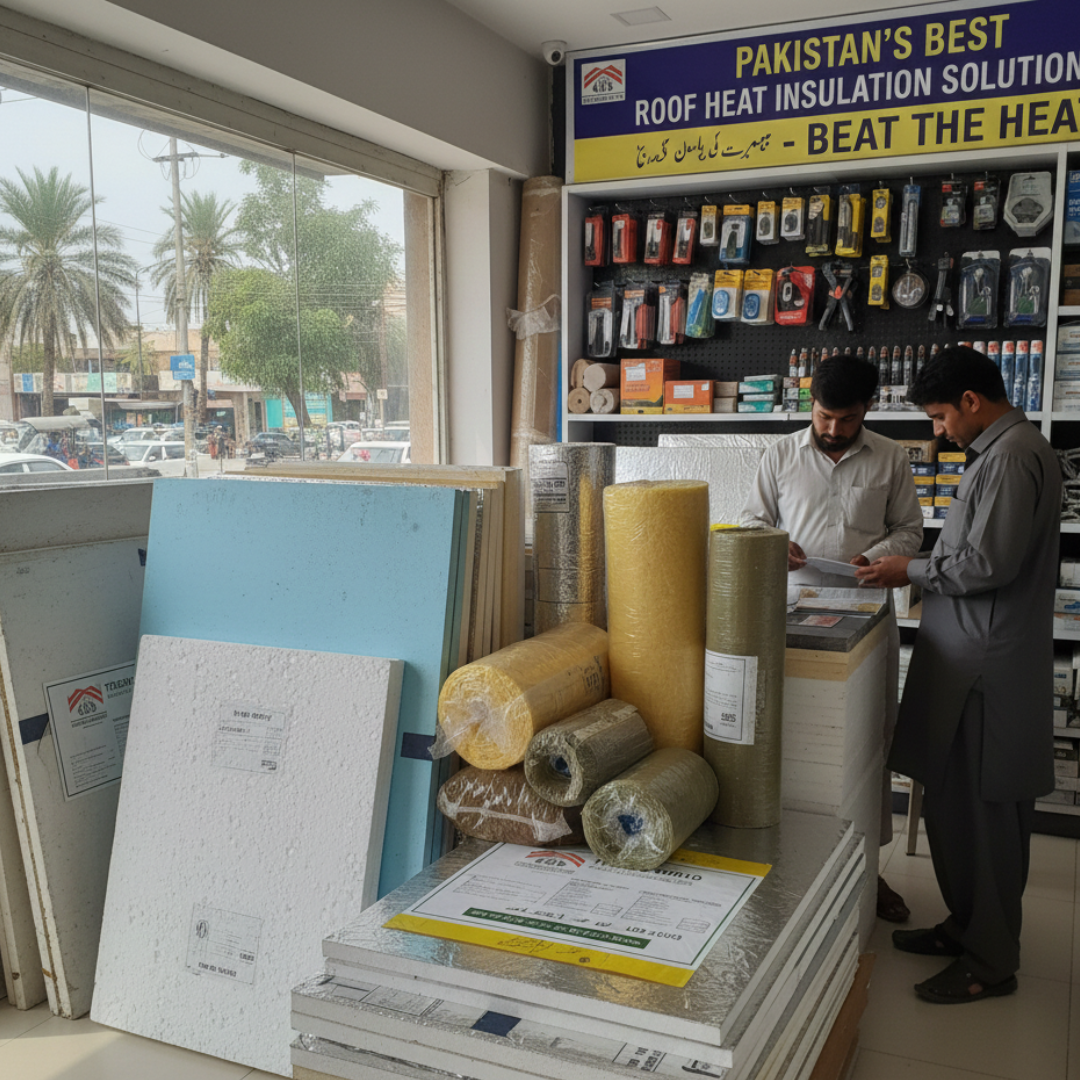

thermocol sheet price in pakistan

Tag: wall insulation services Pakistan

  • 12mm Thermal Insulation price in Pakistan

    12mm Thermal Insulation price in Pakistan

    Thermal insulation has become a practical necessity in Pakistan due to rising temperatures and increasing electricity costs. Among different thickness options, 12mm thermal insulation sheets are widely used because they offer a balance between cost, performance, and ease of installation.

    This blog provides a complete overview of 12mm thermal insulation price in Pakistan, including popular materials such as thermocol and jumbolon, city-wise pricing trends, and factors that influence overall cost.

    What Is 12mm Thermal Insulation?
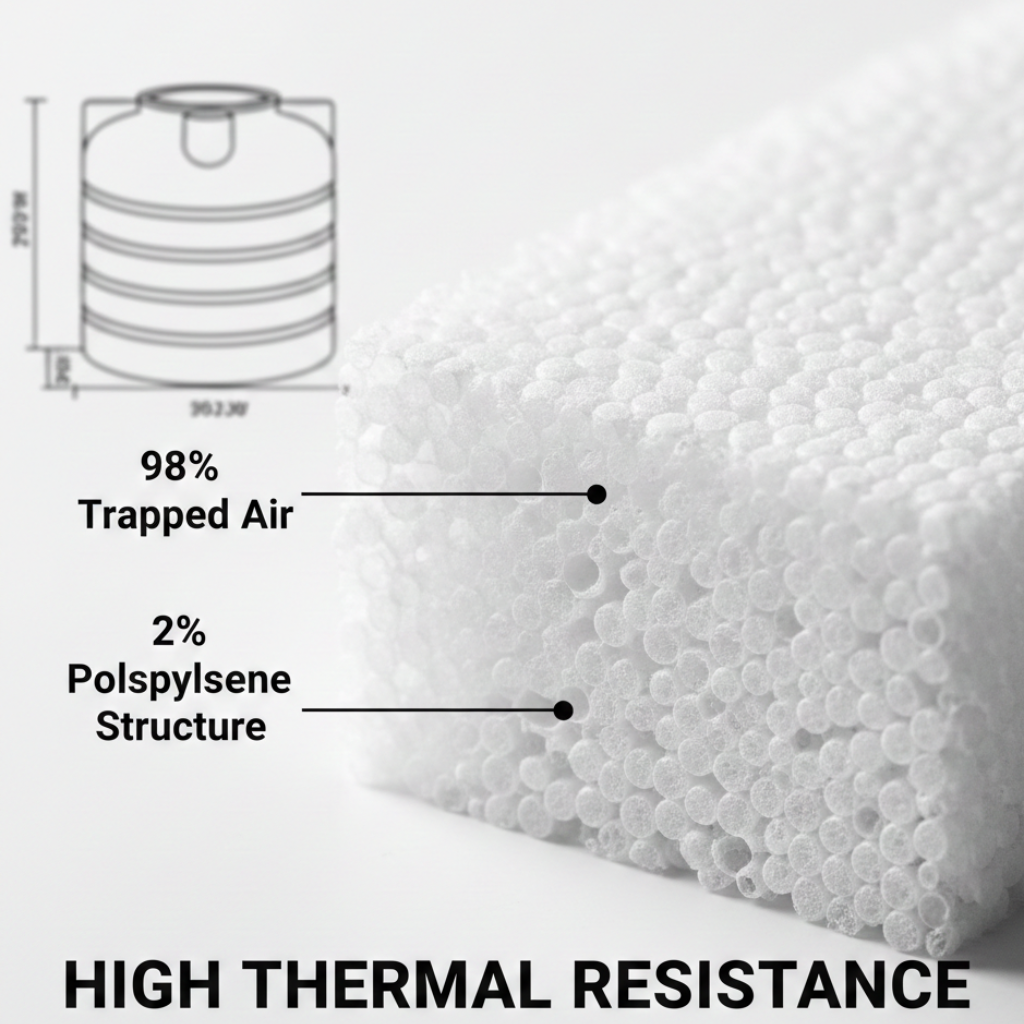
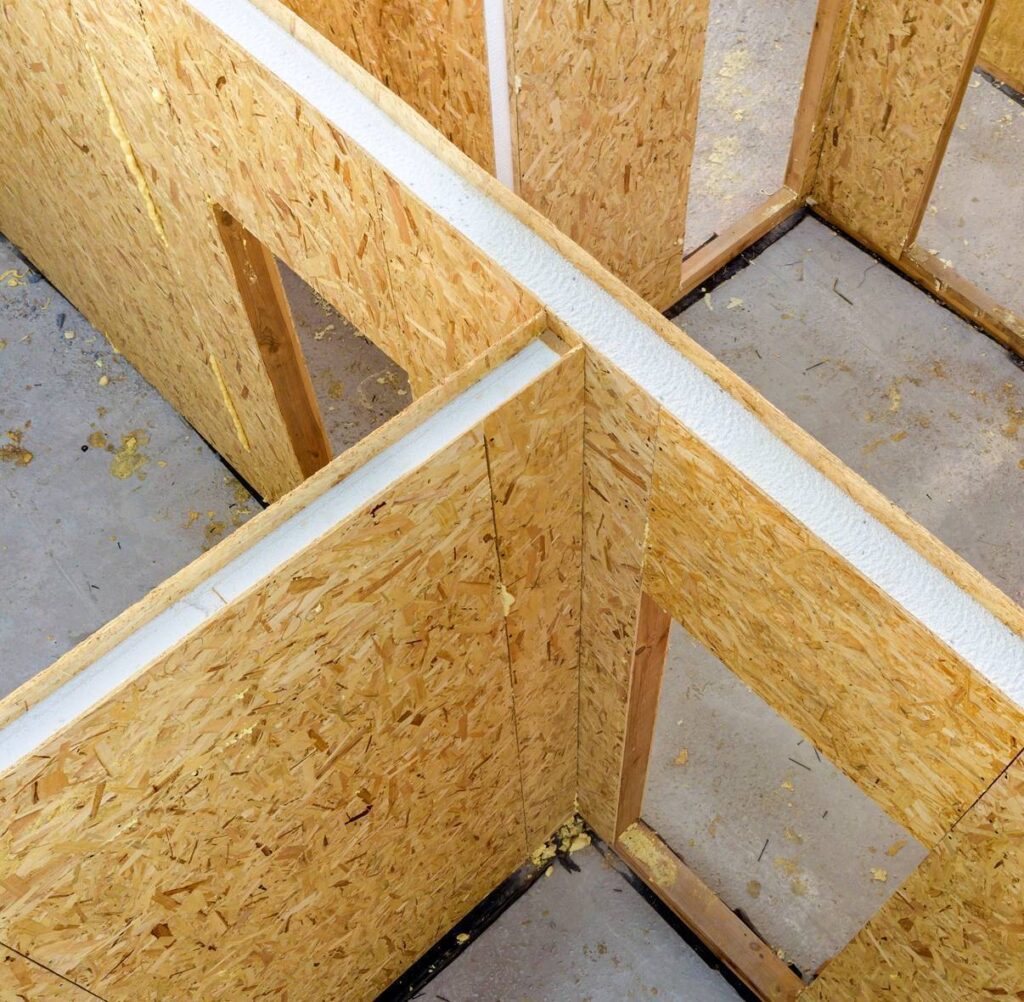
    EPS Thermal Insulation

    A 12mm thermal insulation sheet is a thin insulation layer designed to reduce heat transfer through roofs, walls, and ceilings. It is commonly used in residential houses, small offices, shops, and renovation projects where space and budget are limited.

    Despite its slim profile, 12mm insulation can significantly improve indoor comfort when installed correctly.

    Why 12mm Insulation Is Popular in Pakistan

    The popularity of 12mm insulation sheets is driven by:

    • Affordable pricing
    • Lightweight structure
    • Easy handling and installation
    • Suitability for retrofit projects
    • Availability across major cities

    Many buyers compare options based on thermal insulation sheet price in Pakistan, and 12mm sheets often fall into an accessible budget range.

    12mm Thermal Insulation Price in Pakistan – What Affects Cost?

    The price of 12mm insulation sheets varies due to several factors:

    • Material type (thermocol, jumbolon, EPS-based sheets)
    • Sheet density and quality
    • Brand and manufacturing standards
    • City-wise transportation and labor costs
    • Application area (roof, wall, ceiling)

    These variables explain why pricing differs across regions and suppliers.

    Jumbolon Sheet Pricing for 12mm Thickness
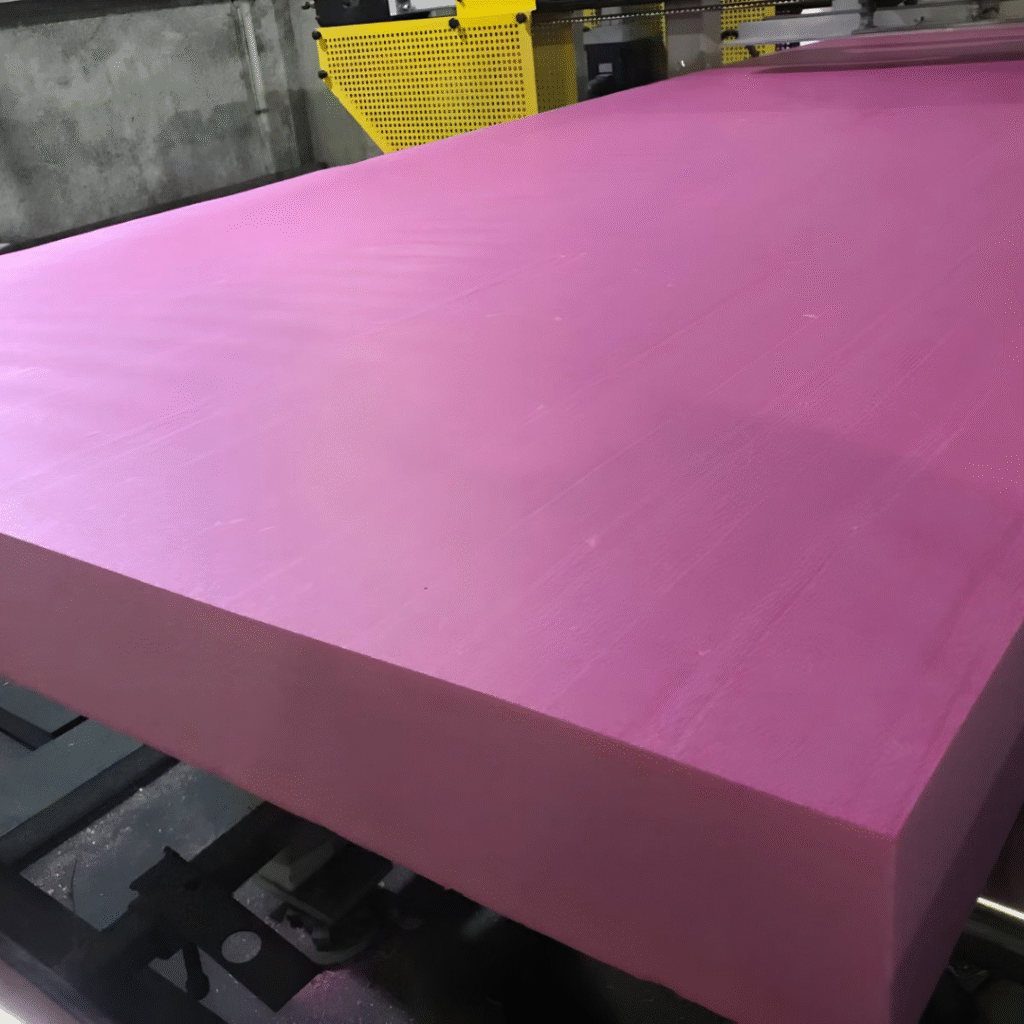
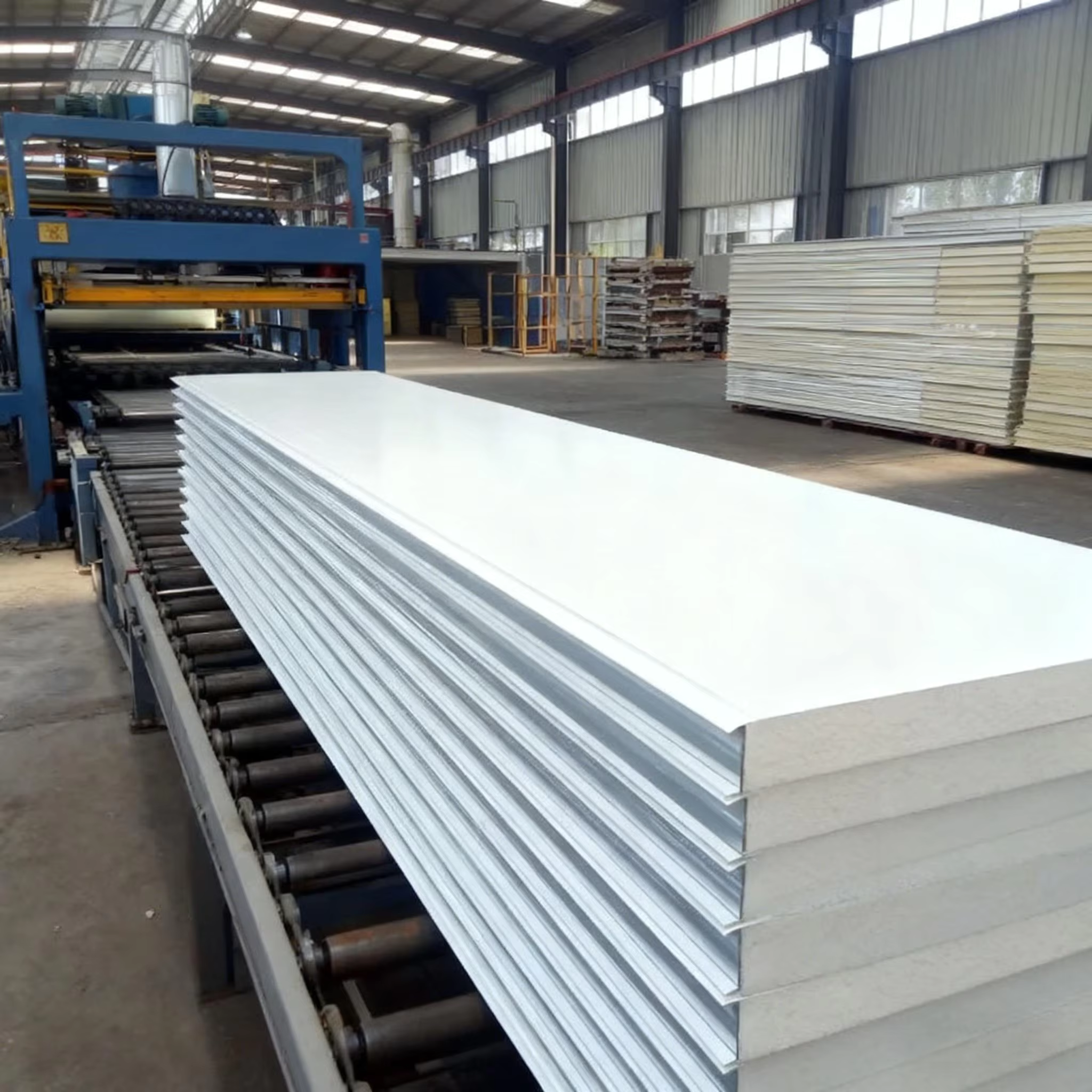
    Jumbolon Sheet Board Manufacturer in Pakistan

    Jumbolon sheets are commonly used for thermal insulation due to their flexibility and moisture resistance. The jumbolon sheet price in Pakistan depends on thickness, roll size, and material quality.

    For buyers specifically evaluating thin insulation options, the 12mm jumbolon sheet price in Pakistan is often considered a cost-effective solution for residential and light commercial applications.

    Thermocol Sheet Pricing Comparison

    These sheets remain one of the most widely used insulation materials in Pakistan.

    • The thermocol sheet price in Lahore is generally competitive due to strong local supply and demand.
    • For thicker applications, many users compare the 2 inch thermocol sheet price in Pakistan with thinner 12mm sheets to decide between higher insulation performance and lower upfront cost.

    Thermocol is commonly selected when affordability and availability are key priorities.

    City-Wise Price Trends for 12mm Insulation
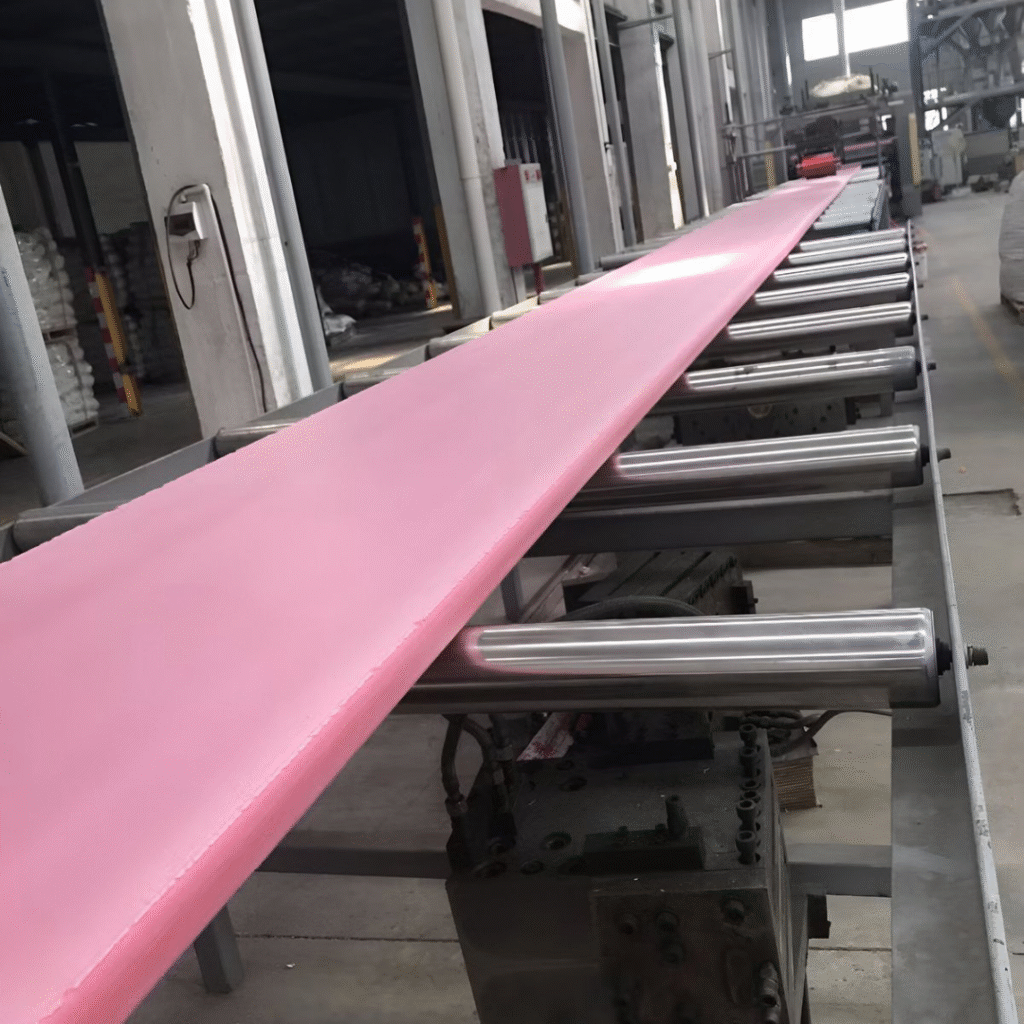
    Insulation Sheet Manufacturer in Pakistan

    Karachi Market Overview

    The Karachi 12mm thermal insulation price in Pakistan can be slightly higher due to humidity-resistant material preferences and transportation costs. Coastal conditions often influence material selection and installation methods.

    Lahore and Other Cities

    Lahore typically offers stable pricing for thermocol and EPS sheets, while prices in Islamabad, Rawalpindi, and Faisalabad vary based on supplier availability and project scale.

    Where 12mm Thermal Insulation Is Commonly Used

    12mm insulation sheets are widely used in:

    • Residential houses
    • Apartment ceilings
    • Office partitions
    • Shops and showrooms
    • Renovation and retrofit projects

    They are especially useful where thicker insulation is not structurally feasible.

    12mm vs Thicker Insulation Sheets

    While 12mm insulation provides noticeable heat reduction, thicker sheets offer higher thermal resistance. Buyers often compare 12mm sheets with thicker options like 2-inch thermocol to evaluate performance versus cost.

    The right choice depends on:

    • Heat exposure level
    • Building orientation
    • Budget constraints
    • Long-term energy savings goals

    Long-Term Value of 12mm Insulation
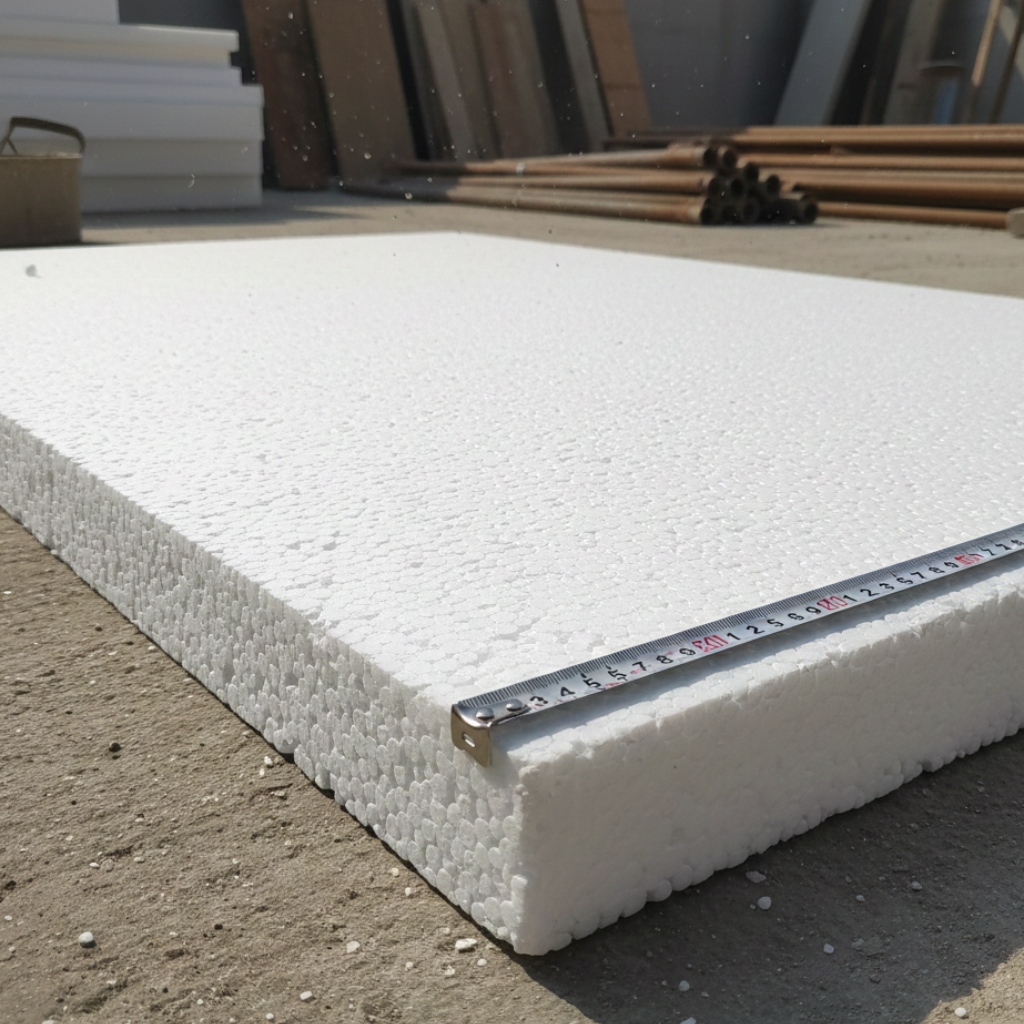
    Thermopore Sheet

    Although thinner insulation has a lower upfront cost, it still delivers long-term benefits such as:

    • Reduced indoor heat gain
    • Lower electricity consumption
    • Improved indoor comfort
    • Extended life of cooling systems

    For many households, this makes 12mm insulation a practical entry-level solution.

    How to Choose the Right 12mm Insulation Sheet

    When selecting 12mm insulation, consider:

    • Quality and density of material
    • Proper installation techniques
    • Compatibility with existing structure
    • Supplier reliability

    Correct installation is essential to ensure the insulation performs as expected.

    Final Thoughts

    Understanding the 12mm thermal insulation price in Pakistan helps homeowners and builders make informed decisions. Whether you choose jumbolon or thermocol, 12mm insulation sheets offer a cost-effective way to reduce heat and improve comfort in Pakistan’s climate.

    By comparing material options, city-wise pricing, and application needs, you can select an insulation solution that delivers both performance and value.

    FAQ’S

    12mm thermal insulation is suitable for light to moderate heat control, especially in homes, apartments, and renovation projects. For areas with extreme heat exposure, thicker insulation may provide better performance.

    12mm jumbolon sheets are flexible and moisture-resistant, while thermocol sheets are rigid and more affordable. The choice depends on application area, budget, and installation method.

    Yes, even 12mm insulation reduces heat transfer, which lowers indoor temperatures and decreases the load on air conditioning systems, helping reduce electricity consumption.

    12mm insulation is commonly used in ceilings, walls, office partitions, shops, and small commercial spaces where thicker insulation is not feasible.
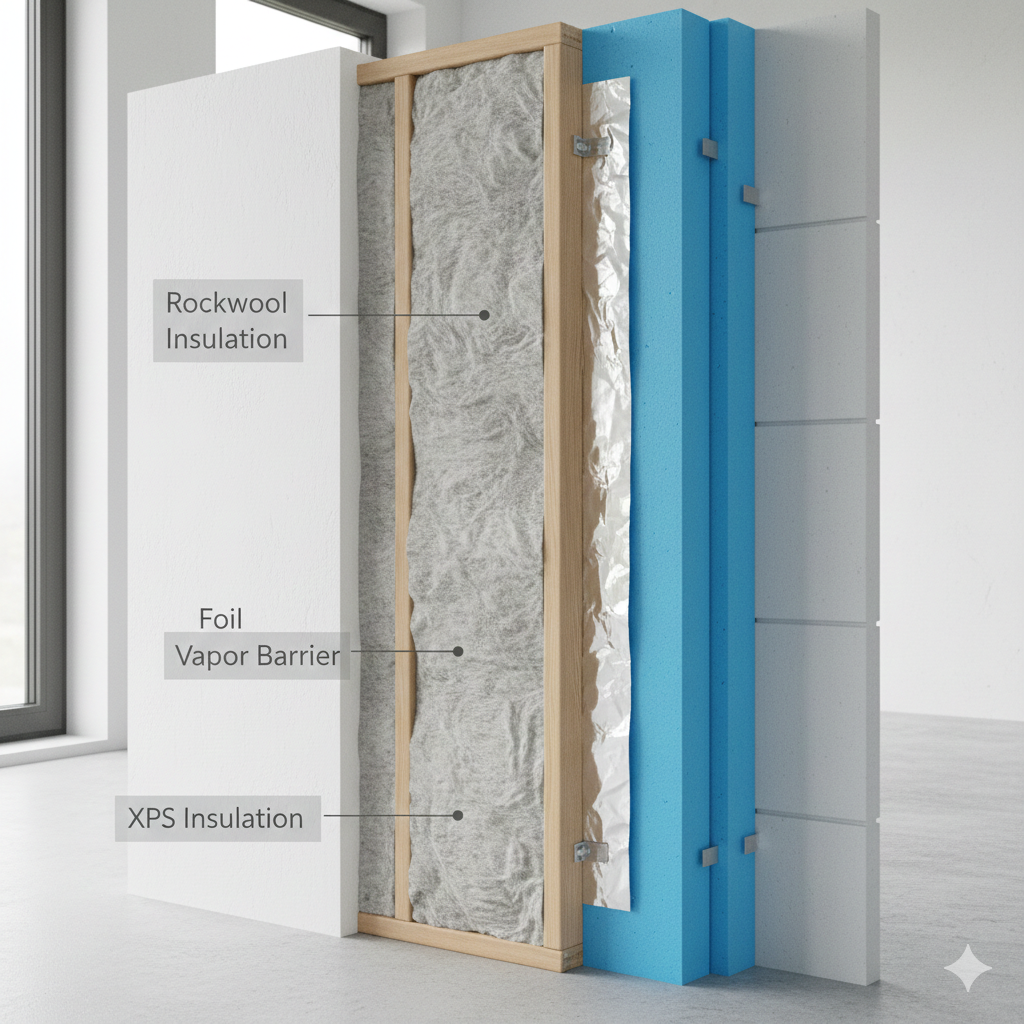
  • Complete Guide to Thermal Insulation Sheets

    Complete Guide to Thermal Insulation Sheets

    Thermal insulation has become a necessity rather than a luxury, especially in regions facing extreme summers and rising energy costs. This complete guide to thermal insulation sheets and their price explains how insulation boards work, where they are used, and how to select the right solution for roofs, walls, and interior spaces.

    Whether you are planning new construction or upgrading an existing building, understanding insulation sheets will help you improve comfort, reduce energy bills, and protect your structure long-term.

    What Are Thermal Insulation Sheets?

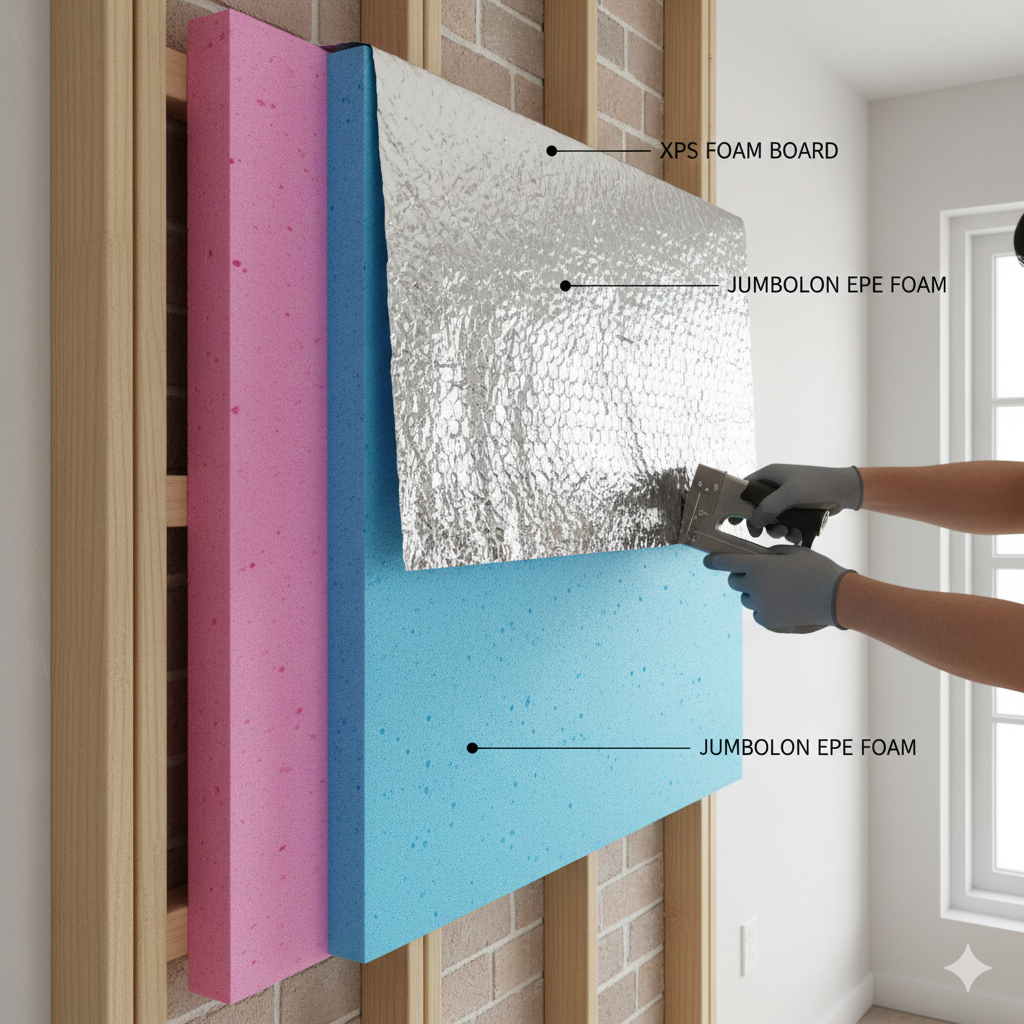
    Using aluminium foil with jumbolon

    Thermal insulation sheets are specially engineered materials designed to reduce heat transfer between indoor and outdoor environments. They slow down heat flow by resisting conduction, convection, and radiation, helping maintain stable indoor temperatures.

    These sheets are widely used for roof heat proofing, wall insulation, and interior thermal control in residential, commercial, and industrial buildings.

    What Is an Insulation Board?

    Jumbolon Board in Pakistan

    Many people ask: what is insulation board?
    An insulation board is a rigid or semi-rigid panel made from insulating materials such as foam, mineral fibers, or composites. These boards are easy to install, durable, and offer consistent thermal performance.

    Insulation boards are commonly installed:

    • Under roofs
    • Inside wall cavities
    • On interior walls
    • In ceilings and floors

    Types of Insulation Board Used in Buildings

    Understanding the types of insulation board is essential before choosing the right solution.

    1. PIR Insulation Board

    A PIR insulation board is known for its high thermal efficiency and slim profile. It delivers excellent insulation where space is limited and is commonly used in modern roofing systems.

    2. EPS & XPS Boards

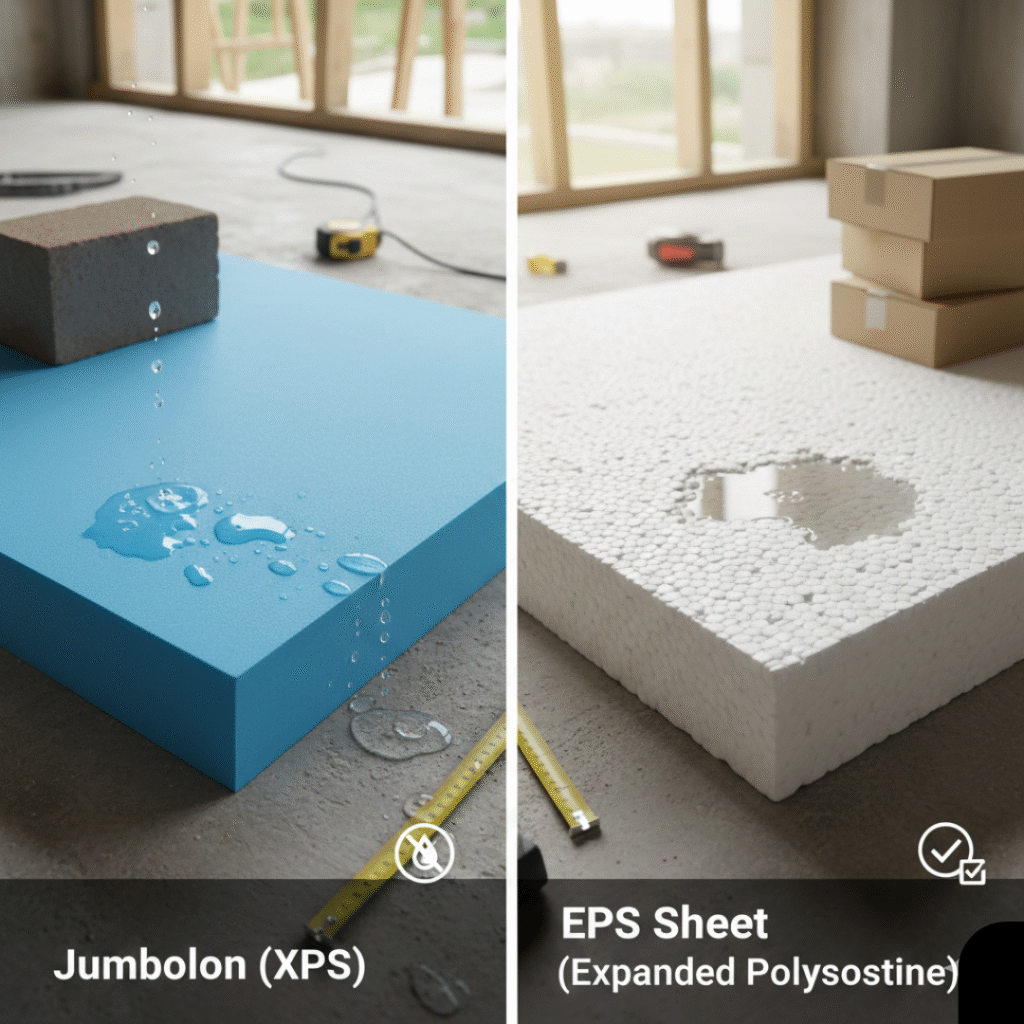
    Jumbolon VS EPS Sheet

    These foam boards are lightweight, moisture-resistant, and cost-effective. They are widely used in walls and roofs where long-term durability is required.

    3. Mineral-Based Boards

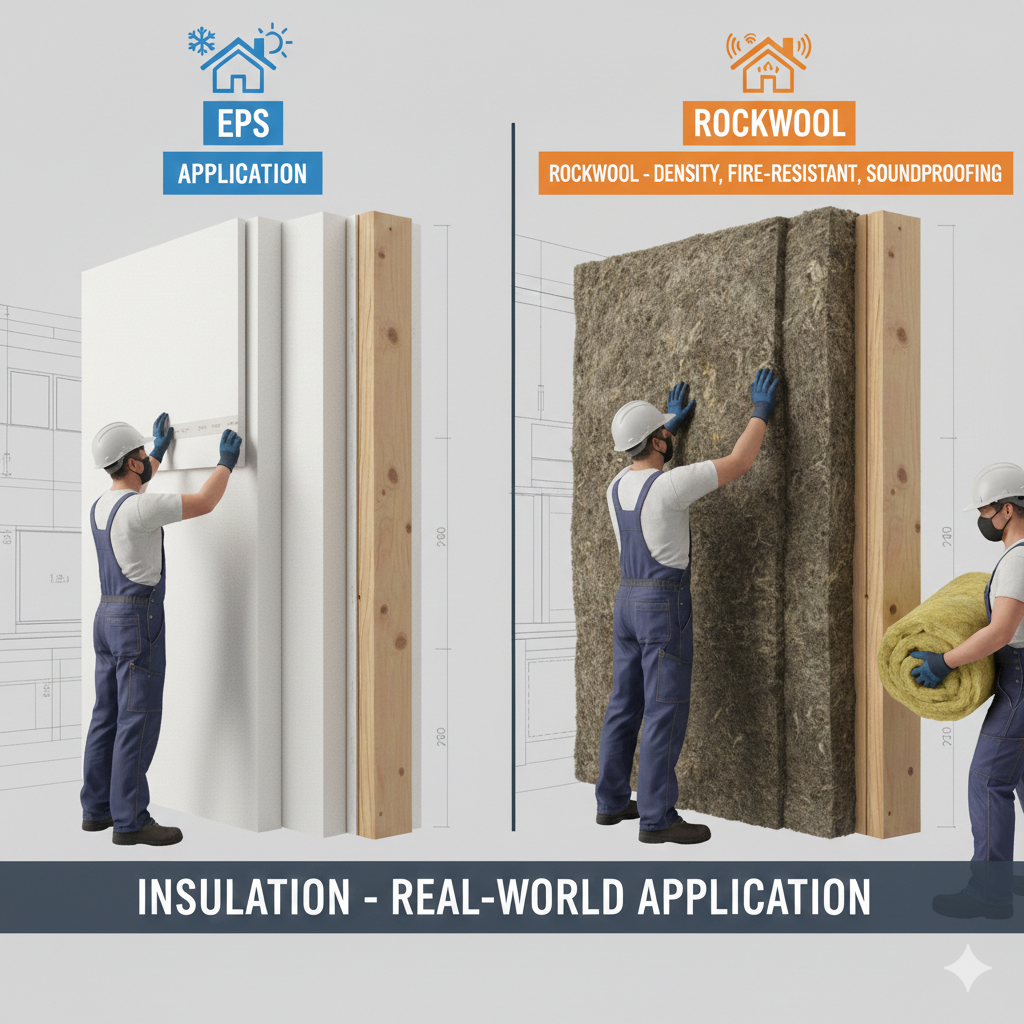
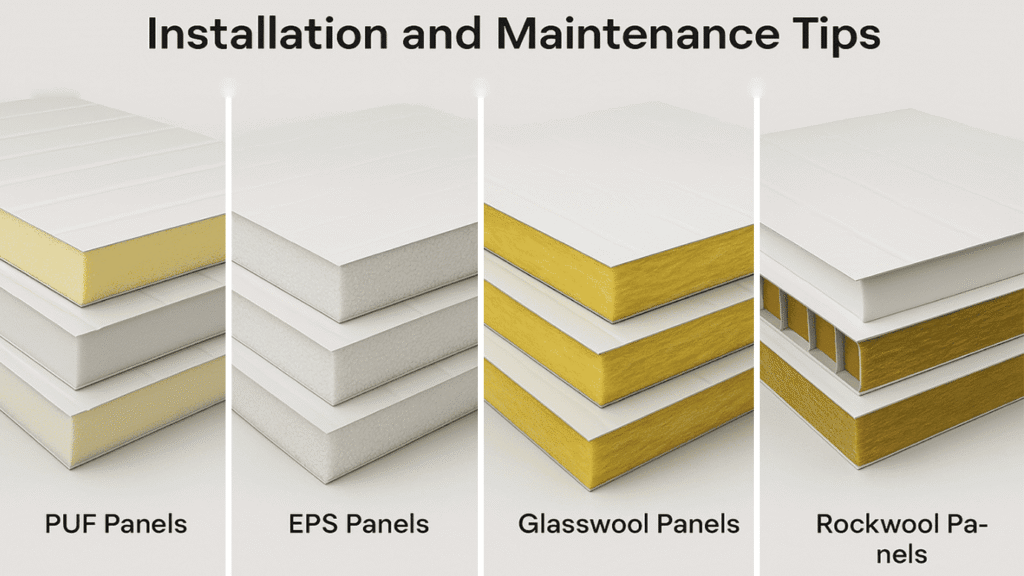
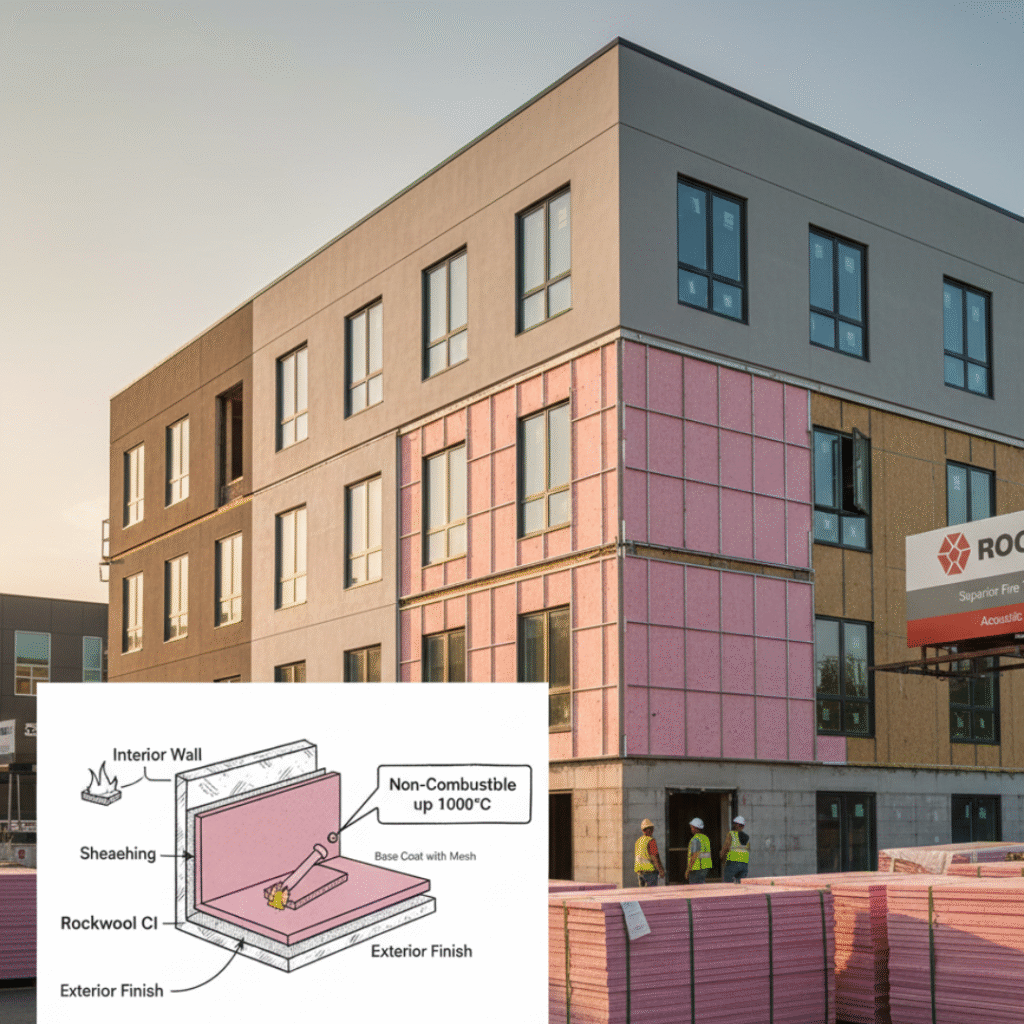
    EPS Vs Rockwool

    These boards provide both thermal and sound insulation and are often selected for fire-resistant applications.

    Each insulation board type serves a specific purpose depending on heat exposure, moisture conditions, and building design.

    Roof Heat Proofing with Insulation Sheets

    One of the most common applications of insulation sheets is roof heat proofing. Roofs receive direct sunlight for extended hours, making them the largest source of indoor heat gain.

    Using insulation boards beneath roofing systems can:

    • Reduce indoor temperatures significantly
    • Protect waterproofing layers
    • Extend roof lifespan
    • Improve overall energy efficiency

    When considering roof insulation price in Pakistan, factors such as board thickness, material type, and installation method play a major role.

    Insulation Boards for Walls – Exterior & Interior Use

    rockwool insulation in pakistan

    Insulation boards for walls help stabilize indoor temperatures and reduce thermal bridging. They are commonly installed on external walls to block heat entry and retain indoor cooling.

    Best Insulation Board for Interior Walls

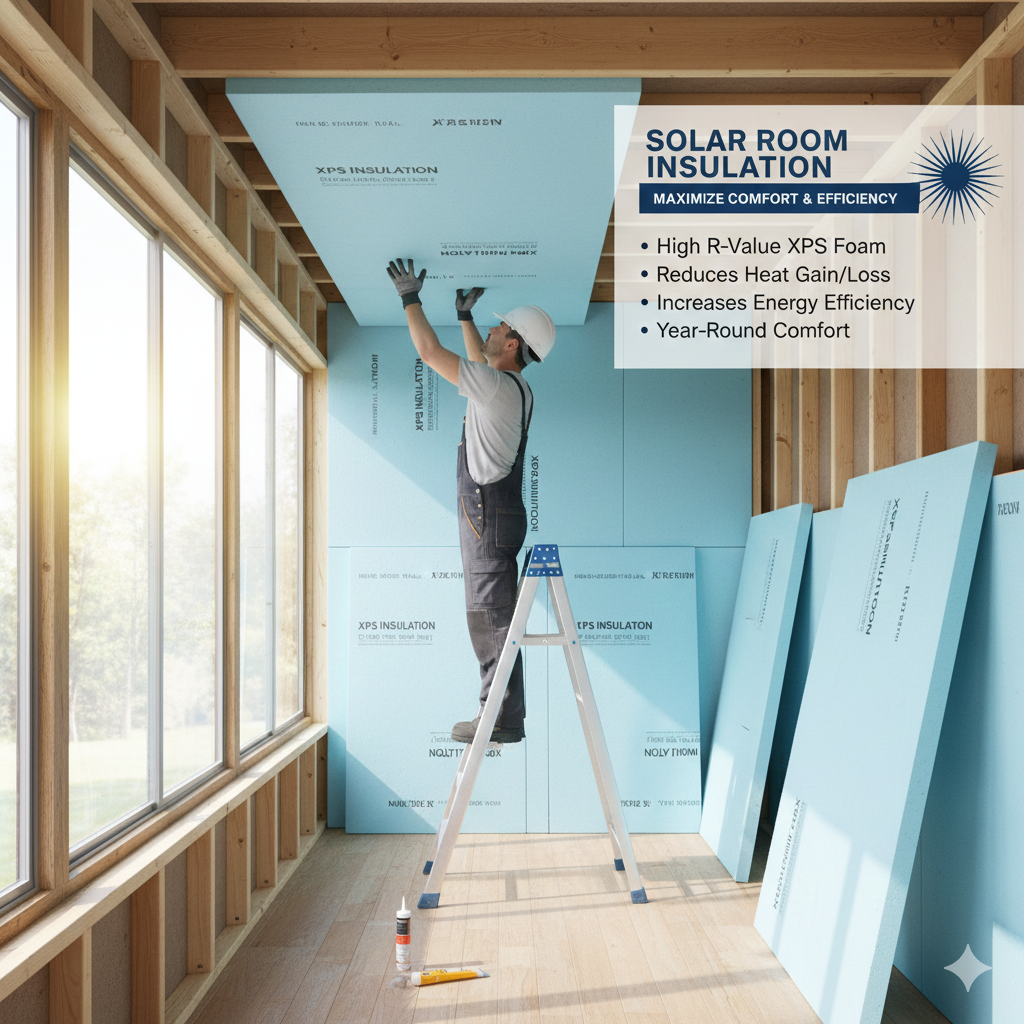
    Solar Room Insulation in Pakistan

    Choosing the best insulation board for interior walls depends on space availability and thermal needs. Slim, high-performance boards are preferred for interiors as they do not reduce room size significantly.

    Interior insulation also improves comfort between rooms and reduces temperature fluctuation throughout the day.

    Best Insulation Board for Roof Applications

    The best insulation board for roof use should have:

    • High thermal resistance
    • Moisture resistance
    • Long-term structural stability

    Rigid insulation boards paired with reflective layers often provide the most effective results for roofs exposed to intense heat.

    Technical Comparison Table (EPS vs XPS vs Rockwool vs PIR Heat Boards)

    Insulation TypeThermal PerformanceMoisture ResistanceFire ResistanceCommon Applications
    EPS BoardMediumLow to MediumLowWalls, basic roofs
    XPS BoardHighHighMediumRoofs, floors
    Rockwool BoardHighMediumVery HighFire-rated walls
    PIR Heat BoardVery HighHighHighRoofs, interiors

    Note: Selection should be based on climate conditions, fire requirements, and available installation space.

    Cost Factors: What Influences Insulation Sheet Prices?

    Many buyers search for the Complete Guide to Thermal Insulation Sheets price to understand budgeting. Prices vary based on:

    • Material type
    • Board thickness
    • Density and performance rating
    • Installation complexity

    Additionally, roof insulation price in Pakistan can differ between cities due to transportation and labor costs.

    While insulation may seem like an upfront expense, it delivers long-term savings by lowering cooling and heating costs.

    How to Choose the Right Insulation Sheet

    To select the correct insulation solution, consider:

    • Climate conditions
    • Area of application (roof, wall, interior)
    • Available space
    • Long-term energy goals

    Using the best insulation board for interior walls may differ from what works best for roofs, so matching the board to the application is critical.

    Benefits of Using Thermal Insulation Sheets

    Installing thermal insulation sheets offers multiple advantages and consumer friendly price in Pakistan:

    • Improved indoor comfort
    • Lower electricity consumption
    • Reduced stress on HVAC systems
    • Enhanced property value
    • Protection against extreme temperatures

    Future of Insulation Boards in Modern Construction

    As energy efficiency standards rise, insulation boards are becoming a core part of sustainable construction. Advanced materials like PIR and hybrid insulation systems are setting new benchmarks in thermal performance.

    FAQ’S

    The best insulation board for roofs depends on heat exposure and budget. PIR insulation boards and XPS boards are commonly preferred due to high thermal resistance and long service life, especially for roof heat proofing.

    When selecting insulation boards for walls, consider thickness, moisture resistance, and installation space. Interior walls usually require slim, high-performance boards, while exterior walls can use thicker insulation systems.

    A PIR insulation board offers higher thermal efficiency compared to many traditional insulation sheets, allowing better insulation with less thickness, making it ideal for modern buildings.

    Roof insulation price in Pakistan varies based on insulation material, board thickness, covered area, and installation method. Transport and city location may also influence final pricing.

    Yes, proper insulation boards significantly reduce heat transfer, which lowers cooling and heating demand and helps reduce monthly electricity bills.

    The best insulation board for interior walls is one that provides strong thermal resistance without reducing room space, such as PIR or high-density foam boards.

  • Lahore Heat Insulation Solutions (EPS/XPS/Rockwool)

    Lahore Heat Insulation Solutions (EPS/XPS/Rockwool)

    Lahore’s climate presents a serious challenge for homes, factories, and commercial buildings. Long summers, extreme heatwaves, and rising electricity costs have made heat insulation a necessity rather than a luxury. Choosing the right insulation system can significantly reduce indoor temperatures, improve comfort, and cut energy bills.

    This guide explains Lahore Heat Insulation Solutions using EPS, XPS, and Rockwool, helping you select the most suitable option based on performance, durability, and cost.

    Why Heat Insulation Is Essential in Lahore

    house insulation in pakistan

    Lahore experiences prolonged high temperatures that directly impact indoor comfort and energy usage. Without proper insulation, roofs and walls absorb heat throughout the day, making cooling systems work harder.

    Effective thermal insulation in Pakistan helps:

    • Reduce indoor heat gain
    • Lower electricity consumption
    • Improve building lifespan
    • Enhance indoor comfort year-round

    Overview of Insulation Materials Used in Pakistan

    The insulation market offers several materials, but three dominate large-scale usage due to performance and availability. Each option serves a different structural need.

    Choosing the right insulation material Pakistan depends on:

    • Location (roof, wall, or cavity)
    • Budget
    • Heat resistance requirements
    • Fire and moisture safety

    EPS (Expanded Polystyrene) – Lightweight & Economical

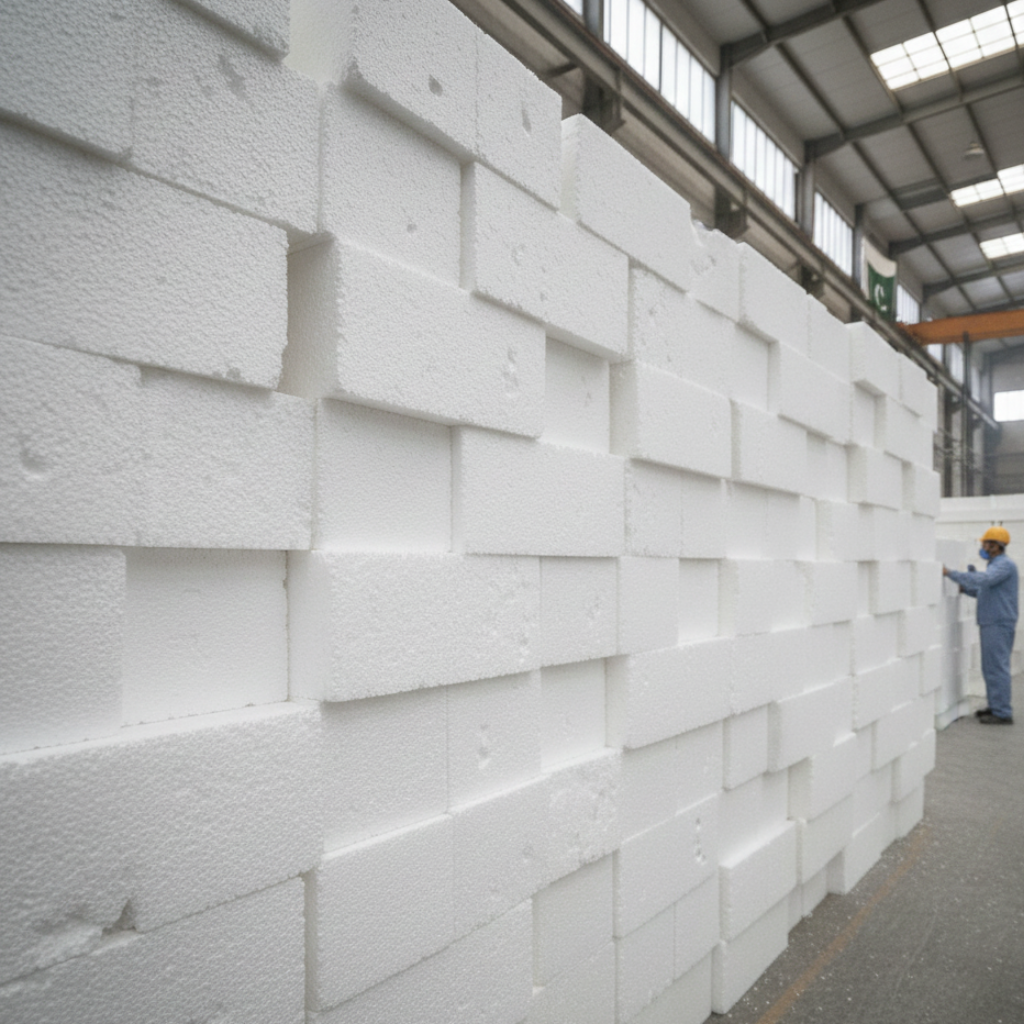
    thermocol blocks manufacturer in pakistan

    EPS insulation is widely used for basic thermal protection in walls and ceilings.

    Key Benefits of EPS:

    • Lightweight and easy to install
    • Cost-effective for large areas
    • Suitable for wall insulation in Pakistan
    • Moderate thermal resistance

    EPS works well for homes where budget is a priority and insulation thickness can be increased for better performance.

    XPS (Extruded Polystyrene) – High Performance Thermal Shield

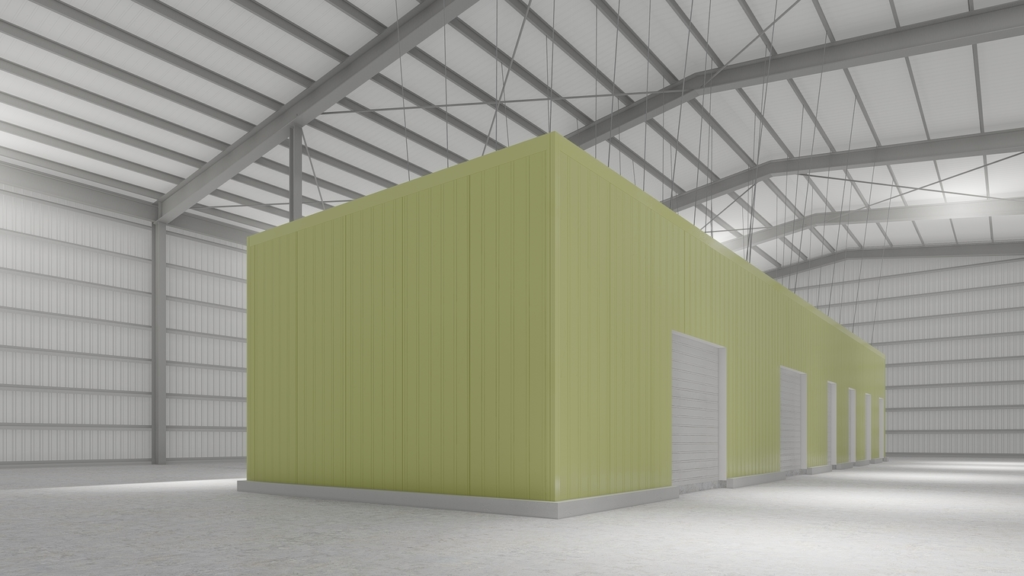
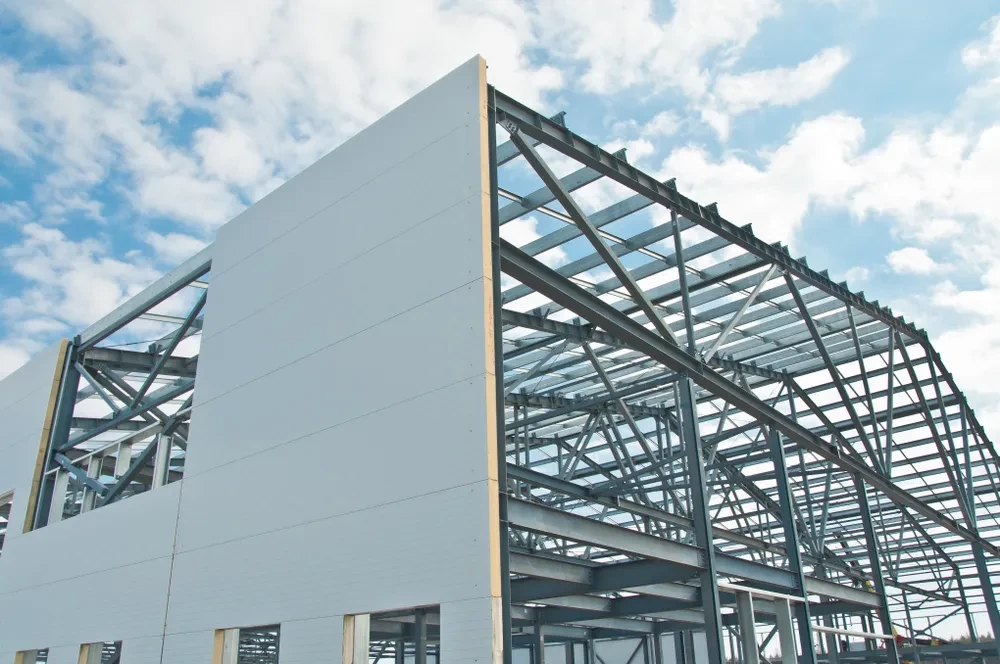
    jumbolon Insulation for Metal Sheds

    XPS offers superior insulation compared to EPS, especially in roofs exposed to direct sunlight.

    Why XPS Is Popular in Lahore:

    • High compressive strength
    • Excellent moisture resistance
    • Long service life
    • Ideal as a heat resistant thermal insulation sheet

    XPS boards are commonly used under concrete slabs and rooftops where durability is essential.

    Rockwool – Premium Heat & Fire Protection

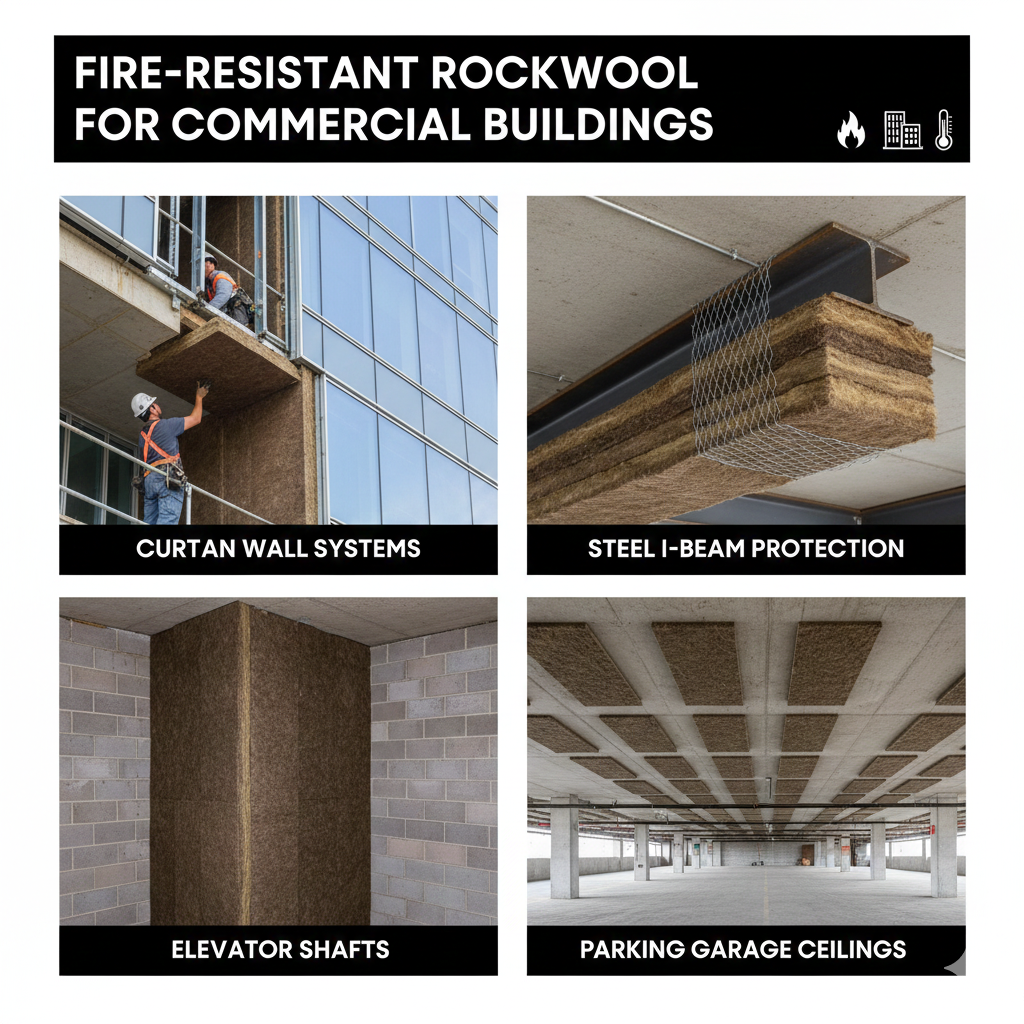
    fire resistant rockwool for commercial buildings

    Rockwool insulation is manufactured from natural stone fibers, offering both thermal and acoustic benefits.

    Advantages of Rockwool:

    • Excellent heat resistance
    • Fire-retardant properties
    • Strong sound insulation
    • Suitable for industrial and commercial buildings

    Many buyers consider rockwool insulation price in Pakistan higher than foam-based solutions, but its long-term safety benefits justify the investment.

    Comparison: EPS vs XPS vs Rockwool

    FeatureEPSXPSRockwool
    Thermal ResistanceMediumHighHigh
    Moisture ResistanceLowVery HighMedium
    Fire ResistanceLowMediumVery High
    InstallationEasyEasyModerate
    Best UseWallsRoofsIndustrial / Commercial

    This comparison highlights why multiple heat insulation sheet Pakistan options exist—each suited to different conditions.

    Application Areas in Lahore Buildings

    Roof Insulation

    Solar Room Insulation in Pakistan

    Roof surfaces absorb the highest heat. XPS and Rockwool are preferred solutions due to their performance and durability.

    Wall Insulation

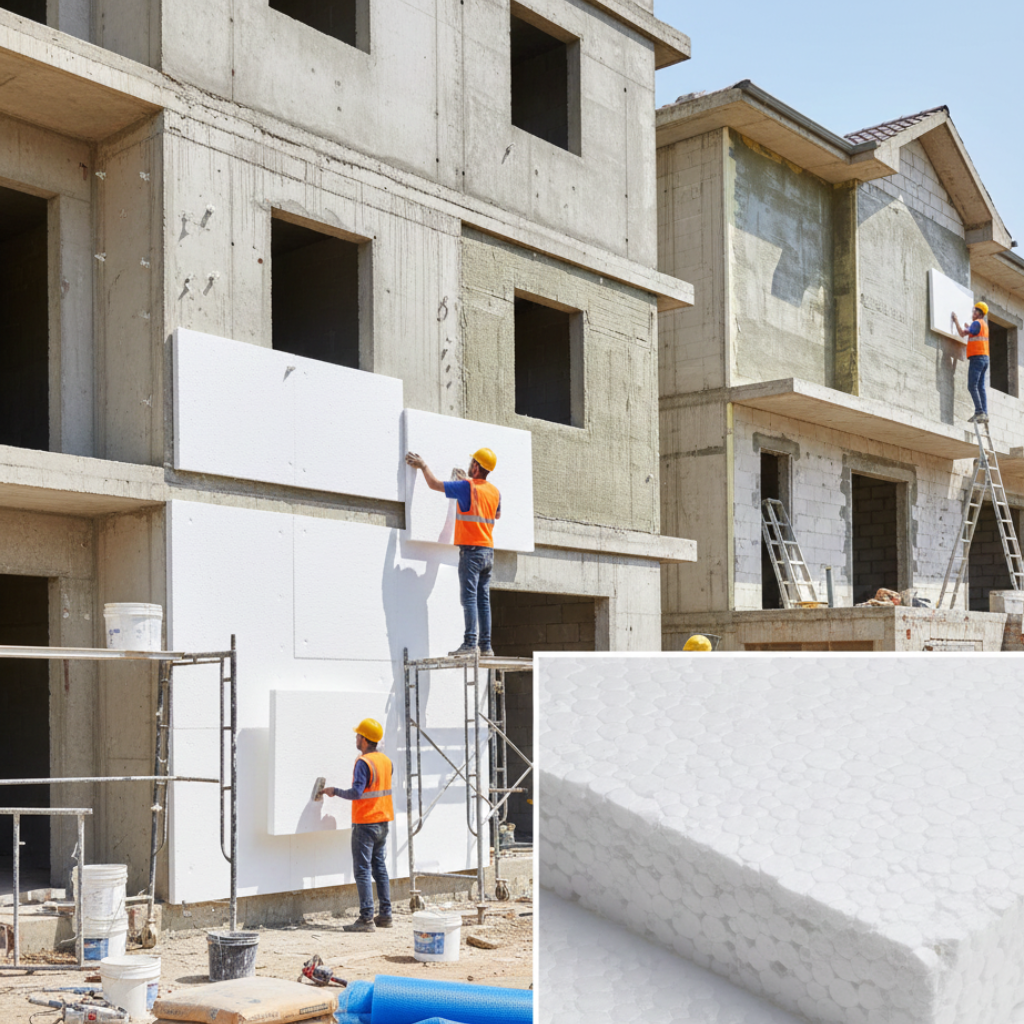
    EPS and XPS panels are commonly installed for wall insulation in Pakistan, reducing heat transfer through external walls.

    Industrial Facilities

    freezers wall panels pakistan

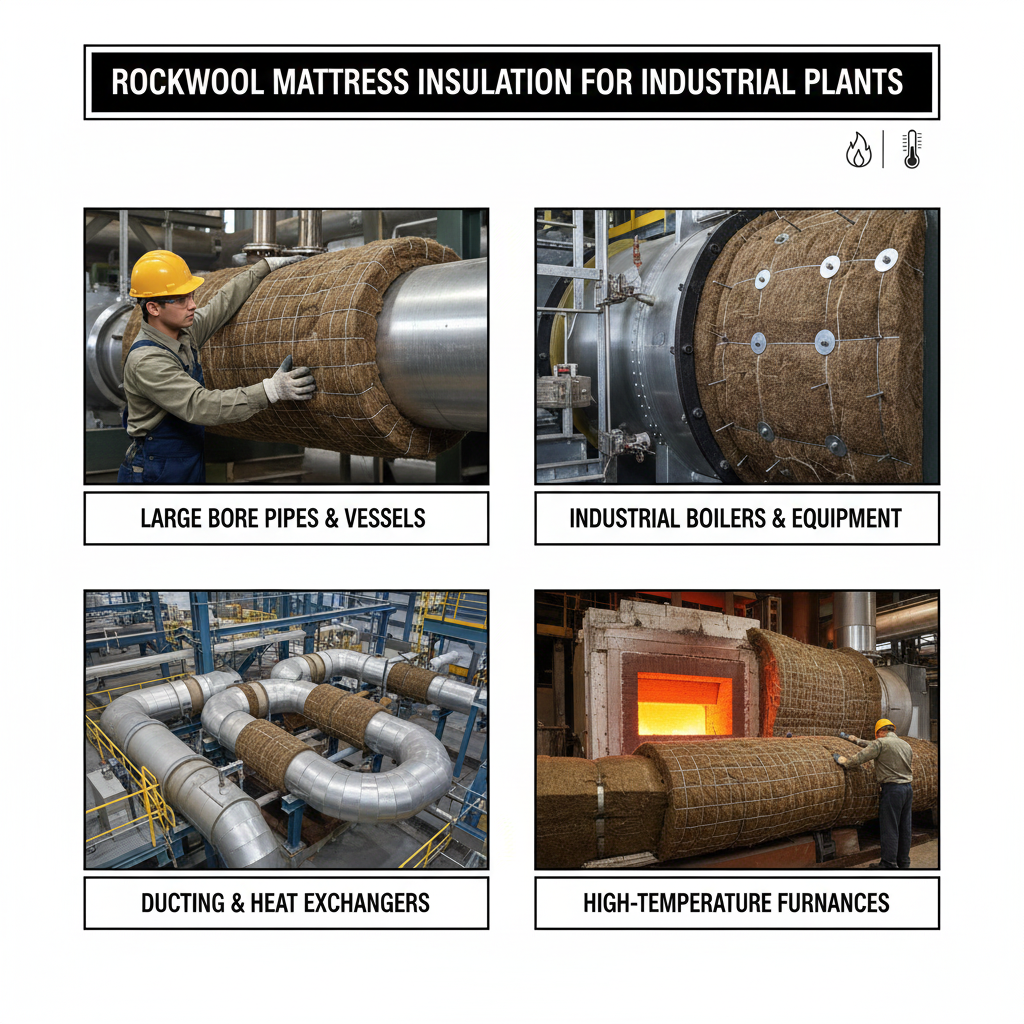
    Rockwool is widely used where fire safety and thermal stability are critical.

    Cost Factors to Consider

    Insulation costs vary depending on thickness, density, and material type. Buyers frequently compare:

    • Lahore Heat Insulation Solutions EPS XPS Rockwool price
    • Installation method
    • Long-term energy savings

    While foam-based insulation may have lower upfront costs, premium materials often provide better lifetime value.

    Choosing the Right Thermal Insulation Sheet

    When selecting insulation, consider:

    • Local climate exposure
    • Roof or wall location
    • Required thermal resistance
    • Budget constraints

    Comparing the thermal insulation sheet price in Pakistan alongside performance metrics helps in making an informed decision.

    Energy Efficiency & Long-Term Benefits

    Proper insulation:

    • Reduces electricity bills year-round
    • Enhances indoor comfort
    • Protects concrete structures
    • Supports sustainable building practices

    Modern thermal insulation in Pakistan is now considered an essential construction element rather than an optional upgrade.

    Final Verdict: Which Insulation Is Best for Lahore?

    • EPS → Best for budget wall insulation
    • XPS → Best for rooftops and moisture-prone areas
    • Rockwool → Best for heat, fire, and sound protection

    Each solution has a unique role in Lahore’s demanding climate.

    FAQ’S

    For Lahore’s high summer temperatures, XPS is ideal for roofs due to moisture resistance, while Rockwool is best for commercial buildings needing heat and fire protection. EPS works well for budget-friendly wall insulation.

    Yes, wall insulation in Pakistan significantly reduces heat transfer, improves indoor comfort, and lowers electricity consumption during long summer months.

    EPS is lightweight and economical, while XPS offers higher thermal resistance, better moisture protection, and longer durability—making it more suitable for rooftops.

    Proper thermal insulation in Pakistan can reduce cooling costs by up to 30–40% by limiting heat gain through roofs and walls.

    Rockwool can be used in homes, especially where fire safety and sound insulation are priorities, though it is more commonly used in commercial and industrial buildings.

  • EPS vs Rockwool – Complete Technical Comparison

    EPS vs Rockwool – Complete Technical Comparison

    Choosing the right insulation material is a critical decision for residential, commercial, and industrial buildings. Two of the most widely used materials are EPS insulation and rockwool insulation. While both serve the same primary purpose—reducing heat transfer—their composition, performance, and applications differ significantly.

    This EPS vs Rockwool – Complete Technical Comparison explains how each material works, where it performs best, and how to decide between them based on thermal, acoustic, moisture, and safety requirements.

    Understanding EPS Insulation

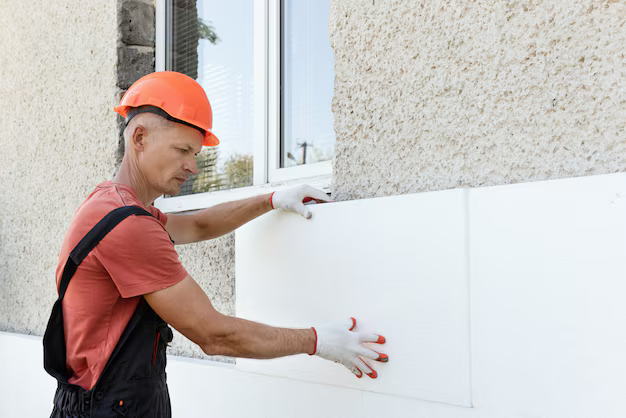
    Thermopore Sheet Installation

    EPS insulation (Expanded Polystyrene) is a rigid, lightweight insulation material made by expanding polystyrene beads using steam. The result is a closed-cell structure that traps air, which helps slow down heat transfer.

    EPS is widely used in walls, roofs, floors, and foundations due to its affordability and ease of installation.

    Key Characteristics of EPS

    • Lightweight and easy to handle
    • Consistent thermal performance
    • Resistant to moisture absorption
    • Cost-effective for large surface areas

    Understanding Rockwool Insulation

    Rockwool insulation is a mineral-based insulation material manufactured by melting volcanic rock and spinning it into dense fibers. This structure makes rockwool excellent for thermal resistance, sound absorption, and fire protection.

    Rockwool is commonly used in walls, roofs, industrial plants, and fire-rated structures.

    Key Characteristics of Rockwool

    • High density and durability
    • Excellent fire resistance
    • Superior sound absorption
    • Vapor-permeable structure

    EPS vs Rockwool – Material Composition Comparison

    One of the biggest differences in polystyrene vs rockwool insulation lies in how the materials are formed.

    EPS relies on trapped air inside rigid foam cells, while rockwool uses intertwined mineral fibers. This structural difference directly impacts performance in heat resistance, sound insulation, and fire behavior.

    Thermal Performance Comparison

    Both insulation types reduce heat transfer effectively, but in different ways.

    • EPS insulation provides stable thermal resistance due to its closed-cell design.
    • Rockwool insulation resists heat by slowing conduction through dense mineral fibers.

    In standard residential applications, both materials perform efficiently when installed correctly.

    EPS vs Rockwool – Technical Comparison Table

    FeatureEPS InsulationRockwool Insulation
    Material TypeExpanded PolystyreneMineral Wool
    Thermal PerformanceGoodVery Good
    Fire ResistanceLimited (needs protection)Excellent (non-combustible)
    Sound InsulationLow to MediumHigh
    Moisture ResistanceGoodModerate
    BreathabilityLowHigh
    Density Range10–30 kg/m³40–120 kg/m³
    WeightLightweightHeavier
    Installation EaseEasyModerate
    Common ApplicationsWalls, roofs, floorsFire-rated walls, partitions, ducts
    Cost LevelEconomicalHigher than EPS
    Suitability for Pakistan ClimateVery SuitableSuitable for premium projects

    EPS vs XPS – Where EPS Stands

    When discussing eps vs xps, EPS is generally more breathable and flexible in vapor movement, while XPS offers higher compressive strength. EPS remains popular for walls and roofs where breathability and cost-efficiency are priorities.

    Fire Resistance and Safety

    Fire performance is a major consideration in insulation selection.

    • Rockwool insulation is non-combustible and can withstand extremely high temperatures.
    • EPS is combustible but often treated with fire-retardant additives to slow flame spread.

    For fire-rated walls or industrial environments, rockwool is typically preferred.

    Sound Insulation Performance

    In polystyrene vs rockwool sound insulation, rockwool clearly outperforms EPS.

    • Rockwool absorbs airborne and impact sound due to its fibrous structure.
    • EPS primarily reflects sound rather than absorbing it.

    For noise-sensitive spaces such as apartments, offices, or studios, rockwool offers better acoustic comfort.

    Moisture Behavior & Breathability

    A common question is: is EPS insulation breathable?

    EPS allows limited vapor diffusion while resisting liquid water absorption. This makes it suitable for controlled indoor environments.

    Rockwool, on the other hand, is vapor-permeable and helps regulate moisture while remaining water-repellent. This characteristic makes it suitable for buildings that require breathability without trapping moisture.

    Installation & Handling Comparison

    • EPS insulation is easy to cut, lightweight, and quick to install, reducing labor time.
    • Rockwool is heavier and requires protective handling but offers greater structural stability in vertical applications.

    Environmental & Longevity Considerations

    Rockwool is manufactured from natural minerals and is dimensionally stable over time. EPS is long-lasting and recyclable but derived from petrochemical sources.

    Both materials have long service lives when installed properly.

    Where EPS Is the Better Choice

    EPS is ideal for:

    • Budget-sensitive projects
    • External wall insulation systems
    • Roof and floor insulation
    • Applications requiring lightweight materials

    Where Rockwool Is the Better Choice

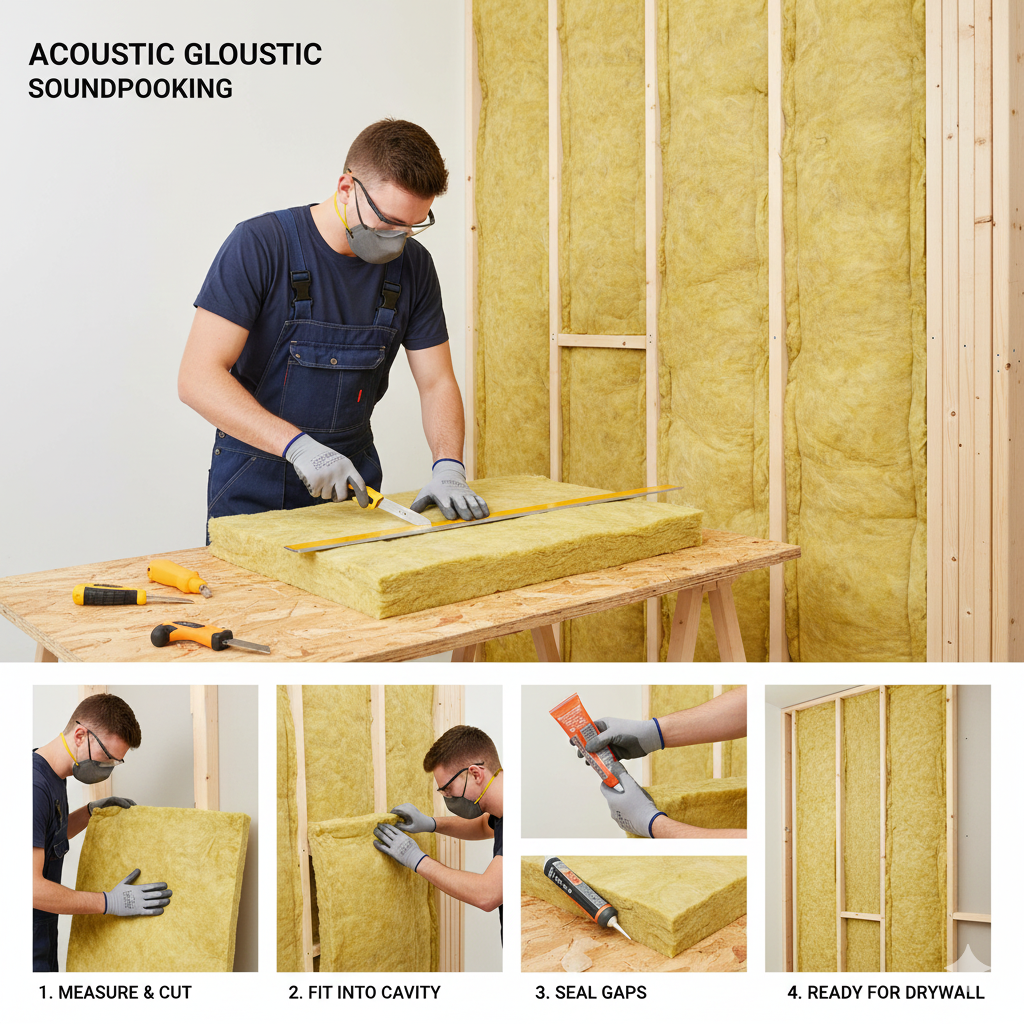
    Soundproofing Material glasswool vs rockwool

    Rockwool is better suited for:

    • Fire-rated walls and ceilings
    • Soundproofing applications
    • High-temperature environments
    • Industrial and commercial buildings

    Final Verdict: EPS vs Rockwool

    There is no single “best” insulation—only the right one for your project.

    • Choose EPS insulation for affordability, ease of installation, and thermal efficiency.
    • Choose rockwool insulation when fire safety, sound insulation, and breathability are critical.

    Understanding the technical differences between these materials ensures better energy efficiency, comfort, and long-term performance.

    FAQ’S

    The main difference lies in composition and performance. EPS insulation is made from expanded polystyrene and focuses on thermal efficiency, while rockwool insulation is made from mineral fibers and offers superior fire resistance and sound absorption.

    For wall insulation in Pakistan, EPS is commonly used for residential projects due to affordability and thermal performance. Rockwool is preferred in commercial or industrial buildings where fire safety and acoustic insulation are critical.

    EPS insulation is not fully breathable. It has low vapor permeability, which helps block moisture but requires proper ventilation design to avoid condensation buildup inside walls.

    Yes. Rockwool performs significantly better in sound control. This is why polystyrene vs rockwool sound insulation comparisons often favor rockwool for apartments, offices, and studios.

    When comparing EPS vs XPS, XPS offers higher compressive strength and moisture resistance, while EPS is more cost-effective and widely used for wall and roof insulation.

    Rockwool is non-combustible and can withstand very high temperatures, making it safer in fire-rated applications. EPS must be protected with fire-resistant layers when used in building envelopes.

  • How Insulation Improves Home Value & Comfort

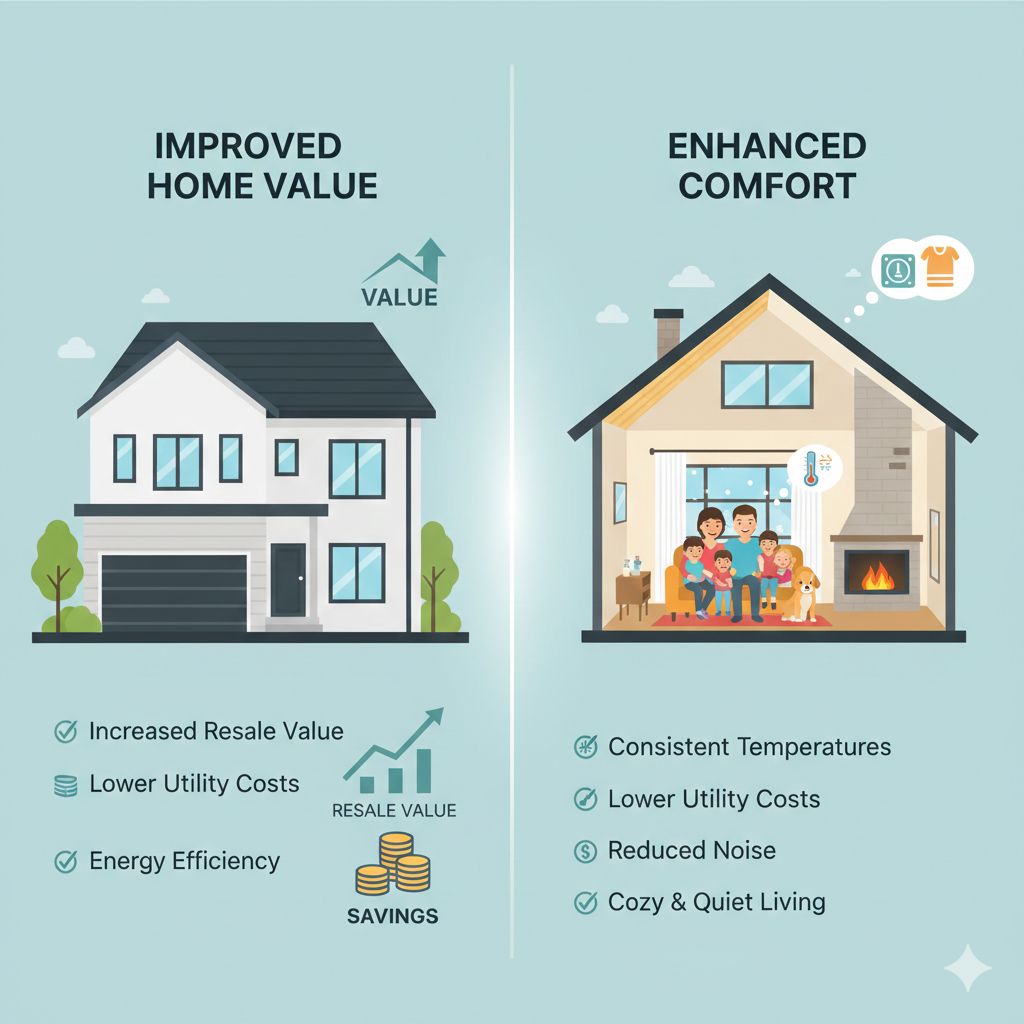
    How Insulation Improves Home Value & Comfort

    In modern housing, comfort and energy efficiency are no longer luxuries, they are expectations. Whether you are building a new house or upgrading an existing one, proper insulation plays a major role in how your home feels, performs, and is valued in the market. This guide explains how insulation improves home value & comfort, with a practical focus on homes in Pakistan.

    Understanding Home Insulation

    house insulation in pakistan

    House insulation is the process of adding materials to walls, roofs, floors, and ceilings to reduce heat transfer between indoor and outdoor environments. By limiting unwanted heat gain in summer and heat loss in winter, insulation creates a more stable indoor temperature.

    In regions with extreme weather variations, such as Pakistan, effective home insulation in Pakistan helps homes remain comfortable throughout the year while reducing reliance on heating and cooling systems.

    How Insulation Improves Home Comfort

    One of the most noticeable benefits of insulation is daily comfort. Insulation improves home comfort by maintaining consistent indoor temperatures and minimizing hot and cold spots.

    Key comfort improvements include:

    • Reduced indoor temperature fluctuations
    • Better control over humidity levels
    • Quieter indoor spaces due to sound absorption
    • Less strain on air conditioners and heaters

    When insulation is properly installed, living spaces feel naturally balanced rather than artificially cooled or heated.

    Thermal Resistance and Its Role in Insulation

    The effectiveness of insulation depends largely on thermal resistance, which measures how well a material resists heat flow. Higher thermal resistance means better insulation performance.

    Materials with good thermal resistance:

    • Slow down heat transfer
    • Improve indoor temperature stability
    • Increase overall energy efficiency

    Selecting insulation with appropriate thermal resistance ensures long-term comfort without excessive energy consumption.

    How Insulation Increases Home Value

    home insulation

    Beyond comfort, insulation has a direct impact on property value. Homes with proper insulation are more attractive to buyers because they promise lower utility bills and better living conditions.

    Ways insulation adds value:

    • Improved energy efficiency ratings
    • Lower long-term maintenance costs
    • Higher resale appeal
    • Enhanced structural protection

    In competitive real estate markets, well-insulated homes stand out as smart, future-ready investments.

    Home Insulation in Pakistan: Why It Matters

    Climate conditions make home insulation in Pakistan especially important. Long summers, rising electricity costs, and increasing urban heat all contribute to higher indoor discomfort in poorly insulated houses.

    Proper house insulation in Pakistan helps homeowners:

    • Reduce cooling costs during peak summer months
    • Protect interiors from extreme outdoor heat
    • Improve indoor air quality and comfort

    As awareness grows, insulation is becoming a key feature in modern Pakistani homes.

    Insulation Density Comparison Table (Residential Use)

    Insulation MaterialTypical Density (kg/m³)Thermal Resistance LevelCommon Home Application
    Glasswool12 – 24Medium to HighRoofs, ceilings, ducts
    Rockwool40 – 80HighWalls, fire-rated areas
    EPS Sheets15 – 25MediumWalls, roofs
    XPS Boards30 – 45HighFloors, roofs
    PU Foam Panels35 – 45Very HighWalls, roofs

    Note: Density selection should match climate conditions and insulation purpose to achieve optimal thermal resistance.

    How to Improve Home Insulation Effectively

    If you are wondering how to improve home insulation, focus on areas with the highest heat exchange. These typically include roofs, external walls, and windows.

    Practical improvement steps:

    • Insulate roofs and ceilings first
    • Seal gaps and air leaks
    • Use insulation boards or blankets for walls
    • Upgrade old or damaged insulation materials

    Even partial upgrades can result in noticeable comfort improvements.

    House Insulation and Energy Efficiency

    house insulation

    Efficient house insulation reduces the workload on cooling and heating systems. This leads to lower electricity consumption and longer equipment lifespan.

    Energy-efficient homes also:

    • Experience fewer temperature shocks
    • Maintain comfort with less energy input
    • Align with modern sustainability standards

    Over time, energy savings often outweigh the initial insulation cost.

    Home Insulation Price Considerations

    The home insulation price depends on several factors, including material type, thickness, and installation area. Roof insulation usually costs less than full wall insulation but still delivers significant benefits.

    In local markets, the home insulation price in Pakistan varies by city, product quality, and labor costs. Instead of focusing only on upfront price, homeowners should consider long-term energy savings and comfort gains.

    Long-Term Benefits of Insulating Your Home

    Proper insulation offers benefits that go beyond temperature control:

    • Reduced energy bills year after year
    • Enhanced indoor comfort for all seasons
    • Higher property resale value
    • Better protection against moisture and heat damage

    These advantages make insulation one of the smartest upgrades for any home.

    Conclusion

    Understanding how insulation improves home value & comfort helps homeowners make informed decisions. With better thermal resistance, improved indoor comfort, and increased market appeal, insulation is a long-term investment rather than a short-term expense. For homes in Pakistan, where climate challenges are significant, proper insulation is becoming an essential part of smart housing design.

    FAQ’S

    Insulation improves home comfort by reducing heat transfer, keeping indoor temperatures stable during hot summers and cooler months. This minimizes temperature fluctuations and reduces dependency on air conditioning.

    Yes, proper house insulation increases home value by improving energy efficiency, lowering utility bills, and making the property more attractive to buyers looking for long-term cost savings.

    The ideal option depends on the area being insulated. Roof insulation is often the first priority for home insulation in Pakistan due to intense heat exposure, followed by wall and floor insulation.

    Home insulation price in Pakistan varies based on material type, thickness, and covered area. While upfront costs differ, long-term energy savings usually offset the investment.

    Homeowners can improve thermal resistance by insulating roofs and external walls, sealing air gaps, and using insulation materials with appropriate density and thickness.

  • Insulation Sheet Life Expectancy & Durability

    Insulation Sheet Life Expectancy & Durability

    Insulation is one of the most important long-term investments in any building. While insulation materials are designed to last for decades, their performance does not remain the same forever. Understanding insulation lifespan helps homeowners, builders, and facility managers make informed decisions about maintenance, replacement, and cost planning.

    This guide explains how long different insulation materials last, what affects their durability, and when replacement becomes necessary.

    Understanding Insulation Lifespan

    Insulation lifespan refers to how long insulation materials can perform effectively before losing thermal efficiency, structural integrity, or safety. While insulation does not “expire” like food, its ability to resist heat flow can decline due to moisture, compression, contamination, or poor installation.

    Different materials age differently, which is why knowing their expected lifespan is critical.

    How Long Does Insulation Last in Walls?

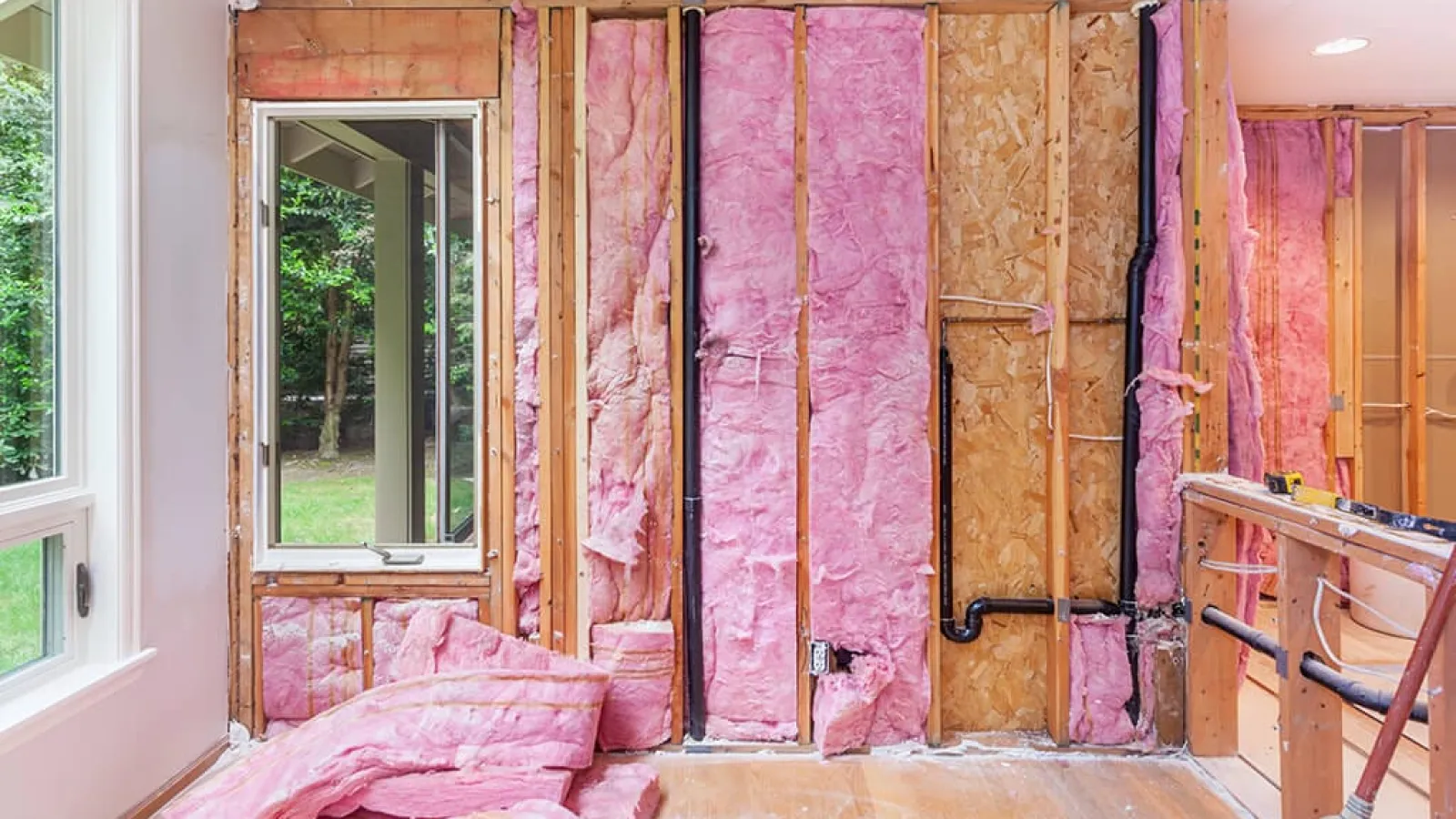
    Glasswool Sheet For Soundproofing

    One of the most common homeowner questions is how long does insulation last in walls. In properly sealed wall cavities, insulation can last anywhere from 30 to 80 years, depending on material type and environmental conditions.

    Wall insulation generally lasts longer than attic insulation because it is less exposed to:

    • Moisture fluctuations
    • Dust and debris
    • Temperature extremes

    However, water intrusion or pest damage can significantly shorten its lifespan.

    Fiberglass Insulation Longevity Explained

    How Long Does Fibreglass Insulation Last in Attic?

    Many homeowners ask how long does fibreglass insulation last in attic spaces. Fiberglass insulation typically lasts 20 to 30 years in attics because it is exposed to heat buildup, humidity, and air movement.

    Over time, attic fiberglass insulation may:

    • Compress and lose thickness
    • Collect dust that reduces R-value
    • Shift due to airflow

    These factors reduce efficiency even if the insulation looks intact.

    How Long Does Fibre Glass Insulations Last in Walls?

    When installed inside walls, how long does fibre glass insulations last in walls becomes less of a concern. Fiberglass in walls can perform effectively for 40 to 60 years if it remains dry and undisturbed.

    Proper vapor barriers and airtight construction significantly extend wall insulation life.

    How Often Should Attic Insulation Should Replaced?

    A common maintenance question is how often should attic insulation should replaced. In most cases, attic insulation should be inspected every 10 to 15 years and replaced when:

    • R-value drops noticeably
    • Moisture or mold is present
    • Rodent or insect damage occurs
    • Energy bills increase unexpectedly

    Replacement frequency depends more on condition than age alone.

    Average Insulation Replacement Cost

    Insulation TypeTypical LocationApprox. Cost Range (PKR / sq.ft)
    Fiberglass InsulationAttic180 – 300
    Fiberglass InsulationWalls250 – 420
    Cellulose InsulationAttic220 – 380
    Foam-Based InsulationWalls / Roof450 – 750

    Note: Costs vary by city, labor access, and insulation thickness.

    Cellulose Insulation Durability

    Cellulose insulation is made from recycled paper treated with fire-retardant chemicals. While eco-friendly, its lifespan is generally 20 to 30 years.

    Cellulose insulation is more sensitive to:

    • Moisture absorption
    • Settling over time
    • Pest activity

    Regular inspections are essential to maintain performance.

    When to Replace Insulation in Walls

    Knowing when to replace insulation in walls helps prevent energy loss and indoor comfort issues. Replacement is recommended if you notice:

    • Uneven indoor temperatures
    • Persistent damp smells
    • Visible mold or mildew
    • Renovations that expose wall cavities

    Replacing wall insulation during remodeling is often more cost-effective than waiting.

    How Much Does It Cost to Replace the Insulation?

    Homeowners frequently ask how much does it cost to replace the insulation. Costs vary based on material, area size, and accessibility.

    Typical factors affecting cost include:

    • Type of insulation (fiberglass, cellulose, foam)
    • Wall or attic access
    • Labor complexity
    • Removal of old insulation

    While replacement can be a significant investment, it often pays back through reduced energy bills and improved comfort.

    Factors That Reduce Insulation Durability

    Several factors can shorten insulation lifespan:

    • Moisture leaks or condensation
    • Poor installation
    • Compression or settling
    • Pest infestation
    • Fire or smoke exposure

    Addressing these issues early can delay the need for full replacement.

    How to Extend Insulation Life

    You can maximize insulation durability by:

    • Fixing roof and plumbing leaks promptly
    • Ensuring proper ventilation
    • Sealing air gaps
    • Conducting periodic inspections

    Preventive care significantly improves long-term performance.

    Final Thoughts

    Insulation is not a “set and forget” building component. Understanding insulation sheet life expectancy and durability allows homeowners and building owners to plan maintenance, reduce energy waste, and maintain indoor comfort.

    Regular inspections, moisture control, and timely replacement ensure insulation continues to perform efficiently for decades.

    FAQ’S

    In most homes, insulation installed in walls can last between 40 to 80 years if it remains dry and undisturbed. Its lifespan depends on material quality, installation method, and moisture control.

    Fibreglass insulation in attics typically lasts 20 to 30 years because it is exposed to temperature changes, dust, and airflow that gradually reduce its effectiveness.

    Attic insulation should be inspected every 10 to 15 years and replaced when signs of compression, moisture damage, or rising energy bills appear.

    Insulation in walls should be replaced during renovations if it is damaged, moldy, wet, or outdated. Open walls provide the most cost-effective opportunity for replacement.

    Cellulose insulation offers good thermal performance but usually has a shorter lifespan than fiberglass due to settling and moisture sensitivity.

    The cost to replace insulation depends on material type, area size, and accessibility. Attic replacements are usually more affordable than wall insulation upgrades.

  • Common Insulation Mistakes & How to Avoid Them

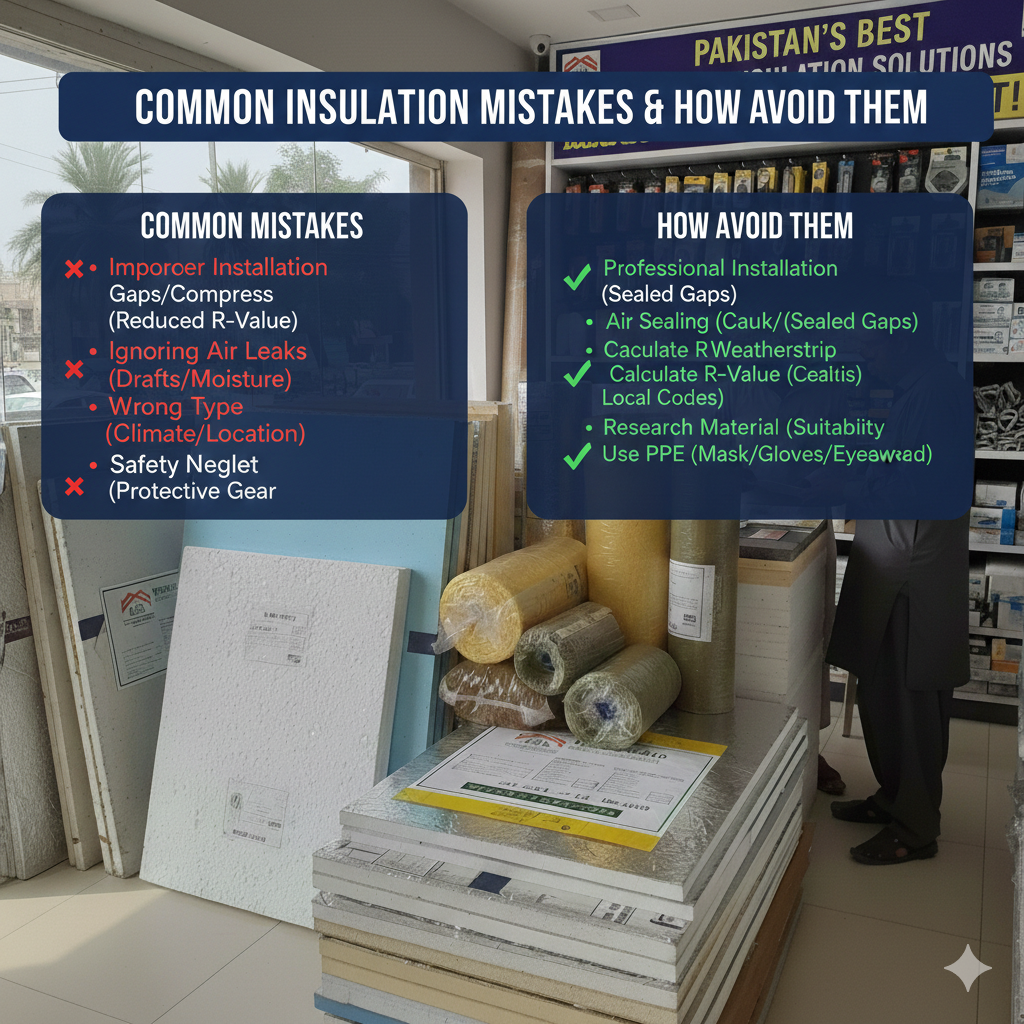
    Common Insulation Mistakes & How to Avoid Them

    Insulation plays a critical role in maintaining indoor comfort, reducing energy costs, and protecting buildings from extreme temperatures. However, many homeowners and builders in Pakistan unknowingly make insulation mistakes that reduce effectiveness and increase long-term expenses.

    This guide explains the most common insulation mistakes and provides practical solutions to avoid them for better thermal performance and durability.

    Why Proper Insulation Matters

    Correct insulation helps regulate indoor temperatures, reduces heat transfer, and improves energy efficiency. Poor insulation decisions can lead to excessive heat gain, moisture issues, and higher electricity bills, especially in Pakistan’s hot climate.

    Avoiding common mistakes ensures insulation performs as intended throughout the building’s lifespan.

    Mistake 1: Choosing the Wrong Insulation Material

    One of the most frequent mistakes is selecting insulation based only on price instead of application. Different areas of a building require different insulation materials.

    How to Avoid It

    Evaluate where insulation will be installed—roof, walls, ceilings, or ducts—and choose materials suitable for that specific location and climate exposure.

    Mistake 2: Ignoring Insulation Thickness and Density

    Many installations fail because insulation thickness or density is insufficient. Thin or low-density insulation may not provide adequate heat resistance.

    How to Avoid It

    Always select insulation with appropriate thickness and density based on building type, exposure to sunlight, and temperature requirements.

    Mistake 3: Poor Installation Practices

    Even the best insulation material fails if installed incorrectly. Gaps, compressed insulation, and unsealed joints reduce effectiveness.

    How to Avoid It

    Ensure professional installation with proper sealing, alignment, and coverage. Avoid compressing insulation materials during fitting.

    Mistake 4: Not Considering Moisture and Ventilation

    Insulation without proper moisture control can lead to condensation, mold growth, and structural damage.

    How to Avoid It

    Use vapor barriers where required and ensure adequate ventilation to prevent moisture buildup

    Mistake 5: Skipping Roof Insulation

    Many buildings focus on wall insulation but ignore the roof, which receives the most direct heat.

    How to Avoid It

    Always prioritize roof insulation, especially in hot climates, to significantly reduce indoor heat gain.

    Mistake 6: Using One Insulation Type for Entire Building

    No single insulation material works perfectly for every part of a building.

    How to Avoid It

    Combine insulation systems when necessary—for example, reflective insulation for roofs and fiber insulation for walls—to maximize performance.

    Mistake 7: Focusing Only on Initial Cost

    Low-cost insulation may seem attractive initially but often leads to higher energy bills and replacement costs.

    How to Avoid It

    Consider insulation as a long-term investment. Higher-quality insulation offers better durability, comfort, and energy savings.

    Conclusion

    Avoiding common insulation mistakes can significantly improve indoor comfort, energy efficiency, and building lifespan. Proper material selection, correct installation, and thoughtful planning are essential for effective insulation performance.

    Making informed insulation choices today prevents costly problems in the future.

    FAQ’S

    Common insulation mistakes include choosing the wrong material, improper thickness, poor installation, ignoring roof insulation, and neglecting moisture control.

    Hire professional installers, follow manufacturer guidelines, ensure proper sealing and alignment, and select materials suitable for the specific application area.

    Yes, the roof receives the most direct heat. Proper roof insulation significantly reduces indoor temperatures and energy costs.

    No, different areas have different requirements. Combining insulation types—for example, reflective insulation for roofs and fiber insulation for walls—maximizes efficiency.

  • How to Choose the Right Insulation Material

    How to Choose the Right Insulation Material

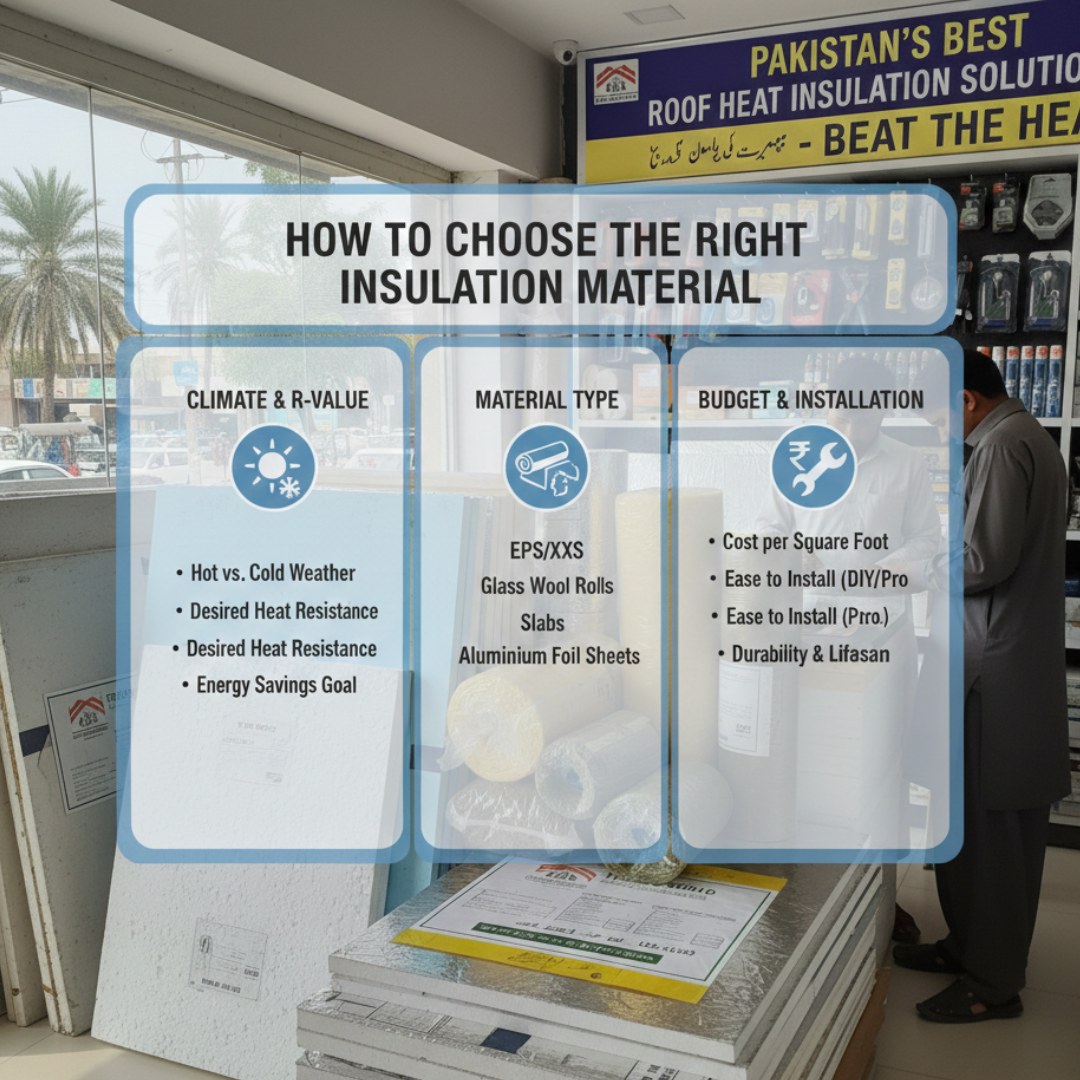
    Choosing the correct insulation material is one of the most important decisions in building or renovating a house in Pakistan. With extreme summers, rising energy costs, and varied construction styles, insulation directly affects indoor comfort, electricity bills, and long-term building performance.

    This guide explains how to choose the right insulation material in Pakistan, covering key factors, material types, and practical recommendations for walls, roofs, and interiors.

    Why Insulation Selection Matters

    insulation material

    Insulation is not a one-size-fits-all solution. The wrong choice can lead to heat buildup, moisture problems, and higher maintenance costs. The right insulation, on the other hand, improves thermal comfort, reduces energy consumption, and protects the building structure.

    Understanding how to choose the right insulation material for house construction helps homeowners make informed, cost-effective decisions.

    Factors to Consider Before Choosing Insulation

    Before selecting any insulation product, evaluate the following:

    • Climate and temperature conditions
    • Building type (residential, commercial, or industrial)
    • Location of insulation (roof, wall, ceiling, or floor)
    • Budget and long-term energy savings
    • Installation and maintenance requirements

    These factors help identify the most-efficient insulation material for your specific needs.

    Thermal Insulation Materials Commonly Used in Pakistan

    Below is a practical thermal insulation materials list commonly used across Pakistan:

    • Glasswool insulation
    • Rockwool insulation
    • Expanded polystyrene (EPS)
    • Extruded polystyrene (XPS)
    • Polyurethane foam
    • Aluminium foil insulation

    Each material offers different performance levels depending on application and environment.

    Best Insulation for Walls

    Glasswool Sheet For Soundproofing

    Walls play a major role in heat transfer, especially in homes exposed to direct sunlight.

    The Best Insulation for walls usually includes materials that provide both thermal resistance and durability. Glasswool, rockwool, and foam boards are widely used due to their balanced performance and availability.

    Best Insulation for Interior Walls

    rockwool insulation sheet in eifs

    Interior walls require insulation mainly for temperature stability and noise reduction. The Best Insulation for interior walls is typically lightweight and easy to install, such as glasswool or foam-based insulation.

    These materials help maintain consistent indoor temperatures while improving acoustic comfort.

    Best Heat Insulation Material for Roofs and Ceilings

    Roofs receive maximum heat exposure in Pakistan. Selecting the Best heat insulation material for roofs is crucial for reducing indoor heat gain.

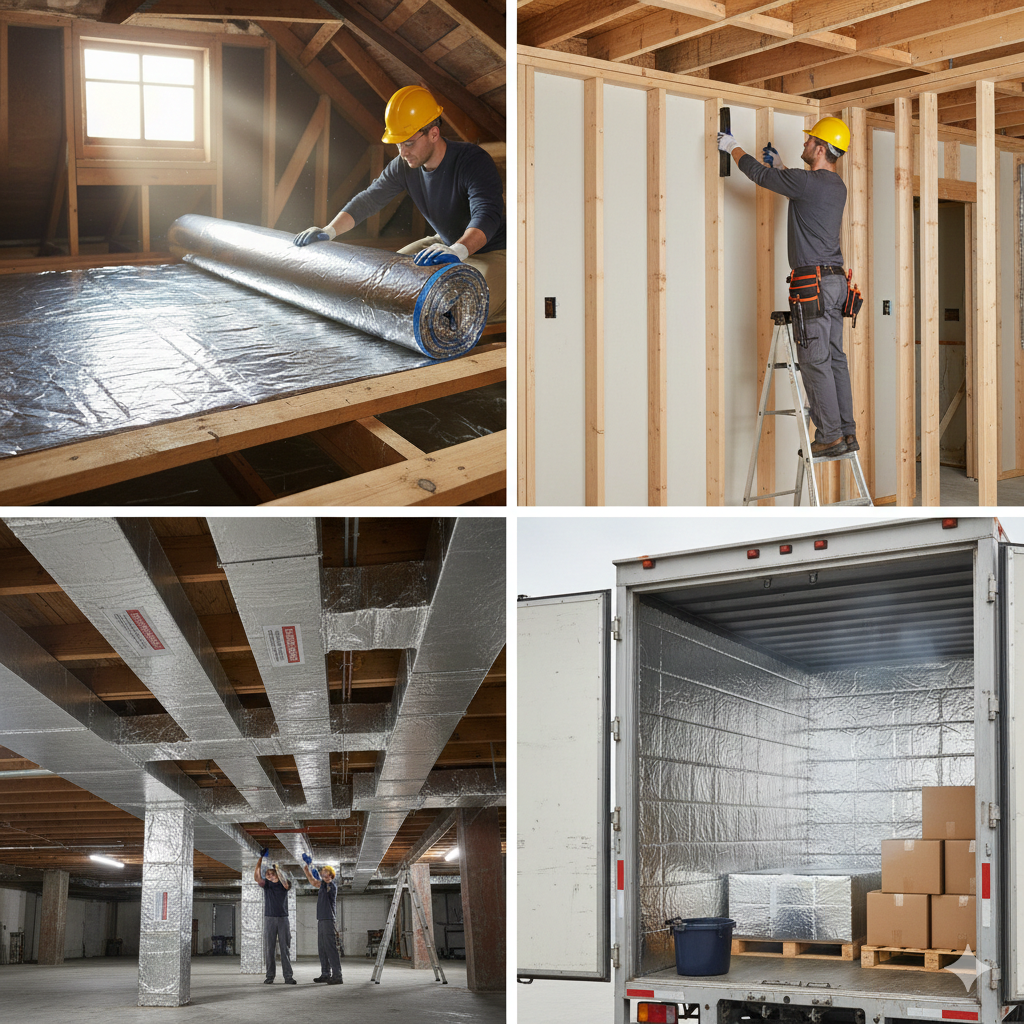
    Reflective aluminium foil insulation, combined with foam or fiber insulation, is commonly used to block radiant heat and improve overall efficiency.

    Best Insulation for Exterior Walls

    insulation material supplier in pakistan

    Exterior walls require insulation that can withstand weather changes while providing long-term thermal performance. The Best Insulation for exterior walls includes materials with moisture resistance, durability, and high thermal efficiency, such as XPS boards or rockwool.

    These materials help protect buildings from external heat and environmental stress.

    Choosing the Best Material for Insulation

    The Best material for insulation depends on application rather than popularity. A residential home may require different insulation than a warehouse or office building.

    For example:

    • Homes benefit from glasswool and foil insulation
    • Commercial buildings often use rockwool or foam boards
    • Industrial facilities require fire-resistant insulation

    Selecting material based on performance needs ensures better results and long-term value.

    Cost vs Performance Balance

    While price is an important factor, insulation should be viewed as a long-term investment. Higher-quality insulation materials reduce electricity costs and minimize future repairs.

    Balancing upfront cost with energy savings helps identify the most cost-effective insulation solution.

    Conclusion

    Choosing the right insulation material in Pakistan requires careful consideration of climate, building structure, and application area. By understanding material properties and usage requirements, homeowners and builders can select insulation that delivers comfort, energy efficiency, and durability.

    Making the right choice today ensures a more comfortable and energy-efficient building for years to come.

    FAQ’S

    The most-efficient insulation material depends on application. For roofs, reflective aluminium foil works well, while glasswool and foam boards are commonly used for walls and ceilings.

    The best insulation for interior walls includes lightweight materials such as glasswool and foam insulation, as they provide thermal comfort and noise reduction without adding structural load.

    For exterior walls, durable and moisture-resistant materials like XPS boards or rockwool are considered the best insulation for exterior walls in Pakistan.

    To choose the best material for insulation, consider climate, building type, budget, and whether insulation is needed for heat control, soundproofing, or fire resistance.