
thermocol sheet price in pakistan

Tag: XPS Insulation

  • Full Comparison Chart of All Insulation Materials

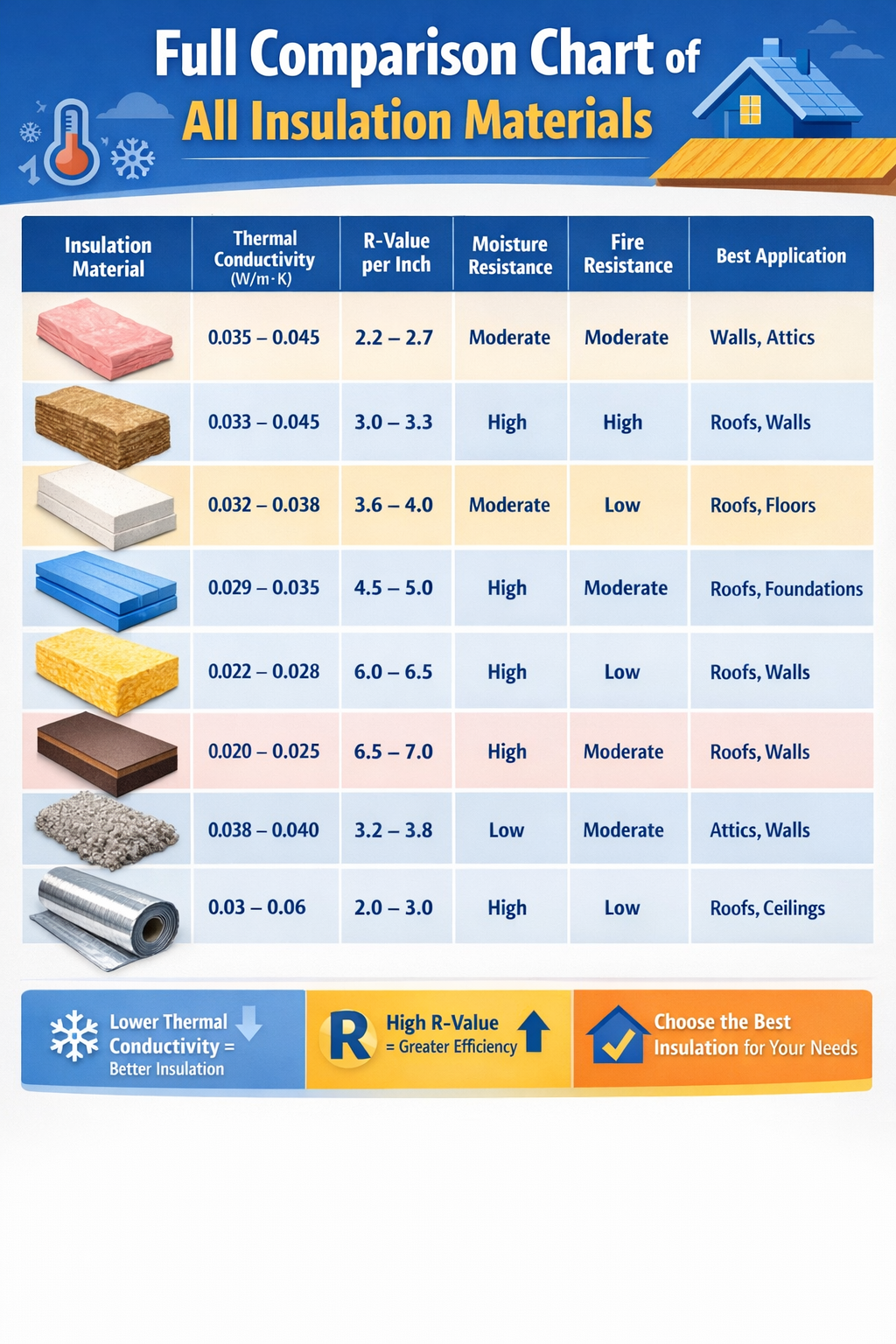
    Full Comparison Chart of All Insulation Materials

    Insulation materials play a critical role in maintaining energy efficiency, controlling indoor temperature, and reducing utility costs. With numerous types of insulation available, it can be overwhelming to choose the right one for your project. In this blog, we present a Full Comparison Chart of All Insulation Materials in Pakistan, helping you make an informed decision. We will also discuss the thermal conductivity of all insulation materials and identify the best insulation board for roof applications.

    What is Insulation Material?
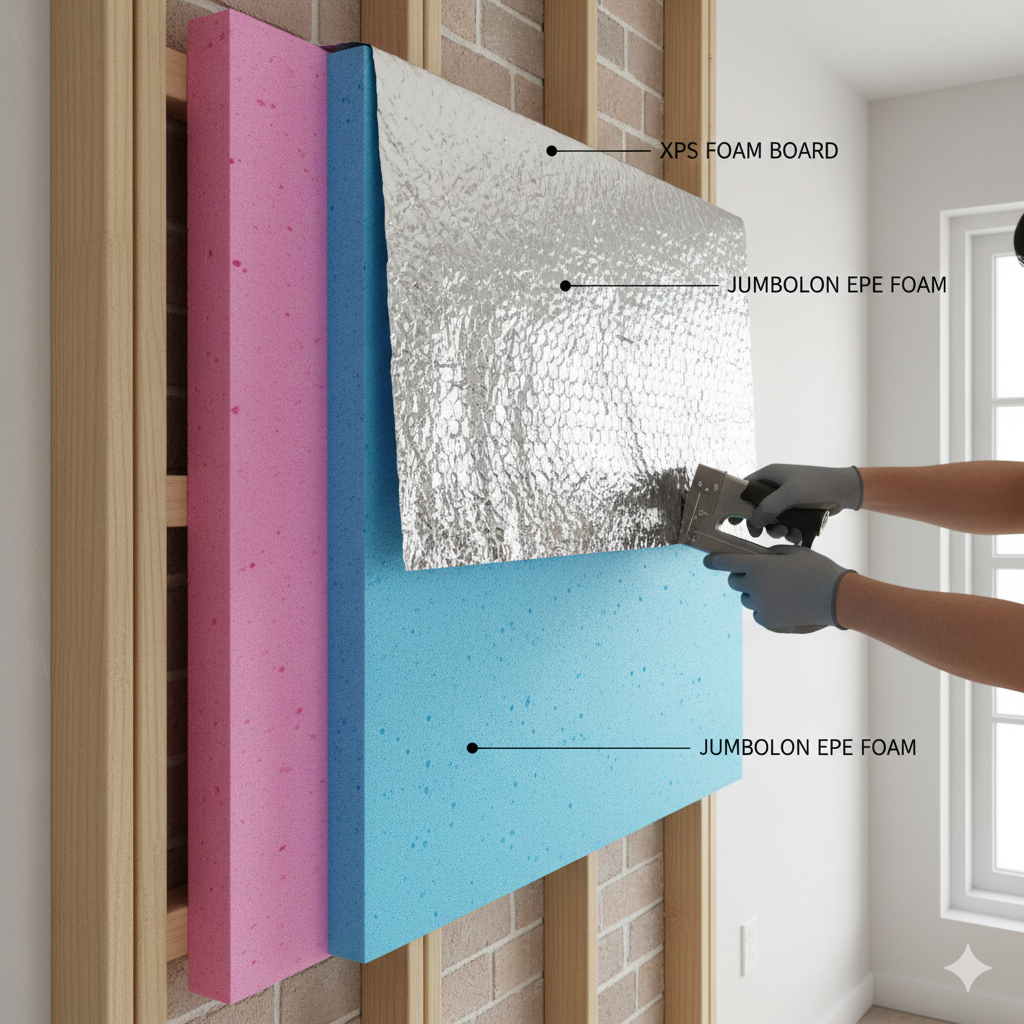
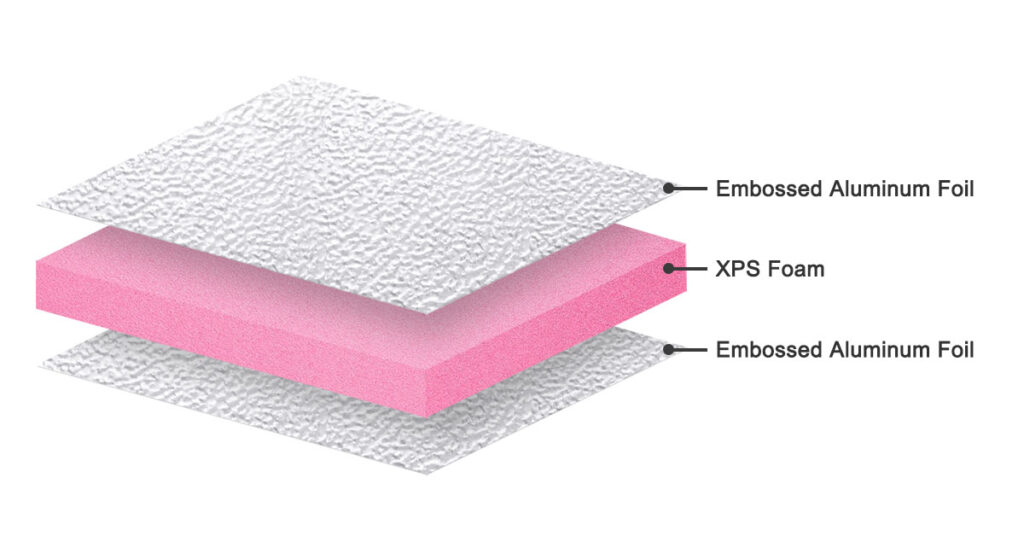
    Using aluminium foil with jumbolon

    Insulation materials are substances used in buildings to reduce heat transfer, sound, or vibration in Pakistan. They help maintain comfortable indoor temperatures while minimizing energy consumption. Different insulation materials have unique properties, including density, thermal resistance, and moisture resistance, which make them suitable for specific applications.

    Importance of Choosing the Right Insulation

    Selecting the right insulation material affects:

    • Energy Efficiency: Proper insulation reduces heating and cooling costs.
    • Comfort: Maintains a consistent indoor temperature.
    • Noise Reduction: Certain insulation materials provide excellent acoustic control.
    • Durability: High-quality insulation extends the lifespan of your building structure.

    The Full Comparison Chart of All Insulation Materials below summarizes these aspects to simplify your choice.

    Full Comparison Chart of All Insulation Materials

    Insulation MaterialThermal Conductivity (W/m·K)R-Value per InchMoisture ResistanceFire ResistanceBest Application
    Fiberglass0.035 – 0.0452.2 – 2.7ModerateModerateWalls, Attics
    Mineral Wool0.033 – 0.0453.0 – 3.3HighHighRoofs, Walls
    Expanded Polystyrene (EPS)0.032 – 0.0383.6 – 4.0ModerateLowRoofs, Floors
    Extruded Polystyrene (XPS)0.029 – 0.0354.5 – 5.0HighModerateRoofs, Foundations
    Polyurethane Foam (PU)0.022 – 0.0286.0 – 6.5HighLowRoofs, Walls
    Phenolic Foam0.020 – 0.0256.5 – 7.0HighModerateRoofs, Walls
    Cellulose0.038 – 0.0403.2 – 3.8LowModerateAttics, Walls
    Reflective Foil0.03 – 0.062.0 – 3.0HighLowRoofs, Ceilings

    This Full Comparison Chart of All Insulation Materials allows homeowners, contractors, and architects to evaluate materials based on thermal conductivity of all insulation materials and other critical properties.

    Thermal Conductivity of All Insulation Materials
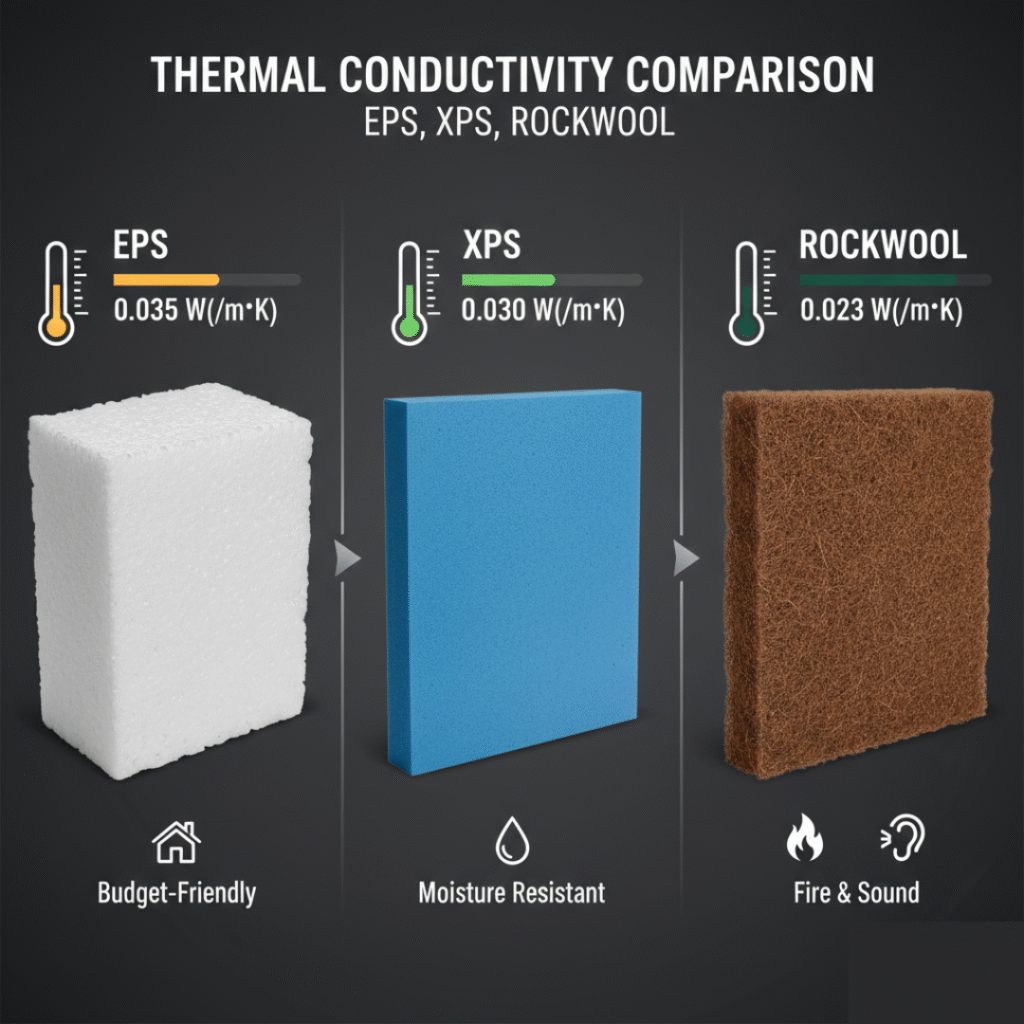
    Thermal Conductivity EPS XPS Rockwool

    Thermal conductivity measures how well a material conducts heat. Lower values indicate better insulation performance. Here’s a quick breakdown:

    • Fiberglass: 0.035 – 0.045 W/m·K, suitable for walls and attics.
    • Mineral Wool: 0.033 – 0.045 W/m·K, excellent for fire-resistant applications.
    • EPS & XPS: 0.029 – 0.038 W/m·K, perfect for roofs and foundations.
    • PU & Phenolic Foam: 0.020 – 0.028 W/m·K, among the most efficient insulators.
    • Cellulose: 0.038 – 0.040 W/m·K, eco-friendly and cost-effective.
    • Reflective Foil: 0.03 – 0.06 W/m·K, best for radiant heat reflection.

    Understanding the thermal conductivity of all insulation materials helps determine the R-value needed for your specific building requirements in Pakistan.

    Best Insulation Board for Roof
    When it comes to roofing, you need materials that offer:

    • Low thermal conductivity
    • Moisture resistance
    • Durability against weather conditions

    Based on these factors, the best insulation board for roof applications are:

    1. Extruded Polystyrene (XPS) – Highly moisture-resistant and strong.
    2. Polyurethane (PU) Foam Board – Exceptional thermal performance and lightweight.
    3. Phenolic Foam Board – Superior insulation with a high R-value per inch.

    These boards ensure your roof stays cool in summer and warm in winter, improving energy efficiency and reducing long-term costs.

    How to Choose the Right Insulation

    Consider these factors before selecting an insulation material:

    1. Purpose: Walls, roofs, floors, or attics.
    2. Climate: Hot, cold, or humid regions.
    3. Budget: Initial cost vs. long-term energy savings.
    4. Environmental Impact: Recyclable and eco-friendly options.
    5. Fire and Moisture Resistance: Essential for safety and durability.

    Using the Full Comparison Chart of All Insulation Materials will simplify this selection process.

    Conclusion

    Choosing the right insulation material is critical for building comfort, energy efficiency, and safety. The Full Comparison Chart of All Insulation Materials presented here, along with details about thermal conductivity of all insulation materials and the best insulation board for roof, helps you make a well-informed decision.

    Invest wisely in insulation today, and enjoy lower energy bills, better comfort, and a sustainable home for years to come.

    FAQ’S

    For hot climates, materials with low thermal conductivity like PU foam, XPS, and Phenolic foam are ideal, as they reduce heat transfer and keep interiors cooler.

    The best insulation board for roof applications depends on moisture resistance, thermal efficiency, and durability. XPS, PU foam, and Phenolic boards are excellent options.

    EPS (Expanded Polystyrene) has slightly higher thermal conductivity and lower moisture resistance than XPS (Extruded Polystyrene), making XPS more suitable for roofing and foundations.

    Thermal conductivity indicates how well a material resists heat flow. Lower thermal conductivity means better insulation performance, reducing energy costs and maintaining comfort.

    Yes, reflective foil is ideal for roofs, ceilings, and walls where radiant heat reflection is important. It works best in combination with other insulation materials for maximum efficiency.

  • XPS vs Glasswool – Which Is Better for Homes?

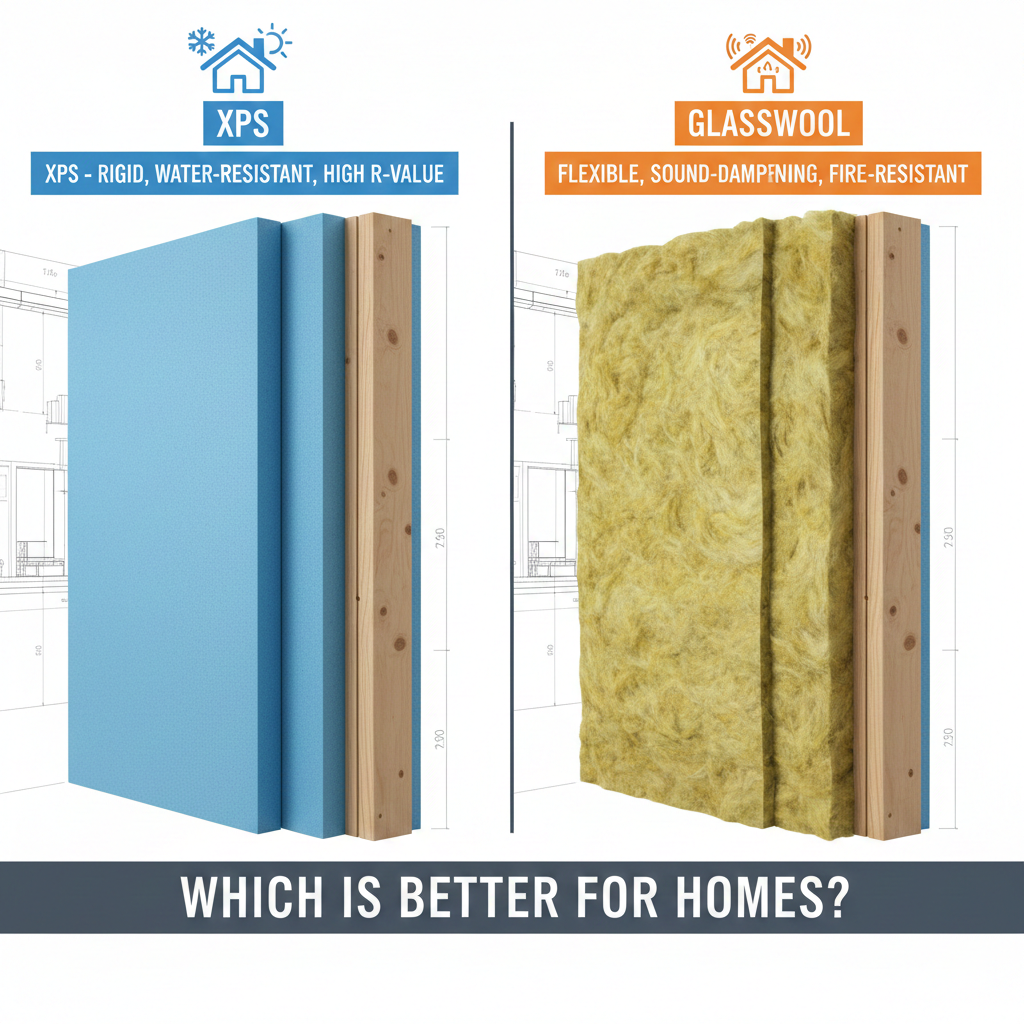
    XPS vs Glasswool – Which Is Better for Homes?

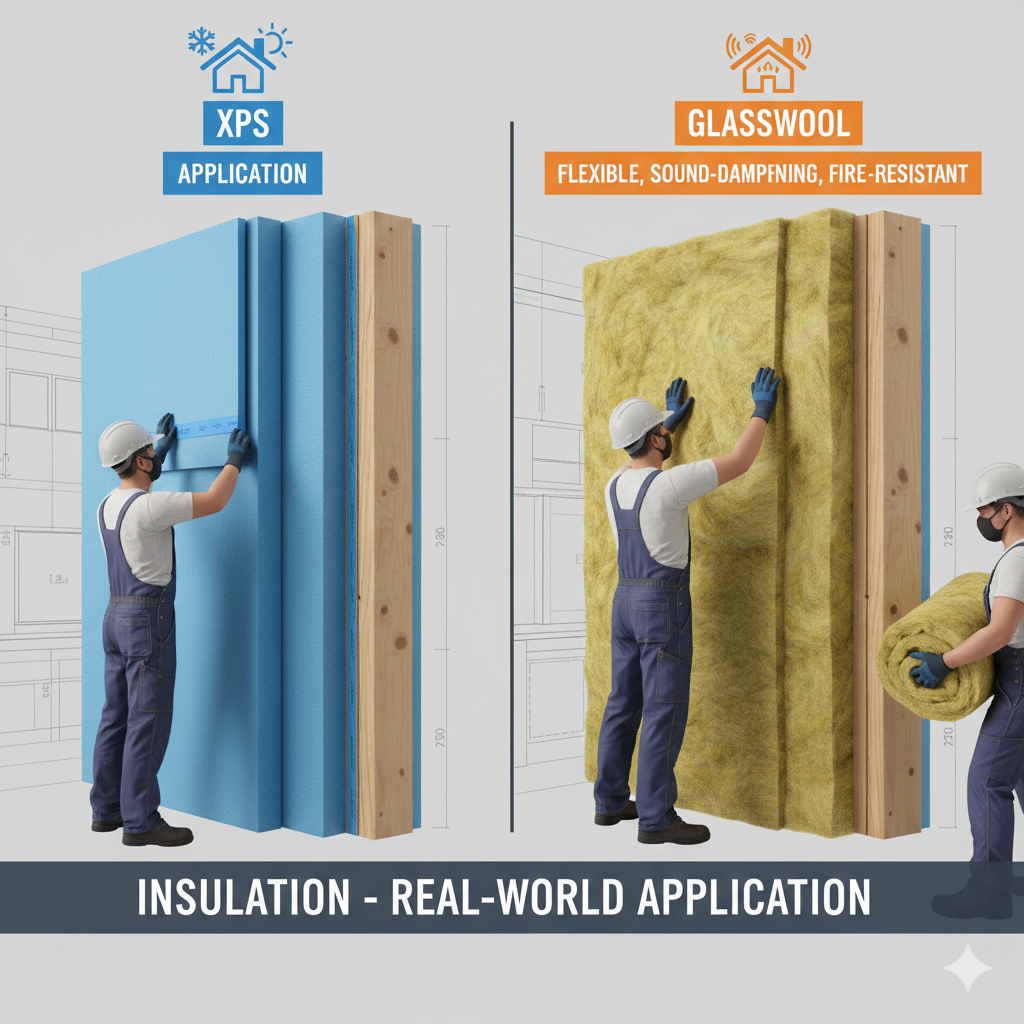
    Choosing the right insulation is one of the most important decisions when designing or upgrading a home. In hot and mixed climates like Pakistan, insulation directly affects indoor comfort, electricity bills, and long-term building durability. Two of the most commonly compared options are XPS insulation and Glasswool insulation. This guide explains their differences in a clear, practical way to help homeowners make an informed decision.

    Understanding Home Insulation Needs in Pakistan

    thermocol moulding for building in pakistan

    Homes in Pakistan face intense heat, humidity variations, and rising energy costs. Effective insulation slows down heat transfer, reduces indoor temperature fluctuations, and supports energy efficiency. Whether the goal is roof protection, wall insulation in Pakistan, or overall thermal performance, material selection plays a critical role.

    What Is XPS Insulation?

    XPS insulation, made from extruded polystyrene, is a rigid board designed to resist heat, moisture, and pressure. Due to its closed-cell structure, XPS material offers consistent thermal performance even in demanding environments.

    Key Characteristics of XPS Insulation

    • High compressive strength
    • Low water absorption
    • Long service life
    • Suitable for roofs, floors, and external walls

    Because of its durability, XPS insulation is commonly used in residential and commercial construction across Pakistan.

    What Is Glasswool Insulation?

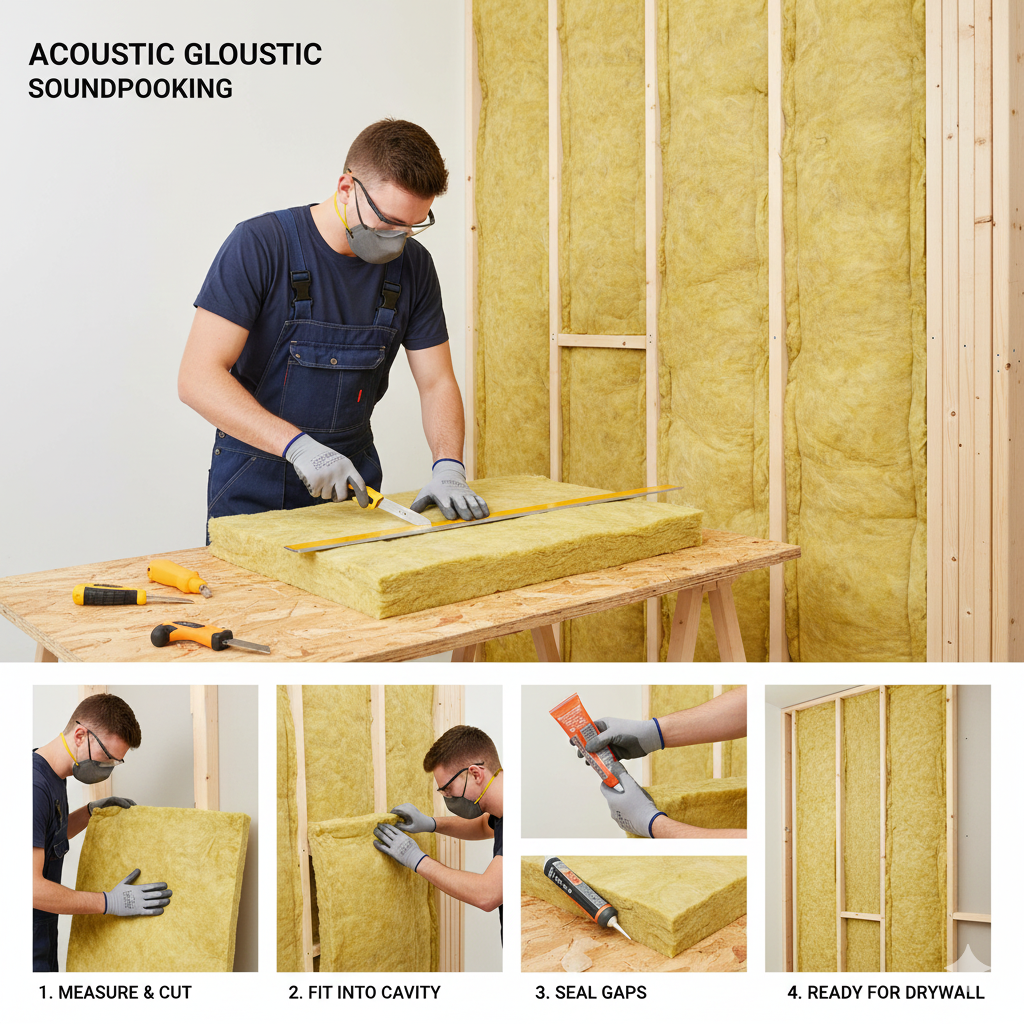
    Glasswool Sheet For Soundproofing

    Glasswool insulation is produced from recycled glass fibers arranged into soft, flexible mats or rolls. It traps air between fibers, which slows heat movement and improves acoustic comfort.

    Key Characteristics of Glasswool

    • Lightweight and flexible
    • Good thermal and sound insulation
    • Commonly used in ceilings and cavity walls
    • Requires proper sealing to avoid moisture issues

    Glasswool is often compared with alternatives like rockwool insulation, which uses stone fibers instead of glass.

    XPS vs Glasswool vs Rockwool – Detailed Comparison Table

    FeatureXPS InsulationGlasswool InsulationRockwool Insulation
    Material TypeExtruded polystyrene boardGlass fiber matStone fiber slab
    Thermal PerformanceHigh & stableGood (may reduce if compressed)High
    Moisture ResistanceExcellentLow to mediumMedium
    Structural StrengthHigh (load-bearing)LowMedium
    Fire ResistanceModerateModerateExcellent
    Application AreasRoofs, floors, wallsCeilings, partitionsWalls, fire-rated zones
    Suitability for HomesVery suitableSuitable (indoor use)Limited residential use
    Maintenance NeedLowMediumLow
    Cost RangeMedium to highLow to mediumHigh

    Summary:
    For long-term residential use in Pakistan’s climate, XPS offers the best balance of durability, moisture resistance, and thermal efficiency.

    XPS vs Glasswool: Core Performance Comparison

    XPS Vs Glasswool

    Thermal Efficiency

    XPS provides stable insulation values over time due to its closed-cell structure. Glasswool performs well initially but may lose effectiveness if compressed or exposed to moisture.

    Moisture Resistance

    XPS boards resist water penetration, making them suitable for humid climates. Glasswool requires vapor barriers to maintain performance.

    Structural Strength

    XPS can handle load-bearing applications such as floors. Glasswool is not designed for pressure-bearing use.

    XPS vs Polyiso and Mineral Wool Comparisons

    When evaluating insulation, homeowners often explore related comparisons like XPS vs polyiso or XPS ve mineral wool. Polyiso offers high thermal resistance but may lose efficiency in extreme heat. Mineral wool, including rockwool, excels in fire resistance but is heavier and costlier.

    These comparisons highlight why XPS remains a balanced option for many residential applications.

    Role of Rockwool in Home Insulation

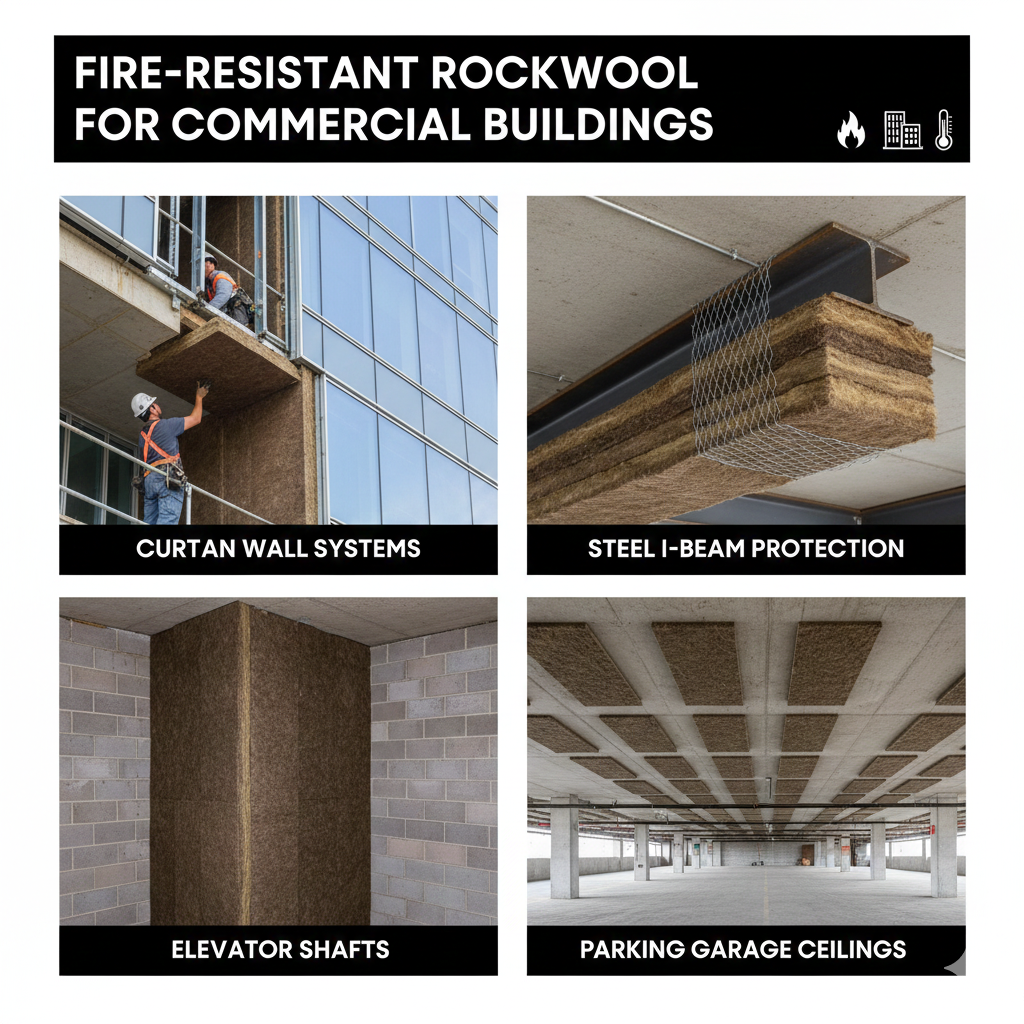
    fire resistant rockwool for commercial buildings

    Rockwool insulation is known for fire resistance and sound absorption. While effective, it is usually preferred in industrial or high-rise buildings rather than standard homes due to installation complexity and weight. Rockwool is often chosen when fire safety is prioritized over cost.

    Cost Considerations for Homeowners

    Insulation cost varies depending on material type, thickness, and location. While XPS boards may have a higher upfront price, they often deliver better long-term value due to durability. Products like jumbolon sheet price in Pakistan are also considered by homeowners seeking flexible insulation solutions, but they serve different use cases than rigid XPS boards.

    Which Insulation Is Better for Homes?

    Choose XPS Insulation If:

    • You need moisture-resistant insulation
    • Roof or floor insulation is required
    • Long-term durability is a priority

    Choose Glasswool If:

    • Budget is limited
    • Insulation is needed for ceilings or partitions
    • Sound insulation is also important

    For most modern homes, especially those focused on energy efficiency and structural reliability, XPS insulation is often the preferred solution.

    Final Verdict

    There is no universal insulation solution for every home. However, when comparing durability, moisture resistance, and performance stability, XPS consistently outperforms Glasswool for long-term residential use. Homeowners should evaluate climate, installation area, and budget before making a final decision.

    FAQ’S

    XPS insulation is generally better for wall insulation in Pakistan because it resists moisture and maintains thermal performance in hot and humid conditions.

    Yes, Glasswool insulation is suitable for ceilings and internal partitions, especially where sound insulation is also required. However, it needs proper sealing against moisture.

    XPS focuses on thermal efficiency and moisture resistance, while rockwool insulation provides superior fire resistance. Rockwool is often used in commercial or industrial projects.

    Yes, XPS insulation reduces heat transfer through roofs and walls, helping maintain indoor temperature and lowering air-conditioning usage.

  • EPS & XPS for Underfloor Heating Systems

    EPS & XPS for Underfloor Heating Systems

    Underfloor heating systems are becoming increasingly popular in modern residential and commercial construction due to their comfort, energy efficiency, and space-saving design. However, the success of any underfloor heating setup depends heavily on the insulation layer installed beneath it. This is where EPS and XPS insulation boards play a critical role.

    This guide explains how EPS and XPS perform in underfloor heating applications, compares their thermal and structural properties, and helps you select the most suitable material for long-term efficiency.

    Understanding Underfloor Heating Insulation

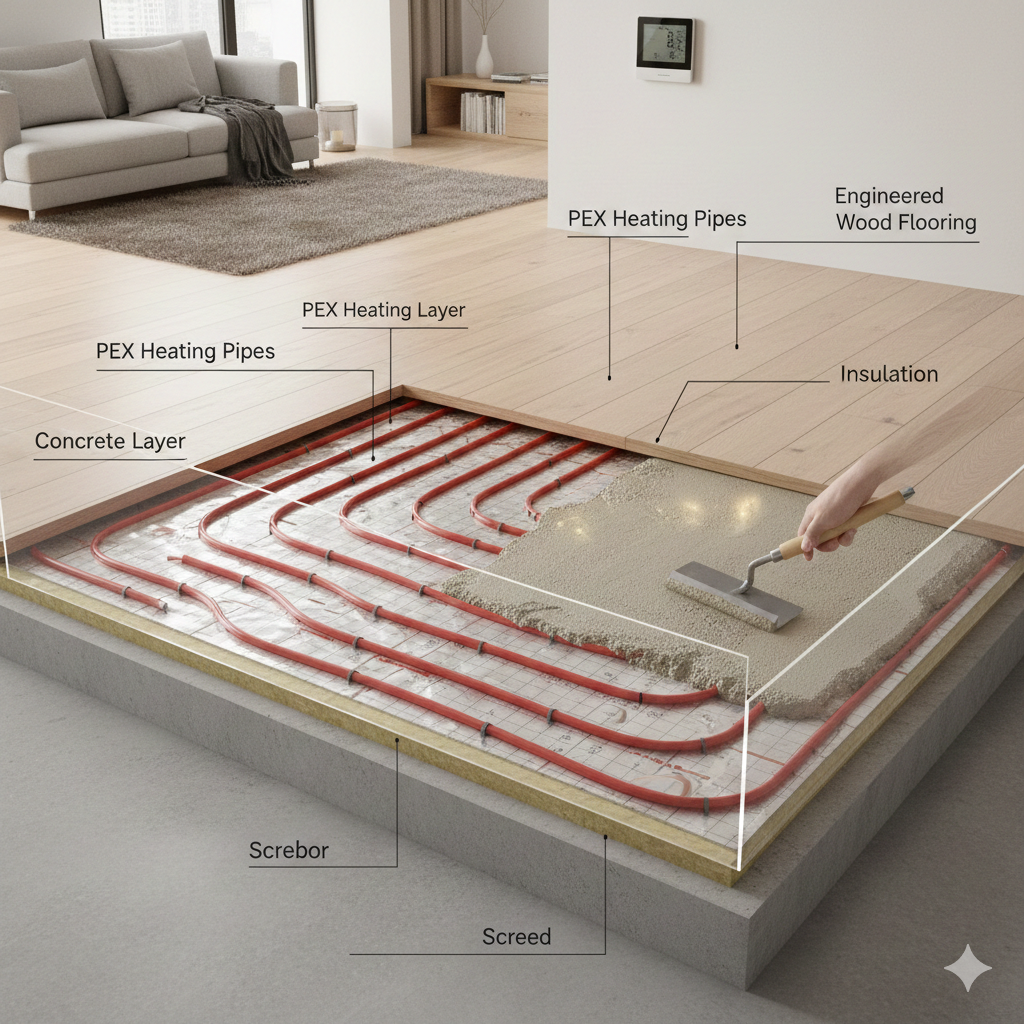
    Underfloor hEating System

    Underfloor heating works by evenly distributing heat across a floor surface. Without proper insulation below the heating pipes or cables, a significant amount of heat is lost downward into the slab or soil. High-quality insulation ensures:

    • Faster heat response
    • Reduced energy consumption
    • Consistent indoor temperatures
    • Protection of heating elements

    Choosing between EPS and XPS insulation directly impacts system performance and operating cost.

    Best EPS & XPS for Underfloor Heating Systems

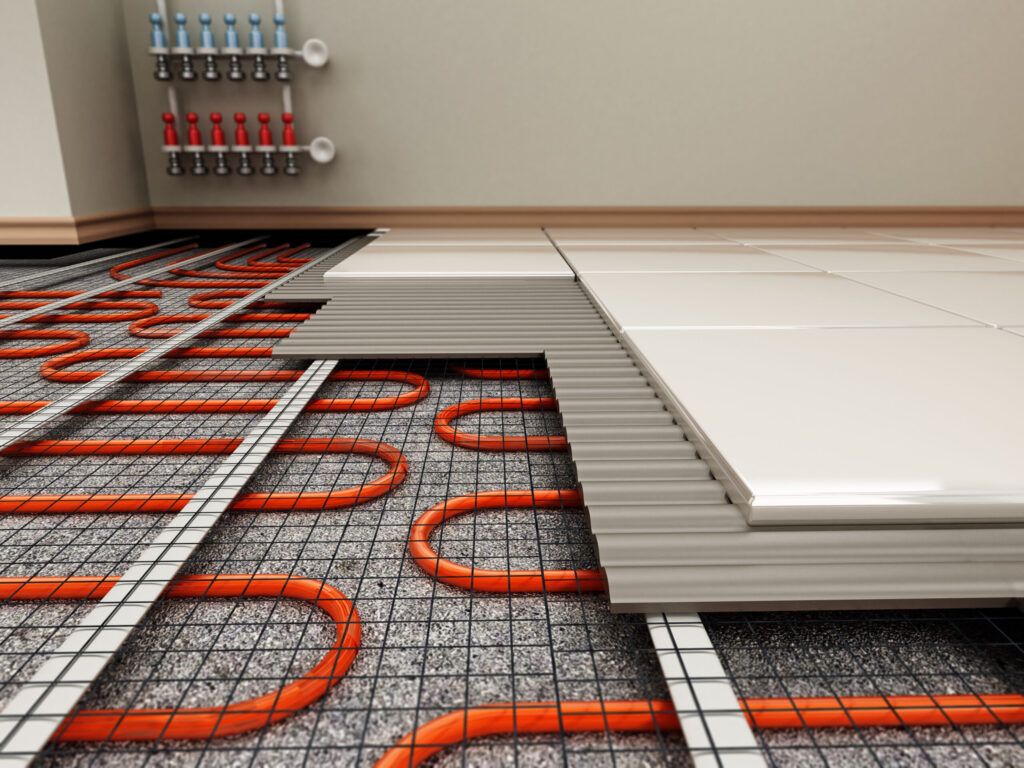
    Ground heating system structural detail. 3D illustration.

    The best EPS & XPS for Underfloor Heating Systems depends on structural load, moisture exposure, and insulation thickness requirements. Both materials are rigid foam boards, but their internal structure gives them different advantages.

    EPS is lightweight and economical, while XPS is dense and moisture-resistant. Each serves a distinct purpose in underfloor applications.

    EPS vs XPS Thermal Conductivity

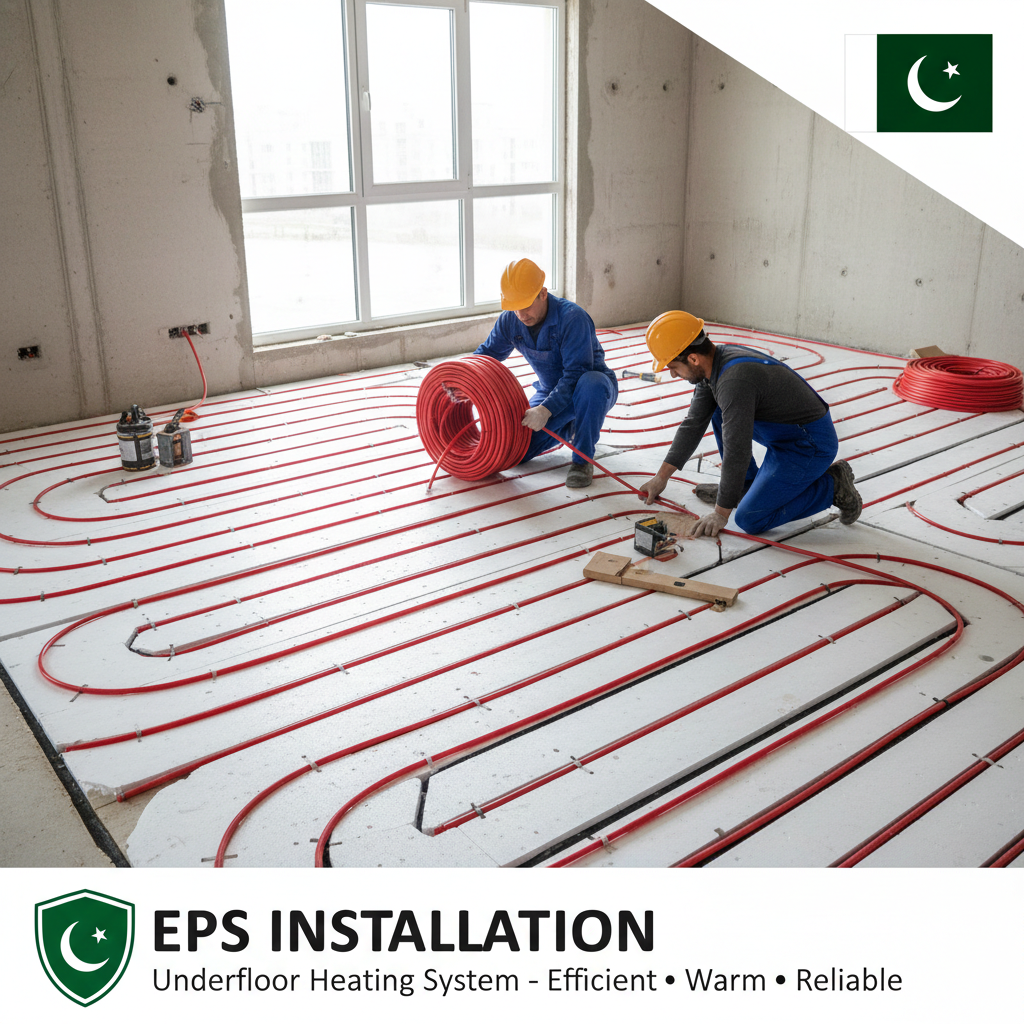
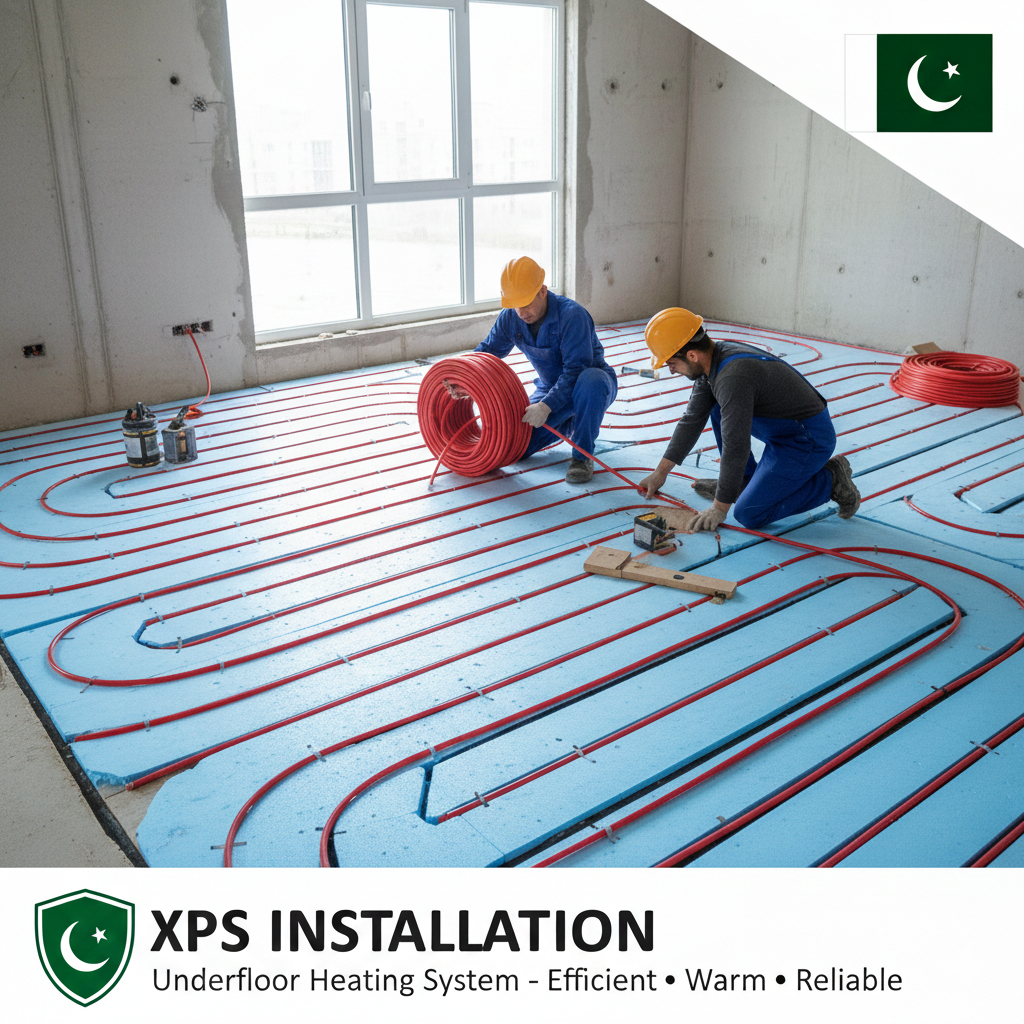
    EPS Installation at underfloor heating system

    EPS vs XPS Thermal Conductivity is one of the most important performance comparisons.

    • EPS has a slightly higher thermal conductivity, meaning it allows marginally more heat transfer.
    • XPS offers lower thermal conductivity, which improves heat retention under floors.

    For projects where maximum thermal efficiency is required in limited thickness, XPS is generally preferred.

    EPS Vs XPS R-Value Explained

    The EPS Vs XPS R-Value comparison helps determine insulation effectiveness per inch.

    • EPS provides stable R-values that depend on density.
    • XPS delivers higher R-values per thickness, making it suitable for compact floor assemblies.

    In underfloor heating, higher R-value insulation improves system efficiency by directing heat upward instead of allowing it to escape into the slab.

    EPS Vs XPS Insulation Performance Under Floors

    When comparing EPS Vs XPS Insulation, performance differences become more noticeable in underfloor heating environments:

    • EPS performs well in dry, low-load residential floors.
    • XPS excels in high-load, moisture-prone, or commercial floors.

    Both materials are compatible with hydronic and electric heating systems when correctly installed.

    EPS vs XPS Cost Comparison

    From a budgeting perspective, EPS vS XPS Cost is often a deciding factor.

    • EPS is significantly more affordable and ideal for large-area residential projects.
    • XPS costs more upfront but offers longer lifespan and improved durability.

    For developers working within tight budgets, EPS provides excellent value, while XPS is better for premium or long-term projects.

    EPS vs XPS Compressive Strength

    EPS vs XPS Compressive Strength is critical for underfloor heating systems installed beneath concrete slabs.

    • EPS offers moderate compressive strength, sufficient for homes.
    • XPS provides high compressive strength, making it suitable for heavy loads, machinery, and commercial flooring.

    This makes XPS more reliable for under-slab insulation in demanding environments.

    Role of XPS Insulation in Heated Floors

    XPS Insulation is widely used in modern underfloor heating systems due to its closed-cell structure. It resists moisture absorption, maintains shape under load, and ensures consistent thermal performance over time.

    These properties make XPS particularly effective in basements, ground floors, and high-traffic areas.

    EPS vs XPS Under Slab Applications

    The EPS vs XPS under slab comparison highlights suitability for different ground conditions.

    • EPS is suitable for dry soil conditions with controlled loads.
    • XPS performs better in wet soil, high water table areas, or where structural pressure is high.

    Selecting the correct material ensures long-term insulation performance and prevents heat loss beneath the slab.

    Which Insulation Is Better for Underfloor Heating?

    There is no universal answer, as the best choice depends on application:

    • Choose EPS for residential homes, apartments, and cost-sensitive projects.
    • Choose XPS for commercial buildings, industrial floors, and moisture-exposed slabs.

    Both materials can deliver excellent underfloor heating performance when properly designed.

    Installation Best Practices

    For optimal results:

    • Ensure boards are tightly fitted with no gaps
    • Install a vapor barrier if required
    • Place heating pipes or cables evenly
    • Pour concrete carefully to avoid board displacement

    Correct installation is just as important as material selection.

    EPS & XPS for Underfloor Heating Systems – (2026)

    Prices vary by density, thickness, and city. Below are market-realistic ranges used by insulation suppliers in Pakistan.

    MaterialThicknessApprox. Price Range (PKR / sq.ft)Best Application
    EPS Sheet1 inch160 – 220Residential underfloor heating
    EPS Sheet2 inch280 – 360Under slab insulation (homes)
    XPS Insulation Board25mm380 – 520High-efficiency heated floors
    XPS Insulation Board50mm650 – 850Commercial & moisture-prone slabs

    Cost Insight:
    EPS remains the economical choice, while XPS justifies its higher price with better thermal resistance, compressive strength, and moisture stability.

    Final Thoughts

    EPS and XPS insulation boards both play a vital role in underfloor heating systems. Understanding their differences in thermal performance, cost, and strength allows homeowners and builders to make informed decisions that improve comfort and energy efficiency.

    Choosing the right insulation today ensures lower heating costs and better performance for years to come.

    FAQ’S

    Both work well, but XPS is better for moisture resistance and high loads, while EPS is ideal for cost-effective residential underfloor heating systems.

    Typically, 25mm to 50mm insulation is recommended depending on slab type, load, and desired thermal performance.

    Yes. EPS works well in dry regions, while XPS is recommended in humid cities like Karachi due to its water resistance.

    Lower thermal conductivity means less heat loss. XPS generally performs better, improving heating efficiency and reducing energy bills.

    Yes. EPS vs XPS compressive strength becomes critical under concrete slabs. XPS handles higher structural loads more effectively.

  • Why Jumbolon is Ideal for Cold Storage & Refrigeration Units?

    Why Jumbolon is Ideal for Cold Storage & Refrigeration Units?

    Maintaining precise, low temperatures is paramount for cold storage facilities and refrigeration units. Any inefficiency in insulation can lead to significant energy waste, temperature fluctuations that compromise stored goods, and the costly formation of ice and condensation. This is where Jumbolon insulation, a high-performance Extruded Polystyrene (XPS) foam, emerges as an indispensable material.

    Jumbolon’s unique properties make it exceptionally well-suited for the demanding environments of cold room panels, walk-in freezers, and industrial refrigeration. It delivers the robust thermal protection and moisture resistance essential for preventing heat gain and ensuring optimal operational efficiency.

    The Critical Demands of Cold Environments

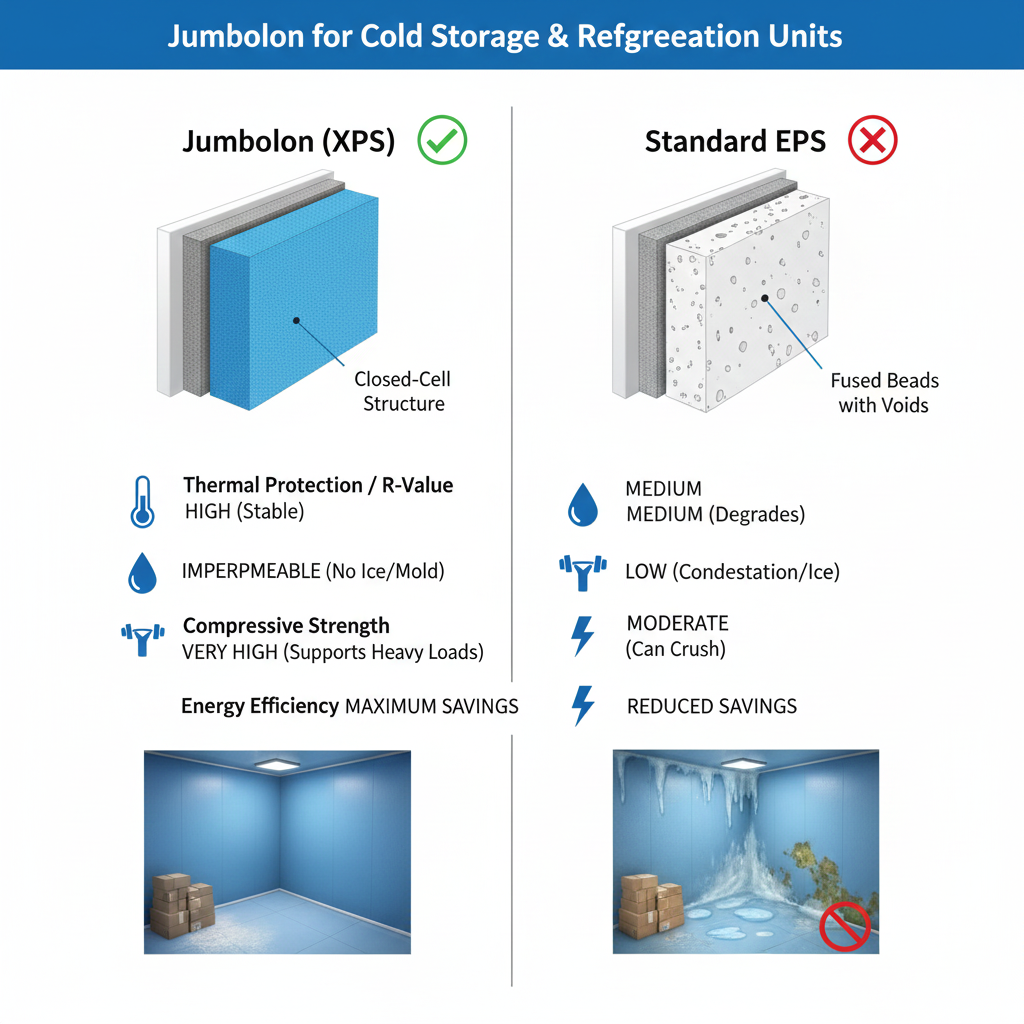
    XPS For Cold Storage Insulation

    Cold storage applications face unique challenges that standard insulation materials often fail to address adequately:

    1. Extreme Temperature Differential

    The vast difference between the internal cold temperature and the external ambient temperature creates a constant drive for heat to infiltrate the unit. This requires an insulation material with a very high R-value and exceptional thermal resistance.

    2. Vapor Drive and Condensation

    Warm, humid air from outside constantly tries to migrate into the cold space. If this vapor isn’t stopped effectively, it will condense and freeze, leading to ice formation, structural damage, reduced efficiency, and potential mold growth. An effective vapor barrier is critical.

    3. Hygienic Requirements

    Cold storage units must maintain strict hygiene standards to protect perishable goods. Insulation materials that absorb moisture or foster mold are unacceptable.

    Jumbolon’s Unmatched Advantages for Cold Storage

    Jumbolon For Cold Storage Insulation

    Jumbolon (XPS) offers a suite of properties that directly address these challenges, making it an ideal choice for cold storage insulation.

    1. Superior Thermal Performance (High R-Value)

    Jumbolon boasts a high R-value per inch (typically R-5.0), providing excellent thermal protection in critical temperature-controlled environments. Its consistent insulation value minimizes heat transfer, significantly reducing the energy load on refrigeration systems. This translates directly to enhanced energy efficiency and lower operating costs for any refrigeration unit.

    2. Unrivaled Moisture Resistance

    The defining feature of Jumbolon is its completely closed-cell structure. This makes it virtually impervious to water absorption and water vapor transmission. In cold room applications, this means: * No Ice Formation: Jumbolon prevents the infiltration of moisture that would otherwise freeze within the insulation or on surfaces. * Maintained R-Value: Unlike materials that lose insulating power when wet, Jumbolon’s R-value remains stable, ensuring consistent long-lasting insulation. * Vapor Barrier: It acts as an inherent vapor barrier, mitigating condensation and mold growth.

    3. High Compressive Strength

    Cold room panels and flooring often bear heavy loads from stored goods, shelving, and forklift traffic. Jumbolon’s high compressive strength allows it to withstand these pressures without deforming, ensuring the long-term integrity of the insulated structure and preventing thermal bridging caused by crushing. This makes it ideal for floor insulation in freezers.

    4. Durability and Longevity

    The robust nature of Jumbolon ensures it stands up to the harsh conditions of cold storage environments. Its resistance to rot, decay, and insect infestation, combined with its stable thermal performance, means it provides long-lasting insulation requiring minimal maintenance.

    Applications in Cold Storage & Refrigeration

    Jumbolon is versatile enough for various components within cold environments:

    • Cold Room Panels: Used as the core insulating material in pre-fabricated or custom-built panels.
    • Floor Insulation: Critical for preventing frost heave and maintaining floor temperature in walk-in freezers and coolers. Its compressive strength is essential here.
    • Wall and Ceiling Insulation: Forms a continuous thermal envelope to minimize heat leakage throughout the structure.
    • Refrigerated Transport: Increasingly used in the construction of refrigerated containers and trucks for its lightweight and superior insulation properties.

    The Economic and Operational Benefits

    Investing in Jumbolon for your cold storage or refrigeration unit offers clear advantages:

    • Significant Energy Savings: The superior thermal resistance and air sealing properties drastically reduce the energy consumption of refrigeration systems.
    • Product Integrity: Stable temperatures and absence of moisture protect sensitive goods (food, pharmaceuticals, chemicals) from spoilage or damage.
    • Reduced Maintenance: Prevents issues like ice formation, rust, and mold growth, leading to lower repair and cleaning costs.
    • Optimized Space: Its high R-value allows for thinner insulation profiles compared to less efficient materials, maximizing usable interior space.

    For any application where precise temperature control and moisture resistance are non-negotiable, Jumbolon insulation offers a reliable, efficient, and long-lasting insulation solution, solidifying its position as the preferred choice for cold storage insulation.

    FAQ’S

    Jumbolon (XPS) is highly recommended for cold storage because it has excellent thermal resistance, low water absorption, and high compressive strength. These properties help maintain stable low temperatures, reduce energy consumption, and prevent moisture buildup inside refrigeration units.

    For standard cold rooms, 50mm to 75mm Jumbolon sheets are commonly used, while freezer rooms and deep-freeze units often require 100mm or higher thickness. The ideal thickness depends on temperature requirements, insulation design, and building specifications.

    Yes. Jumbolon’s closed-cell structure makes it moisture-resistant, preventing condensation, mold, and water absorption. This is essential for maintaining hygiene standards in cold storage and refrigerated warehouse environments.

    Absolutely. Jumbolon is used for walls, roofs, floors, and doors of cold storage units due to its high durability and thermal efficiency. It provides long-lasting performance even under constant low-temperature conditions.