
thermocol sheet price in pakistan

Tag: XPS insulation in Lahore

  • Thermopore vs XPS vs Jumbolon

    Thermopore vs XPS vs Jumbolon

    Choosing the right insulation material is one of the most important decisions in construction, especially in regions with extreme temperatures. In Pakistan, Thermopore, XPS, and Jumbolon are among the most commonly used insulation materials. This blog presents a detailed comparison of Thermopore vs XPS vs Jumbolon, helping homeowners, contractors, and builders understand which option suits their needs best.

    Why Comparing Insulation Materials Matters
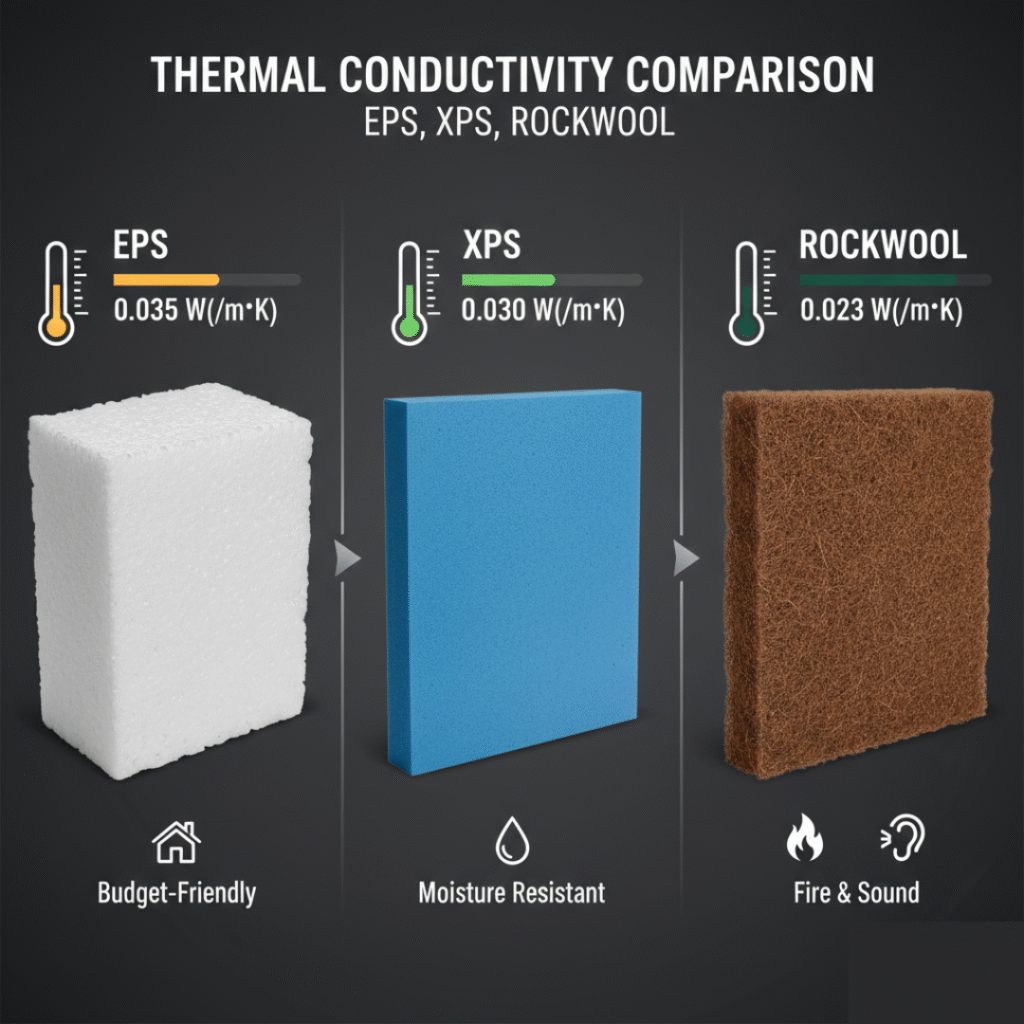
    Thermal Conductivity EPS XPS Rockwool

    Different insulation materials perform differently depending on heat resistance, moisture exposure, durability, and cost. Many people ask thermopore vs xps vs jumbolon which is better, but the answer depends on application, budget, and performance expectations.

    A clear comparison helps avoid long-term energy loss and unnecessary maintenance costs.

    What Is Thermopore Insulation?

    EPS Geofoam For Road Construction

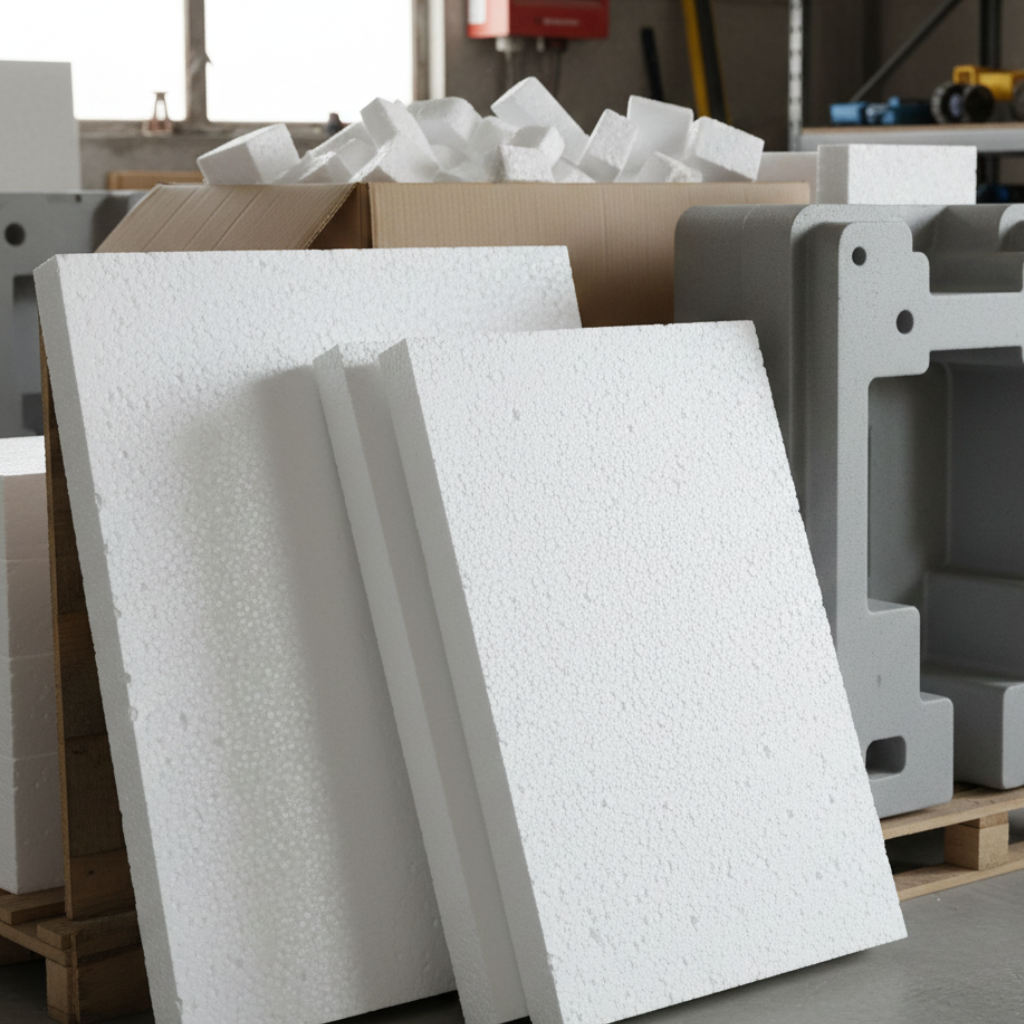
    Thermopore is a lightweight insulation material made from expanded polystyrene. It is commonly used for basic thermal insulation in walls and ceilings.

    Key Features of Thermopore

    • Lightweight and easy to install
    • Provides basic thermal insulation
    • Commonly available in sheet form

    Thermopore sheet insulation is often chosen for low-budget projects where moderate insulation performance is acceptable.

    What Is XPS Insulation?

    jumbolon Insulation for Metal Sheds

    XPS (Extruded Polystyrene) is a high-density insulation board designed for superior thermal resistance and moisture control. It is widely used in roofs, foundations, and floors.

    Why XPS Is Considered Premium

    • Higher compressive strength
    • Excellent moisture resistance
    • Long service life

    In most professional applications, XPS outperforms Thermopore and flexible foams.

    What Is Jumbolon Insulation?

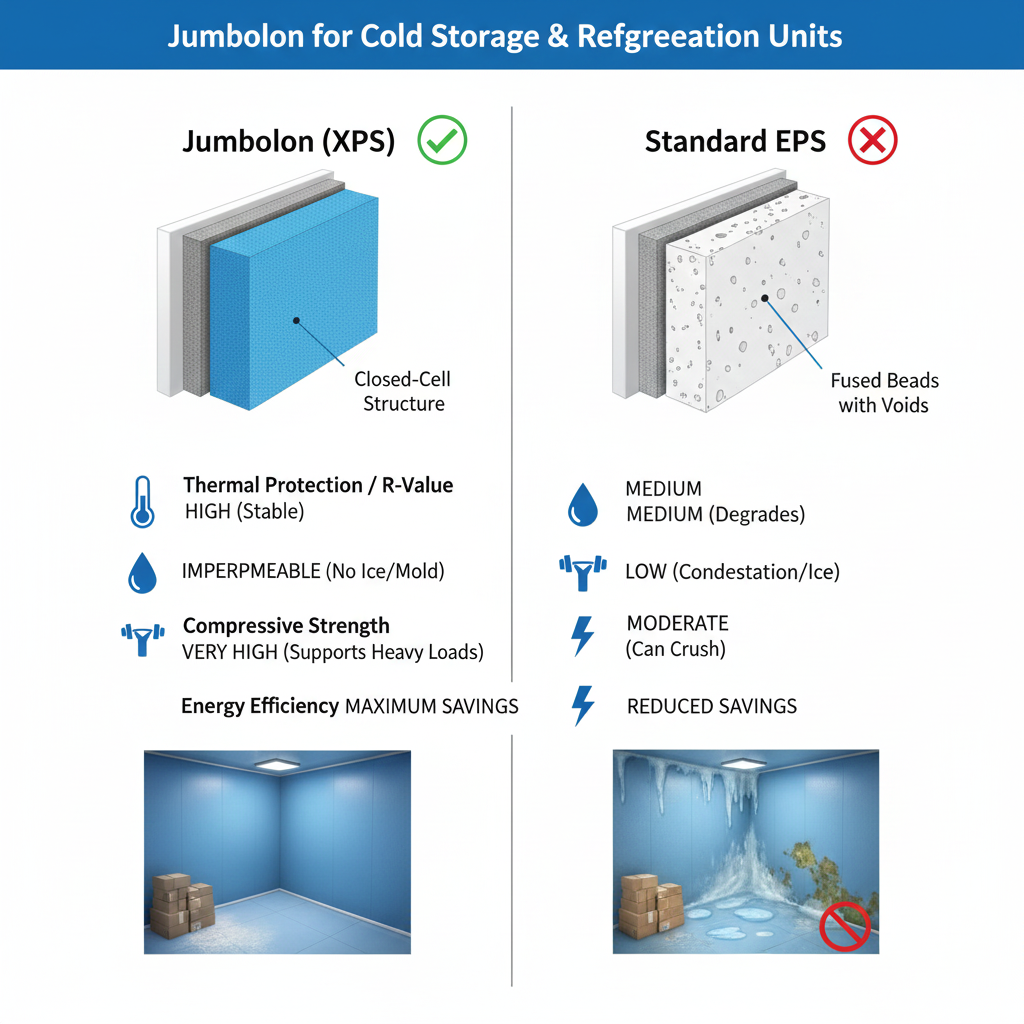
    Jumbolon For Cold Storage Insulation

    Jumbolon is a closed-cell polyethylene foam insulation commonly used for thermal and acoustic purposes. It is flexible, lightweight, and easy to apply in residential and commercial buildings.

    The comparison of jumbolon vs thermopore often comes down to flexibility and ease of installation versus rigidity.

    Performance Comparison: Thermopore vs XPS vs Jumbolon

    Thermal Insulation Performance

    • XPS offers the highest thermal resistance
    • Jumbolon provides moderate insulation with flexibility
    • Thermopore delivers basic thermal protection

    This performance gap is why many ask thermopore vs xps vs jumbolon which is better for long-term use.

    Moisture Resistance

    • XPS resists water absorption extremely well
    • Jumbolon performs well in humid environments
    • Thermopore may absorb moisture over time

    Durability and Strength

    • XPS is structurally strong and load-bearing
    • Jumbolon is flexible but not load-bearing
    • Thermopore is fragile and prone to breakage

    Price Comparison in Pakistan

    Jumbolon Price in Pakistan

    The jumbolon price in pakistan varies depending on thickness, density, and brand. It is generally considered affordable and suitable for residential insulation projects.

    Jumbolon Sheet Price in Pakistan

    The jumbolon sheet price in pakistan depends on sheet thickness and roll size. Thicker sheets naturally cost more but offer better insulation.

    12mm Jumbolon Sheet Price in Pakistan

    The 12mm jumbolon sheet price in pakistan is commonly searched because this thickness is widely used for roof and ceiling insulation due to its balance between cost and performance.

    Thermopore Price

    Thermopore price is usually lower than both XPS and Jumbolon, making it a budget-friendly option for short-term or low-demand insulation needs.

    Overall Jumbolon Price Comparison

    When evaluating overall jumbolon price, it sits between Thermopore and XPS, offering a good balance of flexibility, insulation, and affordability.

    Best Use Cases for Each Material

    When to Use Thermopore

    • Low-budget construction
    • Temporary insulation needs
    • Non-load-bearing areas

    Use of XPS

    • Roof insulation
    • Foundations and floors
    • Long-term energy-efficient buildings

    When to Use Jumbolon

    • Residential roofs and ceilings
    • Acoustic insulation
    • Areas requiring flexible insulation

    Final Verdict: Which One Should You Choose?

    There is no single answer to thermopore vs xps vs jumbolon which is better. The right choice depends on your specific needs:

    • Choose XPS for maximum durability and thermal performance
    • Choose Jumbolon for flexible, cost-effective insulation
    • Choose Thermopore for basic, low-cost applications

    Understanding the difference between jumbolon vs thermopore and comparing them with XPS ensures you invest in the right insulation solution.

    Conclusion

    Comparing Thermopore vs XPS vs Jumbolon helps builders and homeowners make informed insulation decisions. While XPS delivers premium performance, Jumbolon offers flexibility and affordability, and Thermopore remains a basic insulation choice for budget projects.

    Selecting the right material today can lead to better comfort, lower energy bills, and long-term savings.

    FAQ’S

    The better option depends on usage. XPS offers the best thermal performance and durability, Jumbolon provides flexible and cost-effective insulation, while Thermopore is suitable for basic and low-budget applications.

    Jumbolon is flexible and moisture-resistant, while Thermopore is rigid and more fragile. Jumbolon is better for roofs and ceilings, whereas Thermopore is mainly used for basic wall insulation.

    Yes, XPS is generally better than Thermopore for roofs because it has higher compressive strength, better moisture resistance, and longer service life.

    Jumbolon price in Pakistan depends on thickness, density, sheet size, and brand. Thicker sheets usually provide better insulation and cost more.

    The jumbolon sheet price in Pakistan varies by thickness and quality. Standard sheets are more affordable, while thicker insulation sheets cost slightly higher.

    The 12mm jumbolon sheet price in Pakistan is popular because this thickness offers a good balance between insulation performance and affordability for residential roofs.

    Thermopore can be used for short-term or low-load applications. For long-term durability and higher insulation performance, XPS or Jumbolon is generally recommended.

    XPS performs best in moisture-prone areas due to its closed-cell structure, while Jumbolon also performs well. Thermopore may absorb moisture over time.

  • EPS, XPS, Glasswool: Best Mix for Homes

    EPS, XPS, Glasswool: Best Mix for Homes

    Choosing the right insulation for a home is no longer optional—it’s essential for comfort, energy efficiency, and long-term cost savings. Among the many insulation options available today, EPS, XPS, and Glasswool stand out as a powerful combination for residential buildings. This blog explains why EPS, XPS, Glasswool: Best Mix for Homes is a smart insulation strategy and how each material contributes to thermal, acoustic, and fire performance.

    Why Modern Homes Need a Combination of Insulation Materials

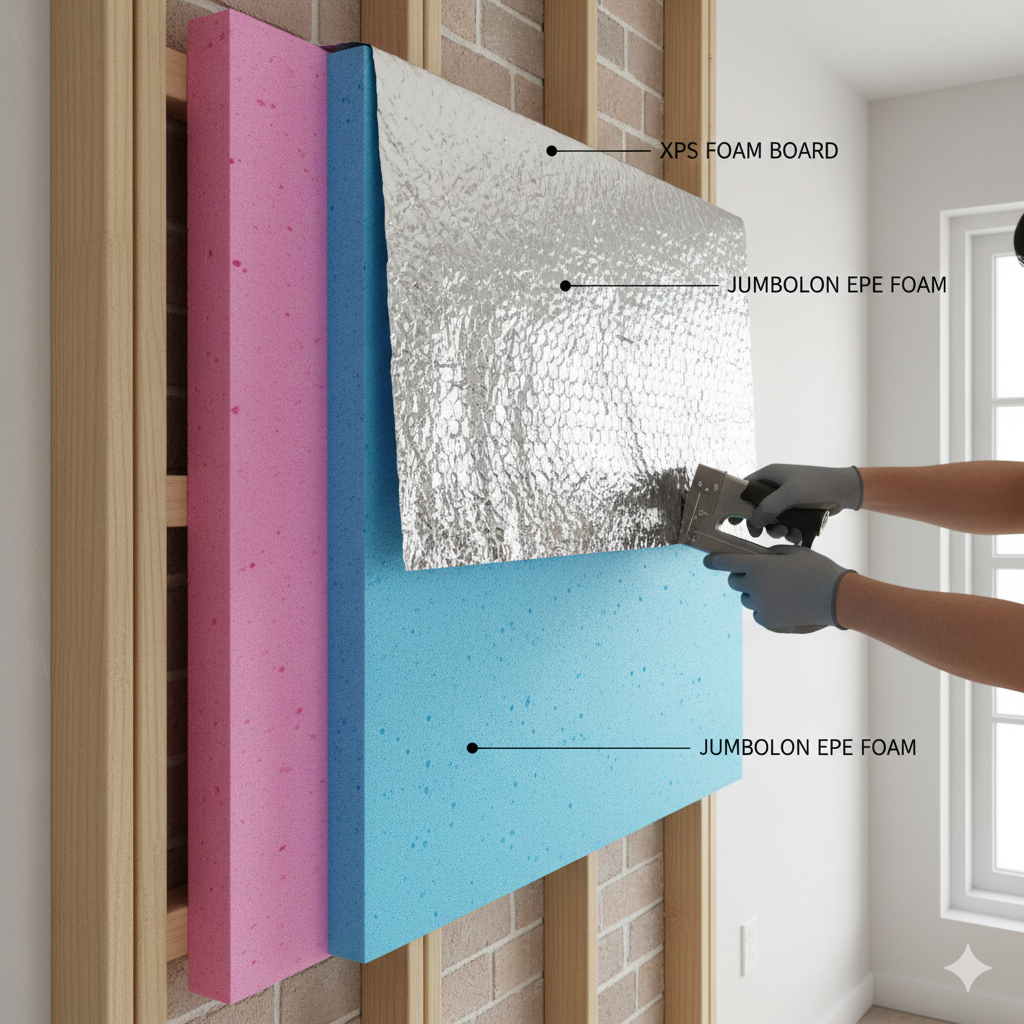
    Using aluminium foil with jumbolon

    No single insulation material can perfectly address heat control, soundproofing, moisture resistance, and fire safety at the same time. That’s why combining materials has become a best practice in modern construction.

    Using EPS for walls, XPS for roofs and foundations, and Glasswool for ceilings and partitions creates a balanced system that enhances indoor comfort without excessive cost.

    Understanding EPS, XPS, and Glasswool

    What is EPS Insulation?

    EPS Foam

    Expanded Polystyrene (EPS) is a lightweight insulation material widely used in walls and floors. It provides effective thermal insulation and is easy to install, making it popular in residential projects.

    Key Benefits of EPS:

    • Cost-effective thermal insulation
    • Lightweight and easy to handle
    • Suitable for wall cavities and floor insulation

    What is XPS Insulation?

    jumbolon Insulation for Metal Sheds

    Extruded Polystyrene (XPS) offers higher density and better moisture resistance than EPS. It is ideal for areas exposed to water or heavy loads.

    Why XPS is Ideal for Homes:

    • Strong moisture resistance
    • High compressive strength
    • Excellent for roofs and foundations

    What Is Glass Mineral Wool Insulation?

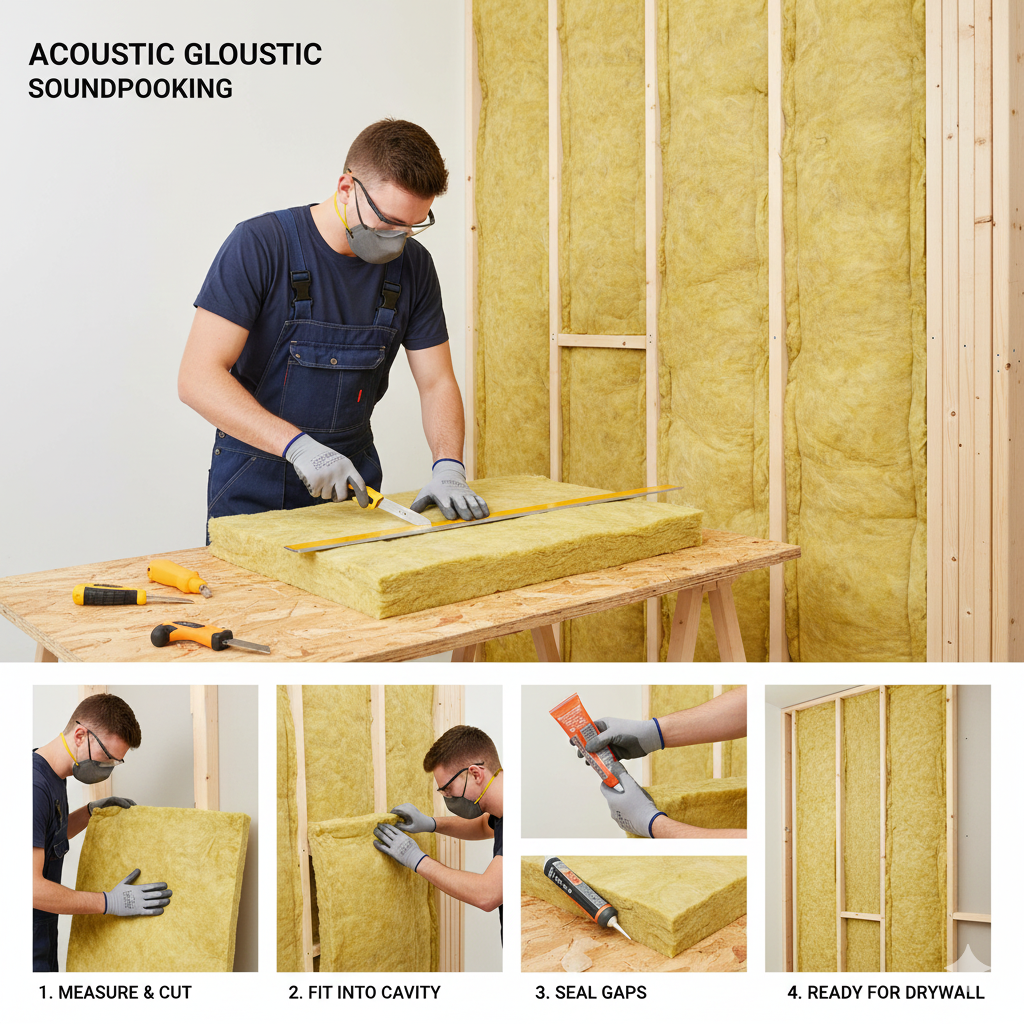
    Glasswool Sheet For Soundproofing

    Many homeowners ask, what is glass mineral wool insulation?
    Glass mineral wool is a fibrous insulation made from recycled glass, designed to trap air and reduce heat and sound transfer. It is commonly used in ceilings, partitions, and internal walls.

    Glass Wool Performance Explained

    Glass Wool Fire Resistance

    One of the strongest advantages of glass wool is its fire safety. Glass wool fire resistance is high because it is non-combustible and can withstand extreme temperatures without spreading flames. This makes it a reliable choice for residential safety.

    Is Glass Wool Dangerous?

    A common concern is whether glass wool dangerous for homes. When installed correctly and sealed behind walls or ceilings, glass wool is safe. Modern manufacturing standards have significantly reduced health risks, making it suitable for residential use.

    Soundproofing Comparison: Glasswool vs Rockwool

    Rockwool vs Glasswool Soundproofing

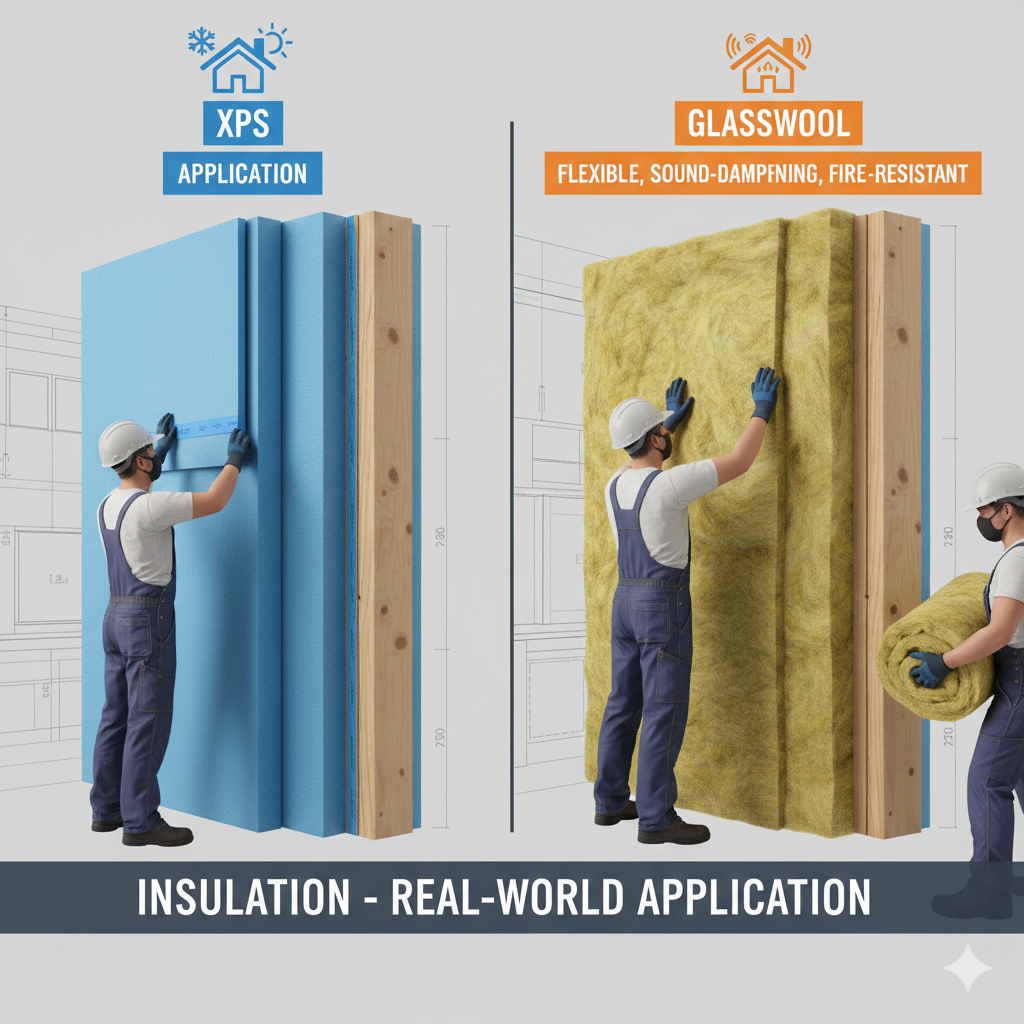
    XPS Vs Glasswool

    When comparing rockwool vs glasswool soundproofing, both materials perform well, but glass wool is often preferred for residential spaces due to its lighter weight and easier installation.

    Glass Mineral Wool vs Rockwool

    The debate of glass mineral wool vs rockwool comes down to application. Glass mineral wool is ideal for ceilings and partitions, while rockwool is often chosen for industrial or heavy-duty acoustic applications.

    Cost Comparison and Pricing Factors

    Glass Wool vs Rock Wool Price

    In terms of affordability, glass wool vs rock wool price generally favors glass wool for residential projects. Glass wool offers a lower upfront cost while still delivering strong thermal and acoustic performance.

    Glass Wool Insulation Price

    The glass wool insulation price depends on thickness, density, and application area. For homes, it remains one of the most economical insulation solutions, especially when combined with EPS and XPS.

    Floor and Structural Applications

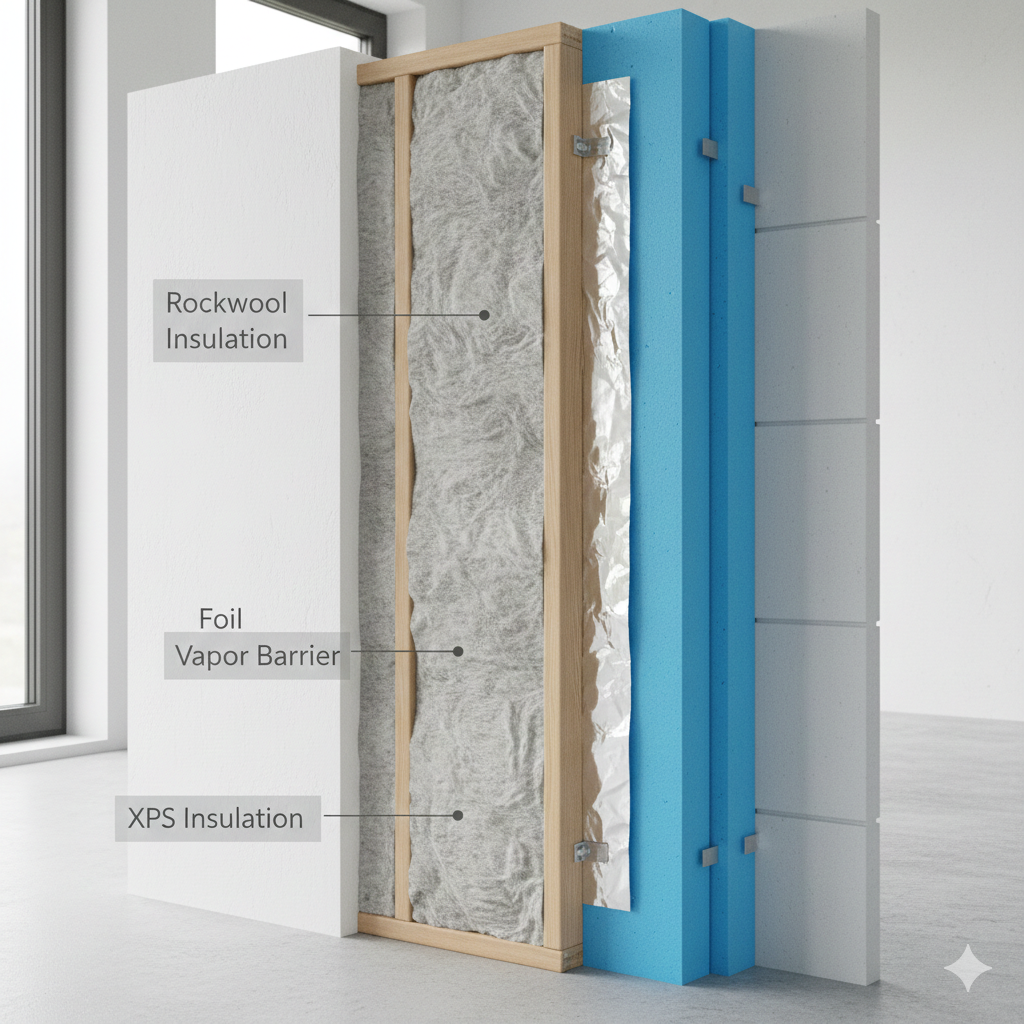
    insulation layers rockwool foil xps

    Mineral Wool Floor Insulation

    Using mineral wool floor insulation helps reduce impact noise and heat loss between floors. In multi-story homes, it significantly improves acoustic comfort while maintaining thermal efficiency.

    Why EPS, XPS, Glasswool Is the Best Mix for Homes

    Combining these materials allows homeowners to target specific insulation needs:

    • EPS for walls and floors
    • XPS for roofs, terraces, and foundations
    • Glasswool for ceilings, partitions, and sound control

    This strategic combination ensures thermal stability, sound reduction, moisture protection, and fire safety—all without overspending.

    How to Choose the Right Insulation Mix for Your Home

    Before selecting insulation, consider:

    • Local climate conditions
    • Noise levels
    • Budget constraints
    • Fire safety requirements

    Professionals often recommend the EPS, XPS, Glasswool: Best Mix for Homes because it balances performance and cost effectively.

    Conclusion

    A well-insulated home is more comfortable, energy-efficient, and safer. By combining EPS, XPS, and glass wool, homeowners achieve superior insulation performance across all areas of the house. Understanding factors like rockwool vs glasswool soundproofing, glass wool fire resistance, and glass wool insulation price helps in making an informed decision.

    If you’re planning a new home or upgrading insulation, this combination offers long-term value and dependable performance.

    FAQ’S

    This combination works well because each material serves a specific purpose. EPS is ideal for walls and floors, XPS performs best in roofs and moisture-prone areas, while glass wool improves thermal and acoustic comfort inside the home.

    Glass mineral wool insulation is commonly used in ceilings, partitions, and cavity walls. It helps reduce heat transfer and improves indoor sound insulation without adding heavy load to the structure.

    Glass wool is safe for homes when installed correctly. Modern glass wool products are designed to meet safety standards, and once sealed behind walls or ceilings, there is no health risk.

    Glass wool fire resistance is high because it is non-combustible. It does not support flame spread and helps slow down heat transfer during a fire, making it suitable for residential buildings.

    When comparing rockwool vs glasswool soundproofing, both are effective. Glass wool is generally preferred in homes due to its lighter weight and easier installation, while rockwool is often used in industrial or high-noise environments.

    The main difference between glass mineral wool vs rockwool lies in density and application. Glass mineral wool is lighter and more flexible, whereas rockwool is denser and better suited for heavy-duty insulation needs.